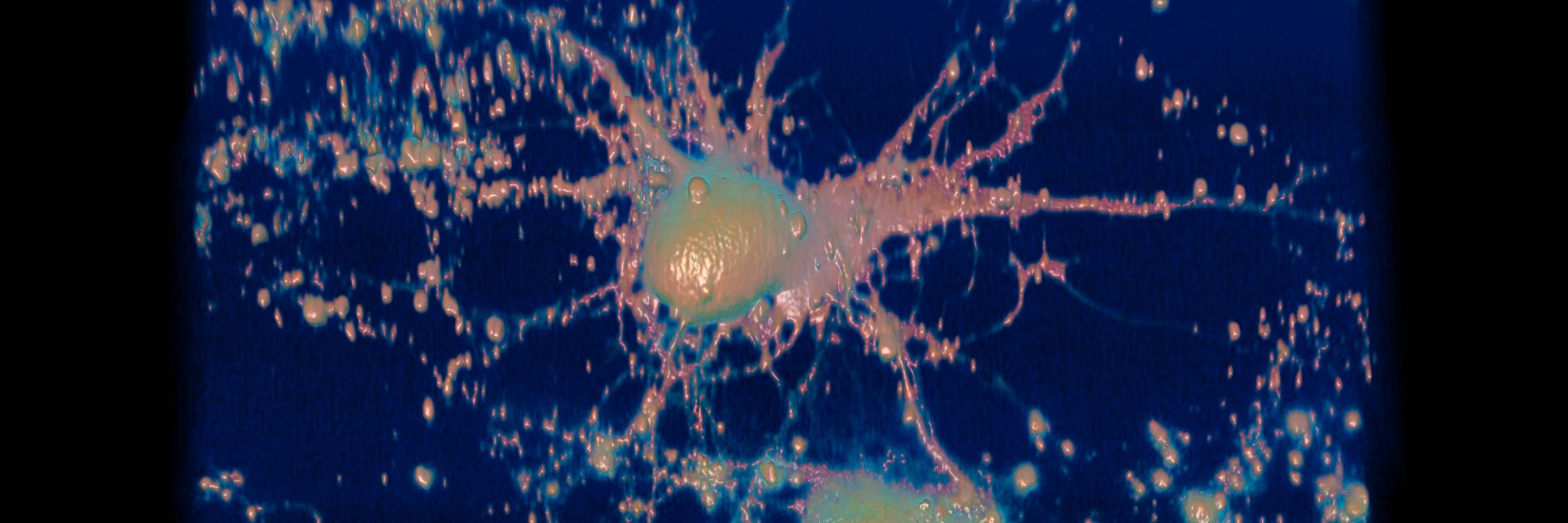
Multi-immersion oblique plane microscopy: a flexible light-sheet microscope for imaging a range of biological sample types. @RetoPaul
https://t.co/HPXPvzoU9M
AIRR boils down to a simple constraint: the magnification into the remote space has to equal to the ratio of the sample and the remote space refractive index.
For continuous adaptation of the magnification, we use a zoom lens that keeps its front- and backfocal plane steady.
Our multi-immersion oblique plane microscope manuscript is online now.
A light-sheet system that can be adapted to different imaging tasks, including a continuous volumetric correction for imaging in media of (theoretically) any refractive index.
https://t.co/eb5nVlmP6l
miOPM leverages Any Immersion Remote Refocusing (AIRR), which extends traditional remote focusing to samples with a refractive index mismatch.
Below, we adjust the miOPM to the refractive index (bead sample, cleared tissue).
We also derive the AIRR theory mathematically.
Are you planning a PhD in neuroscience?
The Department of Neurobiology at USC has launched a new PhD program, and we’re recruiting our first cohort.
Our labs seek answers to:
How animals learn, remember, and choose what to do.
How synapses transmit signals and stay stable over a lifetime.
How neural circuits are built, how they fail in disease, and can they be repaired?
How the brain turns sensation into action.
We investigate these questions at scales from single synapses to whole-brain networks, using molecular, genetic, physiological, imaging, computational, and behavioral approaches across model systems.
Explore our labs: https://t.co/EvuEdeqIGZ
What you’ll get:
Full funding: tuition plus a $43,000 annual stipend and health insurance
A small cohort with direct faculty mentorship, where you’ll help shape a program as it grows
Lab rotations across three faculty labs before you choose your thesis lab
Los Angeles: a major research hub with S-tier climate, cultural vibrancy and global influence
Applications due December 1, 2026. GRE optional. Application fee waivers available based on demonstrated need.
Apply here: https://t.co/qEjpgPjA5S
Any questions? Reply or DM and I’m happy to answer.
@JakeTbird Some doubts, such tall rogue waves are extremely rare.
IIRC, the Daupner Wave (25.6 m / 84 ft height ) was the first such "freak" wave that was ever detected with scientific instrumentation:
https://t.co/cTEDguz5mH
@Eric_Betzig I could not find pictures, but the first version looked "jerry-rigged" to save cost and time.
The newer version looks now properly engineered:
@Eric_Betzig Yeah, I was particularly impressed by their "crawler" that transports the starship booster.
The first version looked assembled from a few semi-trailer chassis, and concrete counter weights for balancing.
Meanwhile NASA’s Mobile Launcher-2 for the SLS cost over $2.7 billion...
@Eric_Betzig I am a bit out of touch on how solar panels are unfolded, but I thought in the past, pulley systems and actuators were used.
The preloaded torsion springs sound like a very pragmatic solution.
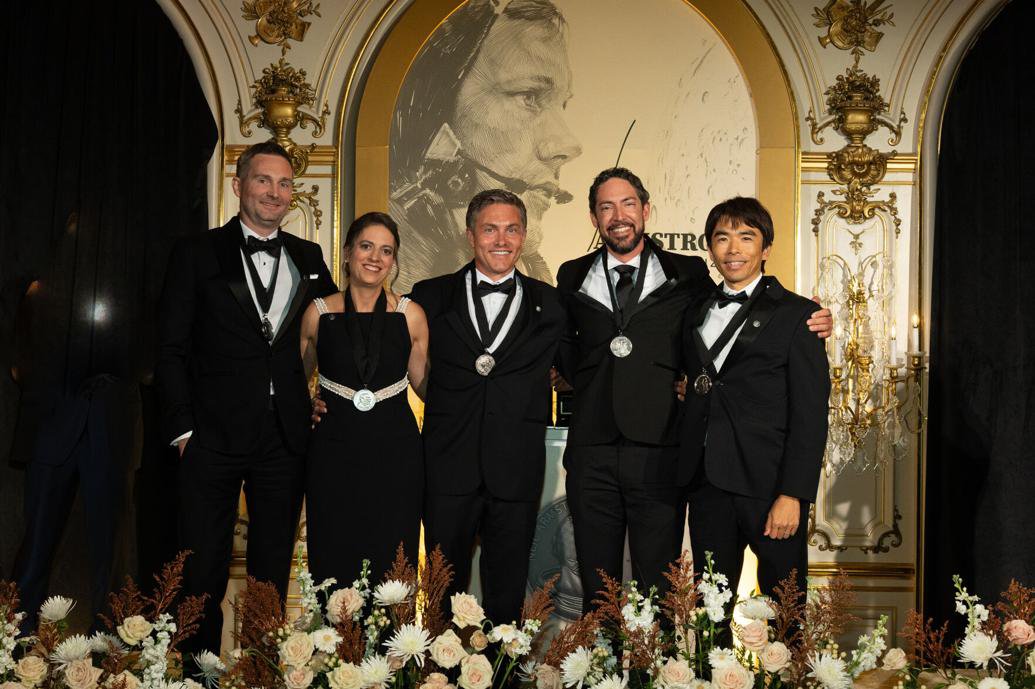
SpaceX's Falcon 9 Booster Landing Team awarded 1st-ever Neil Armstrong Space Prize! 🔥
Purdue awards the prize to “those whose contributions to space in the preceding decade are deemed the most consequential for humanity,” according to the prize’s website.
Falcon 9 was the world’s first reusable rocket — a technical achievement long considered impossible in the industry.
The team consisted of Lars Blackmore, senior principal Mars landing engineer; Shana Diez, senior director, Starship reliability; Jon Edwards, senior vice president, Falcon & Dragon projects; Yoshiaki Kuwata, principal GNC engineer; and Eduardo Velazquez, director, Crew Starship engineering.