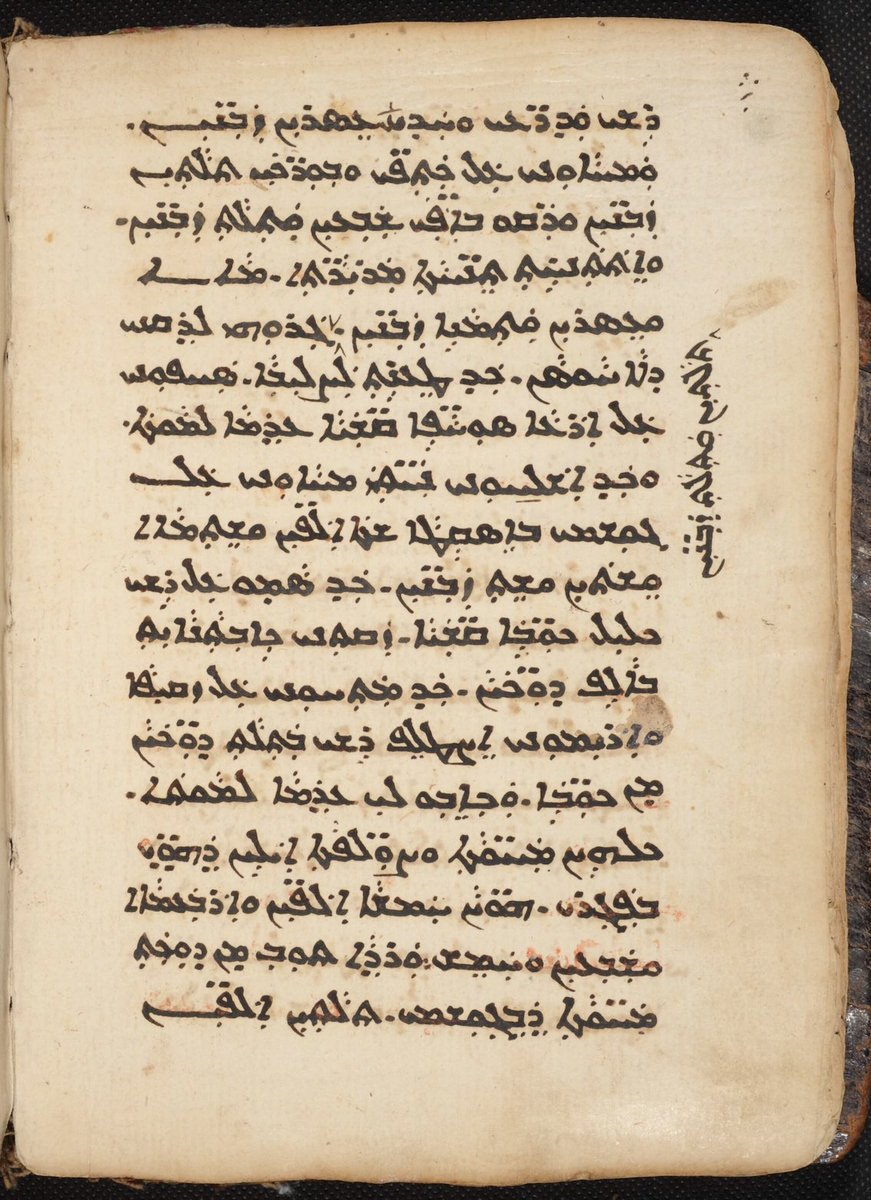
Two texts written in #Syriac and attributed to St. #Bridget of Sweden were recently identified among the manuscript collections digitized by HMML in Iraq.
Dr. James Walters, lead cataloger of Eastern Christian collections at HMML, takes a closer look: https://t.co/XuSrhY8fQX
A remarkable collection of short, congratulatory notes in honor of Joseph Emmanueal II, Chaldean Patriarch of Babylon, compiled in 1904 CE & written in over 40 languages & dialects.
Chaldean Catholic Church, Patriarchate of Baghdad, Iraq (CPB 00370): https://t.co/EEXw9HY5HB
Emission "Foi et traditions des Chrétiens orientaux" qui porte sur la liturgie de l'Eglise assyro-chaldéenne, diffusée sur TF1 en 1985.
Liturgie en araméen, la langue du Christ.
https://t.co/2sXA1s52Dv
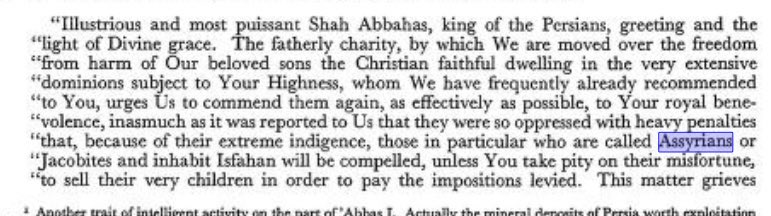
Pope Paul V’s letter to Shah Abbas I, 3rd Nov. 1612:
“Those in particular who are called Assyrians or Jacobites & inhabit Isfahan will be compelled to sell their very children in order to pay the heavy tax you have imposed on them, unless You take pity on their misfortune”
Weekly Georgian Etymology: მარანი marani 'wine cellar', from Old Armenian մառան maṙan, from Syriac ܡܕܢܐ maddānā, from Akkadian ma- and 𒂁𒆗𒉡dannu, 'storage vat for beer and wine'. Though used since remote antiquity, the actual word is attested only since the 11th century.
Weekly Georgian Etymology: ხატი xaṭi 'icon, shrine', from Old Georgian ႾႠႲႨ xaṭi 'graven image', from Aramaic ܚܛ ḥaṭṭ 'dig out; carve', perhaps from Akkadian 𒄩𒁕𒂅 ḫaṭāṭu, 'dig out; incise'. Now central to Orthodox worship, the word entered Georgian in pagan times.
It seems likely this was borrowed from some Semitic language, probably Aramaic. The reason is
a) Aramaic was the literary language of ancient pre-Hellenistic Caucasia
b) Semitic languages do not allow onset clusters
c) some Semitic lgs, e.g. Arabic, languages do not have /p/
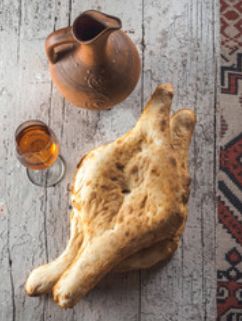
Weekly Georgian Etymology: ლავაში lavaši 'flatbread', from Armenian լավաշ lavaš, from Assyrian Neo-Aramaic ܠܘܫܐ lāwāšā flatbread, from Proto-Semitic *lawaṯ 'knead, mix'. Akin to Akkadian 𒇷𒄿𒋙 līšu dough, this Semitic root probably only spread widely in the early 2nd mil AD.
Etymology of the Taurus mountains:
TAURUS MONS (ὁ Ταῦρος): derived from the Aramaic Tur or Tura, i. e., a high mountain or Alp, a common noun applied to all the high mountains of Asia.
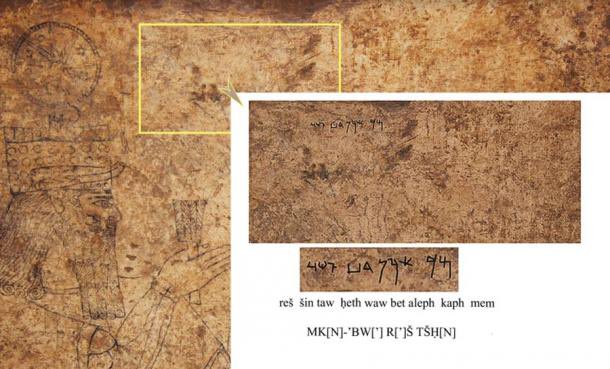
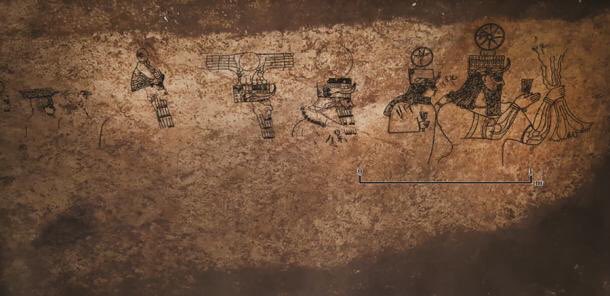
According to Raoul Schrott (translator of Homer's writings into colloquial German) Homer was a priest or a eunuch scribe from Cilicia who served in the Assyrian court & wrote the Iliad to give Cilicians a national epic.
Assyrian Relief Panel 883–859 BC.
The beardless male figure depicted on this panel from the Northwest Palace at Nimrud (ancient Kalhu) is almost certainly a eunuch.
#archaeohistories
In 1882, Albert Socin, a Swiss orientalist who was specialized in the research of Neo-Aramaic, travelled to many Assyrian regions from Urmia, Hakkari to Mosul,... & wrote down many folktales & superstitions in all different dialects.
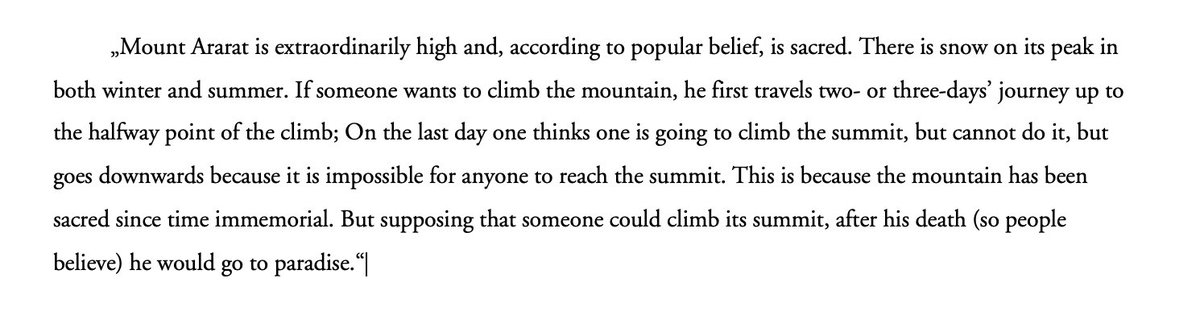
Text translated about Mount Ararat: