What environmental issues are young students most concerned about? Our graduate trainee @revalenca gives us answers in this brief analysis of his class:
https://t.co/Rbnhfv4Es5
This is part of our SMS (social media series) posts.
The largest wetland in the world is located in my home country, Brazil. Two years ago, nearly a THIRD of the wetland burned during a wildfire. Some of my research at @SEALab_UCLA is looking at how burned residues from wildfires can impact wetlands! Results coming out soon 🔥
How often do you think about the #footprint of the food you consume?😋 Our trainee @revalenca talks about the production of #cheese 🧀and its impact on the #environment in this engaging piece as part of our Social Media Series (SMS): https://t.co/QZJSjxBm3Z @DiaconescuLab
@chempreaction @UCLAINFEWS@DiaconescuLab I believe that feeding seaweed to 1.5 billion cows worldwide is unrealistic. However, we could find a balance like only the cows located within 100 miles from the ocean would receive a seaweed-based diet. That would reduce part of the methane emission from the cattle industry.
@chempreaction @UCLAINFEWS@DiaconescuLab Switching their energy matrix to renewable energy would not end the problem, but it would significantly reduce their environmental footprint.
@chempreaction @UCLAINFEWS@DiaconescuLab Great question @chempreaction - cheese factories consume a lot of energy for their cooling/heating systems. Depending on the country, the electricity is generated from fossil fuels which are a huge contributor to methane emission.
https://t.co/X63dksxSGy
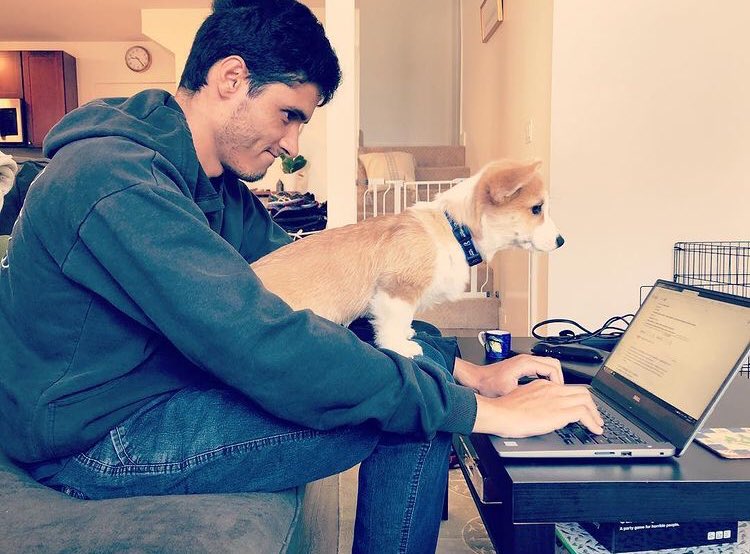
@AbiDavi23006339 @PhDVoice@AcademicChatter It is a lot of work to have a dog, but it is great to get some second opinion on my data analysis/writing. Definitely worth it during my PhD!
In our most recent paper led by @Maryam_Ghajar, we showed that treating stormwater with iron-biofilters can drastically decrease pathogen leaching in the first flush effluent, reducing the risk of microbial contamination downstream. Free download below: https://t.co/T6VV4rGU5n
High levels of arsenic were found in 100% of the Hain baby foods tested. Because policies allow companies to test only the ingredients instead of the final products, arsenic may be coming from either the food production machinery (unlikely) or the water. https://t.co/Je3NalOfSs
Reviewer #1 (Prue): This cake is delicious and the vanilla flavor, in particular, is spot on.
@GrumpyReviewer2 (Paul): The cake is under baked, the vanilla flavor is overwhelming, and the presentation is terrible. But besides that, brilliant!
#AcademicChatter#AcademicTwitter
Why does nitrate removal vary so much in stormwater control measures (SCM)? We found out that, depending on the type of SCM, both the local climate and the design of the system may be the precursors of such uncertainty. https://t.co/5M0MHq4cpq
Had the pleasure to connect and work with some excellent minds during the pandemic. This Water Research paper is one of the results of such collaborations — check it out in the link below!
Data analysis of 200+ homework assignments of sophomore students showed that the future of our environmental issues will be focused on clean air and water, while the sustainable lifestyle will be shaped around renewable energy. My first LinkedIn article: https://t.co/B0BLNSl3QH
Had a great time yesterday attending & presenting at the “Rain or Shine” Symposium organized online thanks to @CWH_org — it was inspiring to listen to great minds/leaders talk about environmental policies and how to get the community more involved with environmental issues
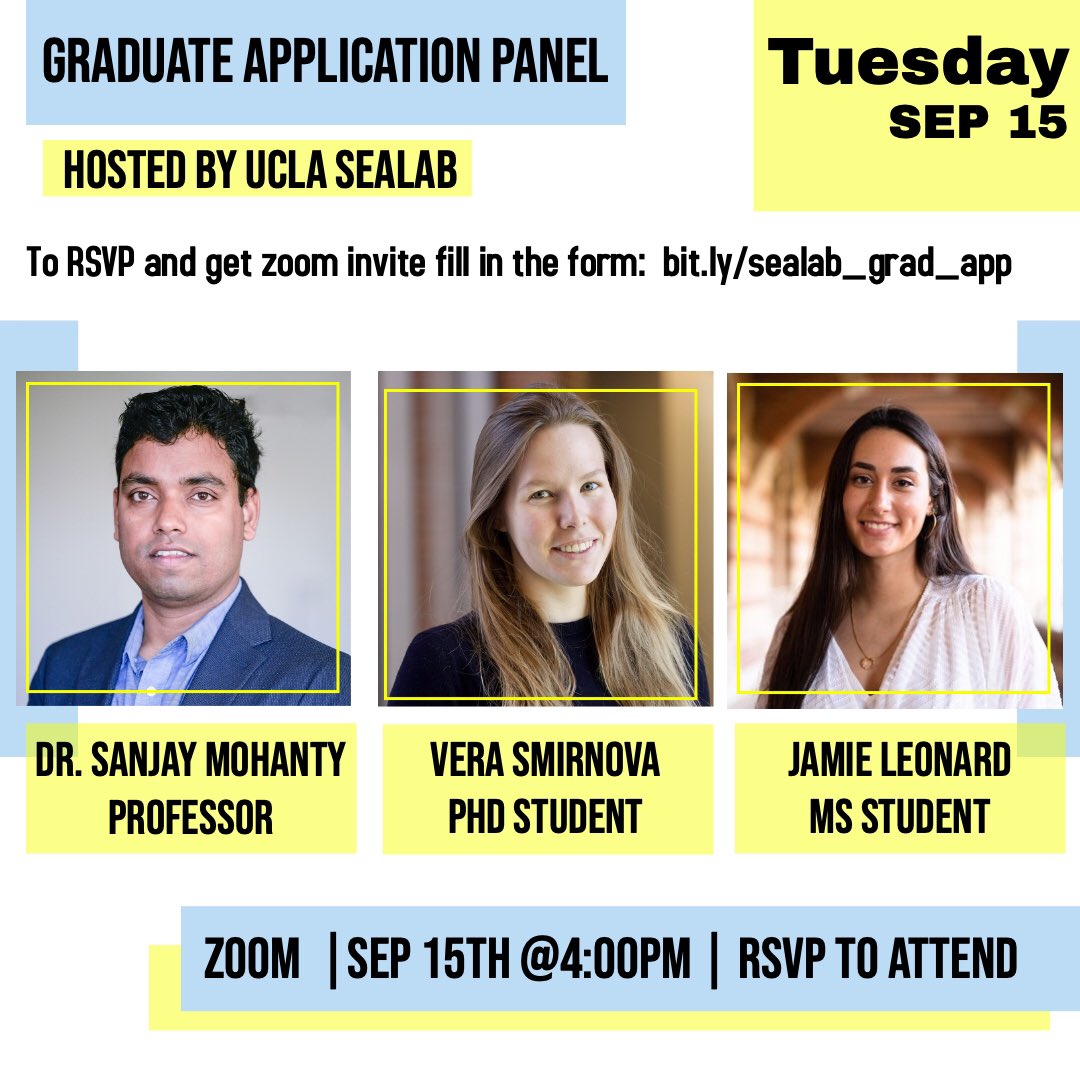
Pandemic makes it harder for students to learn from peers and prepare for grad school applications. So SEALab members are stepping up to help students who may need it. If you are one of those, sign up https://t.co/8cNilVfnnf. #gradschool
Pantanal is the world's largest tropical wetland: larger than 29 US states together. Yet, little attention is given to this ecosystem. Wildfire -- a worldwide hurdle -- keeps threatening all living organisms there, from the soil to the birds: https://t.co/ocRdAueZHc