일본의 민주 시민들은 고립되어있다.
NHK같은 언론이 그들을 철저히 외면하고 있다.
한국의 민주 시민들이 그들과 연대해야 하고 이 활동을 널리 알려야 한다.
그들의 주장은 이렇다.
-평화헌법 수호
-치안법 반대
-중일 우호, 한일 우호
우리편이다. 돕자.
#nottoday, #dropbassnotbomb,
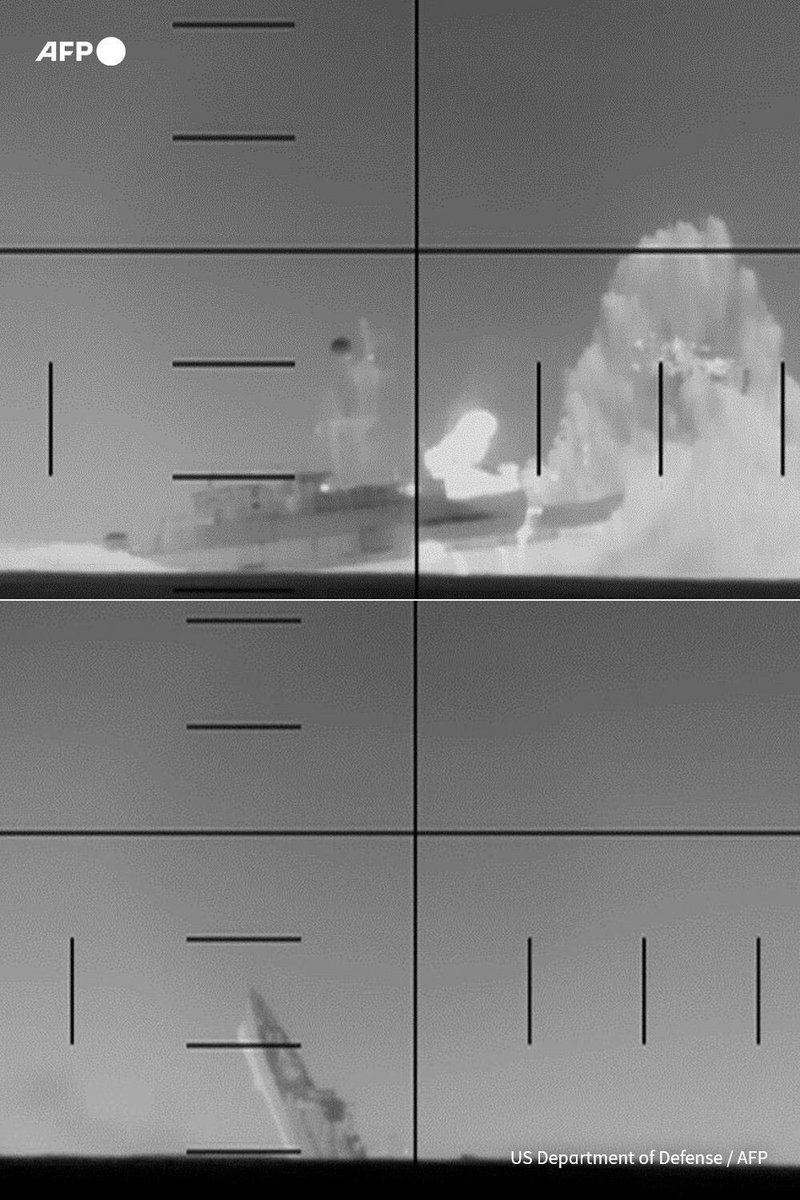
An Iranian warship attended India’s naval peace exercise. International protocol required it to carry no ammunition. Returning home through a war zone, it requested asylum at a Sri Lankan port. The port authorities waited 11 hours before responding. During those 11 hours, a US submarine arrived and sank it 40 kilometers off Galle. Eighty-seven sailors are dead.
Those are the verified facts. Everything after them is a question that three governments are refusing to answer.
IRIS Dena departed Visakhapatnam on February 25 after completing India’s MILAN 2026 exercise, the Indian Navy’s flagship multilateral cooperation event involving 74 nations and 42 warships. The no-ammunition rule that governs MILAN participation meant IRIS Dena was sailing toward a war in its home waters without its weapons systems loaded. Iranian Navy personnel, invited guests of the Indian Navy eight days earlier, were on a ship that could not fight back. Indian authorities confirmed this directly: the vessel was defenceless by the rules of the exercise that India hosted.
When IRIS Dena requested emergency berthing at Galle, it was not requesting a port visit. It was requesting survival. A warship whose home country is under active US bombardment, whose navy has been described by the US President as having been entirely destroyed, was asking a neutral state for eleven hours to grant what maritime law describes as a fundamental obligation. The Sri Lankan Parliament’s opposition demanded an answer this week: why did authorities not respond in time? No government answer has been provided.
What makes the timing question impossible to dismiss is the distance arithmetic. The US submarine that fired the torpedo was operating in the Indian Ocean. IRIS Dena was stationary, or near-stationary, waiting offshore. The eleven hours of delay coincided with the window required for a submarine to close on a position from a tracking solution established when IRIS Dena departed Indian waters. Whether that convergence was coordination, coincidence, or intelligence sharing is not established by any public evidence. But the Indian Navy’s official statement, issued after the sinking of a ship that had been its guest for seven days, contained no condemnation of the attack, no reference to MILAN, and no mention of the United States. That silence is a geopolitical statement even if it is not a confession.
IRIS Bushehr, a second Iranian Navy supply vessel that participated in the same exercise, is now positioned approximately ten nautical miles off Colombo, carrying 270 crew. Sri Lanka has denied it port access. It is sitting in international waters in an ocean where the United States has demonstrated it will sink Iranian naval vessels without warning.
The question being asked in Tehran, Colombo, and New Delhi is the same question every non-aligned nation in the Indo-Pacific is now asking: if attending India’s naval exercise makes your warship a target on the way home, what exactly does India’s invitation mean?
https://t.co/ULBgEzZ3A8