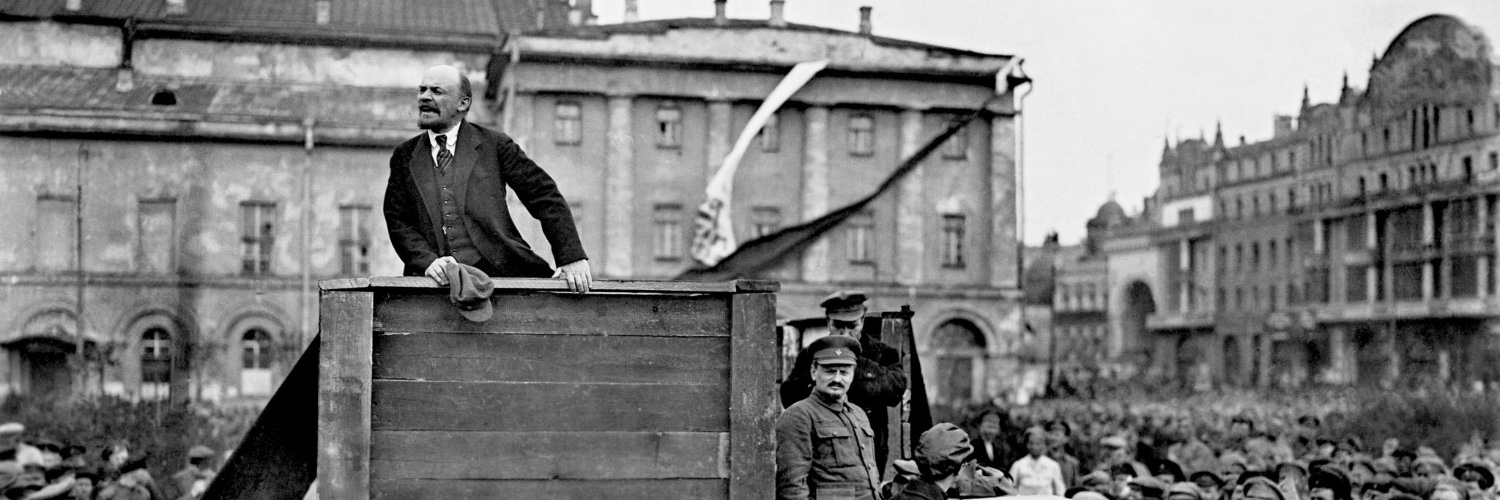
“Do not allow yourselves to be deluded by the abstract word ‘freedom’. Whose freedom? It is not the freedom of one individual in relation to another, but the freedom of capital to crush the worker.”
- Karl Marx, On the Question of Free Trade 1848
bro kalian hidup di negara gamau dipajakin terus negara jalannya kek mana? aku setuju kalo government spending masih reckless, tapi gamau bayar pajak itu bodoh sih. soalnya tax to gdp ratio kita masih rendah, cuma 9%. fyi, ratio nordic countries itu 40%.
@xahxax@racun_online_@ekualisasi@ikanatassa@DitjenPajakRI gdp to tax ratio indonesia itu masih rendah bgt, cuman 9%. jd kalo dibilang apa masih kurang rakyat dipajakin, ya kurang bgt lah. tax collection yg rendah jdnya negara terpaksa ngutang utk spending, keseringan ngutang mayoritas porsi apbn habis buat bayar bunga yg rugi rakyat jg
lucu bgt ga suka biologi karna banyak hapalan. you’re not supposed to memorize all those latin names 😭. it’s the study of life, arguably the most unique phenomenon in the universe. let your curiosity runs wild and go from there.
hampir semua skripsi baik stem atau ilmu sosial itu derivative dan ga guna and it’s okay, kalian ga dituntut utk jadi peneliti senior dgn pengalaman penelitian 20 tahun.
orang-orang bilang ini ga guna as if average skripsi STEM bukan "Pemanfaatan Kulit Durian untuk [some random bullshit yang ga profitable untuk produksi skala besar]"
@RaccoonOfFiume@JustATestbed “The lumpenproletariat, the social scum, that passively rotting mass thrown off by the lowest layers of the old society…” directly from the manifesto.
@JustATestbed@RaccoonOfFiume the word you’re looking for is maybe unproductive labourer because pns is definitely not lumpen. lumpen are people who have no jobs (beggars, thieves, sex workers etc)
The Communist Party of China has $125 TRILLION in assets. Their state owned enterprises generate $11 TRILLION in annual revenue.
State ownership in China accounts for 60% of assets and 50% of revenue, and you still believe the propaganda that China is capitalist.
Marx never denies that supply and demand affect market prices. But he is asking a fundamentally different question: once supply-demand fluctuations are abstracted away, what explains the social magnitude around which prices move?