Super rare melanistic servals spotted in the wild
Melanistic servals are extremely uncommon wild cats with unusually dark coats caused by excess pigmentation, a genetic trait known as melanism.
Because of their elusive nature, sightings of the animals are incredibly rare.
Italian photographer Valerio Minato waited six years to capture the perfect alignment of the moon, a mountain, and a basilica
This image earned NASA’s Astronomy Picture of the Day, recognizing Valerio Minato’s years of planning and precision.
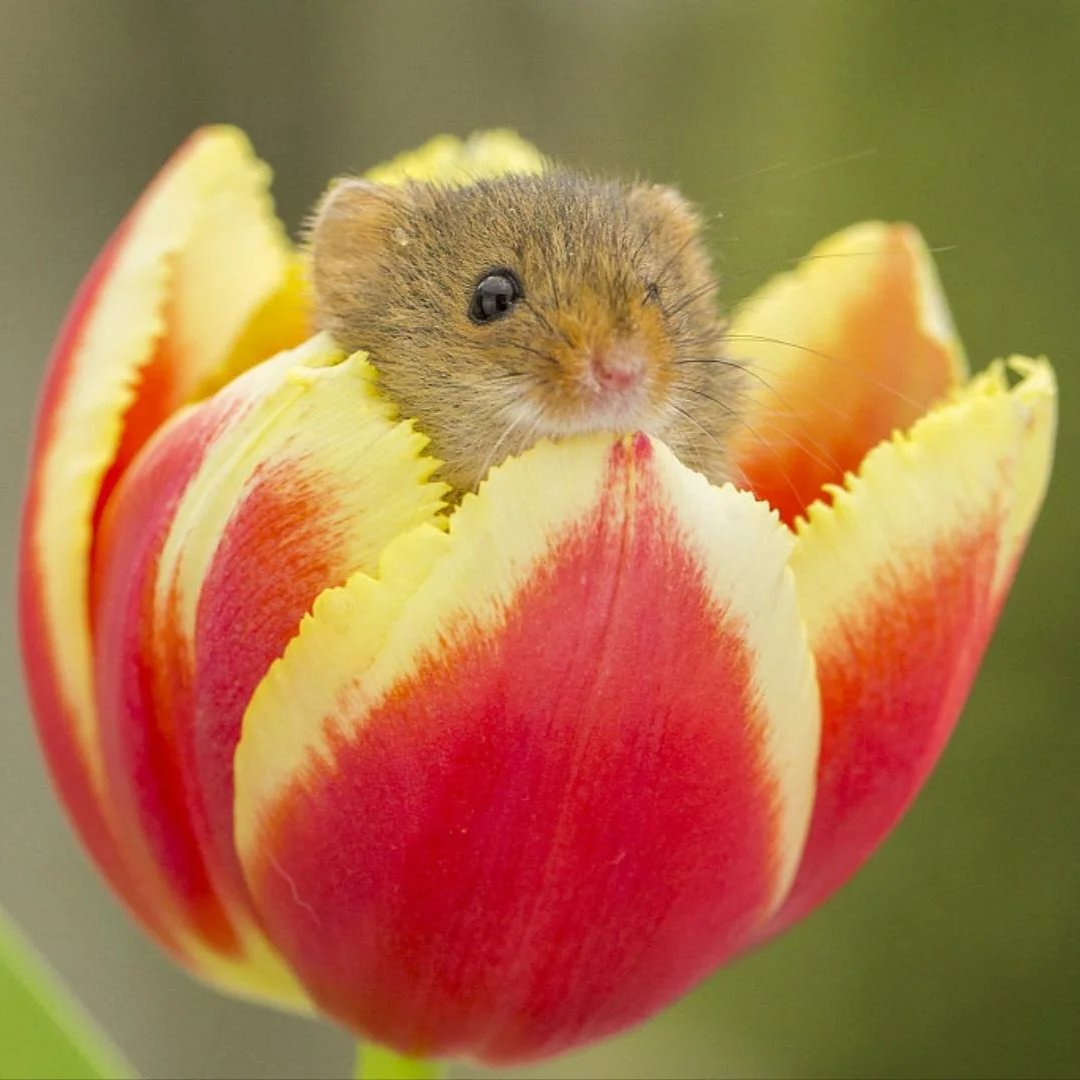
A harvest mouse can literally fit inside a tulip.
These tiny mammals weigh less than a quarter of an ounce, making them light enough to perch inside delicate flowers without bending the stem.
The clouded leopard has the largest canine teeth relative to body size of any wild cat.
Its two-inch fangs are comparable in length to those of a tiger despite being far smaller in size.
They also have highly flexible ankles that let them climb down trees headfirst and even hang upside-down from branches.
This lutino budgie looks less like a bird and more like a tiny flying tennis ball.
Its bright yellow feathers and puffed-up appearance can make it look almost perfectly spherical while resting.
Grasshopper infected and consumed by Cordyceps fungus
Cordyceps is a parasitic “zombie fungus” that infects insects and other arthropods, eventually killing the host and growing from its body to release spores.
Glorious Moss Cover, Iceland
Iceland’s harsh volcanic landscape provides perfect conditions for mosses and lichens, which blanket lava fields and rugged terrain across much of the country.
A male Ezo sika deer in Japan after surviving a brutal fight with a rival, with the remains of the other deer still tangled in its antlers
Male sika deer often battle during mating season to compete for territory and mates, sometimes locking antlers so violently they become trapped together
The Japanese bee fly (Bombylius japonicus) - one of the inspirations behind the Pokémon Cutiefly.
Bombylius japonicus is a fuzzy, bee-mimicking fly native to Japan that feeds on flower nectar and helps pollinate plants. Despite its bee-like appearance, it is actually a species of fly known for its hovering flight and long feeding tube.
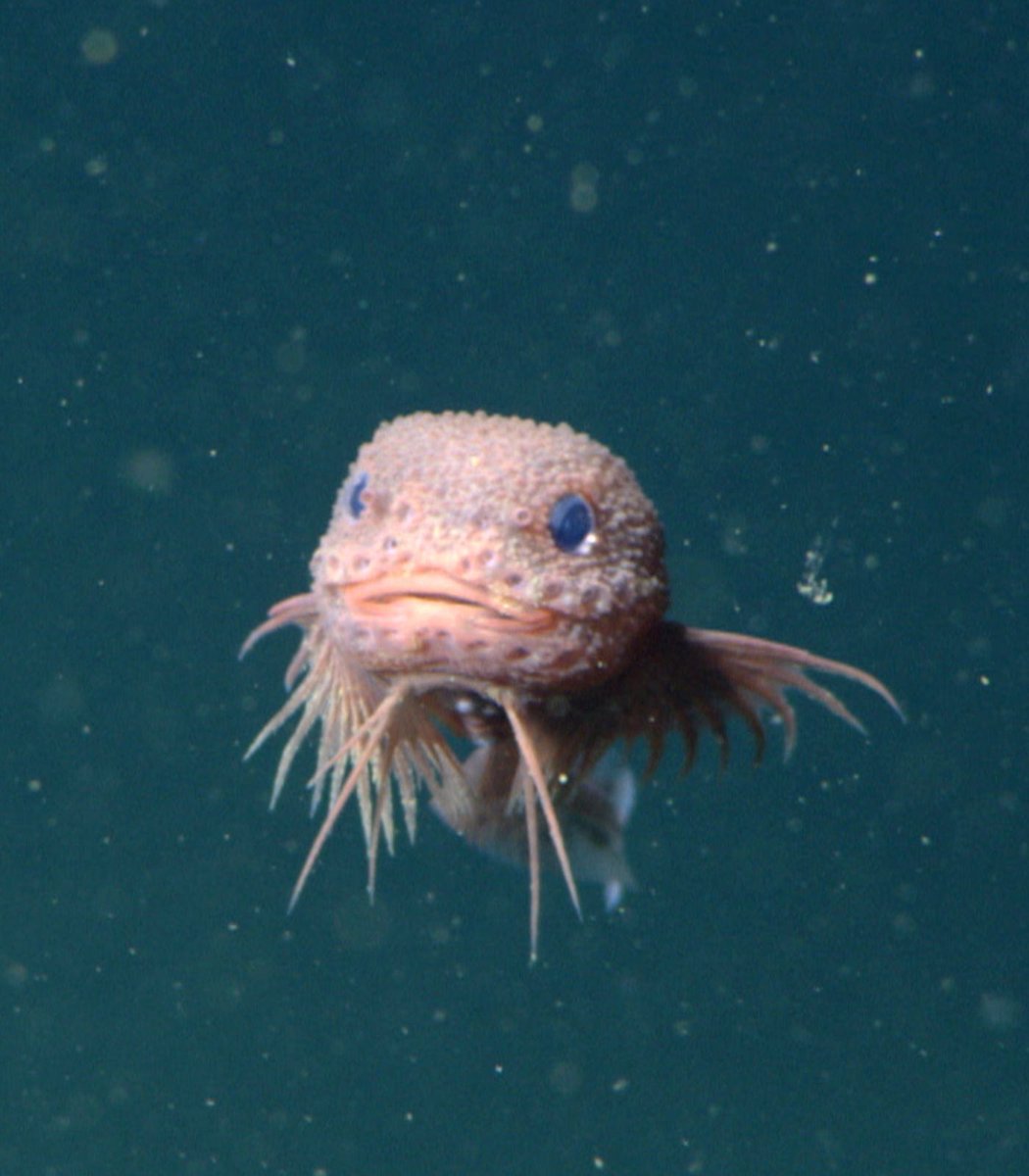
Marine biologists discovered a new species of fish known as the Bumpy Snailfish.
The deep-sea species is recognized for its soft, translucent body and unusually bumpy skin, adaptations that help it survive the extreme pressure and freezing temperatures of the deep ocean.
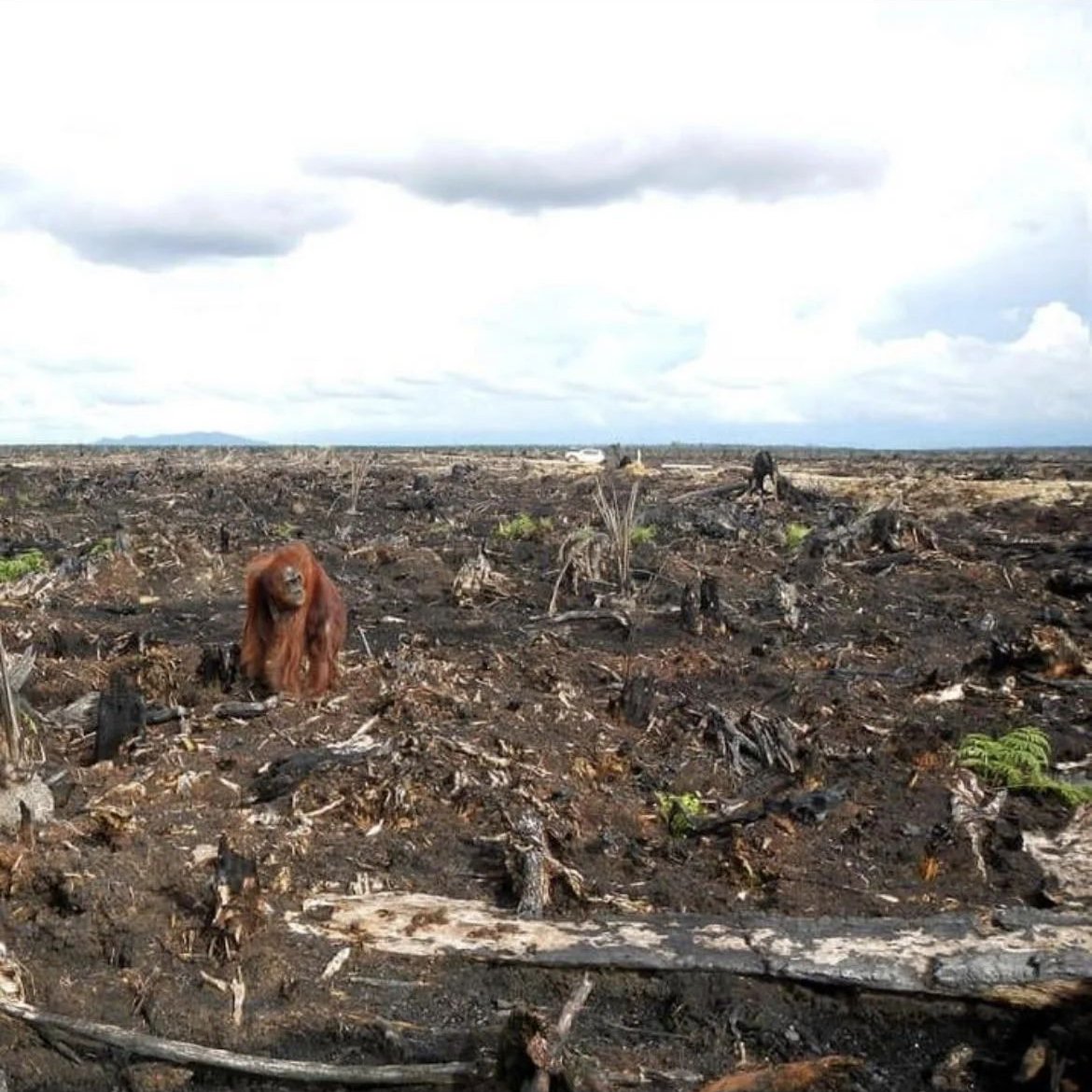
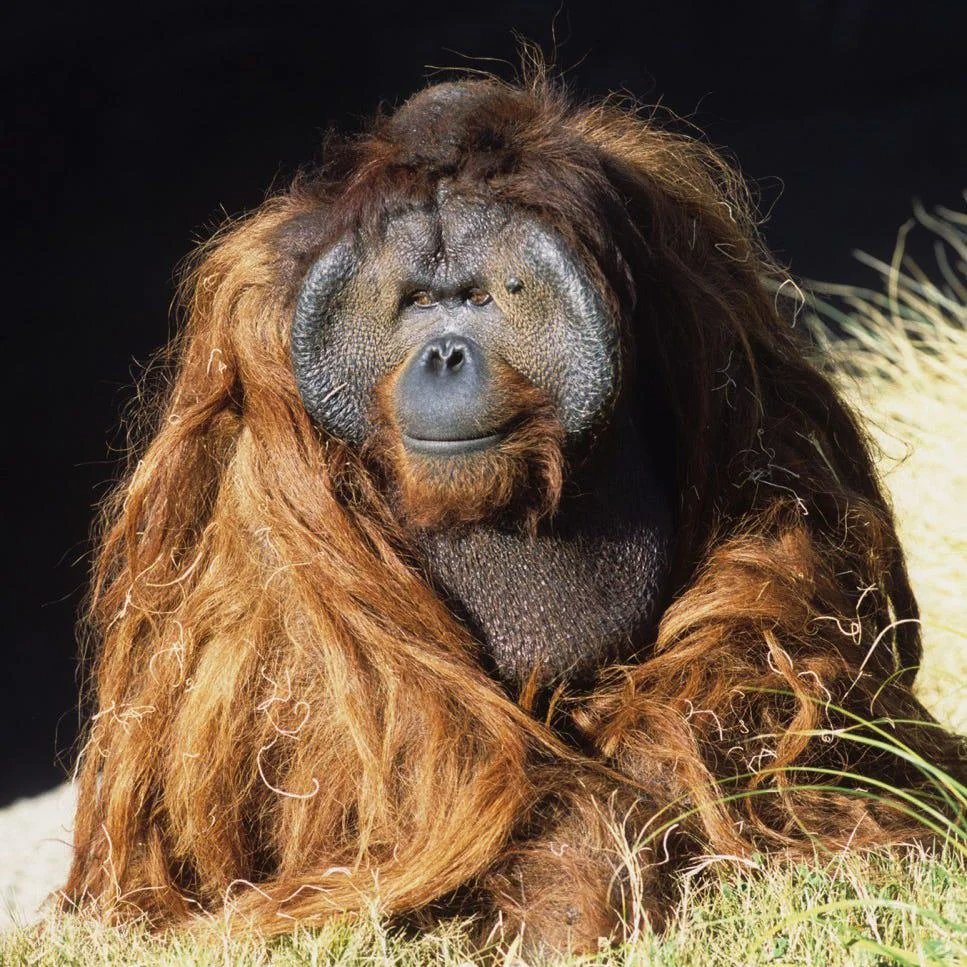
Ken Allen, the orangutan from San Diego Zoo, escaped his enclosure 9 times in the 1980s.
His apparent goals were visiting other animals, throwing rocks at a despised orangutan rival named Otis. He never acted aggressively towards anyone during his escapes.
The upper jaw of the sperm whale, earth’s largest predator, has no teeth at all, only hollow pits where the teeth of the lower jaw fit snugly.
Sperm whales use their massive teeth mainly for grabbing prey like giant squid, which they hunt deep beneath the ocean’s surface.
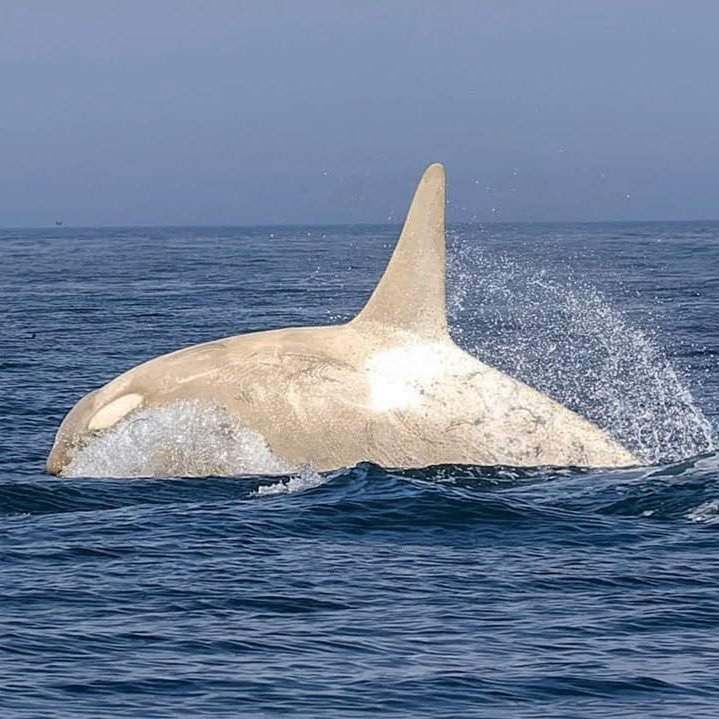
A rare white orca was photographed off the coast of Hokkaido, Japan.
The unusually pale killer whale is believed to have leucism or albinism, rare genetic conditions that affect pigmentation and make sightings like this extremely uncommon.
Wild cannabis grows naturally across parts of the Indian Himalayas
Particularly in remote regions of Himachal Pradesh and Uttarakhand, where the plant has thrived for centuries in the mountainous climate.
Whatever is happening here, the snails seem very committed to it.
Many land snails have both male and female reproductive organs and mate by exchanging sperm with each other.
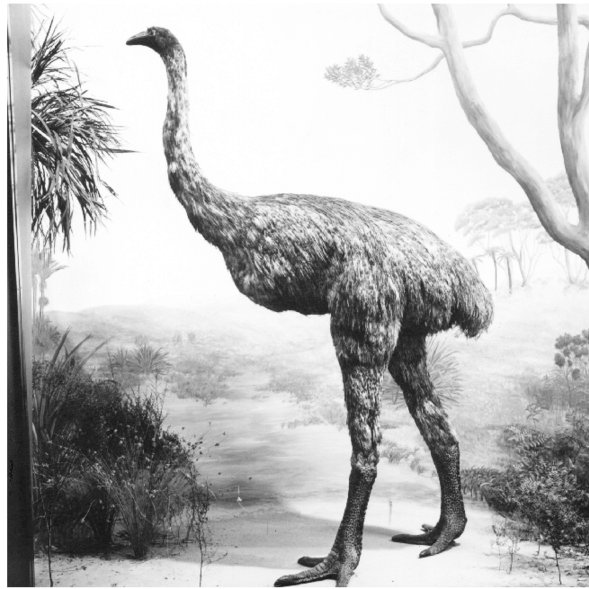
Scientists successfully hatch chicken chicks from 3D-printed eggs as part of efforts to revive the extinct giant moa bird.
The giant moa was a massive flightless bird native to New Zealand that could stand up to 12 feet tall before going extinct roughly 600 years ago.