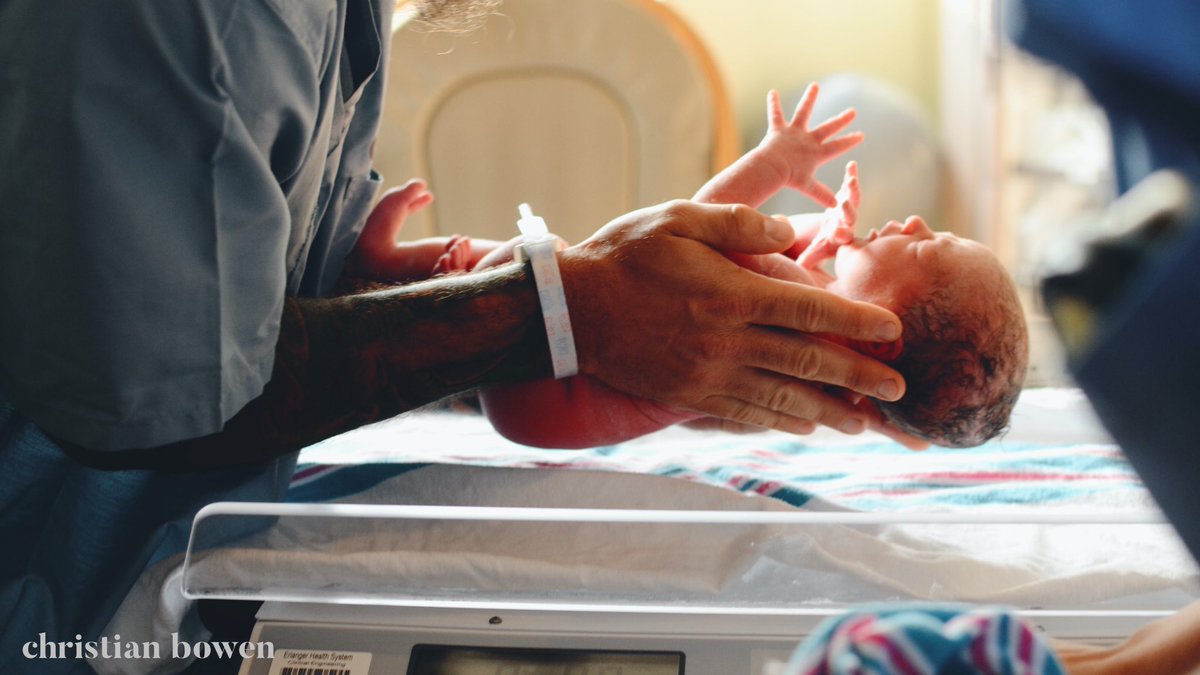
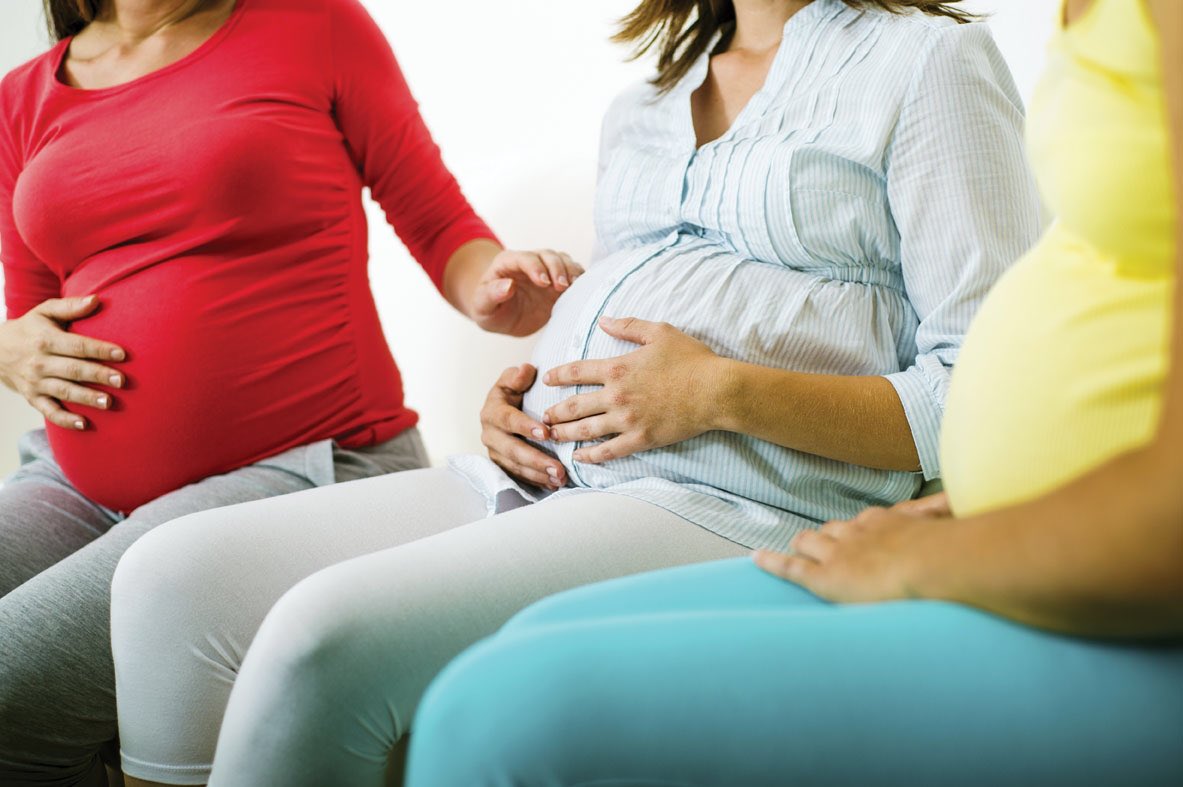
Right From the Start tweets to share what >7,900 women who joined the cohort volunteered to help us do: get answers to questions about early pregnancy health, so we can pass along what we learn from them: https://t.co/wzrlvT42Qm
#Epitwitter#DataScience#Genetics Pls RT! 🙏🏽
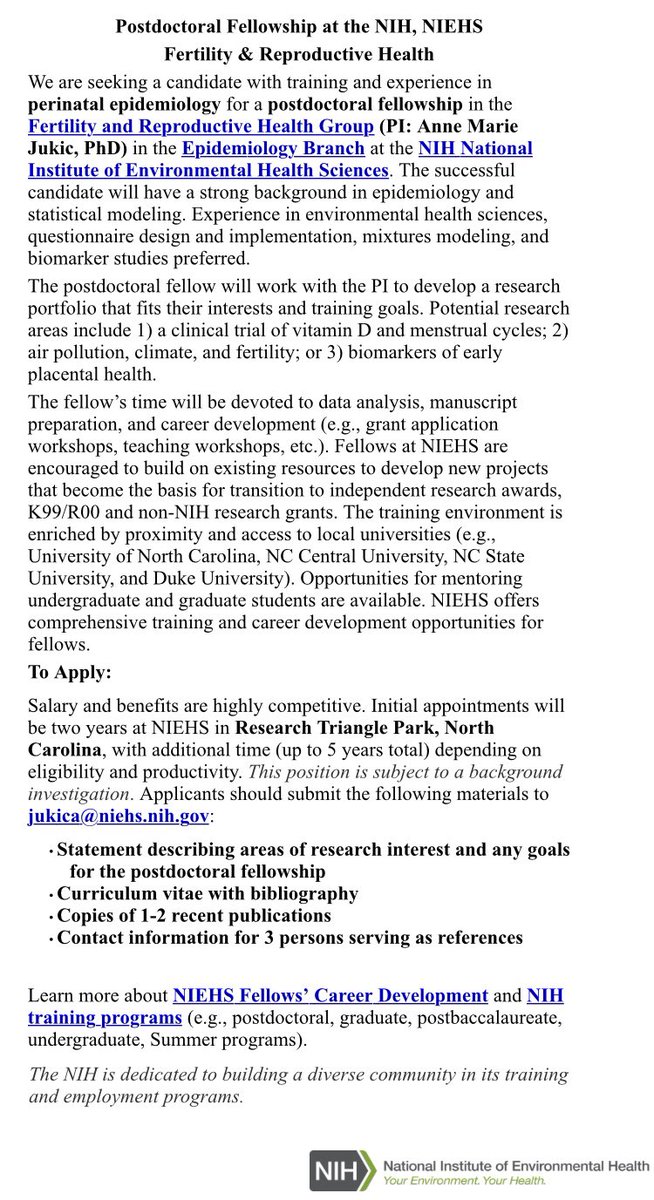
In need of post-doc, staff scientist, & data beast 🤪
Are you into >= 1 topics👇🏾:
-pregnancy complications
-cardiovasc outcomes
-causal inf, MR, mediation
-admixture mapping
-big data, team omics
-epi/data sci
Come join us! Det👇🏾
Two Vanderbilt faculty have received an $8 million grant from @NIH to study infant and child brain development. The study will be conducted over at least 10 years and will track a cohort of women and their children from pregnancy to early childhood.
https://t.co/tvYMHAb0vs
Medical people be like “oh just have your kids in x year of training” as if conceiving is as simple as snapping your fingers & infertility amongst physicians isn’t a rampant issue, as if we aren’t literally doctors who should & do know better
Not clear this message about accumulating risk of #miscarriage from alcohol use in early pregnancy is reaching women & care providers. While alcohol consumption is increasing at a population level, key to know to skip even the occasional drink if planning #pregnancy.
Digging in stat methods for 1st trimester pregnancy. Nifty alignment: 1) [Method] Taking into account arrest of embryo development to correctly classify exposure time: https://t.co/ipVcORx4ZS
Deployed with elan in trending paper about alcohol & miscarriage (cited in comment).
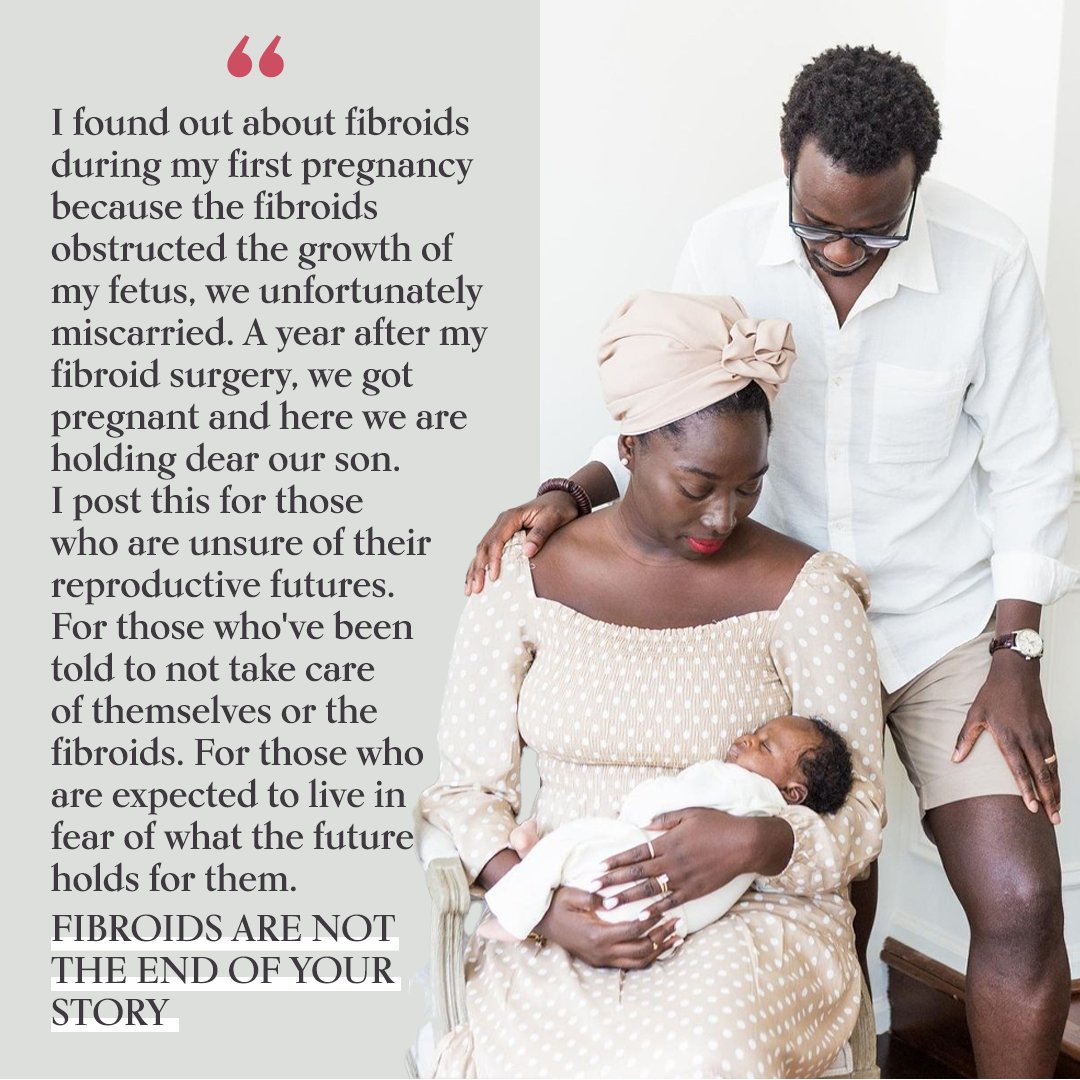
Our deeper dive into #fibroids and subtypes of #pretermbirth just snuck into e-print (open source): https://t.co/NN4HNpTgH5. Supplements our earlier look at gestational age and birthweight (https://t.co/FVO8lGDdcM) in the @RFTS_Study. Abstract below; still reassuring.
Spoiler alert: new @RFT_Study paper in press with greater detail about #fibroids & by subtypes of #preterm birth. More reassurance of no apparent link to preterm labor, preterm premature rupture of membranes, or delivery for maternal/infant indications.
Finding work-life balance is tough enough without the added challenges of miscarriage, infertility, and unsuccessful adoption.
This month in @cenmag I share my story and ideas for what institutions can do to ensure that nobody has to suffer in silence.
https://t.co/BZn50oG1sl
Links to this family of scientific papers about alcohol & risk of pregnancy loss:
Week-by-week Alcohol Consumption:
https://t.co/6oqML5CBrG
Meta-analysis about alcohol and miscarriage risk:
https://t.co/phUSO0faIa
Pregnancy intention and alcohol use:
https://t.co/7lVm7loh9i
Thanks for sharing the message to stop drinking alcohol when planning a pregnancy. Risk begins as early as 29 days from prior period, around the time of earliest pregnancy testing. If not planning but you could be pregnant, test early & stop.
#healthpregnancy#preventmiscarriage
A new study shows again the increased risk of miscarriage when drinking alcohol in pregnancy. It's key to avoid alcohol if trying to get pregnant. Taking early pregnancy tests helps. Choose to avoid alcohol to #PreventFASD & create brighter tomorrows
https://t.co/Imgy6wOCp9
Thank you Discover Magazine for sharing our findings that fibroids do not elevate risk of preterm birth or low birthweight for large majority of those with #fibroids: https://t.co/prJJa0ONpq. Helps reduce concern about a common condition with more #evidence.
#pregnancyhealth
New RFTS analysis examines infant weight & gestational age at birth between women with & without fibroids. Finds no meaningful differences in infant outcomes overall; possible 2-12oz lower birthweight among those with >=3 fibroids: https://t.co/JldwgKHzMp
#pretermbirth#fibroids
@VUMC_MD @Hartmann_KE@AJOG_thegray Thanks for helping to get the word out, key papers include:
Week-by-week alcohol consumption & miscarriage:
https://t.co/uadM1gueGJ
Meta-analysis on alcohol and miscarriage risk:
https://t.co/pWjltetzjt
Pregnancy intention and alcohol use patterns:
https://t.co/0RnPD2Mae0





![hypothesis_a's tweet photo. Digging in stat methods for 1st trimester pregnancy. Nifty alignment: 1) [Method] Taking into account arrest of embryo development to correctly classify exposure time: https://t.co/ipVcORx4ZS
Deployed with elan in trending paper about alcohol & miscarriage (cited in comment). https://t.co/UUgWIWQHyq](https://pbs.twimg.com/media/EfdohP9WkAA1zwN.jpg)