1/ Sé que medio mundo se encuentra atrapado por el canto de La Odisea de Nolan, pero es que yo quería hablar de “La muerte de Robin Hood”, de Michael Sarnoski, una de las películas más inquietantes y más oscura basada en una obra clásica que he visto en los últimos años.
Un 22 de julio de 1962, el líder fascista británico Oswald Mosley, intentaba realizar un mitin en la Trafalgar Square de Londres... los antifascistas se organizaron, asaltaron el escenario, lo expulsaron a palos y obligaron a los fascistas suspender el mitin.
Así se combatía al fascismo antes, ahora a los antifascistas se les llamaría terroristas y se pide respetar las "ideas" de los fascistas, se les da altavoz y se debate con ellos.
El fascismo es un crimen y llevó a la humanidad a una guerra mundial con más de 50 millones de muertos, no es "una opción electoral" a respetar, es una lacra que debe ser erradicada y jamás tolerada.
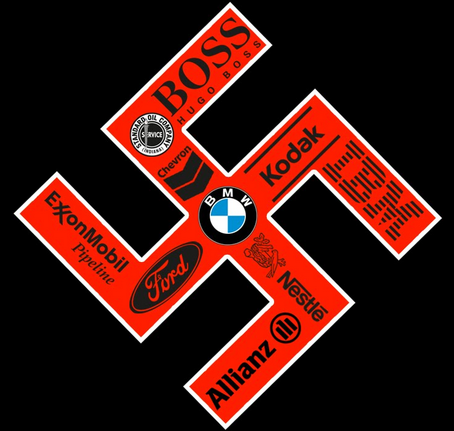
La Iglesia Católica y los grandes capitalistas apoyaron al nazismo
En Alemania fueron los grandes industriales de la BASF, Bayer, Agfa, Opel IG Farben, Siemens, Allianz, Telefunken los que diseñaron y financiaron a los nazis. Los capitalistas alemanes veían a Hitler como a un dirigente que no dudaba en tomar las medidas que la situación requería. Era el partido idóneo para acabar con los sindicatos, organizaciones y partidos obreros y cualquier tipo de oposición; necesitaban crear tal grado de terror que permitiera rebajar los salarios hasta el nivel de subsistencia para desarrollar la maquinaria de guerra con la que pretendían expandir su dominio.
Después de que el apoyo político y financiero sin reservas de la alta burguesía alemana hubo posibilitado el ascenso al poder de Hitler, los capitalistas norteamericanos comprobaron cómo los nazis eran unos fieles defensores de la propiedad privada y del sistema capitalista. Los capitalistas americanos estaban particularmente impresionados por las medidas adoptadas por Hitler: Lo primero que hizo, nada más llegar al poder en 1933, fue eliminar los partidos políticos socialistas y comunistas y disolver los sindicatos de trabajadores.
El rearme de Alemania en los años 30 fue realizado con la aportación de capital de EEUU. Casi el 80% de los créditos a largo plazo provenían de este país. Alemania no poseía más que el 25% de las materias primas estratégicas, cerca del 50% de importaciones de materias primas y material estratégico provenía de EE.UU., Inglaterra y Francia. El principal proveedor de petróleo en los inicios de la guerra en 1939-40 era EE.UU.
Empresas como Coca-Cola en Essen, General Motors en Russelheim, Ford en Colonia, IBM en Berlín o el socio alemán de la Standard Oil, IG Farben, todas de capital estadounidense fueron florecientes industrias bajo el régimen de Hitler. En 1939 General Motors y Ford juntas controlaban el 70% del mercado alemán del automóvil y se les confió el suministro al ejército alemán de toda clase de material necesario para la inminente guerra; a nivel de tecnología informática, fue IBM la que adquirió un gran desarrollo durante la época nazi y también en plena guerra. Por no hablar de la admiración, nunca ocultada, de Ford hacia Hitler y sus métodos o del Presidente de la General Motors que tras una visita realizada en 1933 describiría la Alemania nazi como el milagro del siglo XX. Otro ejemplo del “antifascismo” del que después harían gala todos estos capitalistas como paladines de la “democracia”, fue el papel de la Texaco estadounidense en el avituallamiento y el envío de petróleo para las tropas fascistas en España.
Por su parte, la Iglesia Católica tampoco dudó en alinearse con el fascismo. Ya en los años veinte, el Vaticano había apoyado entusiasmadamente al régimen de Mussolini. El Duce no había llegado al poder gracias a la orquestada marcha sobre Roma, que no fue más que un circo, sino gracias al apoyo directo del Papa, de Humberto de Saboya, a la sazón rey de Italia, del ejército, de los terratenientes y capitalistas italianos. La opinión favorable sobre el fascismo se reveló claramente en el Concordato firmado con la Alemania nazi el 20 de julio de 1933, apenas medio año después de la subida al poder de Hitler. Fue una iniciativa del cardenal Eugenio Pacelli, el germanófilo nuncio papal en Alemania que más tarde sería Pio XII.
Este concordato fue el primer gran triunfo diplomático de Hitler y legitimó su régimen a los ojos de los católicos alemanes. A partir de ahí la Iglesia en general siguió el ejemplo del Vaticano y proclamaron abiertamente sus simpatías por el fascismo. En España la simbiosis entre fascismo e Iglesia fue muy clara; y no se circunscribió solo a un apoyo moral sino que participaron en el expolio, la represión y el asesinato de miles de antifascistas. Fueron curas y monjas, los que se hicieron con el control de las cárceles y centros de detención.
50. Avui faig mig segle. 😬
Ja sóc vell: ja puc parlar de mi mateix en termes de "segles", com si fos un edifici antic. Això és depriment i per a compensar-ho m'autorregalo una molt-catalana efemèride relacionada amb Gaudí i el dia del meu aniversari (o 5 efemèrides!). Fil 🎂
Comencem. Per què vivim sota un règim constitucional il·legítim i qui en són els responsables?
Faré un filet llarg que aniré completant sobre el tema. De fet no descobriré res que no s'hagi dit però crec que convé fer un repàs del què ha passat com a punt de partida. (1)
Le han vuelto a suspender la cuenta a @nosoloviernes2.
Parece que está acertando demasiado con sus vídeos.
Por cierto, este es el que no quieren que veamos.
¿Retuiteamos?
When you eat Mexican food, your brain releases endorphins and dopamine. Capsaicin, the compound in chili peppers, binds to pain receptors in your mouth. Your brain reads this as a threat and counters with feel-good chemicals. The burn in a good salsa triggers the same pathway as a runner's high.
This is all happening on top of a food tradition more than 3,000 years in the making. The tortilla in a chicharron taco exists because of nixtamalization, a process Mesoamerican cooks developed roughly 3,200 years ago. Corn kernels are soaked in lime water, which releases niacin, a B vitamin that corn otherwise locks away in an indigestible form. Without this step, corn-heavy diets cause pellagra, a B-vitamin deficiency that killed around 7,000 Americans per year at its peak in the early 20th century. Southern sharecroppers were eating corn without the process Mexico had preserved for three millennia.
In 2010, the UN added Mexican cuisine to its Intangible Cultural Heritage list, the first year any national food culture had ever qualified. The application covered seed preservation, farming customs, ritual preparation, and thousands of years of cooking knowledge passed through communities.
The diversity inside that designation is hard to picture. Mexico has 59 varieties of heirloom corn, more than 60 distinct chili pepper types, and 32 states with cuisines different enough that Oaxacan mole negro (a dark sauce from dried chili and chocolate) and Yucatecan cochinita pibil (slow-roasted pork in a smoky red spice paste) share almost no ingredients. Oaxaca alone has more than 20 types of mole. Mole poblano uses more than 20 ingredients, including several chili varieties, dark chocolate, and cinnamon, in a single sauce.
Chicharron fires three systems at once. Fat carries flavor deep into the palate. The crunch comes from pork skin dried, then dropped in 375-degree oil. The trapped moisture turns to steam, puffs the skin, and produces thousands of flavor compounds through the same browning chemistry that makes coffee and seared meat smell incredible. Then the salsa lands capsaicin on top of everything and the dopamine kicks in.
The "best food ever" reaction has a chemical basis. You are tasting dopamine from capsaicin, browning chemistry from pork fat at high heat, and a tortilla built on a process 3,200 years old. These flavors were engineered to do exactly this.
No encaja para nada con mi visión de la moralidad pero os cuento la que tiene la filósofa y novelista Iris Murdoch, según este artículo. Para ella, la moralidad no consiste principalmente en seguir reglas, cumplir deberes o tomar decisiones imparciales, como proponía la filosofía moral moderna (especialmente Kant). En cambio, la moralidad gira en torno al amor atento o “atención amorosa”. Según Murdoch, lo más importante no es lo que hacemos por fuera, sino cómo vemos a las demás personas. Nuestra manera de percibir a los otros determina cómo actuamos con ellos. El gran enemigo de una visión moral correcta es el ego, ese yo que distorsiona la realidad, inventa fantasías y nos hace ver a los demás a través de prejuicios, celos, resentimientos o ideas preconcebidas.
Para ilustrar esta idea, Murdoch cuenta la famosa historia de la suegra M y su nuera D:
Una señora mayor llamada M tiene un hijo casado con una joven llamada D. Al principio, M siente un fuerte rechazo hacia D. En su mente la ve como una chica vulgar, ordinaria, sin refinamiento ni dignidad. Le parece impertinente, demasiado familiar, mal vestida, con un acento desagradable y excesivamente juvenil y superficial. M piensa que su hijo se ha casado por debajo de su nivel y que D es inferior a él.
Sin embargo, M es una mujer muy educada y correcta. Por eso, aunque por dentro siente desprecio, nunca lo demuestra. Se comporta de forma impecable con D: es amable, educada y atenta. Desde fuera, nadie podría imaginar que M tiene esos pensamientos negativos. Un día, M, que es inteligente y capaz de autocrítica, se da cuenta de que su visión está contaminada por snobismo, celos y prejuicios. Entonces decide hacer un esfuerzo consciente: “Voy a mirar a D de verdad, sin filtros egoístas, con atención y buena voluntad”.
Practica lo que Murdoch llama atención amorosa: observa a D con paciencia, generosidad y humildad, dejando de lado su propio ego. Poco a poco, su percepción cambia por completo. Lo que antes veía como vulgaridad ahora lo ve como sencillez y naturalidad. Lo que le parecía falta de dignidad ahora le parece espontaneidad y frescura. Lo que consideraba impertinencia ahora lo interpreta como sinceridad directa. Lo que antes le resultaba cursi y juvenil ahora le parece alegre y encantador.
M no cambia su comportamiento externo (porque ya era correcto), pero transforma radicalmente su visión interior de D. Ahora la ve como una persona valiosa, digna de respeto y cariño.
Para Murdoch, este cambio interno es el verdadero acto moral. No basta con portarse bien por fuera; lo esencial es aprender a ver correctamente a los demás, superando el egoísmo y las fantasías personales.
Murdoch toma el concepto de “atención” de la pensadora Simone Weil, para quien la atención es una forma rara de generosidad: vaciarse de uno mismo para dejar que la realidad del otro aparezca tal como es. Inspirada en ella, Murdoch defiende que el amor no es un sentimiento romántico opcional, sino la base misma de la ética. Solo cuando miramos a los otros con atención amorosa podemos escapar de nuestra ceguera egoísta y actuar con verdadera justicia y bondad.
En definitiva, el artículo presenta la propuesta de Murdoch como una forma más humana y profunda de entender la moral, no como un conjunto de reglas frías, sino como el esfuerzo constante por ver la realidad y a las personas con claridad, justicia y amor.
Israel no es solo un aliado de EE. UU.: es una colonia con un papel concreto en Asia Occidental.
Daniel Lobato @lobatobdan analiza la metáfora del rabo y el perro para explicar la acumulación de riqueza y el rol subimperial de Israel.
Mesa completa: https://t.co/eMmOdbZHqZ
#ElViejoTopo #LaMesaEVT #Israel #Palestina #EEUU
Hoy ha fallecido El Cabrero, la voz revolucionaria del pueblo andaluz.
"Con la fuerza de un volcán
el pueblo se está quejando,
con la fuerza de un volcán,
porque ve que está pagando
las trampas del capital
y se pregunta ¿hasta cuándo?"
Your body knows a bad decision is coming long before your brain has the words for it. In 1997, scientists at the University of Iowa watched it happen, sensor by sensor, while healthy volunteers played a rigged card game.
The setup, run by neurologist Antonio Damasio, was simple. Four decks of cards on a table. Two were rigged to lose money over time. Sensors taped to their fingers tracked tiny shifts in sweat, the same signal a lie detector reads. By around hand 10, fingers started reacting when they hovered over a bad deck, before the player made a pick. People only started avoiding the bad decks around hand 40 or 50. Patients with damage to one spot in the front of the brain never developed the warning signal. Their bodies never learned to flinch.
Most of that gear lives below the neck. Your gut, throat to colon, is wrapped in its own nervous system. About 500 million nerve cells, five times what runs through your spinal cord. The vagus nerve, the main cable between gut and brain, sends about 80 percent of its traffic upward. Your gut also produces about 90 percent of your body's serotonin, the same chemical your brain uses to set mood.
Your brain blends all that with your heartbeat, breathing, gut activity, and muscle tension into one general sense of how things feel. A 2015 paper from psychologist Lisa Feldman Barrett at Northeastern University reframed how scientists understand this. In her model, your brain constantly guesses what your body should be doing next, drawing on every similar moment you've lived through, then comparing that guess against what your nerves report. A "gut feeling" is that guess showing up before the conscious part of your mind catches up.
The "physics" version, that your gut feelings are signals from your future self bouncing backward in time, traces to one paper. In 2011, Cornell psychologist Daryl Bem published "Feeling the Future" in a major journal, claiming volunteers reacted to images before they were shown. The next year, a team led by Carnegie Mellon's Jeff Galak ran the experiment again across 3,000 people in seven trials. They got nothing. Three earlier replications by other teams also got nothing. Bem's paper is now the textbook example of why scientists worry many published findings can't be reproduced.
The explanation that survives replication is built entirely from past experience. Your gut has half a billion nerve cells reading patterns your conscious mind never tracks. Most of their reports go up to a brain that already wrote a guess about how the next minute should feel. The signal arrives as a feeling because the body has no other language to speak in. Every nerve ending in that loop has been training on your past for as long as you've been alive.
El problema del teu fil, @ArantxaTirado és que confirma exactament la confusió que molts critiquem. Tu dius que no parlaves d’expressions culturals, sinó de persones que viuen i treballen a Catalunya.
Però una població resident no és automàticament un poble. Treballar i viure en un lloc et fa resident d’aquell lloc. No et converteix, per art de màgia, en membre de la comunitat nacional que l’ha fet possible.
Això no va de negar drets civils, ni d’insultar ningú, ni de fer cap judici sobre persones concretes. Va de no confondre Catalunya amb una suma administrativa d’habitants. Catalunya no és només gent que hi viu. Catalunya és una nació amb llengua, cultura, memòria i continuïtat pròpia. Si aquest centre desapareix, el que queda pot ser una societat, un mercat laboral o un cens autonòmic. Però ja no és el poble català exercint centralitat a la seva terra.
La trampa és presentar aquesta distinció com si fos xenofòbia. No ho és. És una distinció ELEMENTAL entre població i poble. Si qualsevol persona que viu i treballa a Catalunya és catalana en el mateix sentit nacional que qualsevol altra, aleshores la catalanitat ja no vol dir pertànyer a una cultura concreta. Vol dir simplement residir dins una administració. I això no integra ningú. Això dissol el subjecte català.
També és curiós que totes les arrels semblin respectables excepte l’arrel catalana quan reclama centralitat. Es pot mantenir l’arrel andalusa, marroquina, paquistanesa o llatinoamericana, però quan el poble autòcton diu que Catalunya ha de continuar sent catalana, apareixen les paraules de sempre. Purisme, inquisidors, xenofòbia, ultradreta. És el mecanisme habitual. Totes les identitats poden ser afirmades, menys la que dona nom al país.
I sobre el referèndum, precisament aquest és el punt decisiu. Si el demos és simplement tota la població administrada per l’Estat espanyol dins Catalunya, llavors no decideix el poble català. Decideix una població produïda per dècades de colonització, immigració massiva, substitució lingüística i impotència nacional catalana. Això no és autodeterminació del poble català. És votar la continuïtat o dissolució del poble català amb un cens que ja no distingeix el poble de la població.
Ningú no culpa individus concrets de tot. El que es critica és un marc polític que converteix el poble català en una nosa moral dins la seva pròpia terra.
La integració real no consisteix a exigir que Catalunya validi totes les identitats sense condicions. Consisteix a entrar en una comunitat prèvia, assumir-ne la llengua, respectar-ne el centre i entendre que aquesta terra no era un espai buit esperant ser redefinit.
La Catalunya real no és qualsevol cosa que passi a Catalunya. La Catalunya real, si encara vol ser Catalunya, ha de tenir un centre català. Sense això, la pluralitat no és riquesa. És la coartada amable d’una desaparició.
The Pentagon is beginning to soften the ground and manufacture consent for another full scale war with Iran.
First, understand that Washington is blockading Iranian ports by intercepting and turning back commercial vessels attempting to trade with Iran. The US is using this as a "strangle tactic" to cut off a massive percentage of Iran’s remaining oil revenue and food imports.
As a result, Iran has officially declared the Strait of Hormuz "closed" and warned that any U.S. military entry into the waterway will be treated as a violation of the ceasefire and met with force.
The Iranian government is avoiding any direct military confrontation with the US to prevent further escalations that may effectively signal World War 3. Instead, Tehran is utilizing a $2 billion pipeline they constructed in the Jask region in anticipation of a possible US blockade like this to sell its oil. They are still able to bypass the US blockade and are waiting for the US to move.
Washington right now is aggressively baiting Iran to strike US warships to effectively launch full scale terror against the country.
To this end, the Trump administration doubled its maritime insurance backstop from $20 billion to $40 billion through the International Development Finance Corporation (DFC). This program effectively pays commercial shipping companies to ignore Iranian warnings. By subsidizing the risk, the U.S. encourages vessels like the Louise P or the Pirima to sail into danger. When these ships are inevitably struck by Iranian drones or mines, the U.S. uses the "attack on global commerce" as a justification for expanded airstrikes. Of course, sailors and staff may die, but it is a sacrifice the US administration is willing to make.
Now, if you think this is nothing serious, please permit me to remind you that the last time the US pulled this off by doubling insurance premiums for maritime companies was during World War 1 and World War 2. In both cases, it was used to bait Germany to attack US flagged commercial vessels. This is because before World War 1 began, the British Royal Navy used its massive fleet to establish a "long-range blockade" of the North Sea.
And just like the US is doing to Iran now, the blockade was not even about guns or bullets but included food and anything that would allow the Germans to survive. Germany was not self-sufficient in food and the blockade caused massive shortages. As a result, more than 400,000 Germans died of starvation and malnutrition according to official estimates. Even as London blockaded the Germans, the US was basically shipping everything from bullets and guns to raw materials and fuel to make sure Britain maintained the blockade.
Not just physical goods or military supplies, the US banks gave Britain massive loans equivalent to $80 billion in today's currency. This amount allowed them to sustain the blockade.
This forced Germany to issue a directive to US vessels supplying equipment and food to their enemies to either halt operations or face the full wrath of the German navy. .
This was when the US government stepped in to increase the insurance premiums of these ships, practically signaling to them to go ahead and cross because the ships would be replaced if anything happened. In March 1917, three American merchant ships were sunk in a single weekend. Because these were "neutral" commercial ships protected by U.S. government insurance premiums, President Woodrow Wilson was able to frame the sinkings as a "war against all nations" and a violation of human rights. This gave Wilson the political capital he needed to ask Congress for a declaration of war on April 2, 1917.
So basically, "Project Freedom," launched today, May 4, 2026, by the US government to send guided missile destroyers and over 100 aircraft to help guide ships through the Strait of Hormuz, is clearly not based on "humanitarian grounds" as they claim.
To see this, understand that U.S. Central Command (CENTCOM) typically deploys a minimum of 4 to 6 Arleigh Burke-class destroyers to secure a "transit corridor" like the Strait of Hormuz. The cost to maintain a protective "envelope" around commercial shipping in the Strait of Hormuz using a force of 100 fighter jets and a standard pack of guided-missile destroyers is estimated at about $70 million per day. This figure is actually small. If this "guiding" operation escalates into active combat, the cost surges exponentially due to munitions expenditures and could reach $500 million to $1 billion per day. This is way more than Iran would even make in a year by simply collecting toll fees.
Now you understand that this is not about "Freedom of Navigation" but about forcing the Iranian regime into a corner where its only options are total economic collapse or a desperate military breakout.
Marco Polo arrives at Kublai Khan's court in 1275 expecting silk and spice and exotica. What he documents is the most extensive dairy culture in human history.
The question every European had been asking for fifty years: how do Mongol armies move without supply lines? How do men cover sixty miles a day, every day, for months, with no wagons trailing behind them?
Polo's answer was almost too simple to be believed. Each warrior carries leather flasks. The horses are the supply line. The horses are mobile dairy factories.
He writes: "When going on distant expedition they take no gear except two leather bottles for milk and a little earthenware pot for meat. In great urgency they ride ten days without lighting fire or taking meal. They sustain themselves on the blood of their horses, opening a vein and drinking till satisfied, then staunching it."
Blood was the emergency ration. The standard fuel was kumis. Fermented mare's milk.
Fresh milk into leather bags. Stirred a thousand times. Left to ferment for one to two days. The result: slightly alcoholic, vitamin-rich, shelf-stable for weeks, drinkable from the saddle. A warrior consumed two to three litres a day. That is a thousand to fifteen hundred calories in fermented dairy alone, before he had touched the dried meat strapped to his belt.
Complete nutrition. No cooking. No fires. No supply lines. No baggage train. Consumable while riding.
European armies, by contrast, dragged their food with them. Flour. Grain. Salt meat. Wine. Cooking gear. They stopped to bake bread. They stopped to find water. They stopped to rest the men who had been walking next to wagons. They covered fifteen to twenty miles on a good day. The Mongols covered sixty to eighty. Every day. Indefinitely.
When the Mongols crossed into Hungary in 1241, the Hungarian chronicles describe them as appearing in places they could not possibly have reached. Witnesses thought they were seeing devils. They were seeing men who had drunk their breakfast at a canter.
Friar William of Rubruck, writing in 1253: "Their drink is mare's milk prepared to taste like white wine, called kumis. They sit all day around the bag whilst someone stirs it with a stick."
And the social structure of it is perhaps the most remarkable thing. Everyone, from the Khan down to the lowest shepherd, drank kumis and ate meat daily. There was no Mongol peasant class living on grain. There was no underclass eating gruel. The whole society moved on dairy and flesh.
Rubruck describes Mongol men as broad-faced, of moderate stature but very sturdy build, with exceptional teeth despite a lifetime of fermented dairy. His own European companions, eating bread and dried rations on the same journey: tooth decay, scurvy, digestive collapse, looking thirty at twenty.
Modern analysis of kumis confirms the picture. Complete protein. Fat. Vitamin C from fermentation. The full B complex. Calcium. Probiotics. Enough calories to fuel a man and his horse across continents.
The Mongol Empire controlled sixteen percent of the earth's land surface. The largest contiguous land empire in history, built across the Eurasian steppe by men who lived on fermented horse milk and dried meat.
No agriculture. No bread. No vegetables. Dairy and meat.
They conquered the world on it.
Read that sentence again, then look at what your nutritionist suggested for breakfast.
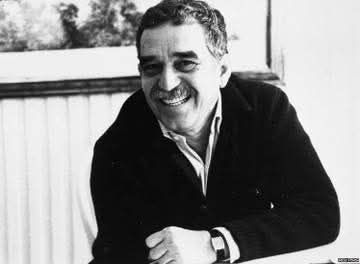
Gabriel García Márquez şunları söyledi:
Altmış yaşına ulaştıysanız, paraları saymayı bırakın ve anları saymaya başlayın.
Çünkü siz "her ihtimale karşı" tasarruf etmeye devam ederken, "her ihtimale karşı" durumlar dişlerini bileyliyor, yorulmanızı bekliyorlar ki kendinize izin vermediğiniz şeylerden faydalanabilsinler.
Zaten çalıştınız, çocuklarınızı büyüttünüz, acı çektiniz.
Şimdi sıra sende; şafağı sakin bir şekilde izle, hep ertelediğin şeyleri kendine ısmarla, en pahalı kahveyi vicdan azabı çekmeden ve gülümseyerek iç.
Çılgın girişimlere bulaşmayın ve her zaman "harika bir fikri" olan ama asla fatura ödemeyen "girişimci" oğlunuza kanmayın.
Ve lütfen: çocuklarınızla birlikte yaşamayın. Onları ziyaret edin, onlara sarılın, ama kapınızı ve huzurunuzu koruyun.
Kimsenin sorunlarını omuzlamayın. Torunlar gülmek için vardır, büyütülmek için değil; çocuklar sevilmek için vardır, ihtiyaçlarının karşılanması için değil.
Bu yaşta vücudunuza, ama özellikle de zihninize iyi bakın. Hastalıklar veya ilaçlar hakkında çok fazla konuşmayın; seyahatlerden, şarkılardan, mutlu anılardan bahsedin.
Ve eğer biri size "artık işe yaramazsın" derse, zarifçe gülümseyin... ve henüz kimsenin ne olduğunu anlamadığını hatırlayın.
Eğer biri size "artık işe yaramazsın" derse, zarifçe gülümseyin... ve bu kişinin henüz kimseye borçlu olmadan çok yol kat etmenin ne demek olduğunu anlamadığını hatırlayın. Gülün, yaşayın ve başkalarının istedikleri gibi kırgınlaşmalarına izin verin.
Zaten kazandınız: hâlâ buradasınız, dimdik ayakta duruyorsunuz, bir hikayeniz ve tarzınız var.
Ve bu, gerçekten de bir ayrıcalık!
Gabriel García Márquez
Edebiyat Ödülü sahibi dünyaca ünlü Kolombiyalı yazar
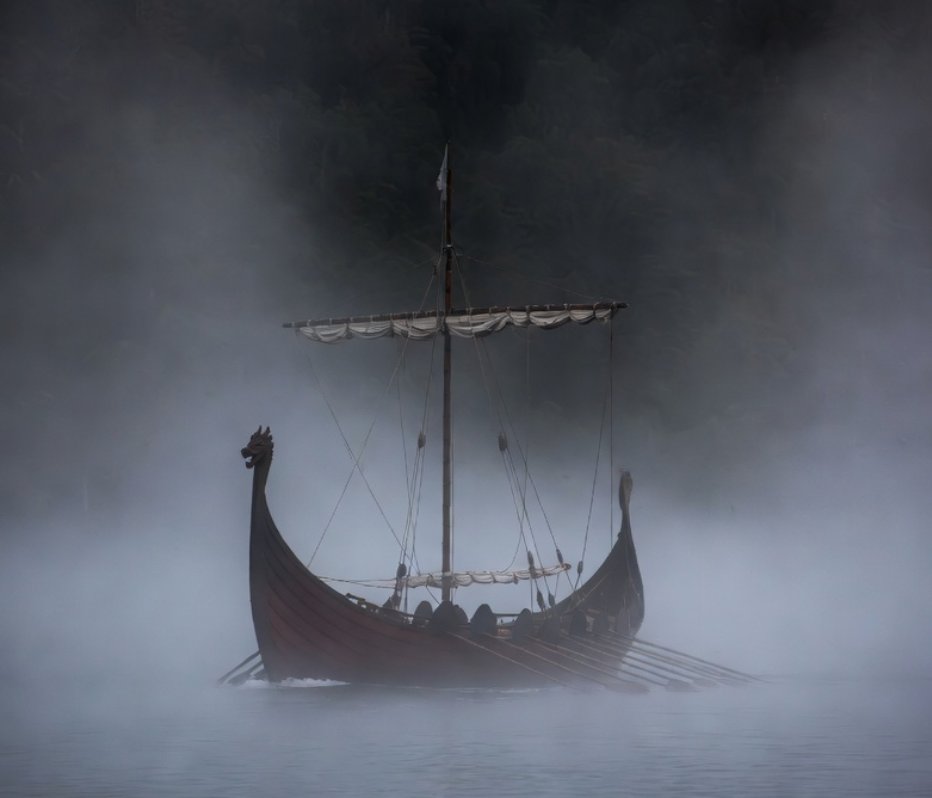
Hace 1.000 años, los vikingos cruzaban el océano Atlántico y llegaban a América sin brújula magnética ni mapas... pero ¿cómo navegaban bajo la niebla más densa del planeta? 👉Usando un arma secreta de la que hablan las sagas nórdicas: la piedra del sol. 🧵👇
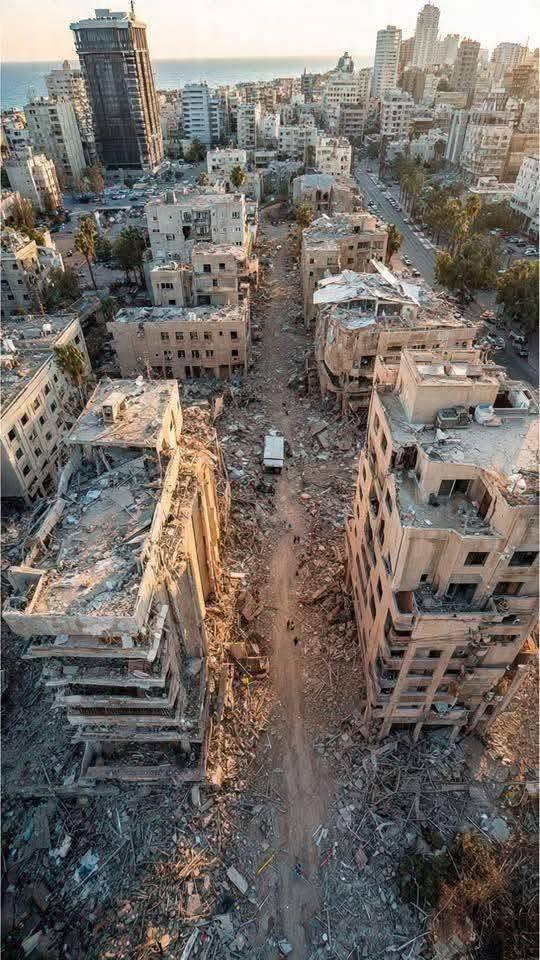
یہ غزہ نہیں اسرائیل کا شہر ہے
یہ منظر دیکھنے کے لئے آنکھیں ترس گئی تھی
آپکا ایک لائک اور ایک ری پوسٹ امریکہ و اسرائیل اور انکے حمایت یافتہ لوگوں کی چیخیں نکلتا ہیں
لہذا اس پوسٹ کو لائک اور ری پوسٹ کریں
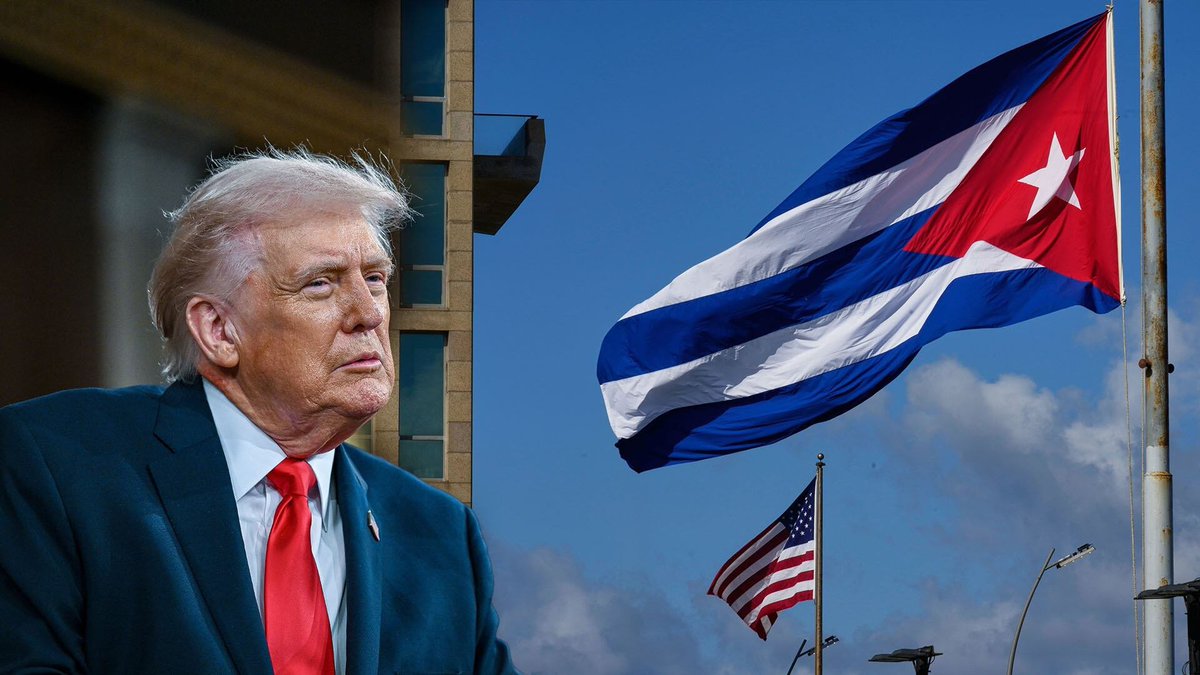
Trump annonce qu'il va "s'occuper" de Cuba quand il en aura terminé avec l'Iran.
Après Gaza, le Liban, le Venezuela, le Yémen, la Syrie : les États-Unis et son allié israélien attaquent, bombardent et massacrent partout sur la planète.
Toujours en violation totale du droit international. Et toujours dans le silence ou la complicité des dirigeants occidentaux.
Nous sommes le front du refus. Soutien aux peuples bombardés. Gloire à ceux qui résistent.
L'impérialisme étatsunien est une menace pour l'humanité.