*Lessons from my mother*
1. God is everything. He solves 100% of your problems.
Do not ever think that there exists a problem that God can not solve.
Pray in all forms that you know, and wait.
Try it!
INSTEAD OF WATCHING NETFLIX TONIGHT.
Spend 1 hour with this.
Claude AI FULL COURSE that teaches you how to BUILD and AUTOMATE anything.
The people who watch this tonight will wake up tomorrow with a new skill.
Watch it and Bookmark it now
Makoko is sitting on one of the greatest waterfront opportunities in the world.
This waterfront neighbourhood in Chengdu, China shows what becomes possible when water communities are planned intentionally.
Water communities support:
living, transport, cooler environments, public life, and tourism all at once.
A notable part of this project:
a 1,600 year old temple still sits at the center of the development.
It is a reminder that age is not the problem.
Places can be hundreds or even thousands of years old and still thrive when they are preserved and renewed properly.
But when development pushes out everyday people, cities often lose both culture and long term value.
Makoko does not have to become a luxury island disconnected from its people.
With proper planning, it could become one of the most unique waterfront communities in the world.
📍Chengdu, China; Makoko, Lagos
Project: Regional Urban Renewal of Chengdu Pengzhou Longxing Temple Area
Design: BIAD-ASA Studio
Photography of Makoko: Niyi Fagbemi
Uganda’s cocoa sector is one of the fastest-growing opportunities in Africa. From the fertile soils of Bundibugyo, Mukono, Kyotera, and the greater western region, our farmers are producing high-quality organic cocoa that is gaining global demand.
But the future is not only in growing cocoa — the real wealth is in VALUE ADDITION.
Instead of exporting raw beans, Uganda must invest in:
• Chocolate manufacturing
• Cocoa powder processing
• Cocoa butter & cosmetics
• Organic cocoa beverages
• Local and international branding
This will create jobs for the youth, increase farmer incomes, attract investors, and position Uganda as a global cocoa powerhouse.
A kilogram of processed cocoa earns far more than raw beans. The time for Uganda to move from being only a producer to becoming a processor and exporter of finished cocoa products is now.
Support Ugandan farmers. Support local processing. Support value addition.
The future of Uganda’s cocoa industry is bright.
#CocoaUganda #ValueAddition #BuyUgandanBuildUganda #Agribusiness #OrganicCocoa #MadeInUganda #ExploreUganda
#M7SwearsIn2026
Instead of watching an hour of Netflix, watch this 60 minute lecture from Steve Jobs after being fired from Apple. It will teach you more about building companies than most startup books ever will.
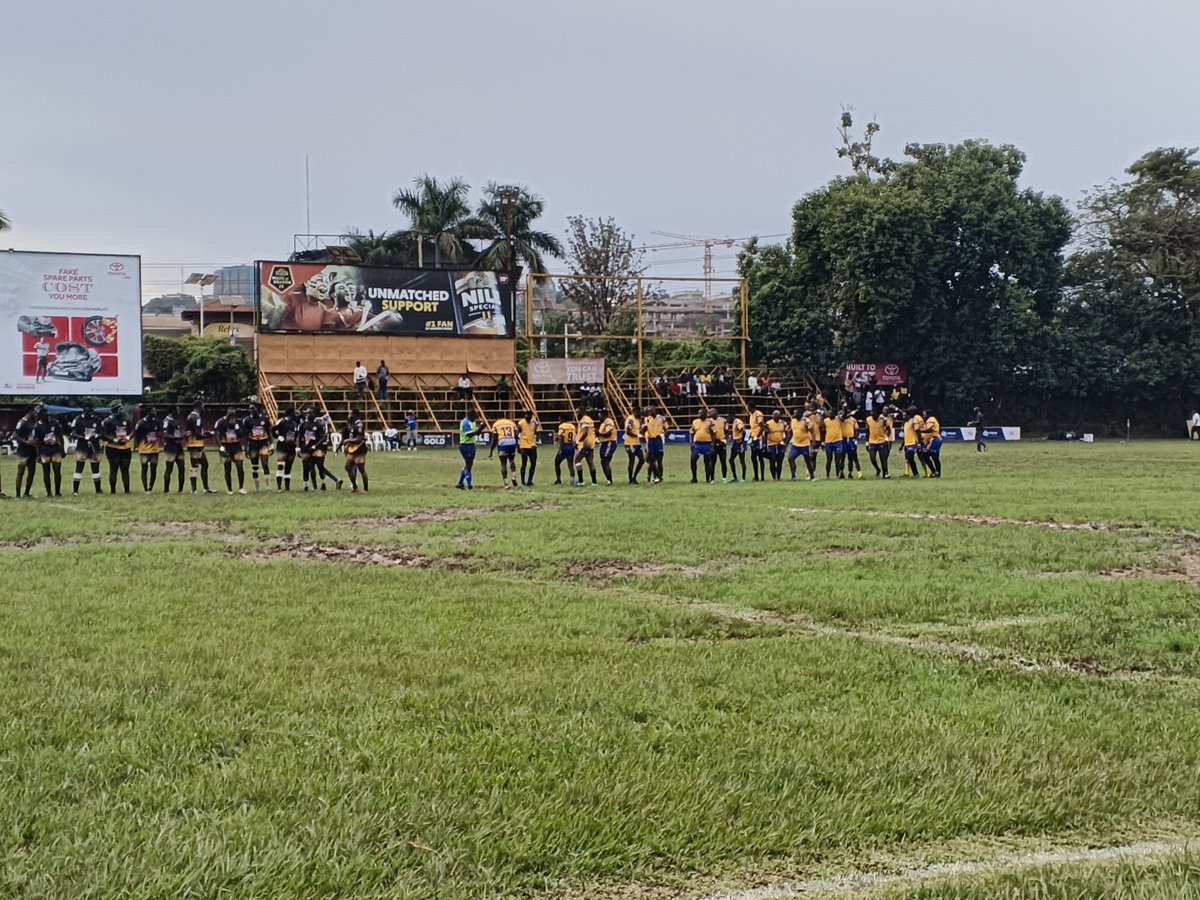
Thank you dear rugby players. This award is for you who always take up interviews when you lost and won. It is for you who put your bodies on the line every weekend as we record and update the world about the talent we have in Uganda rugby. 🤝
#AfricaRugbyWithDenise
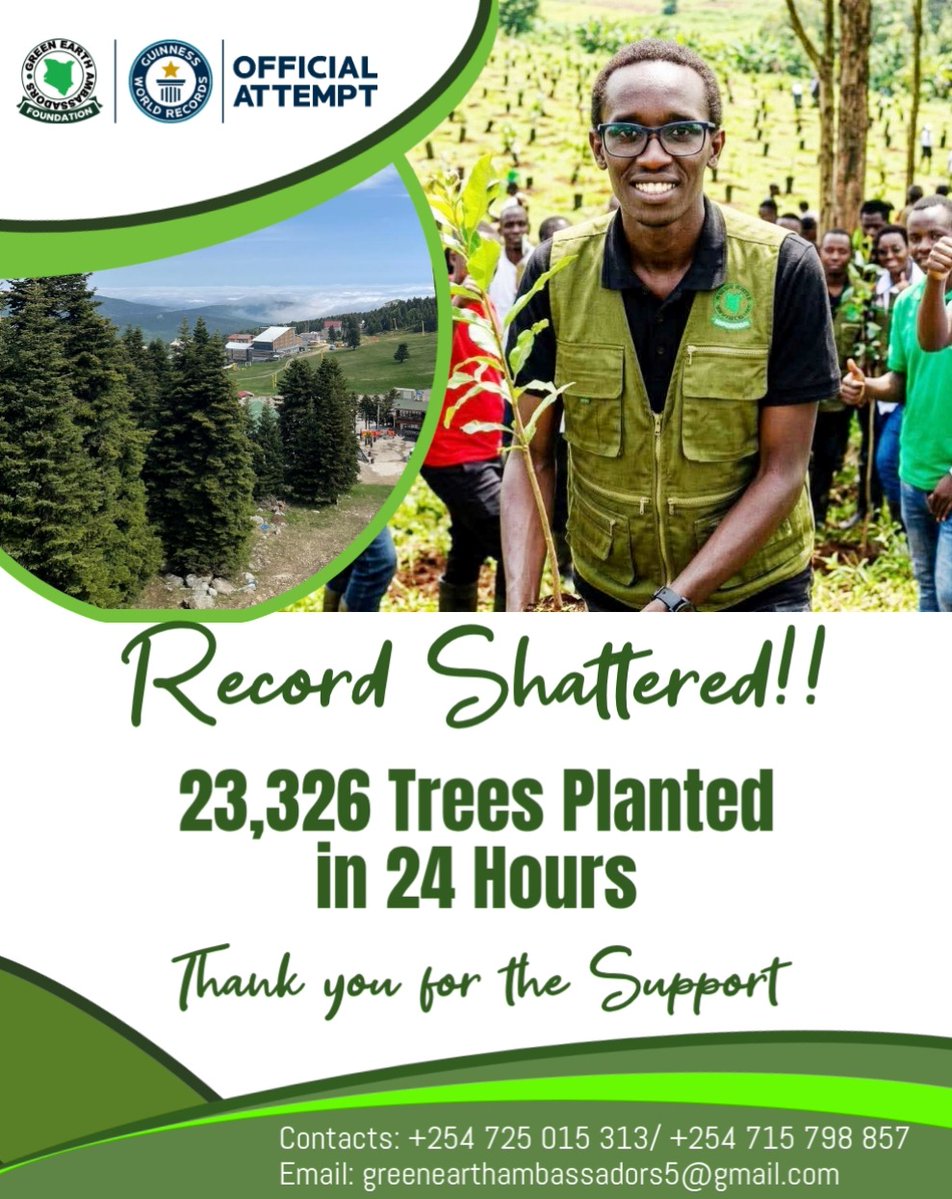
RECORD BROKEN!
Hillary Kiplagat Kibiwott has just planted 23,326 trees in 24 hours at Kessup Forest, shattering the previous record that stood at 23,060 held by a Canadian.
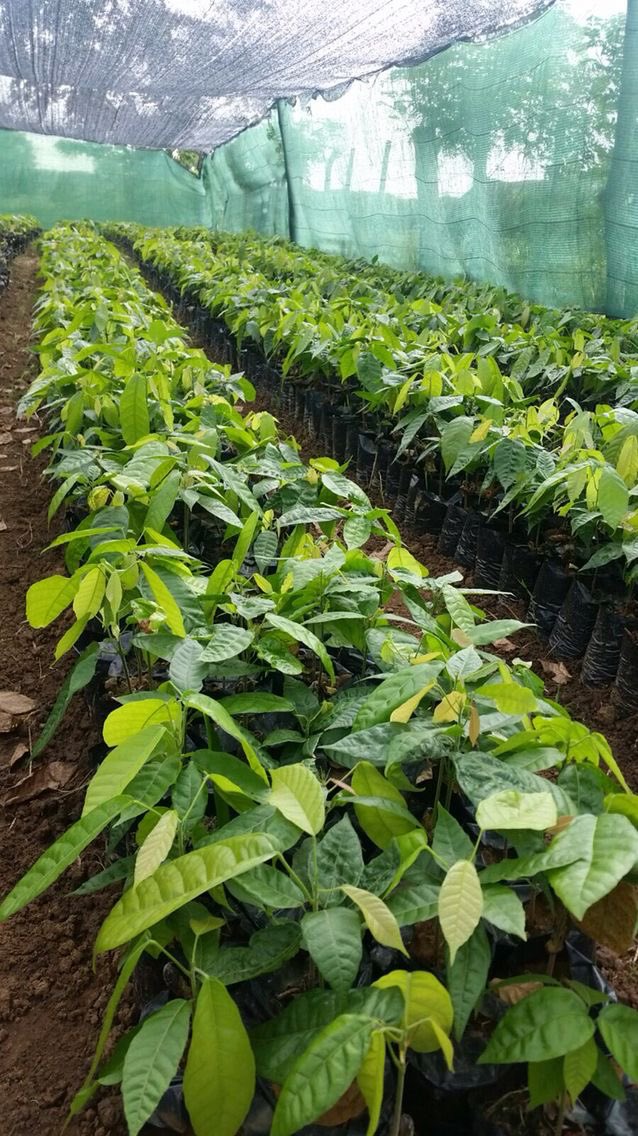
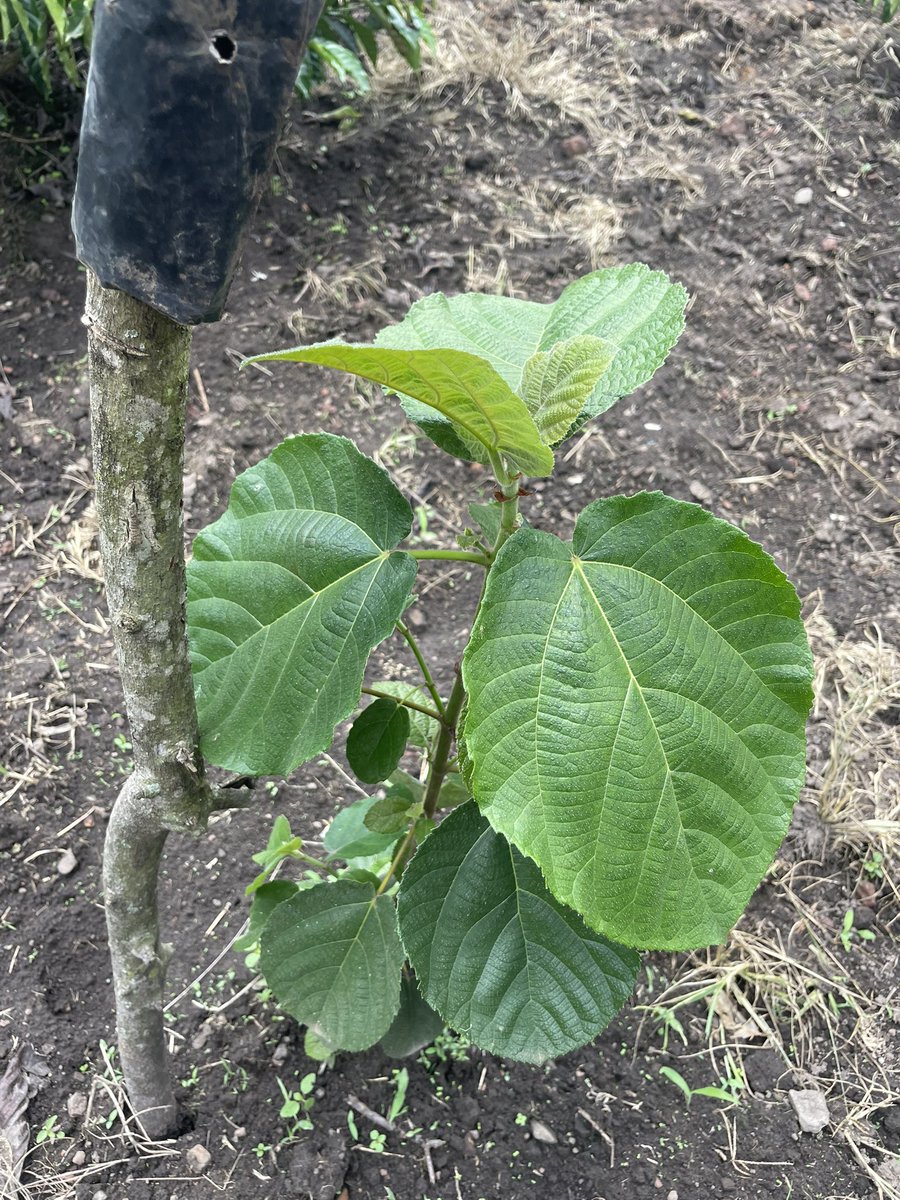
How KR8 looks like @PearlFarmsUg It has small shiny leaves. It's green colour isn't deep. At 2 years, its yield potential is huge. We are observing its bean size as cherries grow. To get KR8-10 plantlets, book earlier. For KR1-7 (minus 2), we still have quality plantlets.
1/2
The Invisible Metric That Dictates Your Cup.
In specialty coffee, origin and processing get the glory, but moisture content holds the power. Green coffee is a highly hygroscopic matrix a living sponge that reacts to its environment. Its moisture level fundamentally alters both roasting thermodynamics and structural integrity.
The Science of Hydration:
10-12% (The Sweet Spot): Optimal cellular stability.
At this level, water effectively transfers heat to the core of the bean during roasting, allowing for precise Maillard reactions and the preservation of delicate, volatile aromatics.
18%+ (Critical Risk): Excess water acts as a thermal sink.
Roasters are forced to apply excessive heat to drive off the moisture, severely increasing the risk of "baked" or muted profiles. Crucially, high water activity (aw) triggers enzymatic degradation and invites mold or mycotoxins.
Moisture Damage,Once the internal cellular structure is compromised by fluctuating or extreme moisture, lipids begin to oxidize.
The vibrant terroir is permanently lost, replaced by flat, woody, papery, or "past-crop" flavor defects in the cup.
Exceptional coffee requires rigorous environmental control long before the roast begins. Protect your green.
#coffee #HomeBarista #SpecialtyCoffee #coffeelovers #morningcoffee #coffee-bean
The Lie We Were Told About Farming
You grew up hearing it, didn’t you? Not just once but over and over again at home, at school even in casual conversations. “Read your books… so you don’t end up in the garden.” And without realizing it that statement slowly shaped how we all saw farming. It stopped being something honorable something powerful and became something to escape from. The garden became a symbol of failure not opportunity. So naturally, we ran.
We chased education with everything we had. We left our villages, our homes, our roots all heading toward places like Kampala convinced that success only exists in office spaces behind desks in meetings, in emails and in a monthly salary that barely stretches to the end of the month. We believed that wearing a tie and sitting in traffic every morning was the ultimate sign that we had “made it.” And for a while, it felt true until reality started setting in.
Because no one ever told us the full story. No one sat us down and explained that the same land our parents were using just to get by… could actually be transformed into something much bigger. No one told us that agriculture was never the problem the mindset around it was. While we were busy looking down on farming calling it backward and outdated someone else was quietly studying it, investing in it, adding value to it and building real wealth from it. The difference wasn’t the land. The difference was perspective.
We were taught that farming is hard, tiring, unpredictable. And yes, it is. But what we were not taught is that farming is also scalable, profitable and powerful when approached like a business. We were never shown that behind every successful agricultural value chain coffee, cocoa, fruits, grains there are people who understood something we didn’t:
Now look at where we are. Degrees are everywhere. Every year, thousands of young people graduate with hope, energy, and ambition… only to be met with a job market that cannot absorb them. The frustration is real. The confusion is loud. And yet in the middle of all this, the land is still there. Quiet. Patient. Fertile. Waiting. Waiting for a generation that is willing to see it differently.
The uncomfortable truth is this we didn’t just walk away from farming. We walked away from one of the most accessible opportunities we had. We allowed a narrative to convince us that our greatest asset was something to be ashamed of. And now we are paying the price for that belief.
But here’s the shift that needs to happen. Maybe the problem was never the soil. Maybe it was never the hoe, the sweat or the sun. Maybe the real problem was the story we were told and the fact that we never questioned it.
Because the moment you start to see farming not as a fallback plan but as a strategic move… everything changes.
So let’s embrace farming if we don’t want to keep stuck with poverty while putting on those cute suits and working in Air conditioned spaces
A word to the wise is enough and For God and my country
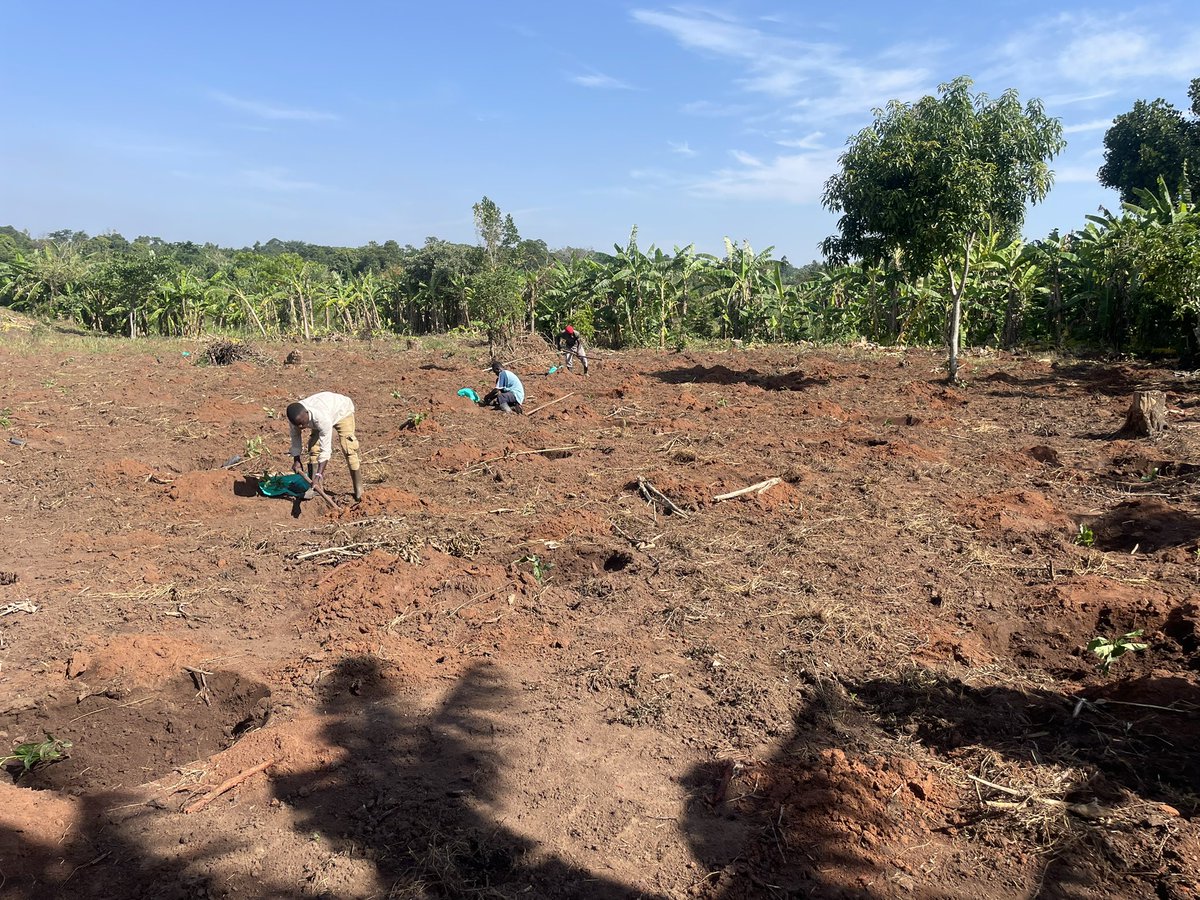
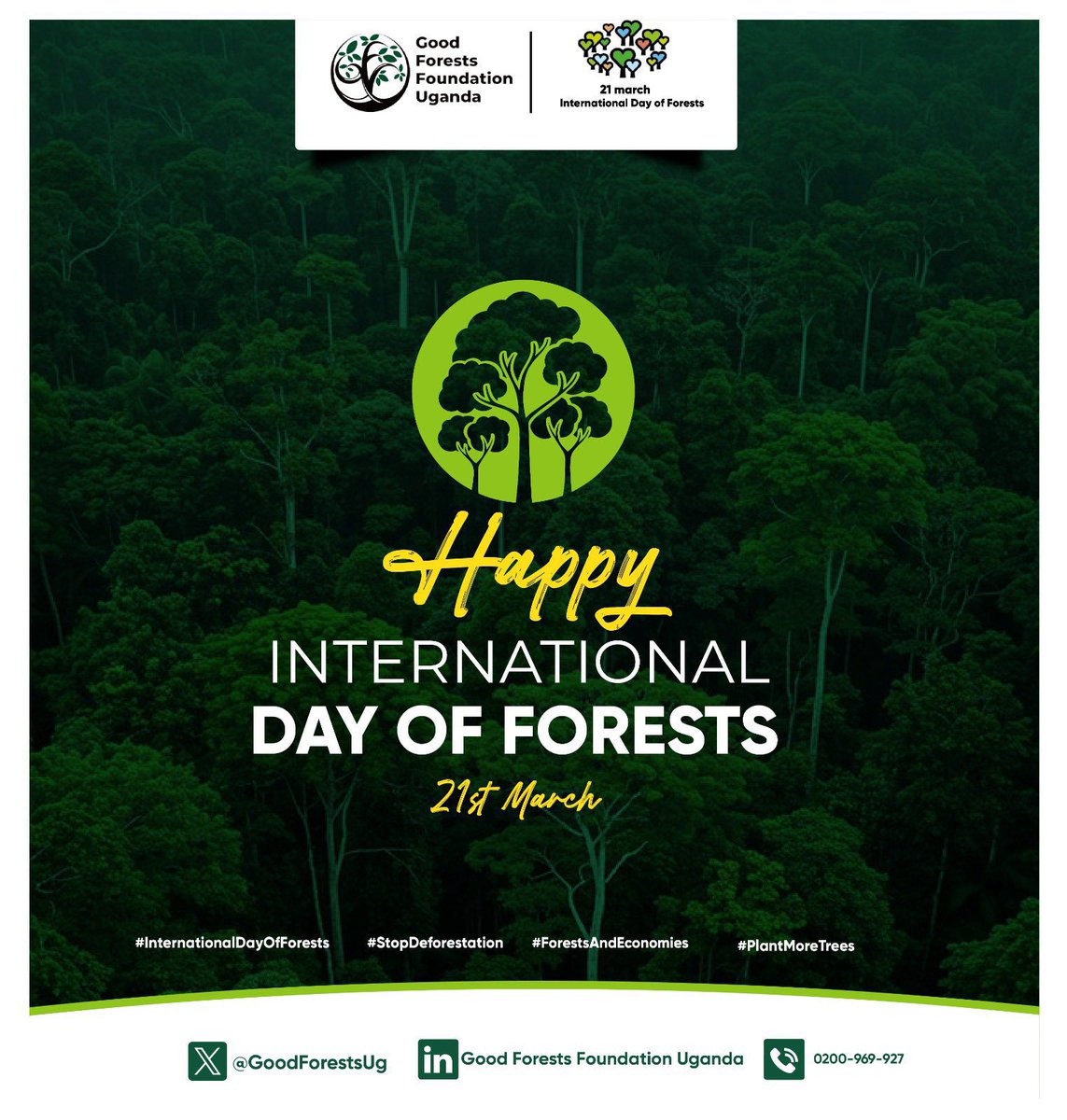
Today is International Day of Forests and as I walk through my coffee garden, I keep thinking about one thing we were never meant to cut down trees to grow coffee.
For a long time many of us believed that clearing land was the only way coffee (Coffea) could do well. But the more I continue farming, the more I see the opposite is actually true.
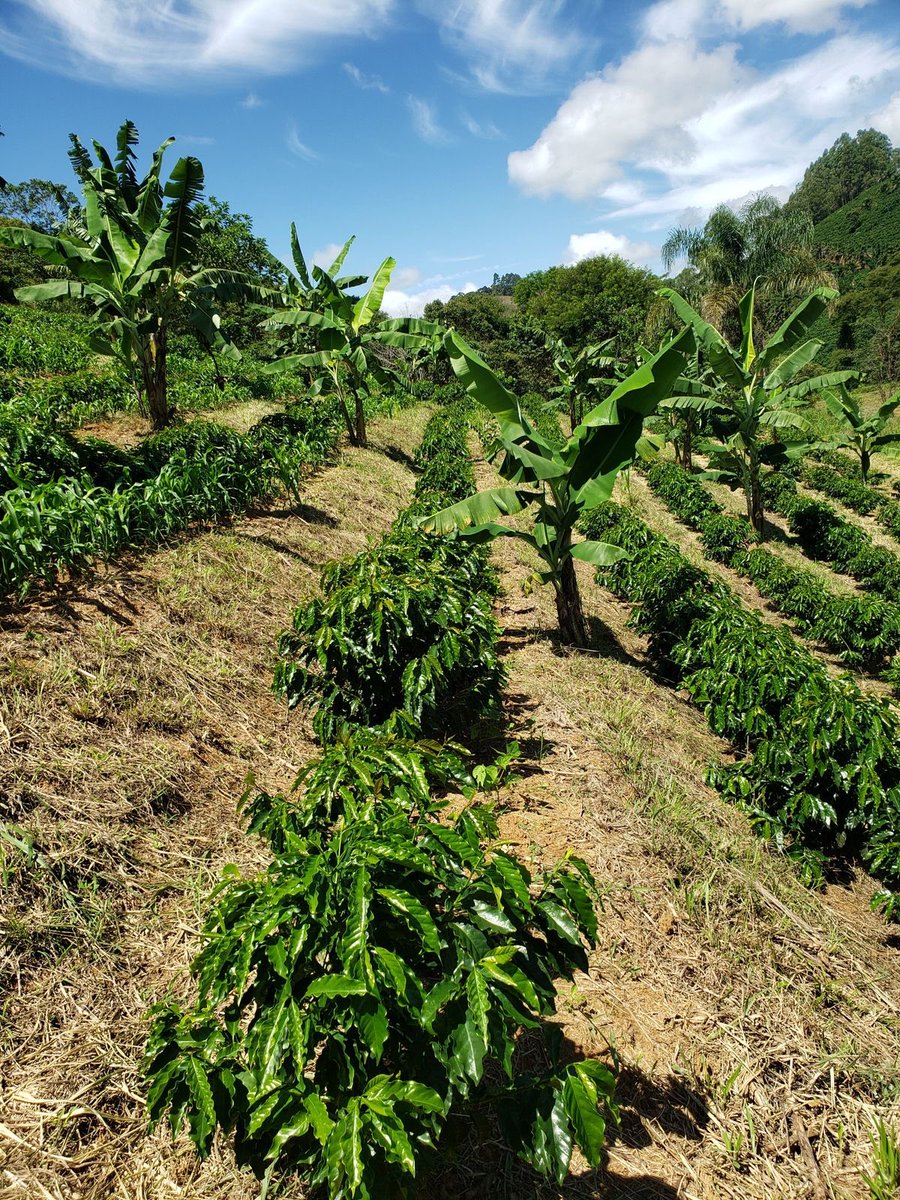
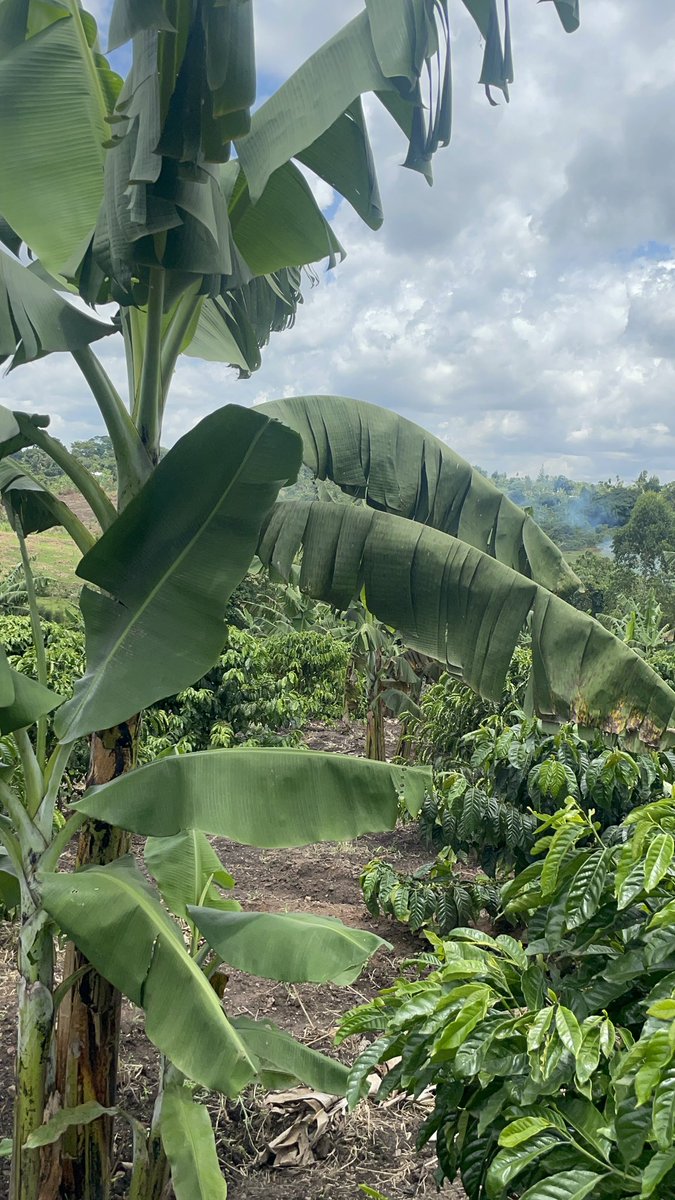
Coffee loves company. It thrives under trees in a setting that feels like a natural forest. That’s what coffee agroforestry is about growing coffee with trees not against them. The trees protect the soil, keep moisture in the ground and reduce the stress from too much sun.
But there is something even more interesting I’ve noticed. Coffee grown in this kind of environment doesn’t just survive it becomes better. The beans are richer the cup has more flavor and you can actually taste the difference. It’s slower growth yes, but that slowness brings out quality.
So instead of cutting down forests to plant coffee, we can actually grow coffee in a way that protects and even rebuilds those same forests.
For me, this is the future farming where productivity and nature move together. Where every tree on the farm is not a barrier but part of the system.
And in bind to keep this promise, madam @Muyodi_Shakie can you link me to @GoodForestsUg we plant about 1000 trees in my next coffee project ? If yes I will glad to support the cause
For God and my country
Grow coffee. Keep trees. Build forests.
Why market research is important
There’s something I’ve been noticing among young people stepping into agribusiness especially in coffee and cocoa. A young man saves a little capital, hears that prices are “good” in Bundibugyo and rushes to buy without asking questions without checking the market and without understanding why that buyer is offering that price. It becomes a decision driven by pressure, excitement and speculation rather than knowledge.
But here is the truth we don’t talk about enough: when someone is buying at a certain price, it is never random. There is always a reason behind it maybe they have a contract, a specific market demand or a timing advantage.
If you don’t understand that reason then you are not really trading; you are gambling. And I have seen many young people lose their small capital this way not because they lack effort or potential but because they move without enough information.
Agribusiness is not just about buying and selling; it is about understanding the market before the money moves. It requires patience, listening to experienced players, asking the right questions and studying how prices behave over time. You need to understand demand, quality requirements and timing before making decisions, because one wrong move can wipe out everything you have worked for.
What makes it even more painful is that a lot of this information is actually available. Today market trends, price updates and trading insights are shared online every day. There are platforms, farmer groups, and experienced traders openly talking about what is happening in the market.
And we are also here committed to sharing real, practical information to guide you. You don’t have to struggle or lose your capital in silence.
Let’s grow smarter not just faster. Let’s build a generation of young agripreneurs who don’t trade on pressure but on knowledge, awareness and strategy and who are not afraid to seek information, ask questions and learn before they act.
For God and my country
Cocoa.
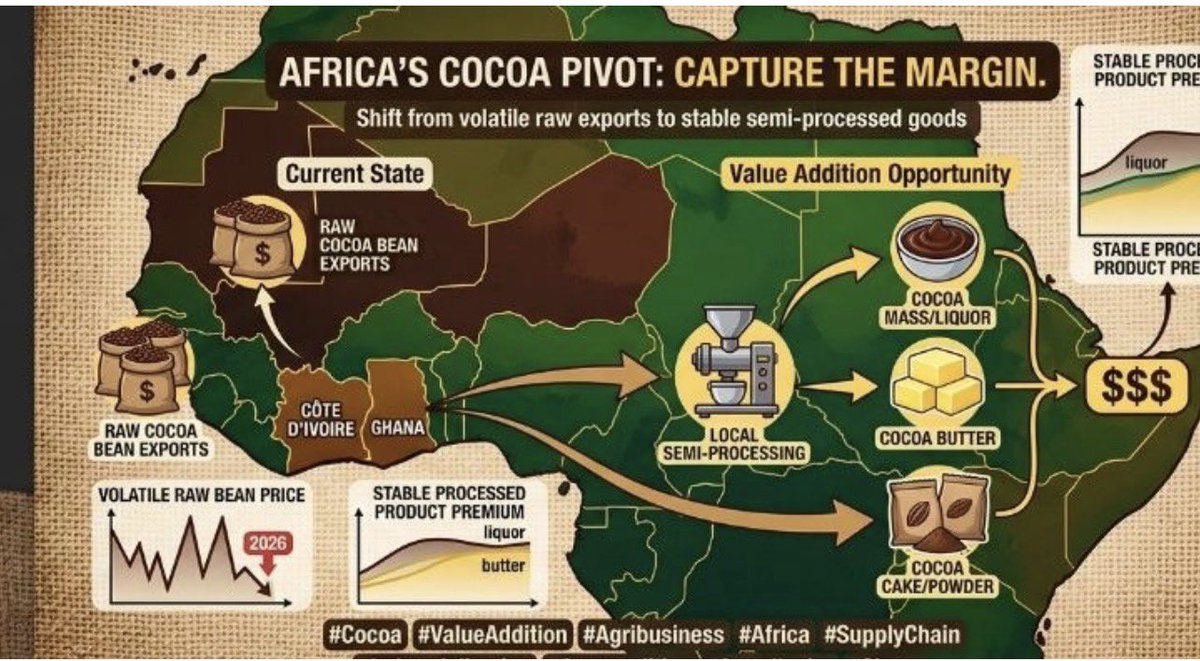
Why Africa’s Cocoa Strategy Must Shift in 2026
From Raw Beans to Value Addition
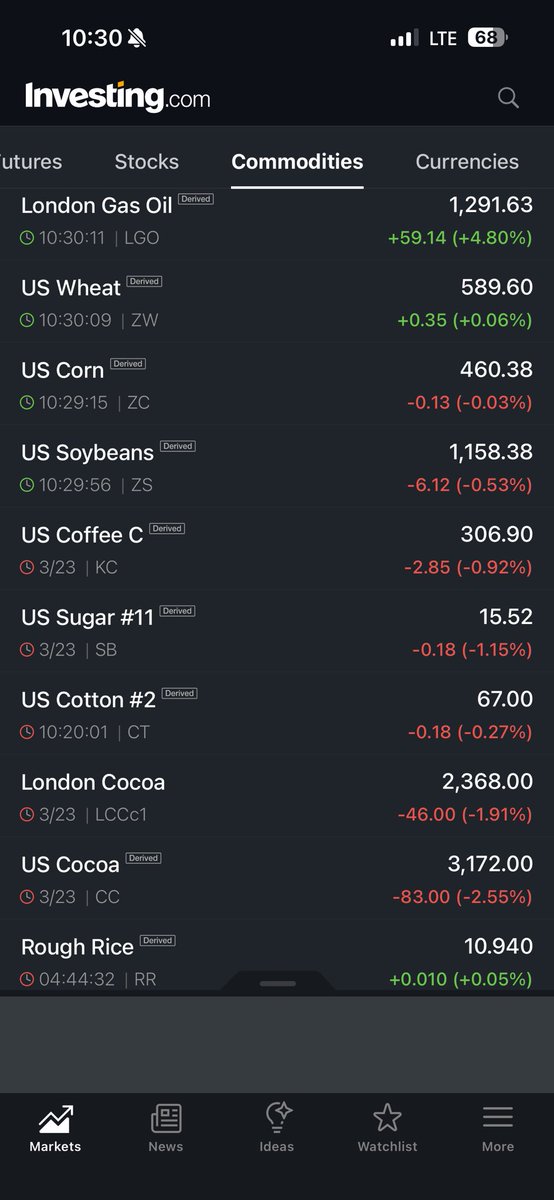
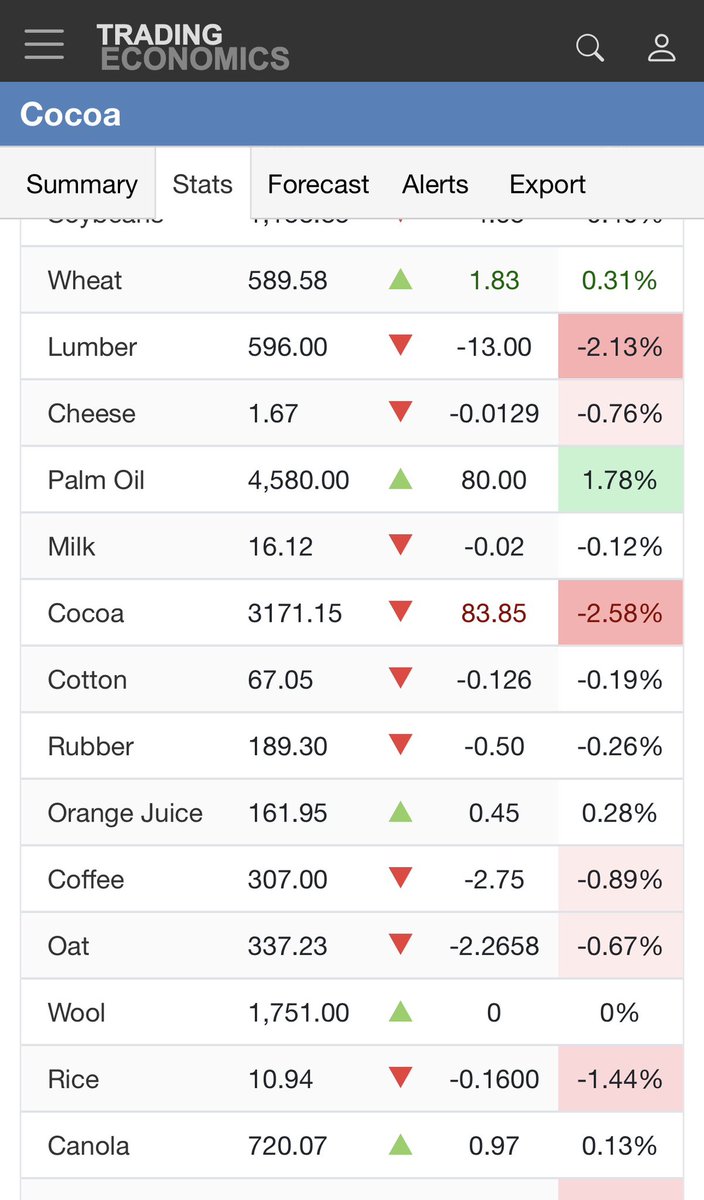
The recent crash in global cocoa bean prices dropping over 45% from the 2024/25 peaks is a wake-up call.
While the market corrects, the price of cocoa mass and butter remains resilient.
The lesson? Exporting raw beans is a high-risk gamble on volatility. The real margin isn't in the farmgate price; it’s in the processing hey @JBNyamate are you following the peanut butter storyline
The Case for Semi-Processed Exports:
We don’t need to wait for full-scale chocolate manufacturing to win moving into semi-processed goods (cocoa liquor, butter, and cake) is the immediate sweet spot for Africa:
Improved Margins: Processed products command a higher, more stable premium than raw beans, even when the market dips.
Reduced Post-Harvest Loss: Local processing cuts down on spoilage and storage issues associated with raw bean exports.
Market Acceptance: Semi-processed goods are easier to standardize for global supply chains compared to finished confectionery, making them an easier "entry point" for African industrialization.
Job Creation: Every processing plant built in West Africa is an engine for local employment and technical skill development.
With bean prices hovering around $3,300/ton, now is the time to invest in mid-stream infrastructure.
We must stop being price-takers in a volatile market and start being value-creators in a stable one.
Africa produces 70% of the world's cocoa. It’s time our balance sheets reflected that dominance @NileChocolates
#ICCO #Cocoa #ValueAddition #Agribusiness #AfricaRising #SupplyChain #Sustainability #Industrialization #Afreximbank #jobcreation #Cocoamass #Cocoabutter
@Muganzisecure@UGCommonwealth@emmiebert@odongmanuel@JackieAkampwera@USTradeRep Responsibly Sourced 👇🏾🙌🏾
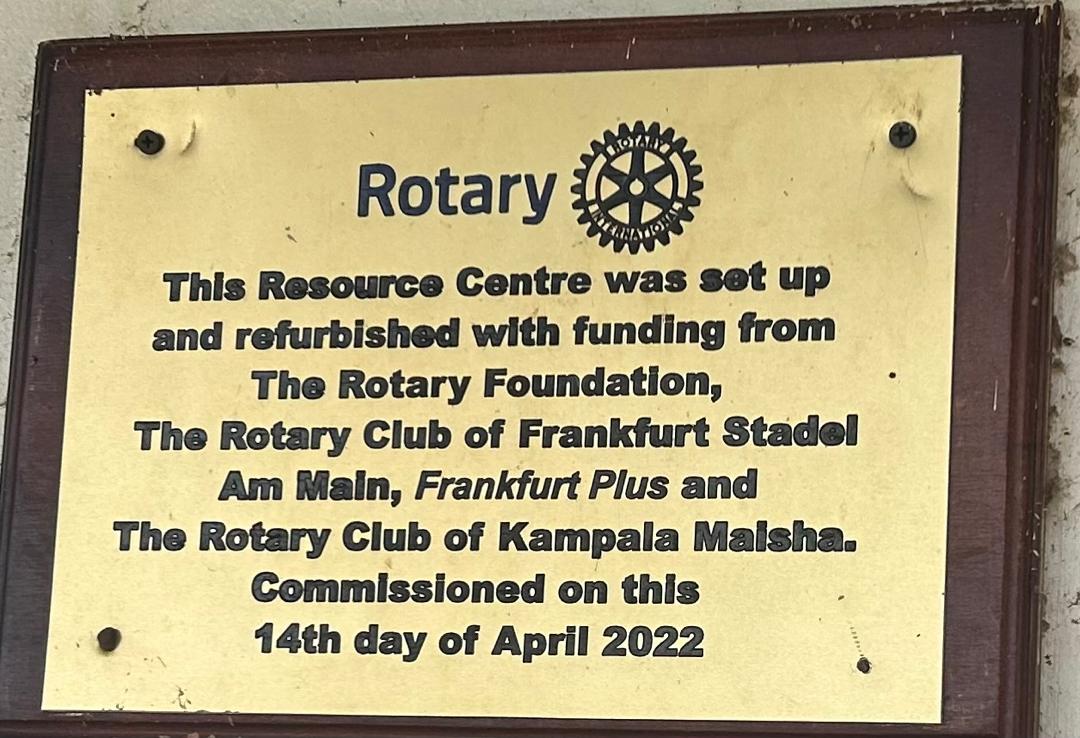
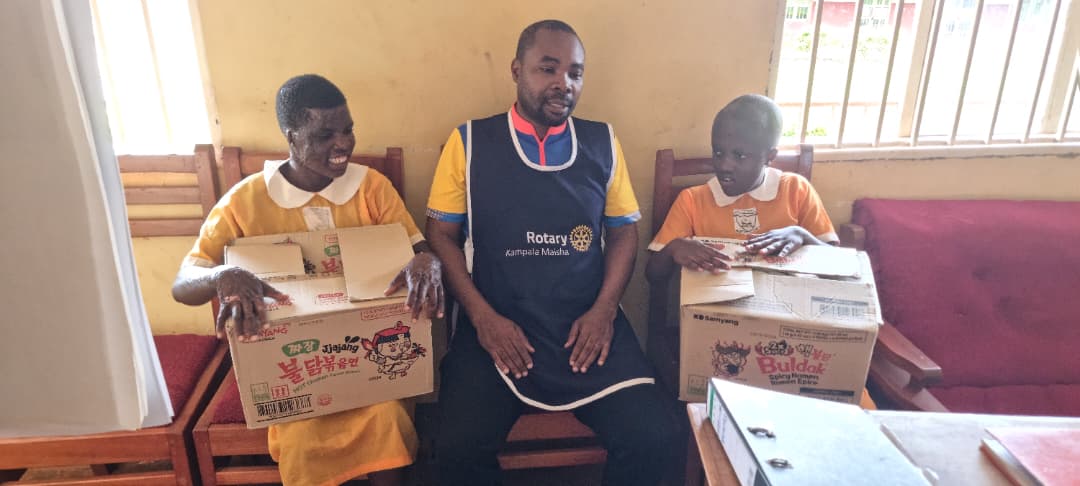
Today RC Kla Maisha paid a courtesy call to Salama School for the Blind. We delivered scholastic materials to 2 of our sponsored students—& it was also great to see the solar-powered Resource Center we installed in 2022 still supporting their learning @MaishaRotary#RotaryEyamba