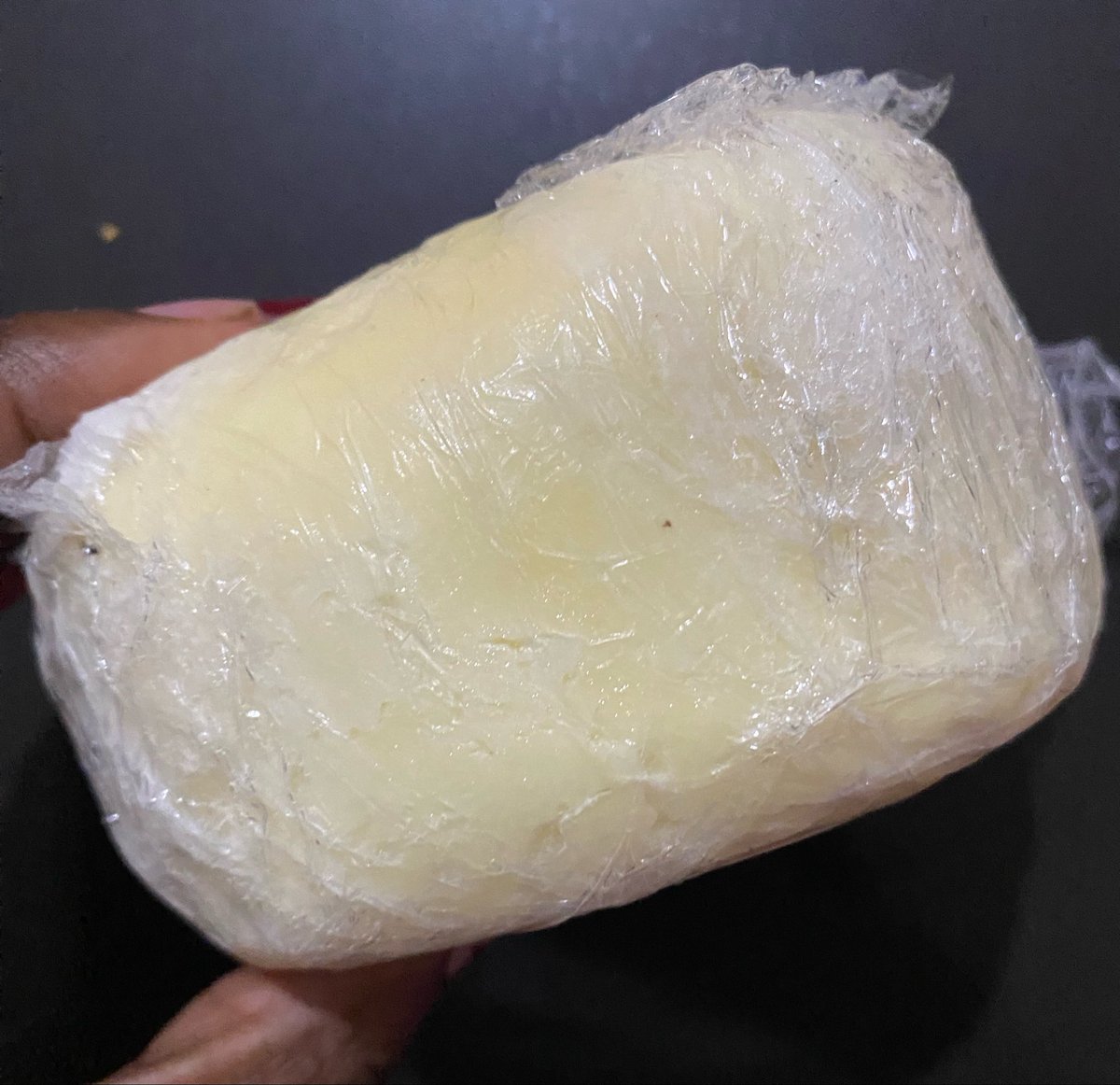
Ok, so I jumped on the dates soaked in espresso trend… and it’s unreal.
Make some black coffee.
Add dates.
Marinate overnight.
Have on top of greek yoghurt, honey and a pinch of salt.
Unreal luxury breakfast or sweet treat.
(I chop my dates in half so the coffee really gets inside. They get jammier if you leave them 1 day+)🤌🏼
Empirical Properties of Asset Returns - Rama Cont
https://t.co/hHqviQ4xfa
New Introduction to Multiple Time Series Analysis - Helmut Lütkepohl
https://t.co/mbr2pJfTtd
Trades, Quotes and Prices - Bouchaud, Bonart, Donier, Gould
https://t.co/1q2V8wfKhG
Algorithmic and High-Frequency Trading - Cartea, Jaimungal, Penalva
https://t.co/kCbyJ0cLNQ
@KeNHAKenya @Ma3Route @motoristsoffice@Machakos_County@citizentvkenya
There is a carcass of four donkeys lying on the mombasa road near the Express way Syokimau entrance section towards Nairobi. If they are not collected and disposed they'll end up in some butcheries.
The Scientist and Engineer's Guide to Digital Signal Processing By Steven W. Smith
Amazing book to keep handy if you work on anything DSP. Loved the way the chapters are organized!
https://t.co/kmtyDJL1st
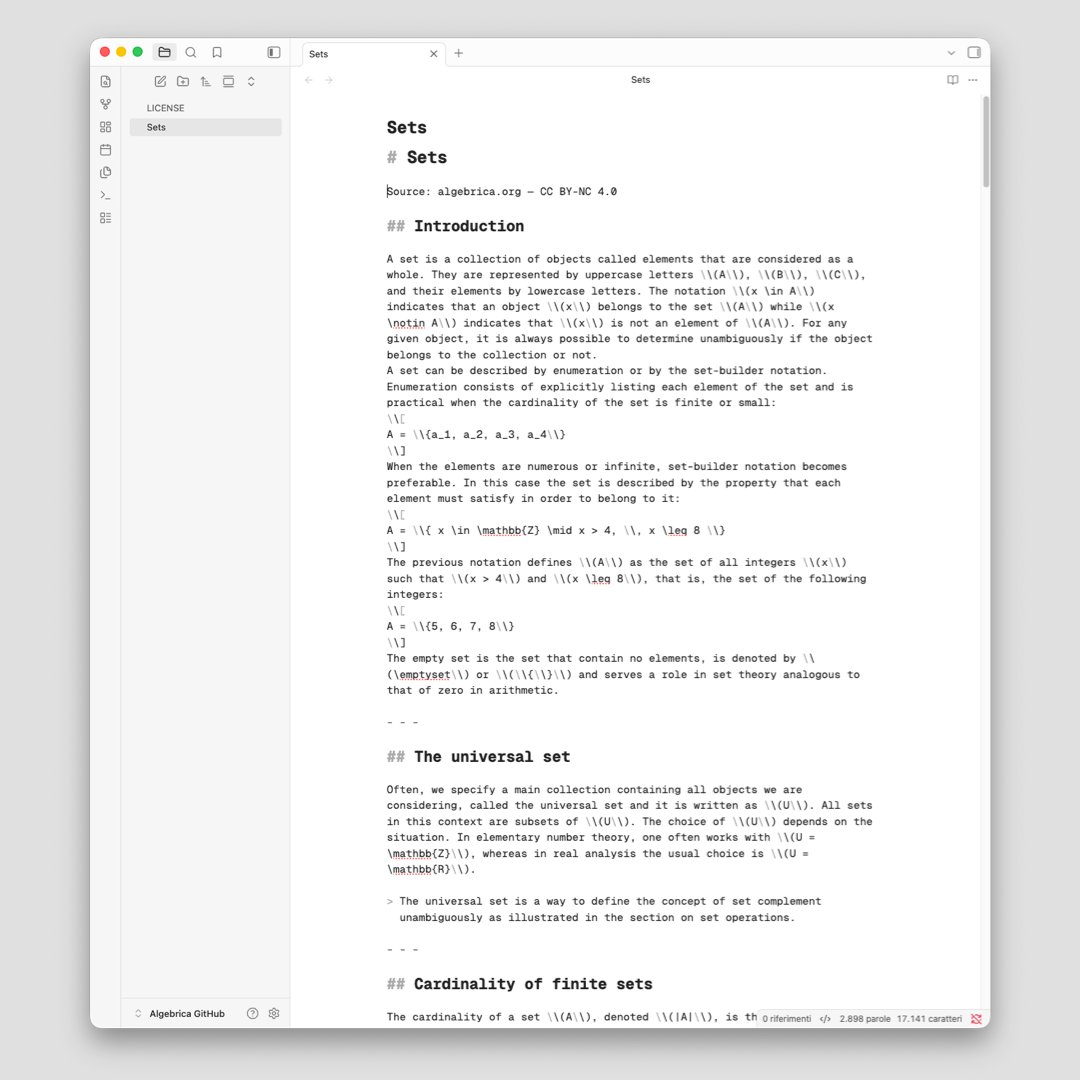
From today, Algebrica’s content is open, free, downloadable in Markdown, and reusable by anyone.
This is a step toward a university-level knowledge base that is freely accessible to everyone. Entries will be progressively released on GitHub in Algebrica’s public repository, and can be reused for non-commercial purposes.
To increase transparency, I’m also documenting the editorial process and revising content to improve accuracy and reliability. On some pages, a quality indicator is now visible, including a GPTZero score (not affiliated), as an additional signal of transparency.
I believe these changes move Algebrica toward something more open, more reliable, and more accessible.
I’d also like to thank everyone for the unexpected response to the project, and for the many visits and thoughtful comments.
whenever you see this random-lookin' code movin' around on your tv, it simply means dstv is tryin' to verify the device displayin' the content
it's called a signal handshake or hdcp (high-bandwidth digital content protection)
it was ceated by intel in 2000 to prevent recordin' of digital video over hdmi
when you connect your tv to the decoder, they "talk" to verify each other and approve the display device
if the decoder detects a weak signal, redistribution to another tv (or device), recordin' over hdmi, faulty hdmi cable, or even a drop in voltage, it sends that code to your screen
the movin' code establishes the connection and checks if it's talkin' with an approved tv, that's why your remote doesn't work durin' that moment
the decoder temporarily rejects the signal while it's busy verifyin' the tv
once the approval is done, the code disappears..