All things Comms. Purpose to Action | Climate Impact. Work - @giz_gmbh @IISD_Energy @IndiaClimCollab @WRIIndia @CEEWIndia @SELCOFoundation @BursonIndia
I genuinely don’t understand how we are supposed to casually process that a glacier literally collapsed in Nepal, erasing 19 bridges and killing over 600 people, because the planet is too hot. And instead of stopping it, billionaires are building more data centres. It is completely psychotic.
India sets up National Designated Authority to implement provisions of carbon trading under Paris Agreement | India News - The Times of India https://t.co/ruSUCzvs20
#ConnectKaro 2025 promises to be a space for engaging dialogues with 35+ sessions across themes on:
🍅 Sustainable Food and Land Use Systems
🚇 Integrated Transport and Electric Mobility
🍃 Clean Air Action
..and more!
Register and know more here https://t.co/p38i3zppXP
India’s HAPs also demonstrate the power of low-cost, scalable interventions: early warning systems, interagency coordination, and public awareness campaigns have saved countless lives at minimal expense.
https://t.co/3s7AlOAGlr @talkdhartitome
Friends, applications are open for “The Appan Menon Memorial Trust” Award, a grant of Rs 100,000 for journalists from India & South Asia covering world affairs, development & environment.
In 2024, @reporters_co had won this grant.
Last date: 12 Sep
https://t.co/nQ2TAfI4s9
@_Vaishnavi_R@pulitzercenter Such a well-researched local piece. It's a great reminder that strong local foundations and risk management are what truly give state and national issues their weight.
The most fundamental aspect to be incorporated into planning for city life is the idea of publicness and the sense that without this we have nothing but a hollow modernity.
https://t.co/EjrK9HW7bv
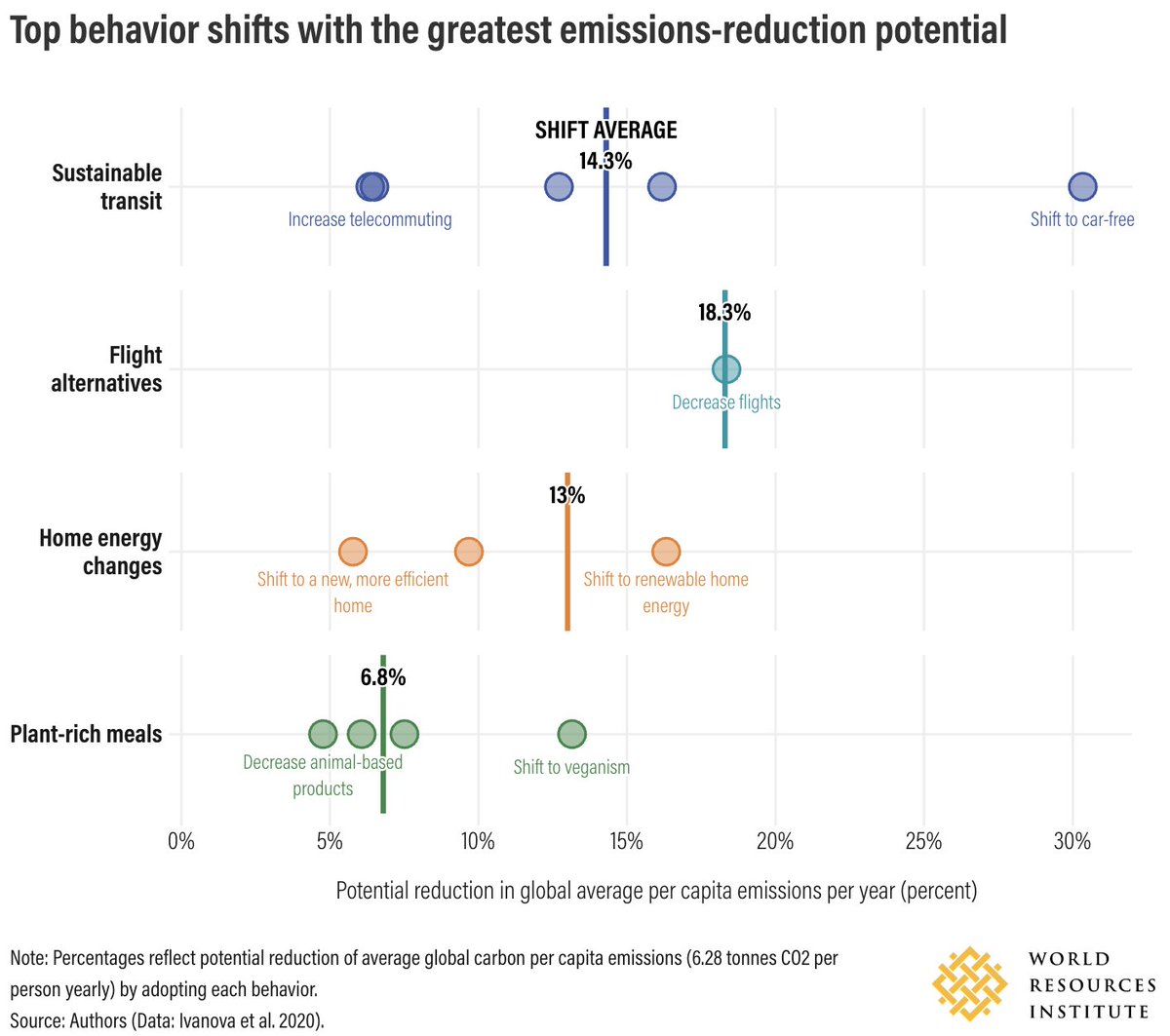
The 4 personal choices with biggest climate impact:
1️⃣ Shift to sustainable ground travel
2️⃣ Reduce air travel
3️⃣ Install residential solar
4️⃣ Eat more plant-rich meals
Learn how to maximize their impact in our latest research: https://t.co/5k3dB2PNLk #ClimateAction
Global average temperature is expected to rise to almost 2C above preindustrial in the next five years, according to the WMO, with falls in crop yields and more than a third of the world’s population being exposed to extreme heat.
People, we are in danger.
Climate Whiplash,
April had over 25 days with 40 degrees plus or near-abouts that much temperature and now May has incessant rain. What exactly is going on ?
This new phenomena is called Climate Whiplash.
Among many things about climate change, this too is about the global becoming the local. it is about a quick transition between opposing weather extremes, rather than a gradual change in weather patterns. extreme heat to extreme cold, prolonged drought to sudden flood events and so on.
One of the most disastrous impacts it has for us living in the Sahyadris is that in April all our hillslopes, forests and surrounding areas become hot and tinder dry. the forests then catch fire and get decimated. Before the soil has any opportunity to recover, the rainfall comes in incessant bursts and washes away all the topsoil preciously gathered over centuries of culturing forests. Our hill top zones especially like Mahabaleshwar, Matheran etc experience weather at least 10 degrees cooler than the plains and the surrounds. That is the primary reason why tourists favour coming to these destinations and prefer them over sweltering in the heat filled cities. its the forests and the trees that create the micro climates that all of us desire. That said, the juggernaut of development is now knocking the life out of all our natural capital, Pune is already over exploited, Mahabaleshwar is next. Under the pretext of developing the surrounding areas they intend to take under a project called "new mahabaleshwar" over 535 villages encompassing 2100 sq kilometres which translates to above 5 lakh acres and take development to some of the most eco sensitive regions of the sahyadris.
They will be spending over 13500 crores as an outlay on this, most of the money will be spent on roads, some estimates suggest over 11000 crore on concrete roads alone. Concrete has a heat index or absorption capacity of over 1100 joules per kg. it simply means concrete can absorb over 95% of the suns heat and release it into the atmosphere very slowly, Surface temperatures of concrete can become as high as double that of the atmosphere. if the temperature is 40 degrees the temperature on concrete can become as high as 62 to 80 degrees. Climate change is due to an overheating planet. To reduce the impact of these terrible weather patterns and its severity on our agriculture and cropping patterns - we will have to cool our surroundings. The example of Bangalore comes to mind, in the 1800's Bangalore saw a peak summer temperature of only 14 to 16 degrees Celsius. This was due to its 1452 interconnected water bodies, barely 216 remain today, Bangalore had over 80% of its area covered in trees. Now the number is in single digits. The damage done is huge and permanent. fixing it will take decades if not centuries and for that one has to stop doing any further damage first. That is the most important lesson that the story of cities such as Bangalore, Mumbai or Pune can teach us. Felling trees is no development, its actually retrograde and counterproductive. There is no development possible without cool weather, clean air to breathe and pure water to drink. If all the development is going to come along with pollution, sewage and garbage as the price to pay for it, perhaps most places in the world are better off without this so called "development" .
Satara, Kolhapur and other districts in western maharashtra actually are providing us with the opportunity to undo the mistakes that have already been made in the Pune to Mumbai belt. A definitive look has to be taken at the carrying capacity of this belt and we need to work together to ensure we have clean air, pure water and a garbage free context of everyday living. Life has to go on, some economic activity is necessary but all economic activity is dependent on natural capital. you cannot do business in a dead city or on a dead planet. Roads are good and are often the lifeline to connect places with each other, Roads however cannot come at the cost of forests and old growth trees. Budgets and expenditures will keep increasing ever more. The annual Maharashtra budget for instance is in the range of 6 lakh crore. The Central budget will be in the range of 50 lakh crore. The urban agglomeration of Pune spends over 25000 crore annually or over 100 crore per day if you take out the 52 weekends and holidays. Mumbai spends over 1 lakh crore across its 9 plus municipalities in the MMR. BMC alone spends almost 75000 crore. More than 200 crore per day. All this money is meaningless if it cannot provide us with air to breathe, water to drink and protect us from the vagaries of the weather.
This therefore is an opportunity like no other. The sahyadri's are a mountain range which are over 160,000 square kilometres, greening it will secure us and burning it will ensure we have no tools to fight against the climate, choose wisely.