@Martin_Murray1 @1800weevil @WallworkSimon There are a number of calculators available, similar to picking Apple v Samsung or Bitcoin v Ethereum. Everybody looking for the winner. Will there ever be just one? Pick one that suits your requirements/market and start monitoring
If you think the carbon market won't impact your business read this, then get yourself up to date.
Exxon, Big Oil Peers Suffer Defeats On Climate As Reckoning Looms https://t.co/l1kUtvAJvG via @IBDinvestors
This is a great starting point for all those considering the carbon market. Be clear about why you want to be involved and understand the impact involvement will have on your business https://t.co/xYYlQGU0oP
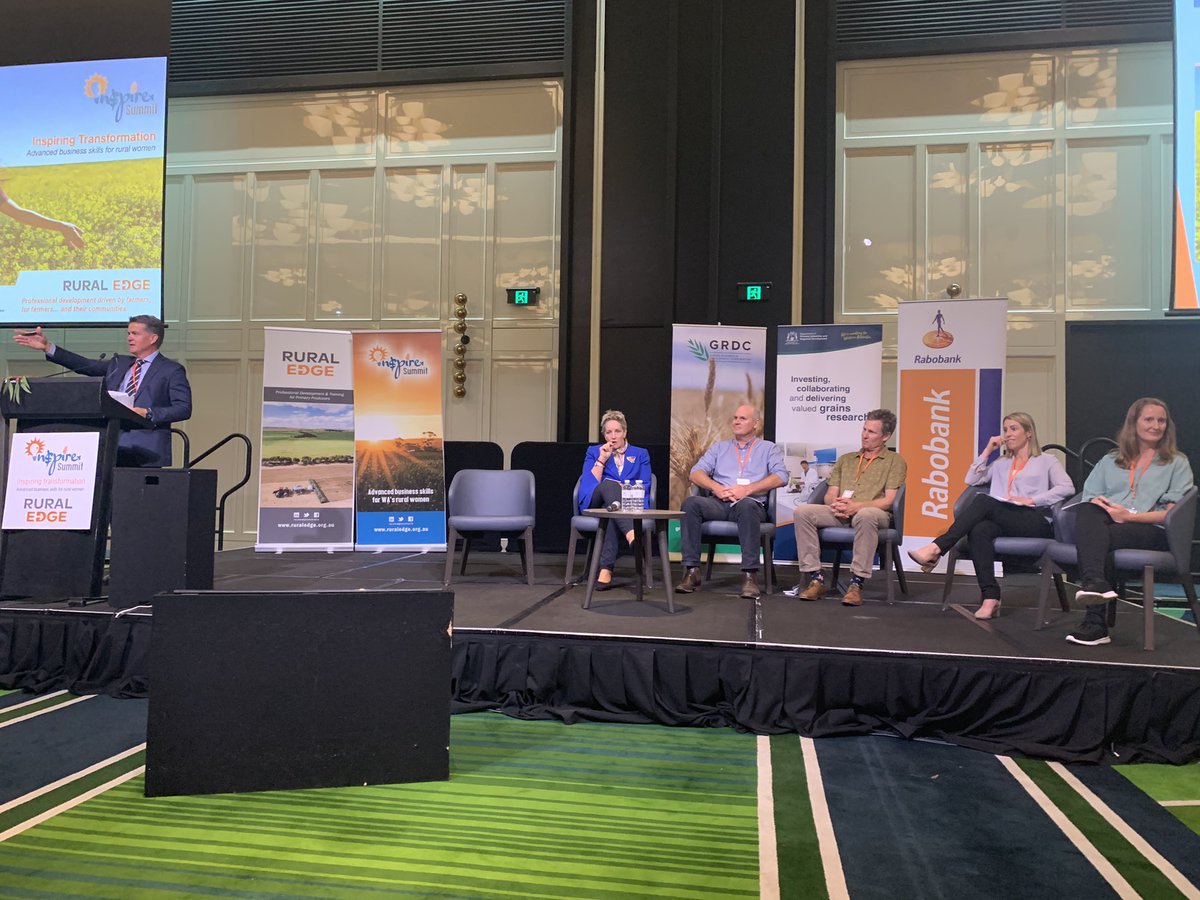
@WallworkSimon WA Ag industry has done really well at adapting to climate change to date but can we keep up as complexity and influences increase? @AgZero2030 taking on this challenge #inspire2021
Do you have questions about carbon and what role it could play in your cropping business?
We are undertaking a "Carbon 101" project for growers.
Please inbox us with your questions.
@MWCarbonZero @AgZero2030 Yes, the article finishes by saying that reducing methane emissions will cool the climate. Taking the livestock herd to 0 will still cause the planet to warm due to methane from other sources as your article points out. A steady state herd will cause it to neither warm nor cool
A great explaination of livestocks role in GHGE and the carbon cycle and why it is not the same as fossil fuel industries. Underlines why Ag producers need to be part of the convo. to counter misunderstandings
Understanding the difference between a stock gas and a flow gas is a key to climate solutions. Methane from cattle (a flow gas) doesn't have the same warming impact as CO2 from fossil fuels (a stock gas). Our explainer has more:
https://t.co/4lBwHlxhDd
Applications for the AAAC(WA) David Bedbrook Bursary are now open. The Bursary has been developed to support the next generation of agricultural leaders, who will take up the challenge of farming for the future. Applications and details at
https://t.co/7Kc9nG5rgu
@hirschirsch@KentBroad@worrolong@Oscarthefarmer Defining regen in my view to a label and set of prescriptions oversimplifies the issue. Each farm, ecosystem call it what you will is going to react differently to the same change. A good land (regen) manager understands the impact and adjusts accordingly
Today we’ve released a major piece of research that shows NZ sheep and beef farmers are close to being carbon neutral, due to the woody vegetation on their farms offsetting between 63% and 118% of the on-farm agricultural emissions. More info: https://t.co/iIKeF7uOvP
@ChristieKngstn @alansattler74 @AgZero2030 @meatlivestock@DPIRDbroadacre I agree sequestered carbon needs to be included. I haven't yet come across an approved easy to use on-farm calculator that does that. Any suggests gratefully received!
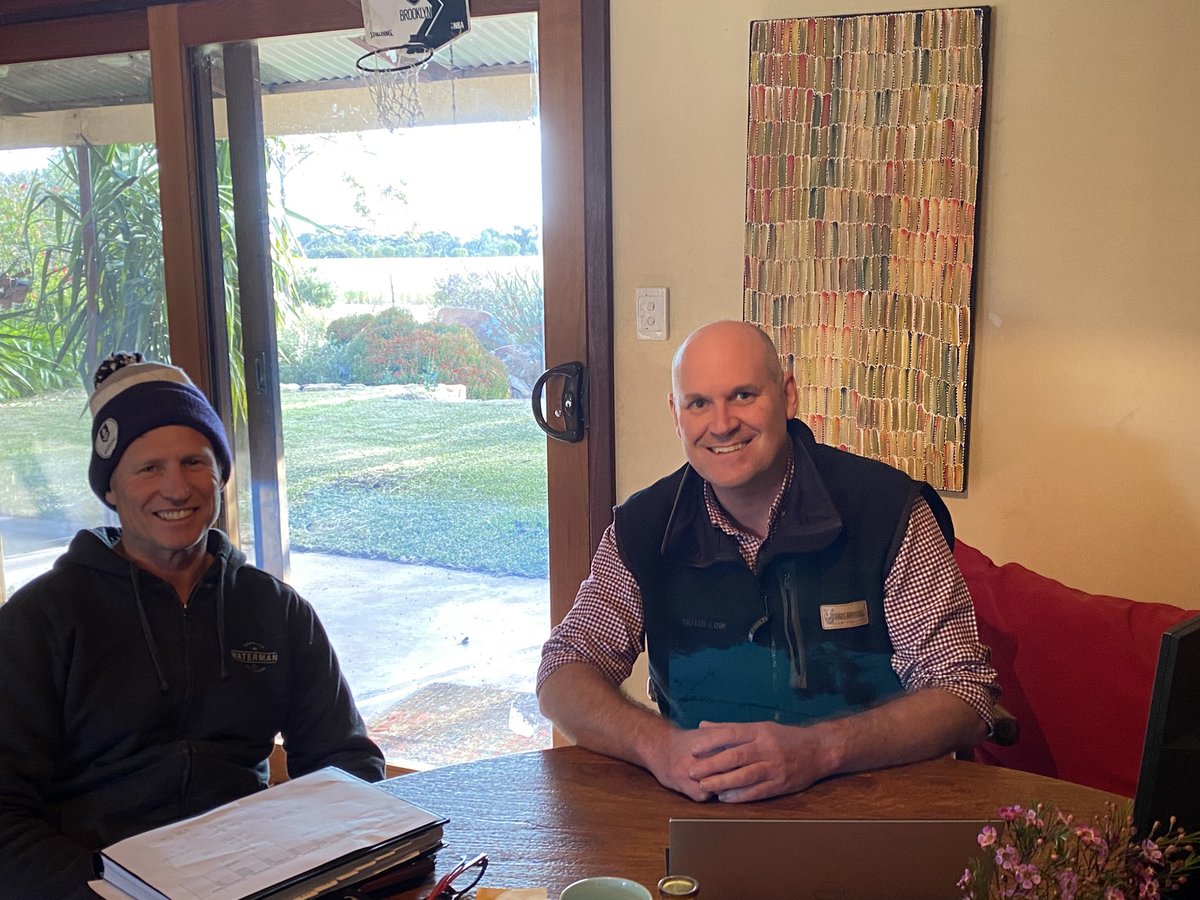
Chatting carbon calculators with @rich_brake & @WallworkSimon. We are a mixed cropping & livestock enterprise, where do you think our greatest emissions come from? Still some work to be done on calculators, but a great first step to @AgZero2030
Early info from #ProfitSeries2020 average seeding tractor horsepower in Low Rainfall Zone = 461hp, Medium Rainfall Zone = 429hp and High Rainfall Zone = 331hp
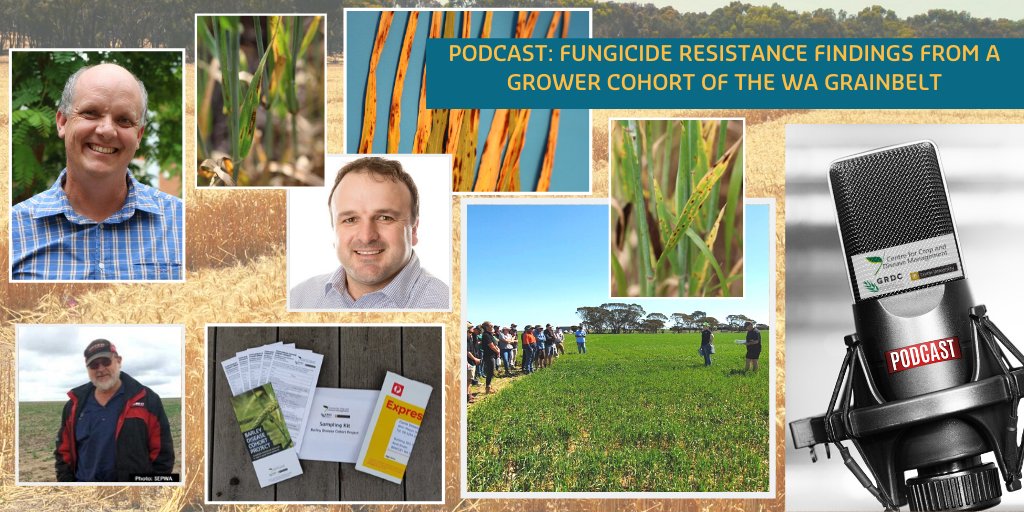
Barley grower cohort results are in & our latest podcast is out. Hear how our work with growers is helping reduce the mystery of net blotch resistance in WA. Grower Dan Sanderson, @Farmanco agronomist Chris Robinson sharing what it means for them https://t.co/8XW3UXb5xL