Detecting acute stress from body posture using AI? I was interviewed by the #radioeins radio show "Die Profis" about our @UniFAU@FAUEmpkinS research. Also, @MInkorrekt discussed our paper in their latest podcast episode!
Do we change how we move under acute stress? And can we use these changes to detect stressed individuals using machine learning?
We addressed this question in our latest @SciReports paper - check it out: https://t.co/LMzqjtST3X
Our paper published in OJEMB explains the urgent need for open algorithms for human gait analysis and explains our approach to developing new methods. https://t.co/ox08LXO1vc @AKuederle Nils Roth Martin Ullrich @rich_robe@MalteOlle Felix Kluge @BjoernEskofier ⏬ (2/3)
Der #Vagusnerv verbindet das Hirn mit unseren Organen – und hilft beim #Entspannen. Forscher untersuchen, was passiert, wenn man ihn gezielt stimuliert. Das könnte gegen #Stress helfen und sogar Krankheiten lindern. https://t.co/GQ6yxABP4g
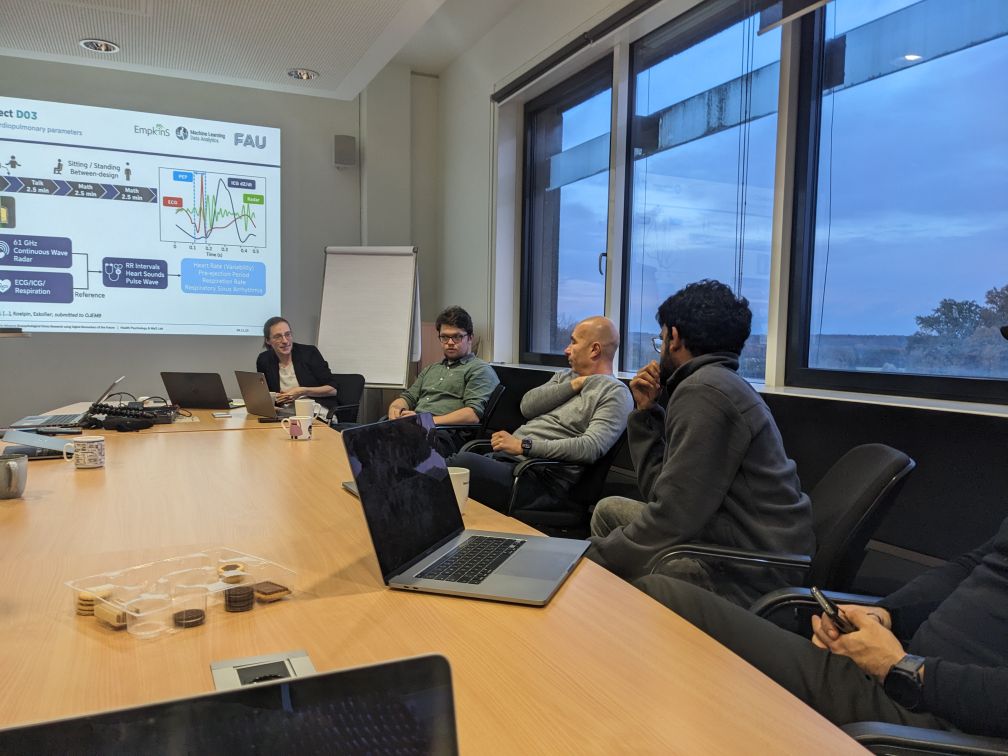
Today @rich_robe from and Nic Rohleder (@BioHealthPsychFAU) came to @CITEC and presented their research on digital biomarkers for stress responses. Really enjoyed learning about their stress+ and OpenTSST apps, contributing so much to the community with their #OpenScience way.
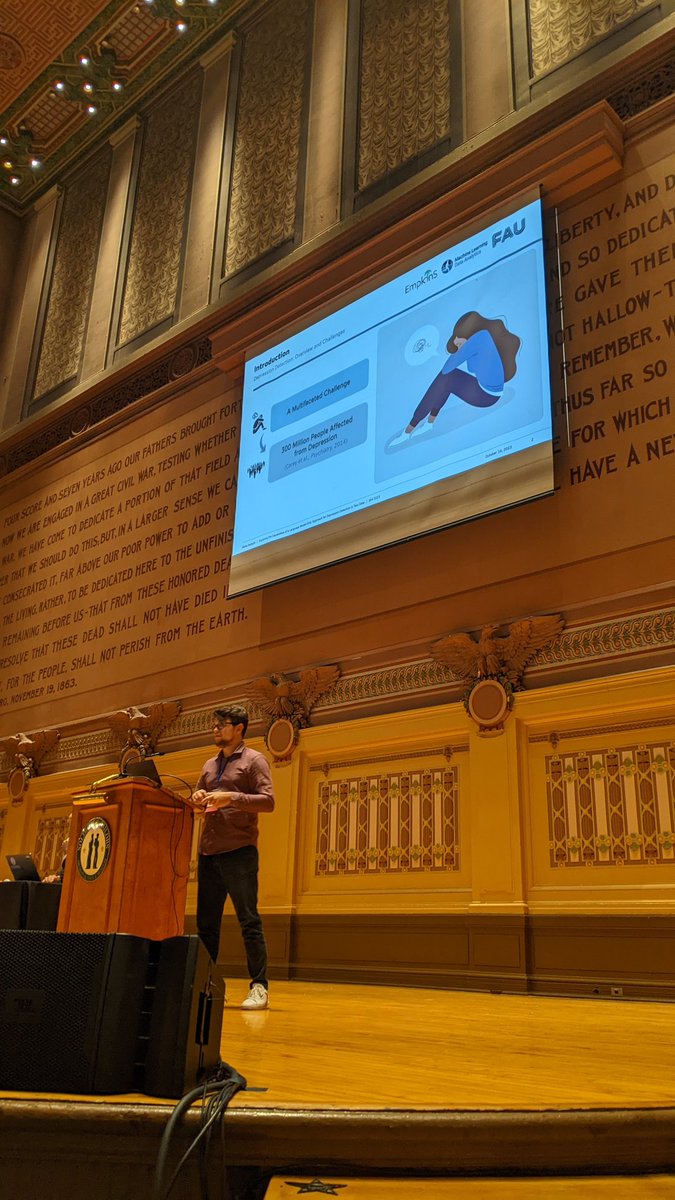
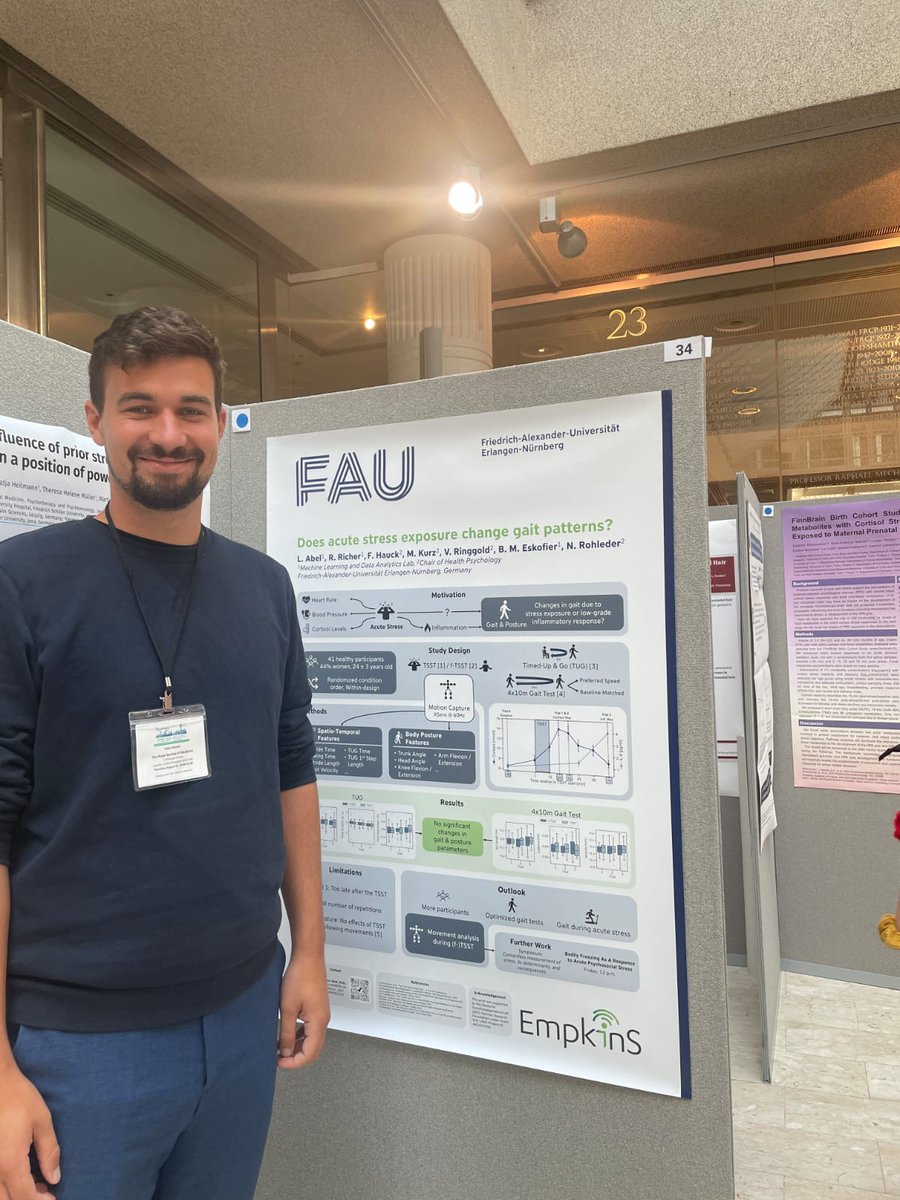
Back from #ISPNE2023 in London, where I got inspiring input and gave a talk on stress detection with #ML. Key message: There's a big difference between detecting whether someone looks stressed or whether their body reacts with a stress response. Read more: https://t.co/LsWoeiS7oT