The 4% rule sounds like a precise finish line. It isn’t
Bill Bengen’s original research pointed to a 4% withdrawal rate. His later estimate rose to 4.7% with a broader portfolio, while Morningstar’s 2026 figure is 3.9%.
At $40,000 in annual spending, that’s roughly $851,000 versus $1.03 million.
Your target can shift by hundreds of thousands depending on the assumptions.
Your savings rate, though, is something you can change. In one example, raising it from 10% to 20% cuts the timeline to financial independence by about 14 years.
Even small recurring costs add up: $100 a month means roughly $30,000 more invested at a 4% withdrawal rate.
The target is an estimate. Your savings rate moves the date.
$BTC’s downside risk is rising, and the pressure is coming from more than the charts
Hotter-than-expected US inflation has revived concerns about higher interest rates.
If borrowing costs stay elevated, investors may be less willing to take on risk or hold assets that do not generate yield.
Recent spot Bitcoin ETF outflows also point to weaker institutional demand.
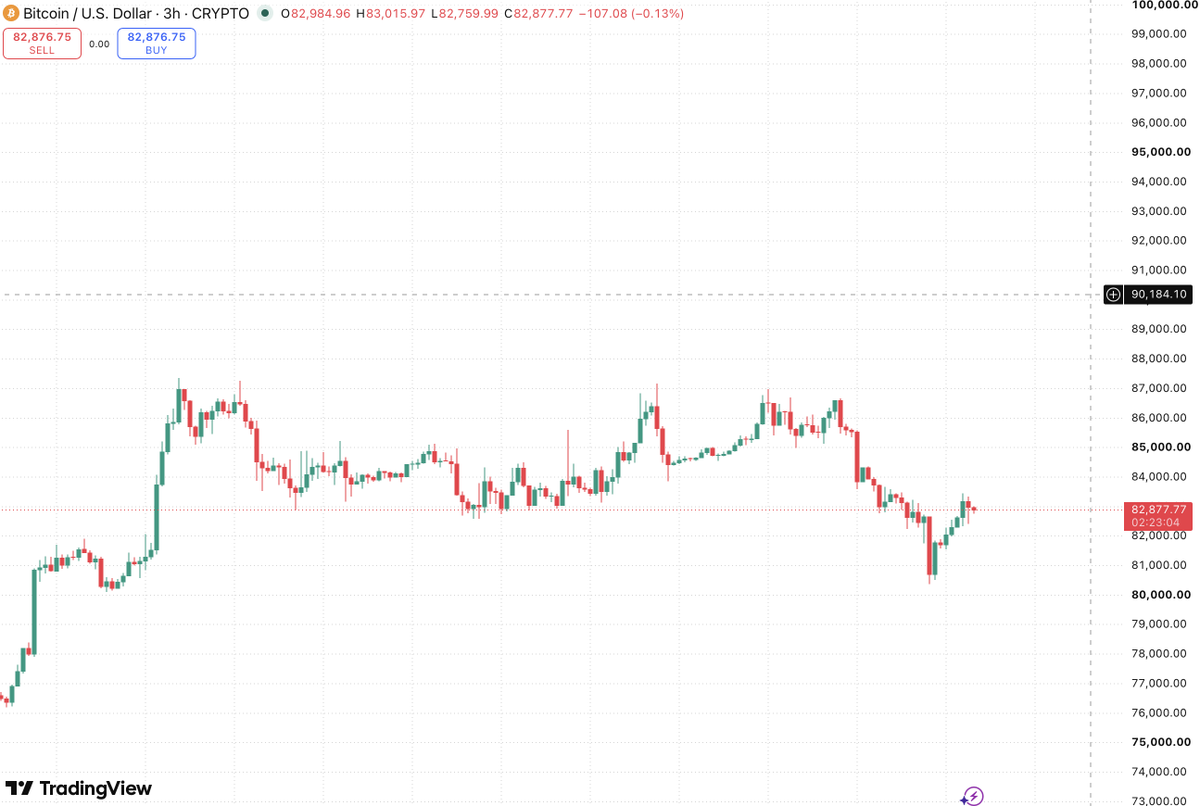
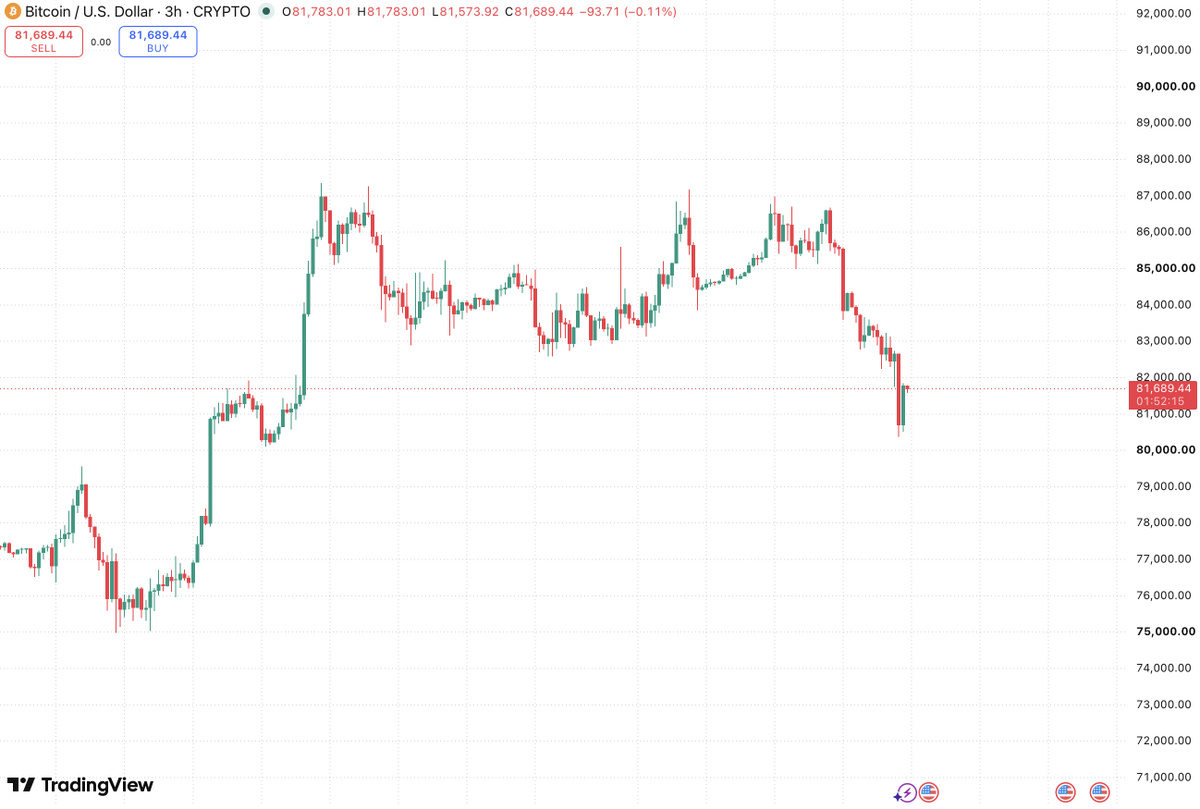
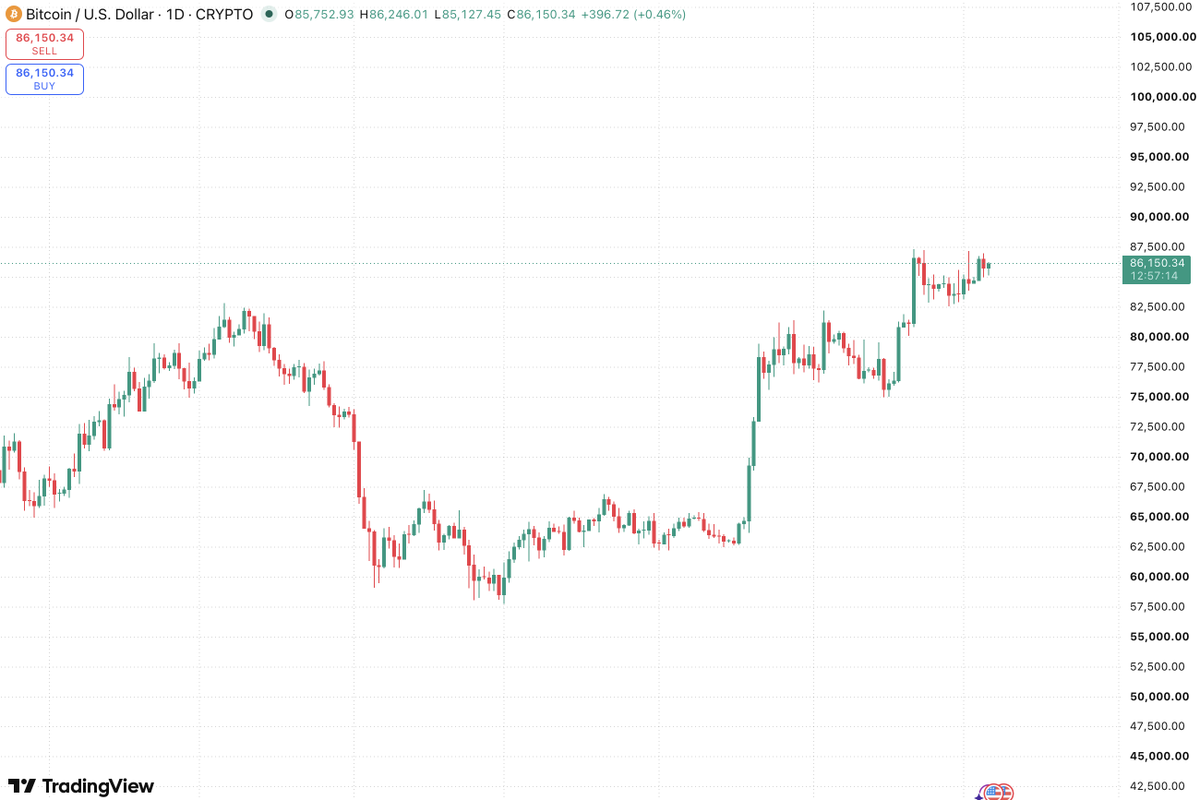
$BTC briefly bounced above $84,000, but a recovery without sustained inflows could lose momentum quickly.
If macro conditions tighten while buyers stay on the sidelines, a retest of recent lows becomes more plausible.
It’s a risk scenario, not a certainty. Stronger demand is needed to challenge it.
Saylor’s buying could soon be back in play
Back in June, I wrote that Saylor couldn’t buy Bitcoin at scale while $STRC was trading below $100.
$STRC is now almost back at par, but the cash is still going toward buying back $STRC itself, effectively repurchasing the company’s own preferred shares.
Since buybacks began in late July, about $1.65B has gone toward $STRC. Over the same period, the company added only around 4.5K $BTC net, worth roughly $380M.
Over the past two weeks, the gap has widened even further: $369M spent on buybacks versus just $50M on Bitcoin.
The market may still be underpricing the possibility of STRC returning to par and Saylor resuming $BTC purchases with a casual $2B, $3B, or even $5B.
On October 28, a vote on daily dividends for STRC is scheduled. The Fed meets that same day.
Are we waiting for the election outcome before $BTC repeats the last cycle’s correction?
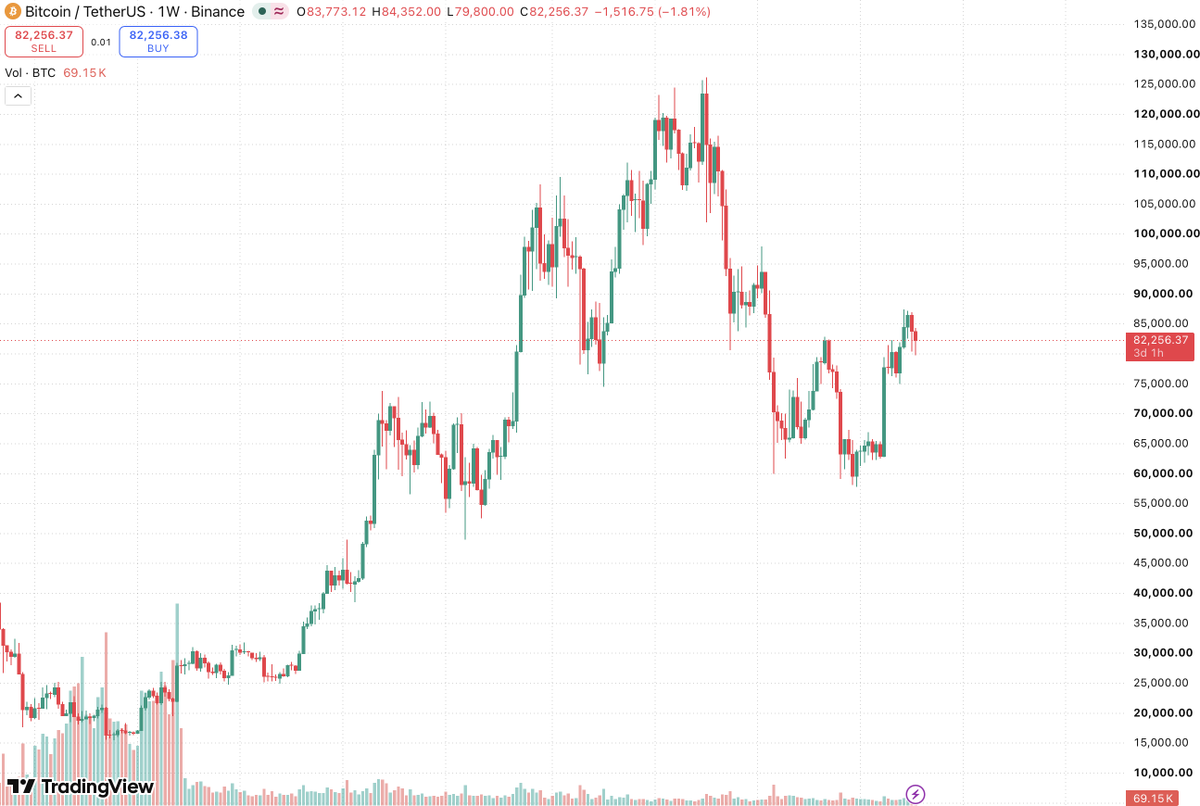
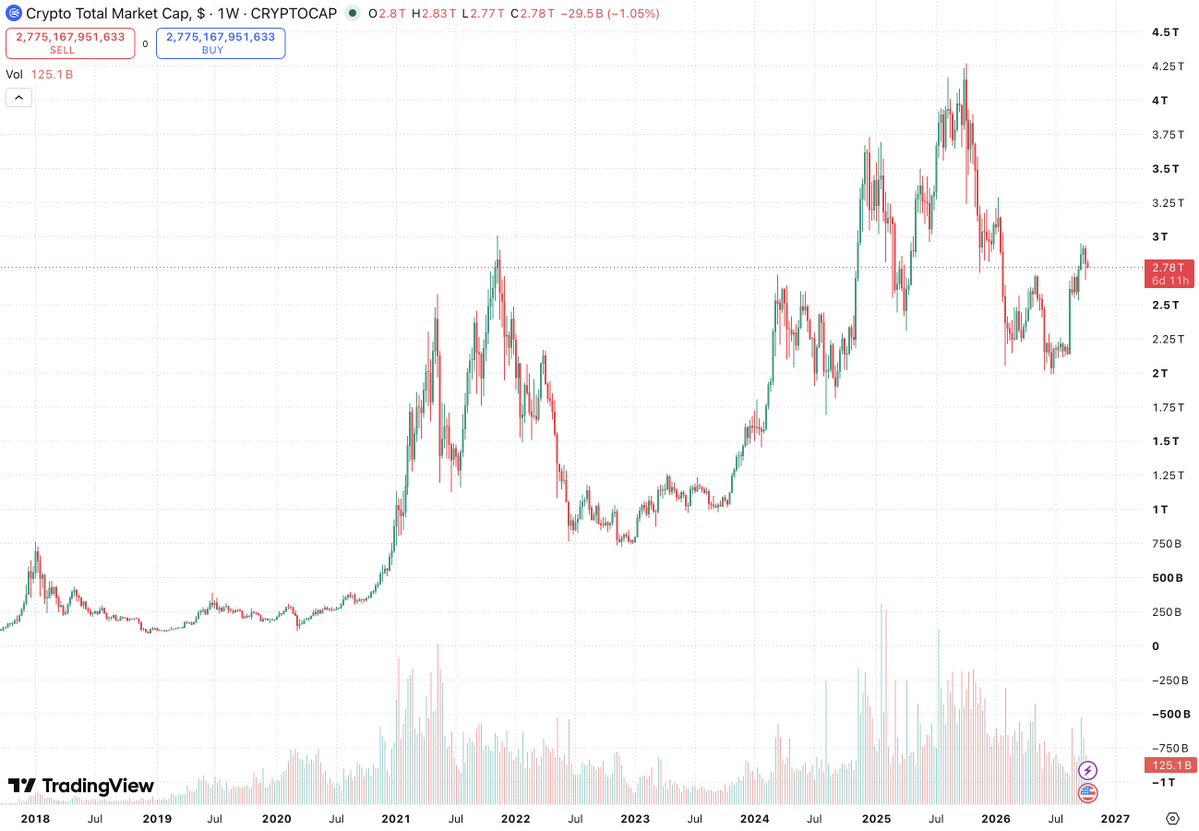
The timing is starting to look familiar. In 2023, Bitcoin’s early bull-run phase formed two local tops, pulled back, and then pushed higher.
The 2026 chart is tracing a similar pattern so far.
If it holds, election uncertainty could trigger another shakeout.
Five fundamentally strong tokens on my watchlist right now:
1. $SOL - fast network with expanding payment rails, including MoneyGram
2. $LINK - oracle infrastructure expanding into cross-chain finance through CCIP
3. $HYPE - trading fees fund systematic token buybacks
4. $AAVE - major lending protocol; V4 is expanding, and the DAO runs a revenue-funded buyback program
5. $BNB - utility across a large app ecosystem, plus recurring token burns
The filter: real usage, revenue, and demand beyond hype
As things stand, I don’t think the local rally is over
The market doesn’t look overheated: leverage is still moderate, longs aren’t crowded, and funding is healthy.
At the same time, the Coinbase premium is negative, while ETF outflows have only just stopped.
I think delayed demand from U.S. TradFi could still come in. If it does, $BTC could move toward $90K–$93K, or even higher.
Too late to add here
In my view, adding at these levels no longer offers an attractive risk-to-reward. If I trade, I’ll use profits only, with tight stops below breakout levels on tokens showing strong momentum. $NEAR is one example to watch.
Spot over speculation
My main focus is spot, not short-term speculation. A trade can work or fail; it’s easy to get the direction or timing wrong. Spot exposure lets me participate if the broader market keeps rising.
My portfolio
$BTC - 27%
$HYPE - 23.5%
$ETH - 21%
$USD - 19.5%
$SOL - 6%
$SPY - 3%
My stablecoin allocation is currently just under 20%. The market has rallied significantly, so that share has naturally declined. I’m not planning to take profits for now; I’m only looking to add.
What I’m looking to add
I want to increase my altcoin exposure, something I hesitated to do over the past few months. I’m watching $LIT, $UNI, $AAVE, $JUP, $PEPE, $MNT, $NEAR, and $ONDO, but I’ll be looking to buy on a correction.
A strong shakeout - is the rally set to continue?
After a two-day correction, which briefly pushed $BTC below its March highs, the market is seeing strong dip-buying from large players again.
• Whales added $400M in long exposure today
• Abraxas Capital bought $200M worth of $BTC
• BlackRock has continued buying aggressively over the past two days
This zone has received solid support, keeping the odds of a weekly close above it favorable.
Longs today were solid, but definitely more advanced.
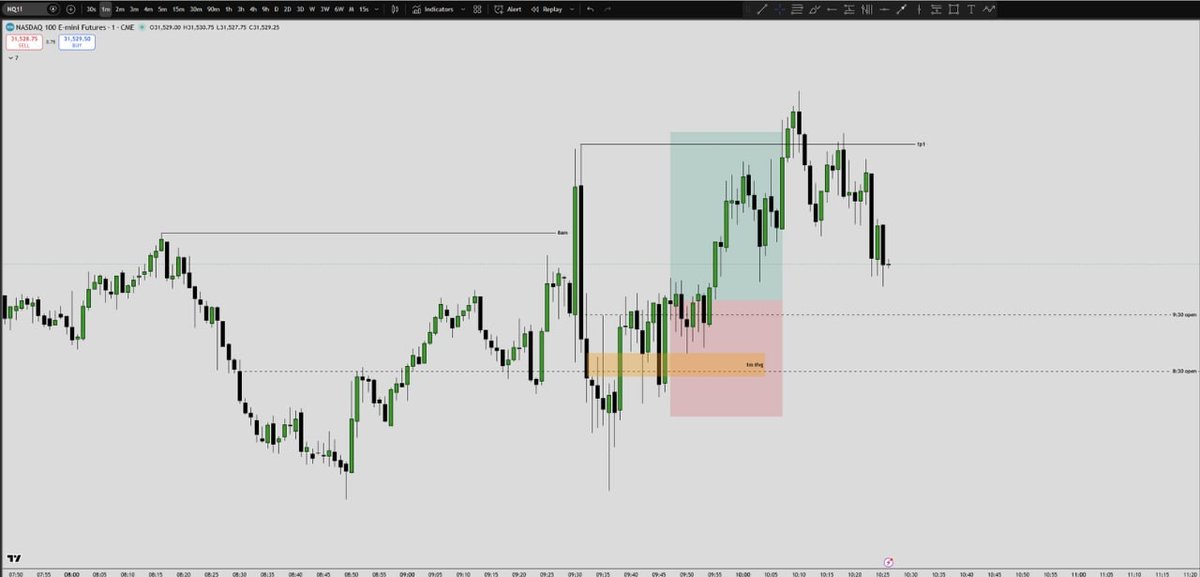
Why I went long:
• ATH bullish price action
• 15m FVG held as support
• Price reclaimed the 8:30 + 9:30 opens
• Both opening levels began acting as support
• 1m IFVG formed for the entry
Price was struggling to attack the important swing lows, which was another sign sellers weren’t getting acceptance lower.
Management:
• BE at the 5m rejection block midpoint
• Target: Range high
Good example of why you follow what price is accepting and rejecting instead of forcing a bias.
The bull market is still going strong
So far, the market is holding up well. Large buyers stepped in around $85K–$86K, while liquidity continues to rotate into altcoins.
ONDO is already up nearly 40% since yesterday, lifting the broader RWA sector with it. On-chain activity has cooled slightly, but there are still plenty of setups to watch.
The one concern is the reported ~$350M Bitget @bitget exploit. The situation appears to be under control: cold wallets remain untouched, losses are expected to be covered by the protection fund, and withdrawals are expected to resume.
Still, it’s another reminder that centralized exchanges remain vulnerable. Don’t keep all your assets in one place. Diversification and self-custody matter.
Regulatory account freezes on major exchanges are another risk to keep in mind. As we’ve always advised, keep only the funds you need for active trading on an exchange.