A few thoughts I had on the difference in state response to BLM and MAGA, and the difference in outcome published in @johnmenadue. https://t.co/55dUHH3O0S
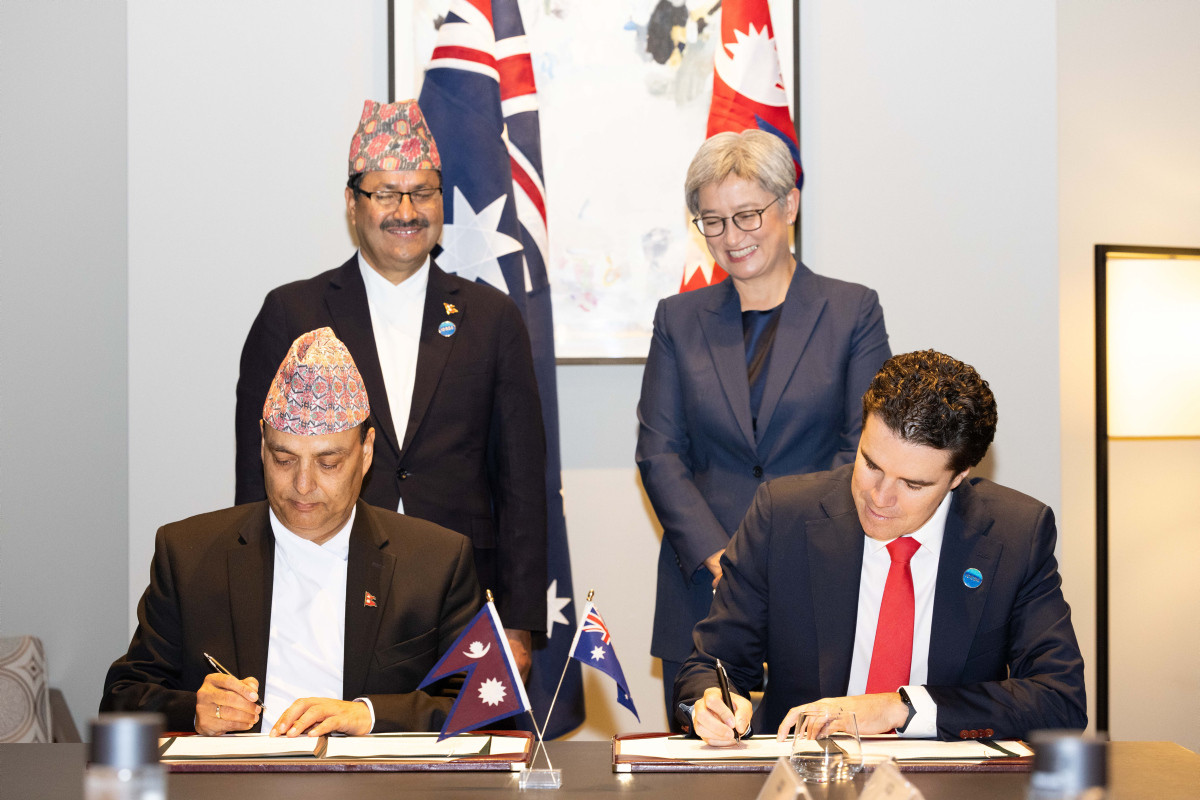
Australia and Nepal are close friends and our relationship is underpinned by deep people to people links - Nepali Australians are our fastest growing migrant community.
@Mr_Andrew_Fox Useful post, thanks. But those syria figures seem to be a gross underestimate. Unless it’s only the isis/saa dyad, in which case you’re missing the enormous civilian casualties inflicted by Assad.
This idea comes up more and more. But it fails to recognise established doctrine from Middle East where an attack on allied forces results in killing of a senior enemy leader, destruction of a military installation etc. no reason to think eur won’t retaliate
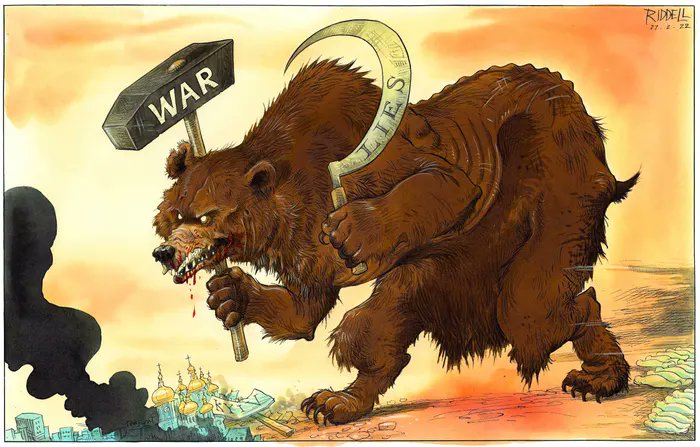
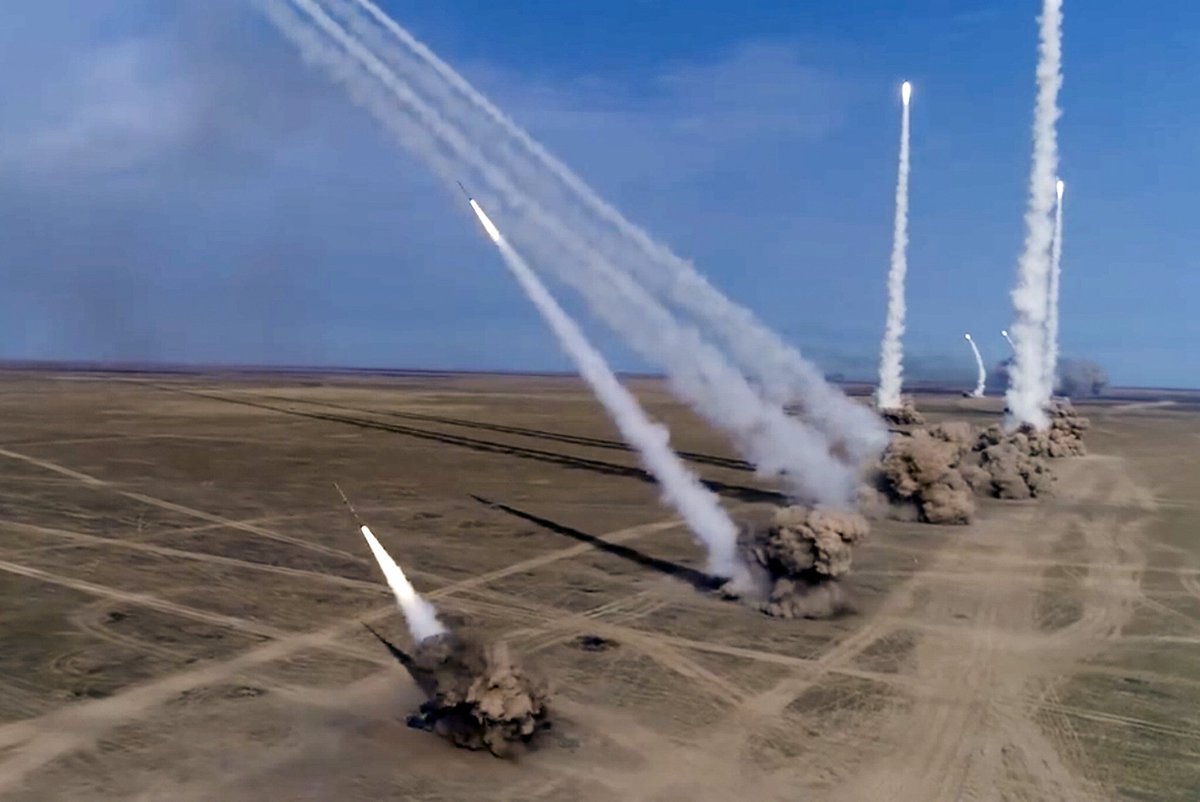
Anders Puck Nielsen, a military expert, has published a YouTube video in which he discusses whether Russia can indeed attack NATO and whether a Russia-NATO war is really possible. His line of thought looks logical to me, so I want to share his conclusions with you.
Mr. Nielsen argues that, while Russia is indeed unable to launch a full-scale invasion against NATO countries, it is quite capable of attempting to break the Alliance apart. Russia is interested in establishing a new geopolitical reality in which NATO ceases to exist and Russia can have bilateral relations with each country separately, not through an "umbrella" of an alliance.
Russia might start by launching a small "military operation" on just one NATO country - Northern Finland seems a possible location. The scale of the strike should be enough to "trigger" Article 5, but not large enough for a guaranteed full-scale response by the NATO forces.
In that case, Russia would watch NATO's response closely. If other NATO countries (and the US, in particular) will decide that it is not necessary to get involved due to the "minor" nature of the incident, that would effectively mean that NATO Alliance is over. And that opens a lot of favorable opportunities for Russia.
If, on the other hand, NATO acts clearly and decisively and shows that the Alliance is indeed willing to go to war for a small piece of "insignificant" land, it is probable that Russia will back off.
What do you think about this scenario?
Source: Anders Puck Nielsen/YouTube
📸: The Guardian
TEARS IN MY EYES!
Caribbean Cricket Podcast was built for these moments to revive the rallying spirit for the diaspora & beyond
We been so downbad as a sporting institution but kept rallying throughout it all
This is sport - this is why we must always rally round the WI
This is an interesting thought experiment. But surely Ru strikes across NATO capitals = immediate and comprehensive destruction of Black Sea fleet incl naval bases at a minimum? Ample capacity in Fr and UK arsenals.
In this thread, I will explain why we are much closer to war with 🇷🇺 than most people realize and why our time window for rearmament is shorter than many believe. In my opinion, we have at best 2-3 years to re-establish deterrence vis-à-vis 🇷🇺. Here's why 👇 1/20
any disciplinary actions en-mass would be unwise against legitimate industrial concerns. Rioters are beyond opportunists, reminding of deep issues and frustrations. Implications from the 10 January events will continue for months including on some key political calculations. 2/2
Theory: the biggest development in warfare in the last ten years, and one that has substantively changed the nature of warfare, isn’t drones. It’s information.
We now live in a world where, we still see the decisive military acts of taking and holding ground, killing the enemy, and all the horrors of war go that go with it. But we also now live in a world where, if the circumstances are right, through information warfare you can significantly damage your enemy’s ability to fight and potentially even win a war.
Strategic use of information isn’t new: Caesar sent propaganda reports back to Rome to be read in the Forum and win popular support. Lord Haw-Haw sent his famous “Germany calling” broadcasts in the Second World War. These were attempts to undermine morale or generate emotional reactions in domestic audiences.
What *is* new is the onslaught of misinformation and direct attacks on the domestic support of allies. It’s being done on a scale never before seen, thanks to the internet.
NAFO gave us all a chuckle and have done great fundraising and awareness work. Arguably more effective, though, has been the focused, targeted disinformation on the American electorate by Russia. Whole strips of the American right have been convinced that Ukraine is spending American tax dollars on yachts and villas, whilst being populated by Nazis. Easy to dismiss by anyone sensible as extreme silliness, but with a Presidential election this year, if the outcome of the election results in cutting funding for Ukraine, they lose the war. It’s astonishing that the sheer power of misinformation warfare can lead us to the point where Ukraine might be abandoned by their biggest ally. In any other time, full-throated Western support for an ally in this situation would be a given.
Of course: Russia still have to do the attritional hard yards of fighting. The misinformation warfare can’t stand on its own; but it could be a decisive factor in the outcome of this war.
And then Israel/Gaza. The Israelis have been absolutely battered in the information battle. Whatever your stance on this conflict or views on Israeli targeting processes, it’s undeniable that footage of modern weapons in an urban setting make shocking viewing.
But throw in the common use of footage from other conflicts such as Syria and claiming it to be Gaza: one post on here can get 1000s of likes and retweets. No matter what the community note, that message is indelibly printed in the minds of those who see it and scroll on without source analysis, and their opinions on the conflict are formed and reinforced.
And such is the power of information in this instance, it has given attention to this campaign sufficient momentum that Israel now face an ICC case. A very new development: other conflicts in the last ten years have seen far worse atrocities and far higher death tolls than Gaza, but have not faced similar trials. It’s the sheer availability and scale of information that has generated a global reaction leading to where we are this week.
Even that ICC case isn’t free of misinformation. One of the cited pieces of evidence to show genocidal intent in the submission is a quote from an alleged former Knesset member… who doesn’t exist.
This is a different situation from Ukraine: whilst misinformation is undoubtedly a factor, the sheer scale of *information* available is beyond the average person’s ability to analyse, so people will naturally revert to an instinctive reaction: horror at the nature of war. Captured, shared, and seen in almost real time in a way never before seen in warfare.
So what does all this mean for future conflicts? Firstly, any military action is likely to take place somewhere images can be captured and shared. The end results of using our weaponry are horrific. High explosives do terrible things to human bodies and buildings. We have to expect that these weapon effects are going to be visually captured and shared widely. 1/2
If you or someone you know is going through violence and need assistance, contact our case management centres. You can also send message on Femili PNG Facebook page or email at [email protected] or contact us here: https://t.co/Bx2kLD6x7n
#EndViolenceNow
@AusAmbNP@paras77@CricketNep Fantastic news! Watching Everest league t20 at Tribhuvan university grounds in 2017 was one of the highlights of my time in Nepal.
Today my PhD was conferred. I had a fantastic time over the past four years with @Alex_J_Bellamy @suz_fay and Ben Goldsmith writing about sustaining peace after war’s end.
@terencewoodnz@devpolicy @mikemain71 “internal urging for cultural change is not confined to Australian society, or to Western societies. It is a fundamental aspect of our shared humanity”. This is brilliantly put.
BRICS and PIGS were loose analytical acronyms invented around the same time. One reviled and one embraced by countries represented. Neither make any sense as an economic or geostrategic alliance.