@grassrootsag@NSW_AGRONOMY And likely to be a high level of spatial variability in unlimed soils. This figure from an old study follows Mn2+ availability over 12 months from 4 small plots on 2 acidic soils. Full paper: https://t.co/8ewJRszAiT
Our most recent study, Failures in the Australian pasture seed market after 30 years of Plant Breeder’s Rights.
Similar failures likely exist in some crop spp. and in other countries where similar laws exist. https://t.co/iddEUTwg90
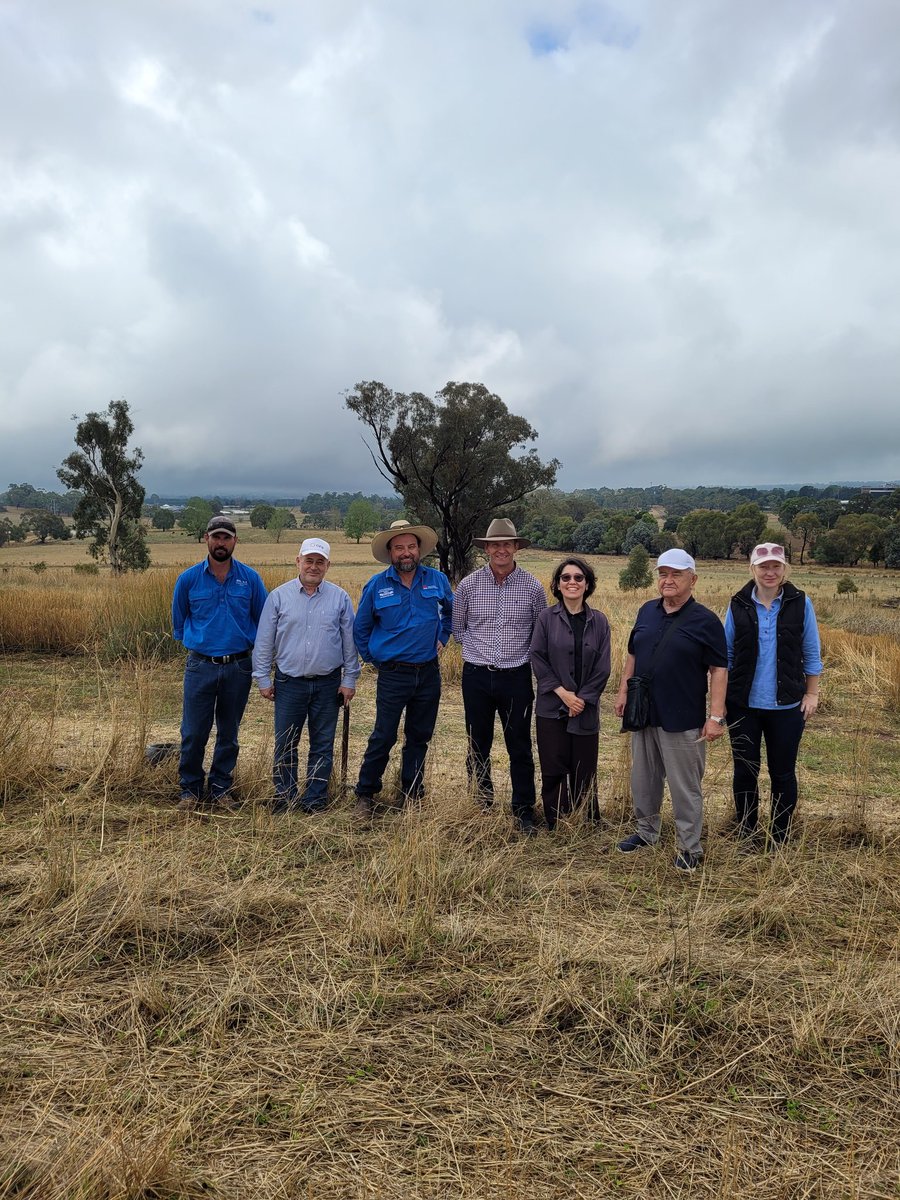
"It's taken 100 years for perennial grains to get where they are today. By collaborating, we ensure it won't take another 100 to make real progress." Dr Amir Amanov
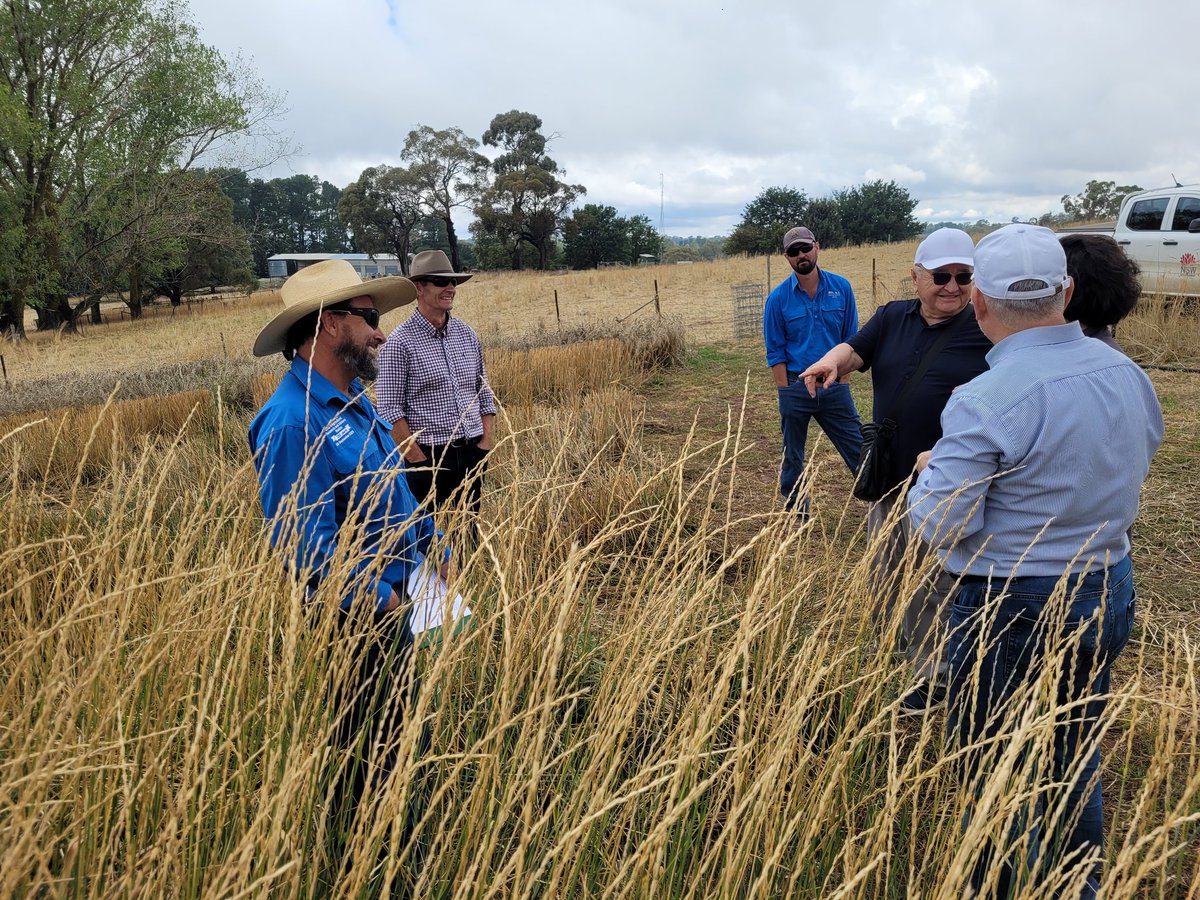
He and Dr Fayzulla Abdullaev are visiting from Uzbekistan to talk global perennial research and tour DPIRD sites.
@lawbal44 Must be the season for it. We have just finished sowing 40 ha near Crookwell, and I have just placed my order for seed for next year to replenish the stocks.
Also crutching Wednesday!
...The project was also an opportunity for some great interstate pasture research collaboration, e.g.
@Daniel_Kidd01
We don't do enough of it these days!
A new study of the phenology of serradella cultivars.
Legume diversity can only be achieved if there are a range of cultivars with diverse traits available to facilitate broad adaptation.
Flowering time informs cultivar choice.
https://t.co/mYS1bQ8MPj
@SuzBoschma@newellm_matt
🌾 Big news! The 2026 Australian Agronomy Conference is heading to Darwin - for the first time ever!
Join Agronomy Australia to shape this landmark event in the Top End. #Agronomy26 (2024 Conference attenders are already members)
👉 https://t.co/BkgvMDBmKW
A new study out reporting pasture response to lime and P fert at 5 sites in the Central Tablelands of NSW, monitored over 12 years.
Trials were run over 40 years ago, but results are as relevant now as ever.
Check it out:
https://t.co/C1LudHdJJK
A great new study from Pete Innes demonstrating the vernalization (cold) requirement of Mtn Rye.
https://t.co/5BI3cSm982
This basic research is essential in developing viable perennial grain crops for regions such as Aus.
@KeithPembleton@newellm_matt
@rattle_ya_dags@keepthesheepWA What is often overlooked is the huge potential for soil degradation if livestock are removed from the agricultural regions.
The likely outcome will be more intensive annual cropping, leading to d'land salinity etc.
Livestock are needed to keep perennials in the landscape.
@brill_ag In our study of soil variability, Colwell P was the most variable of the factors we measured.
We found you have to work hard and use good sampling methodology to achieve 15% precision.
https://t.co/uC0gAK1ydp
@brill_ag@theGRDC Especially important if you have subsurface acidity, as under-doing half the paddock won't hit the mark because the lime won't move vertically.
More results from @newellm_matt of recent perennial wheat grazing experiments, demonstrating perennial crops grown in mixtures with legumes used for grazing and grain. https://t.co/NKc5ohLhcA
@AndrewNixon22 Based on the work of Jason Condon & Helen Burns we are aiming for pH 5.8. Bigger investment but growers are seeing the longer term benefits, more yield & less variation.
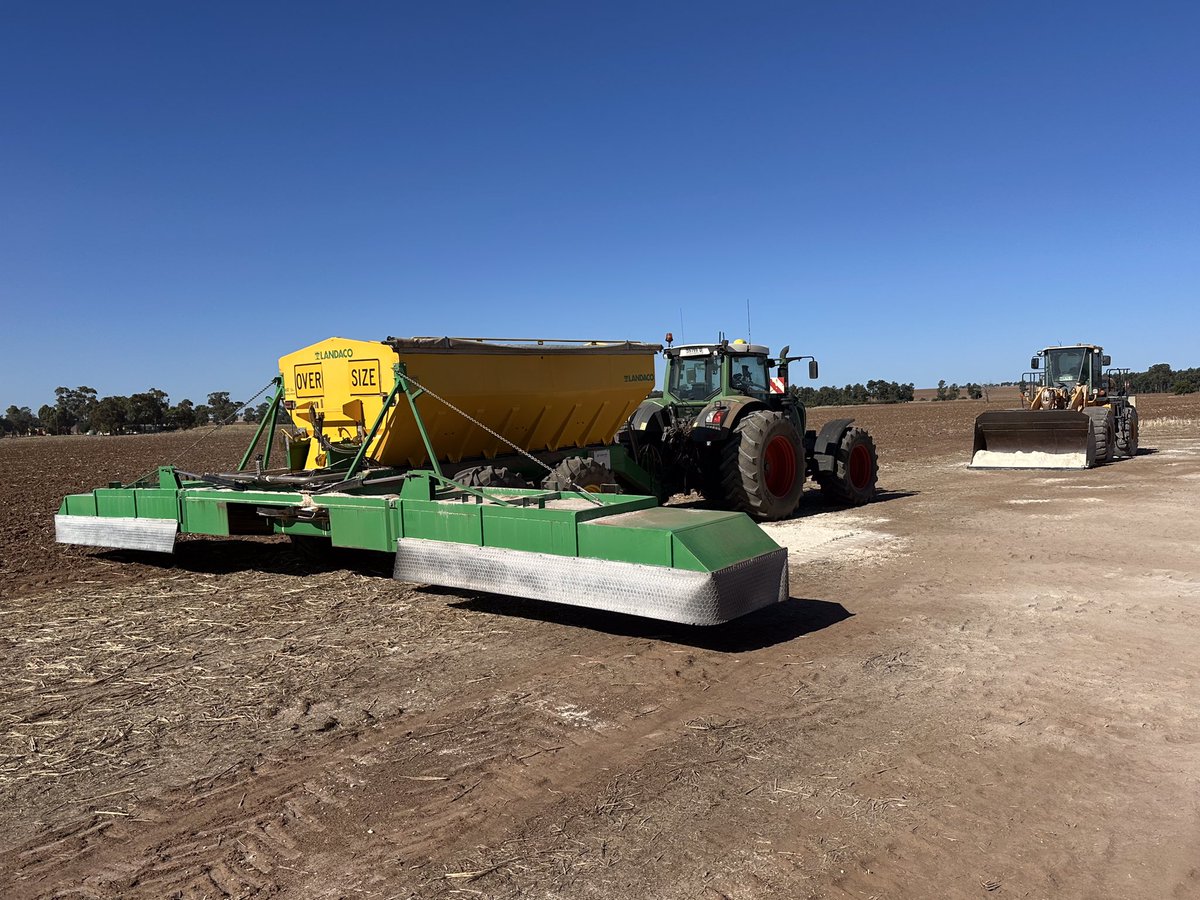
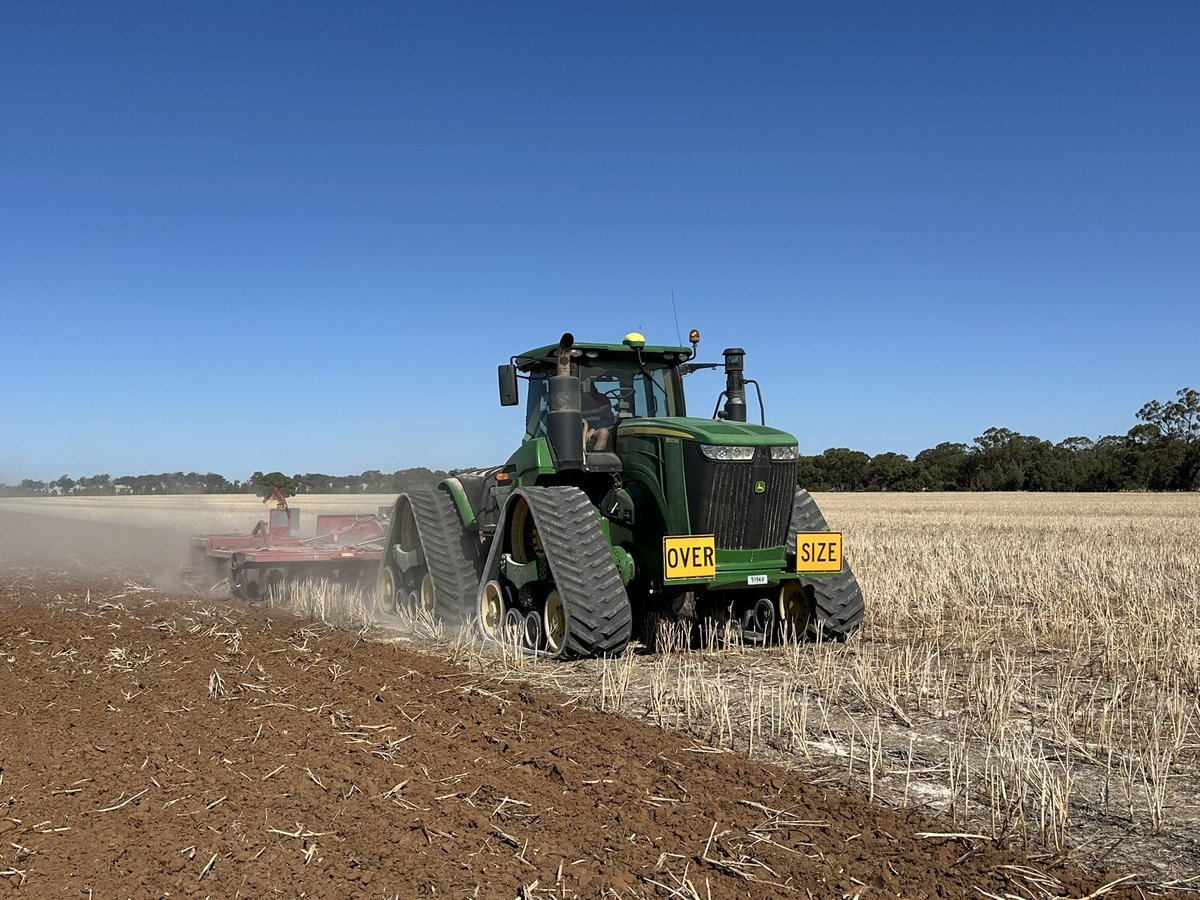
Lime spreading & incorporation in full swing with areas of favourable moisture. Lime rates calculated using CEC & target pH following 5cm segmented soil testing. An expensive process but proven to reduce stratification & lift yields. Horsch Tiger mixing lime to 230-250mm depth.