Moderator, meeting designer | ethics = reason + empathy | OW: "We're all in the gutter but some of us are looking at the stars” | I signed up for Twitter, not X
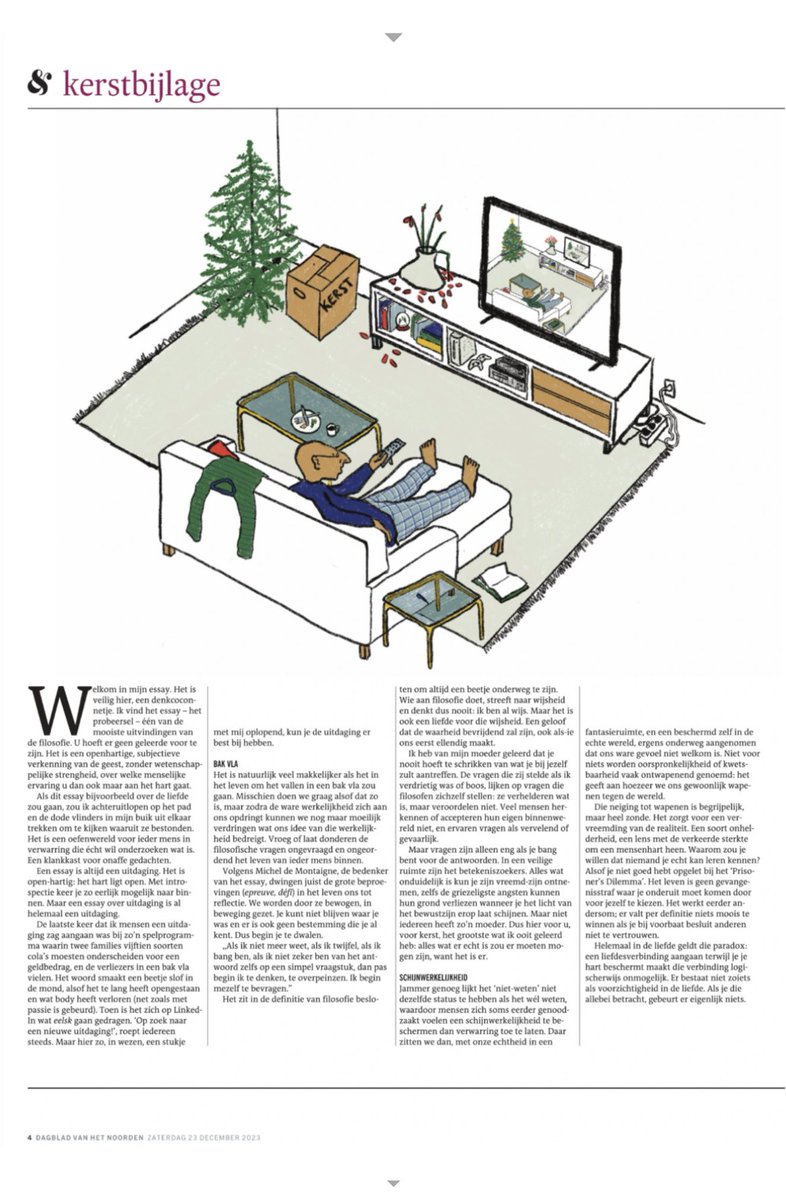
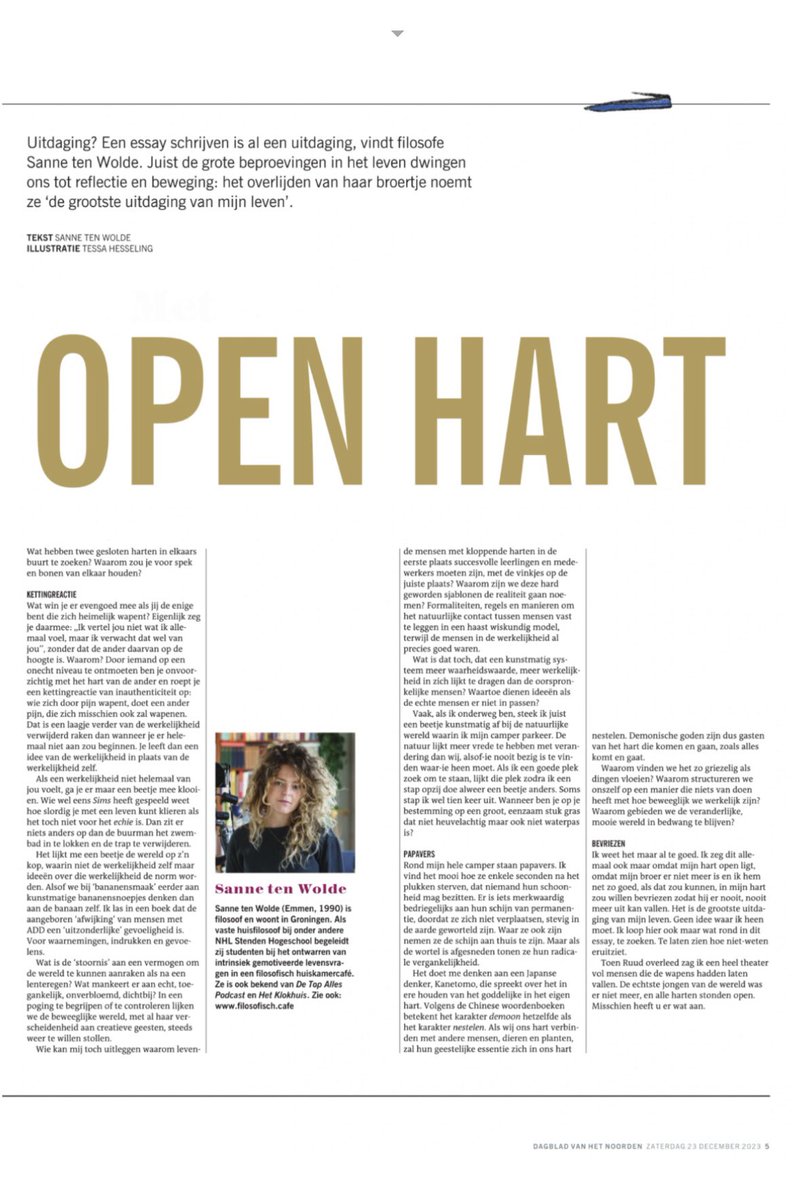
In een tijd waarin we worden aangespoord om elkaar in te delen bij allerlei -ismen, wens ik ons extra ‘essayisme’ toe. Ook hier op X graag minder loopgraven en meer probeersels!
How do free societies turn against themselves, and what can be learnt from them?
The Open Society as an Enemy by J. McKenzie Alexander, publishing #OpenAccess Autumn 2024.
📖This book will be free to read and download from the LSE Press website.
ℹ️ https://t.co/ssKxUJmEDC
Podcast time
A Letter from Africa featuring the wonderful @KuperSimon
https://t.co/Fl480bl7F3
Also if you are in Jo'burg, the South African launch on my book "Money" is tonight at 6 pm details below 👇 Rock up, if you are in town. Delighted to be chatting to @robrose_za
Men tend to interrupt women far more often than the other way around, and displays of confidence and directness decrease women’s influence but increase men’s. What else could be affecting how women are perceived in your workplace? https://t.co/mbP8I3n25w
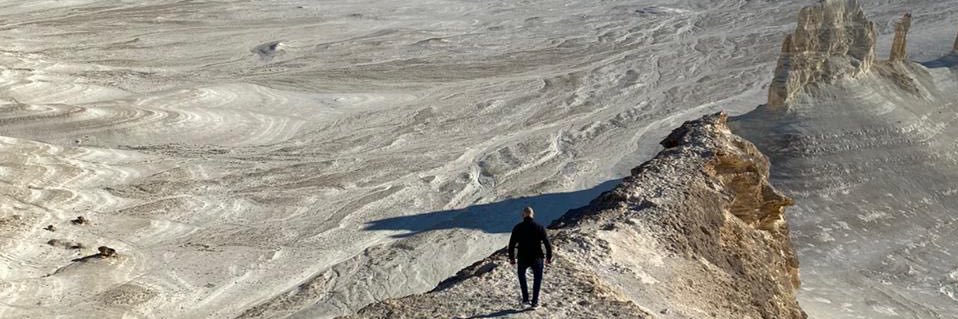
@PaulSloane Exciting Paul, and yes, Uzbek plov is a steppe staple! Another reason is you could easily (and cheaply) explore the region from there. I sometimes do that from Astana; so far I recommend rather boisterous Almaty and hidden gem Dushanbe
Er was eens... De Sprookjespodcast!
Interviewer/podcastmaker @bastibaroncini en ik bespraken Aesopus' Fabels. Ons eerste gesprek staat nu online, over De Vos en de Druiven: "wat als je iets dolgraag wilt, maar niet kunt krijgen?"
https://t.co/0G0CZ34kRZ?
Word of the Day (because it’s about time) is ‘respair’, from the 16th century. It means fresh hope, and a recovery from despair. One of too many lost positives we could do with bringing back.
Wishing everyone a gruntled, gormful, ruthful and feckful New Year, full of respair.
@MathieuLLSegers@SPolinder Gefeliciteerd! Prachtplaat, juist ook onder de boektitel The Origins (…), aangezien de eerste letter van ons alfabet een gekantelde ossenkop uitbeeldt (aldus Joep Leerssen - Spiegelpaleis Europa)
@MirjamBoer2@PartijvdDieren Jazeker: @malouvh, ontegenzeglijk een immens @GoedeDagVzitter! Complimenten voor haar scherpe, bij-dehante optreden gonsden gisteren door onze vakgroep. Apetrots op hoe onze vliegensvlug denkende vakgenote deze zwerm voorzit
12 Reasons Why Cities Need More Trees:
1. Temperature Control
One large tree is equivalent to 10 air conditioning units, and the shade they provide can reduce street temperature by more than 30%.
2. Noise Reduction
Trees can reduce loudness by up to 50%. In urban areas filled with the sound of cars, construction, sirens, aeroplanes, and music, trees are essentially the best way to block noise and keep cities — along with the homes and workplaces in them — quieter.
3. Air Purity
Trees remove an astonishing amount of harmful pollutants and toxins from the air. In urban areas air quality is often disastrously bad — with severe consequences for our health. Trees make the air we breathe much cleaner.
4. Oxygen
And, while absorbing all those pollutants, trees also put more oxygen back into the urban environment. Oxygen levels are significantly lower in cities compared to the countryside; trees help to solve that problem.
5. Water Management
Trees do more than just shelter us and our buildings from rain — which is, in fact, extremely important. They also absorb huge quantities of water, reduce run-off, neutralise the severity of flooding, and make flooding more unlikely altogether. Not to forget that their roots absorb pollutants and prevent them from feeding back into a city's water supply.
6. Psychological Health
Studies have proven what we instinctively know to be true: that human beings are significantly happier when surrounded by nature rather than sterile urban environments. Our emotions, behaviour, and thoughts are shaped by the places we spend time — and trees have a profoundly positive effect on our psychology. The consequential benefits of being happier and more peaceful — as individuals and as a society — are immense.
7. Physical Health
Beyond all the other ways in which trees improve air quality and the urban environment, much to the benefit of our health, they also encourage people to go outside. Cycling, running, and walking are all more common in urban areas with plenty of trees. A knock-on effect of people spending more time outdoors is also social integration and stronger communities.
8. Privacy
A simple point, but not inconsequential, is that trees provide privacy.
9. Economics
The total economic benefit of urban trees is hard to calculate. There are costs, of course, including the repair of infrastructure damaged by roots and maintaining the trees themselves. But the total economic benefit — a consequence of everything else in this list and more — far outweighs the expenditure. Trees make cities wealthier.
10. Wildlife
Trees are miniature cities all of their own, serving as a habitat for hundreds of different species, including birds and mammals and insects.
11. Light Pollution
Trees don't only block the light shining down, therefore keeping us and our cities cooler — they also disrupt light shining up, from street lighting, cars, houses, and billboards. Skies are clearer in cities with more trees.
12. Aesthetics
And, finally, trees are beautiful. They break up the potential monotony of urban environments — the sharp geometry, the greyscale roads and buildings, the endless rows of cars — with their trunks, boughs, canopies, and flowers.
Just think: the gold and red of falling leaves in autumn, the white and pink blossom of spring, the vast green canopies of summer, and the branches lined with hoar-frost in winter. Every single tree is a myriad of intricacy and texture, of colour and scent, of dappled light on the pavement, mottled bark, knotted roots, of clustered leaves and delicate petals and stern boughs.
Few streets would not be improved by the kaleidoscopic aesthetic delights of a tree, not to mention the many different species of tree, all over the world, whether willow, oak, lime, cherry, aspen, maple, birch, horse chestnut, dogwood, hornbeam, ash, sycamore... the list goes on.
There are some drawbacks to urban trees, most of them context-specific, and they are not — of course — universally appropriate. But it seems fair to say that many cities would benefit from at least a few more trees here and there.
Dit is de 13e keer dat ik betreur dat je maar één jaargang mag deelnemen aan de @BKBAcademie. Wil je campagnes leren bekijken, bediscussiëren en bedenken met generatiegenoten die net zo verslingerd zijn aan politiek? Meld je aan voor de nieuwe lichting:
De aanmelding voor #BKBAcademie ‘24 is sinds vandaag geopend!
Wij zoeken mensen tussen de 18 en 28 jaar, die maatschappelijk betrokken, kritisch en creatief zijn.
Ken of ben je zo iemand? Like, deel en tag.
Aanmelden kan tot maandag 26 juni:
https://t.co/INeM3LYdiS
@SaraDeenen@reputatiegroep@Twitter Inderdaad, treffend thigmofiel. Lankmoedigheid ook mooi om weer eens te zien, voor het laatst bij Bas van der Vlies. Fijne zondag!