I have already shared the Order ID. I do not have the batch details anymore.
Before using the eggs, I checked the expiry date on the pack—it was within date. However, after boiling 3 eggs, all of them were rotten inside with a strong foul smell. Due to the condition, I immediately discarded both the eggs and the packaging.
I still have 27 eggs left, but given the condition of the first few, I cannot risk consuming them.
This is clearly a defective batch and a food safety issue. Please arrange to take back the remaining eggs and issue a full refund at the earliest.
Received a tray of 30 eggs from @letsblinkit (Order ID: ORD39036140559). Used 3 eggs — all were rotten and unfit for consumption. This clearly indicates a defective batch. This is not just poor quality — this is a food safety issue. The product was supplied by an FSSAI-licensed seller, yet spoiled food was delivered to a consumer. The “unused” condition in return policy cannot apply to food items like eggs, where defects can only be discovered upon use. I expect an immediate full refund and accountability. If not resolved promptly, I will escalate this under consumer protection and food safety laws.
I have already explained the situation clearly
There was no external damage to the tray. However, after boiling 3 eggs, all of them were rotten inside with a strong foul smell. They had to be immediately discarded, which is why I cannot provide images of the cracked eggs now. This is clearly an internal quality issue and a defective batch, not a handling problem.
All relevant details including order ID and product have already been shared. Kindly proceed with a full refund without further delay.
There was no visible damage to the tray or eggs from the outside. However, after boiling 3 eggs, all of them were rotten inside with a very strong, foul smell.
Due to the condition, they had to be immediately discarded, so I’m unable to share images of the cracked eggs now.
This clearly indicates an internal quality issue and a defective batch, not handling damage.
I request a full refund at the earliest.
ரெட்டை மரண தண்டனைக்கு சட்டத்தில் இடமுண்டு. இரண்டு குற்றவாளிகள் கற்பழித்து பின்னர் கொலை செய்ததாக வைத்துக் கொள்வோம். இங்கு கற்பழிப்பு ஒரு தனித்த குற்றமாகவும், கொலை மற்றொரு தனித்த குற்றமாகவும் கருதப்படும். அதனால், குற்றவாளிகள் மீது வெவ்வேறு பிரிவுகளின் கீழ் தனித்தனியாக குற்றச்சாட்டுகள் நிரூபிக்கப்பட்டு தண்டனைகள் விதிக்கப்படும். இவ்வாறு விதிக்கப்படும் தண்டனைகள் ஒரே சம்பவத்திலிருந்தாலும், சட்டரீதியாக அவை தனித்தனி குற்றங்களாகவே பார்க்கப்படும். இதன் காரணமாக, மேல்முறையீட்டில் ஒரு குற்றத்திற்கான தண்டனை குறைக்கப்பட்டாலும், மற்றொரு குற்றத்திற்கான மரண தண்டனை நிலைத்திருக்க வாய்ப்பு உள்ளது. அதேபோல், ஒரே வழக்கில் பல குற்றவாளிகள் இருந்தால், ஒருவருக்கு தண்டனை குறைக்கப்பட்டாலும் மற்றொருவருக்கு மரண தண்டனை உறுதியாகும் வகையில் நீதிமன்றம் தண்டனையை அமைத்துக் கொள்ளும். இதுவே நடைமுறையில் “ரெட்டை மரண தண்டனை” என அழைக்கப்படுகிறது.
மற்ற மதுபானங்களைப் போல கள்ளும் உடலுக்கு தீங்கு விளைவிக்கும்; நாட்டுக்கும் வீட்டுக்கும் கேடு விளைவிக்கக்கூடியது. அது தரும் போதையின் அளவு குறைவாக இருக்கலாம்; ஆனால் போதையை அதிகரிக்கச் செய்யும் கலப்பட நுணுக்கம் நம்ம வியாபாரிகளுக்கு தெரியாததா? அது உடலுக்கு ஆரோக்கியம் தரும் மருந்து என நம்பவைக்கப்படுவது கூட ஒரு நுணுக்கமான வியாபார அரசியல் தான். தடையை மீறி கள்ளு இறக்குவது சட்ட விரோதம் என்பது தெரிந்தும், அதை தடுக்க சென்ற காவலரை எதிர்த்து தலையில் தாக்கிய சூழ்நிலையிலும் கூட, காவலர் நிதானமாக காலில் தான் சுட்டுள்ளார். இது குற்றச் செயலில் ஈடுபட்ட தனிநபருக்கும் காவலருக்கும் இடையே நடைபெற்ற மோதல் மட்டுமே. இதில் ஜாதி எங்கிருந்து வந்தது? இது தேர்தல் நேர அரசியலாக கூட இருக்க வாய்ப்பு உள்ளது. நரம்பு-புடைக்கப் பொங்கி எழுதி தள்ளும் சீமான் தம்பிகளில் முக்கால்வாசி பேருக்கு கிடுகிடுவென காதுகள் ஆடுது; மீதி பேருக்கு இப்ப தும்முனா சரியாக இருக்கும் என சாதிய வன்மம் தான் தெரியுது.
Strait of Hormuz isn’t “open” — it’s politically filtered. Iran has allowed only a select group of countries like India, China, Russia, Pakistan, Thailand and Iraq to pass, while blocking the U.S., Israel and their allies.
Why is India on the allowed list? Five clear reasons: India is officially tagged as a “friendly country” by Iran, it is not part of the military strikes, it is a major oil buyer (economic leverage), it follows a neutral strategic policy, and its ships comply with Iranian protocols.
A disturbing case from Haryana has exposed serious failures in investigation. In a 4-year-old’s rape case, the Supreme Court found that the police diluted the offence from Section 6 POCSO to a lesser charge, effectively attempting to shield the accused. The Court slammed the “insensitive and unlawful” probe, noting that the child was re-traumatised in the process. An SIT has now been formed, and action against erring officials is underway.
India isn’t facing a fuel shortage—but a policy shift is underway. The Centre has ordered that households with access to PNG must switch, or LPG supply may be cut off. This comes amid global disruptions due to the West Asia conflict and Strait of Hormuz tensions. At the same time, the CCPA has banned restaurants from adding “LPG” or “fuel surcharge” on bills. The government says stocks are adequate and urges people to avoid panic buying. Crisis outside, transition inside.
The Supreme Court has sounded a warning — citing AI-generated fake judgments is now a growing menace, not just in India but worldwide. Courts are wasting valuable time verifying non-existent cases, and such conduct may attract costs or even disciplinary action. AI can assist research, but blind reliance is dangerous. In law, every citation carries responsibility — verify before you present. Because one fake judgment can damage both your case and the credibility of the justice system.
The Supreme Court draws a sharp line between SC and ST on religion. SC status is tied to the 1950 Order—limited to Hindus, Sikhs, and Buddhists—so conversion to Islam or Christianity results in loss of SC status, as consistently upheld. In contrast, ST status under Article 342 is religion-neutral and continues regardless of conversion, as it is based on ethnicity and culture, not caste. I appreciate this legal clarity—removing SC status after conversion preserves the framework, and reclassification into broader categories like BC seems more consistent. But the deeper issue remains: caste is not purely religious; it also reflects social and ethnic identity that often survives conversion. The law draws a clear line, but social reality does not always follow it.
The Supreme Court has clarified that if a person converts to a religion outside Hinduism, Sikhism, or Buddhism, they lose Scheduled Caste status under the Constitution (Scheduled Castes) Order, 1950. In a recent case, a Christian pastor was denied protection under the SC/ST Act, with the Court holding that SC status cannot continue after conversion, irrespective of birth or existing caste certificate.
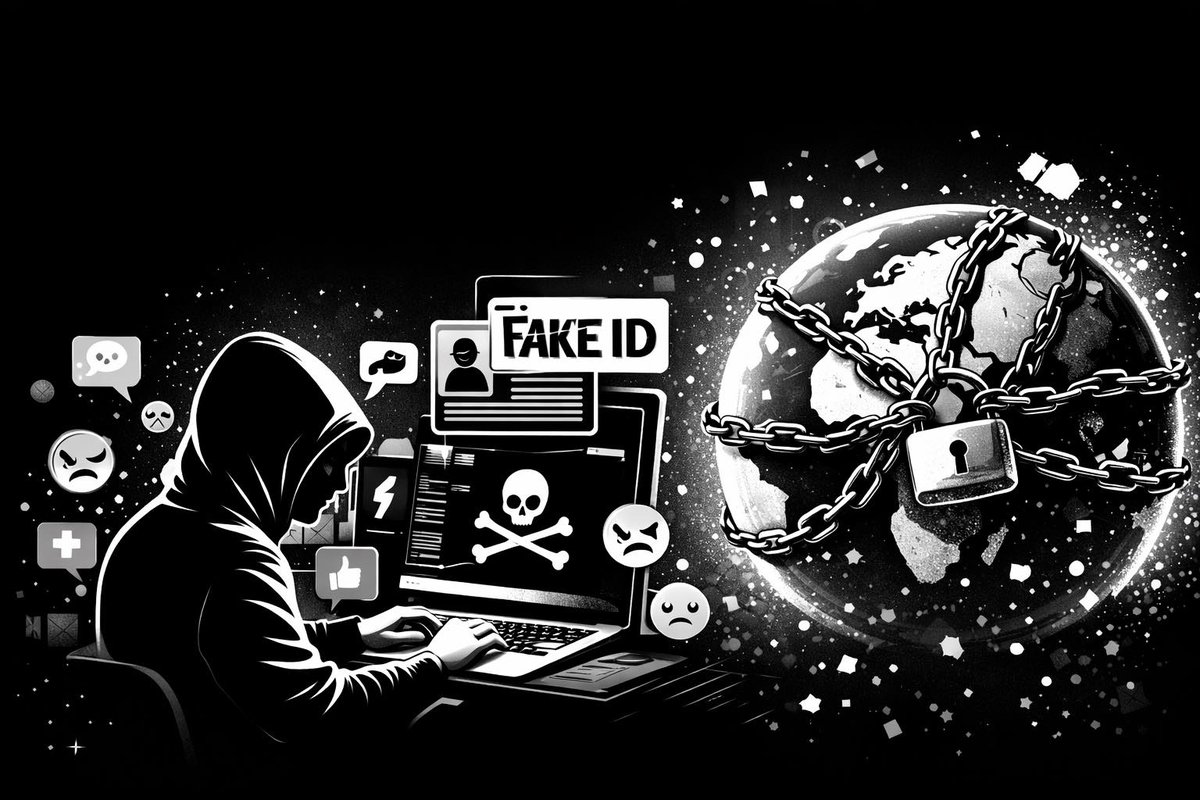
Social media should not become a weapon for spreading hatred. Using fake IDs to spread defamatory content against others is not freedom of expression; it is an abuse of a public platform. Such irresponsible behaviour deserves strict legal consequences. At the same time, genuine voices that speak for society and public interest must be protected. That is why observing the "World Day Against Cyber Censorship" is important—to defend responsible freedom of expression while discouraging hate, misinformation, and anonymous abuse online.
The United Nations Security Council has passed a resolution demanding that Iran halt attacks on Gulf nations and warning that the escalation threatens international peace and shipping through the Strait of Hormuz. While such calls for restraint are expected, the crisis once again exposes the geopolitical realities behind global institutions. When powerful countries act, the response from the Council often appears muted, yet resolutions emerge quickly in other situations. This selective urgency raises serious questions about whether the UNSC truly protects international law or simply reflects the strategic interests of dominant powers like the United States.