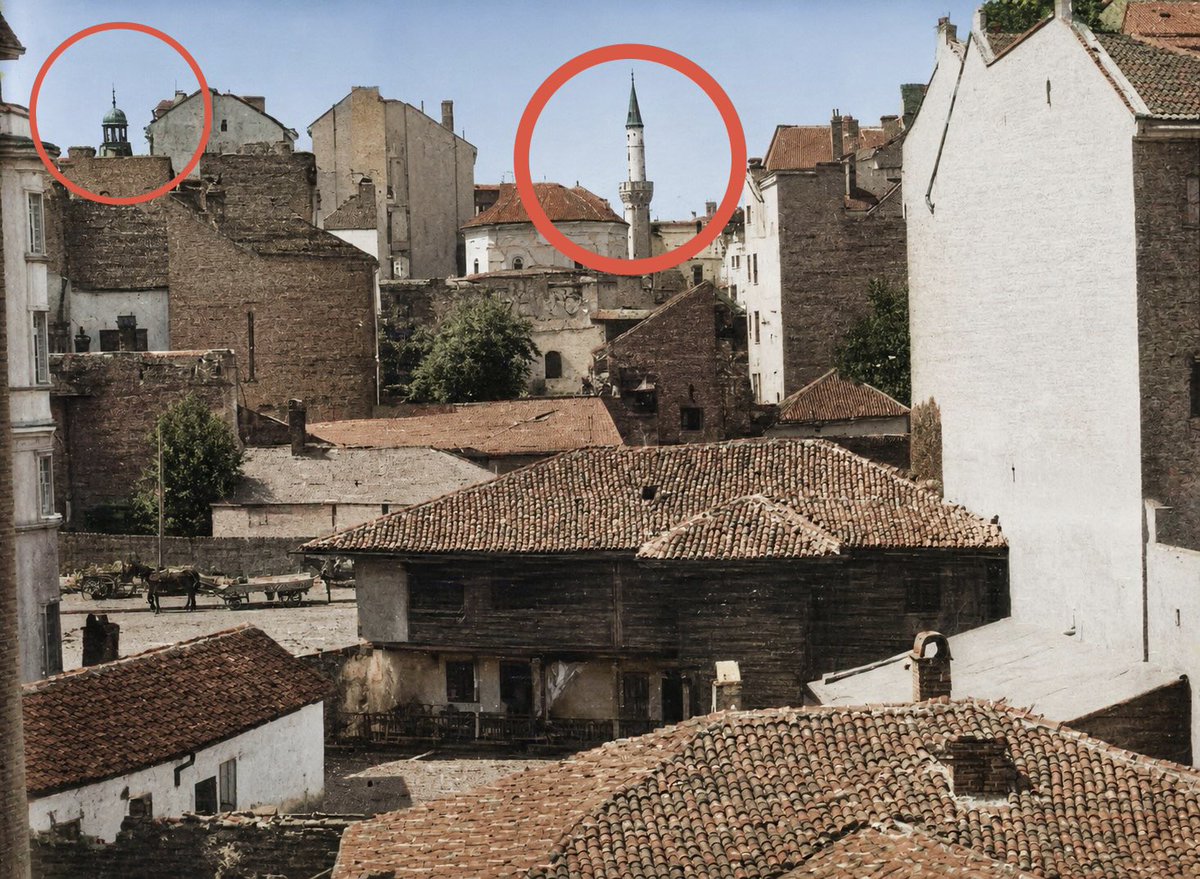
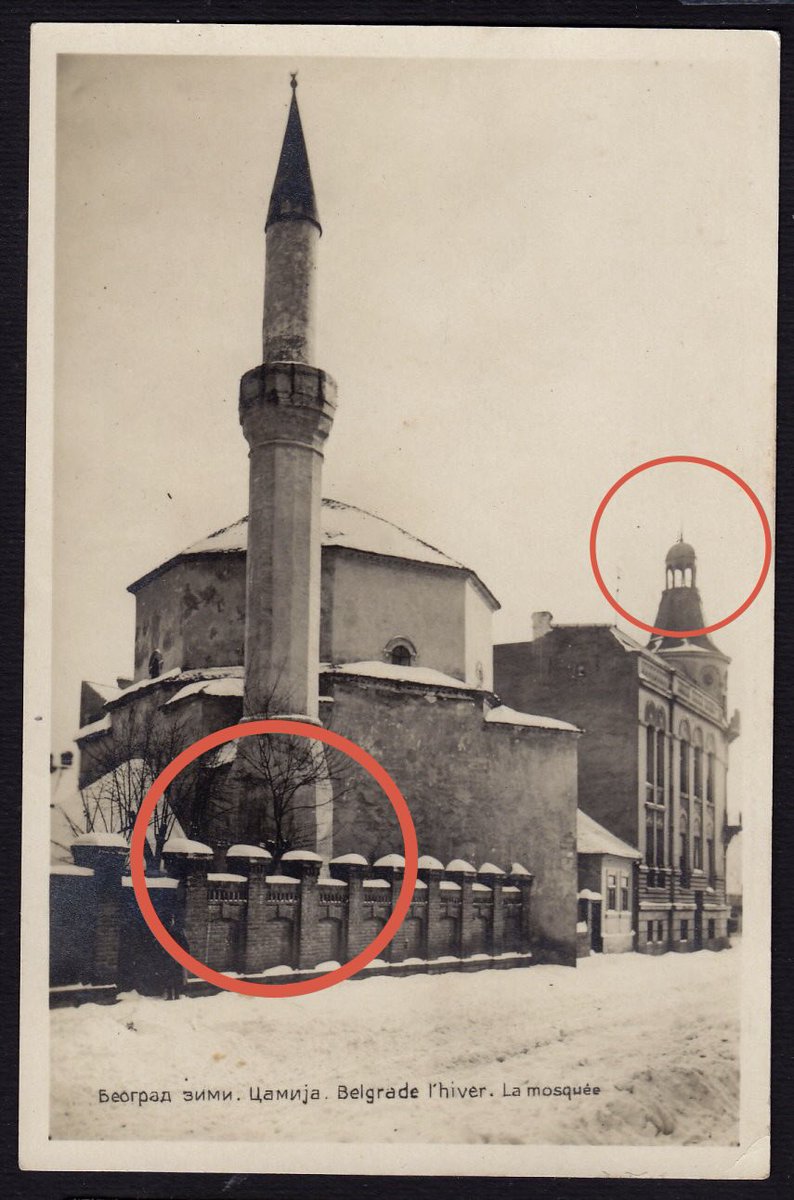
@AspidaKosana@Tochkonja Po poziciji minareta i zgrade na uglu Kralja Petra i Gospodar Jevremove, deluje da je slikano iz Gospodar Jovanove ili čak Strahinjića Bana.
Saopštenje za javnost povodom snimka koji je nastao sa Nadijom na putu ka Novom Sadu
Ovim putem bih želeo da se obratim kompletnoj javnosti sa ciljem da stajem u odbranu mog saborca, Nadije Delimeđac, koja trpi razna targetiranja i uvrede na račun svog postupka
👇
Hvala vama koji niste odustali od budućnosti svih ovih godina, a hvala i vama koji ste delom odustali, ali niste svoju decu tim defetizmom zarazili. Ovo je i vaš uspeh i zato je ova generacija koju ste podigli eklatantan primer evolucije - Ivan Vanja Alač
https://t.co/TONZCkE4mw
cime privilegovan tito dragi jery mozda privilegovan razumom i obrazom i zeljom da ti drzava i drustvo ne budu ali babine pecine korumpiranih razbojnika secikesa i očeubica koji te teraju da mrzis e samo da bi oni mogli u miru da kradu korumpiraju i voze meklarne na koksu?
These strange creatures were painted nearly 500 years ago by a man called Pieter Bruegel.
And, if you can believe it, he is one of the most important artists in history.
Here's why...
All this talk about architectural "style", but maybe the most important thing isn't so much how we build as what we build with.
Materials affect how we feel and think, and they totally change how cities and buildings look.
This is why materials matter...
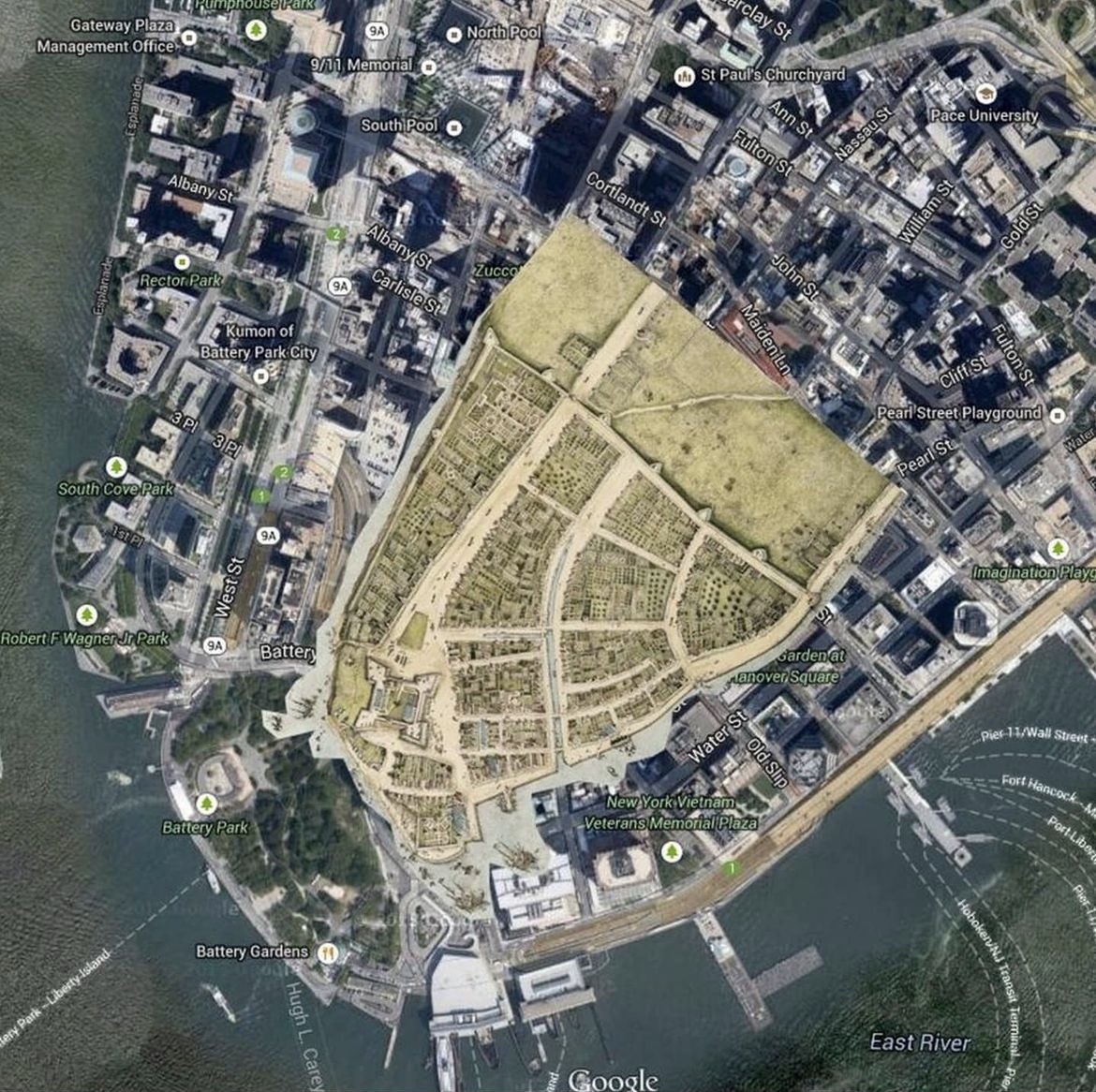
1660 map of New Amsterdam (renamed New York City by the British) superimposed over a current Google satellite image of the southern tip of Manhattan. We can see from the image that lower Manhattan was originally much narrower than it is today.
If we focus on just the 1660 map (swipe left), you'll notice the 12-foot wall running along the northern border (located on the right side of the image), which was constructed to keep the indigenous people out. Prior to the wall, the Dutch governor, Williams Kieft, had broken a treaty and had sent his men to massacre an entire tribe. The few that managed to escape alerted the other tribes, which increased hostilities towards the Dutch settlers.
Today there is no wall, but a street that is aptly named Wall Street. Broadway (the widest street) begins on the left at the star-shaped fortification, Fort Amsterdam, and goes beyond the wall. Pearl Street used to be on the island's eastern waterfront and was given its name because its shoreline was rife with oysters. Water Street is an extension of Pearl Street and used to be right by the water.
A century later, near the time of the American Revolution, the city began selling water lots, which were then filled up with landfill to create more usable land. Over the centuries, lower Manhattan morphed from a skinny marsh outcropping into a dense urban city.