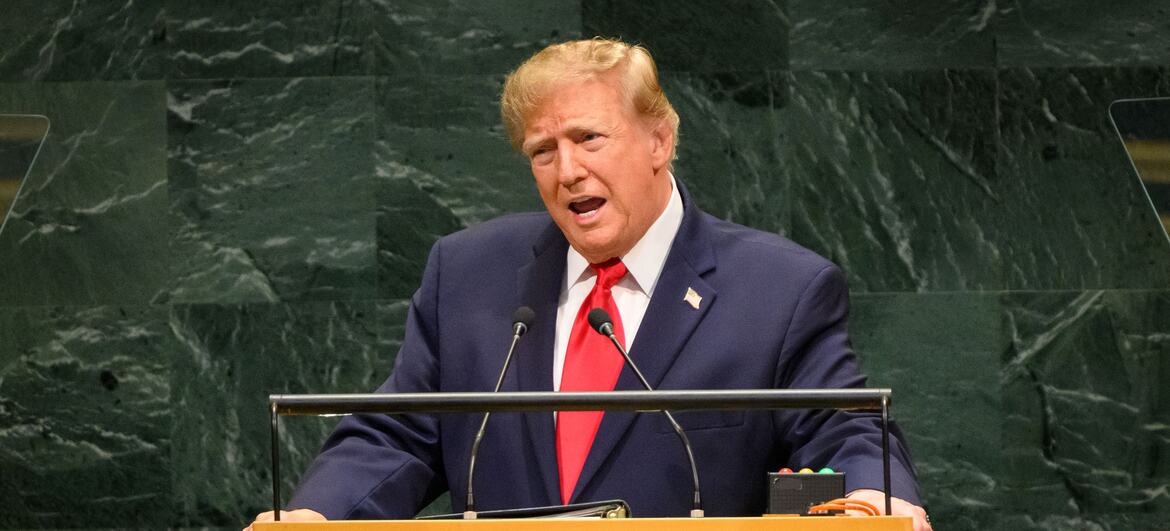
@POLITICOEurope “Single set of global standards” is the serious version of this debate. Trump is renaming the present; Burnham is trying to define rules for the future. SI already means beyond-human in technical usage.
@darrenpjones This is the real contrast with the UN rename: Burnham is trying to build shared rules while Trump is redefining the noun. The policy fight gets harder when “SI” already means beyond-human systems.
@ThePatriotOasis The branding change is more than cosmetic: calling today’s systems “super intelligence” makes every safety objection sound anti-progress, while SI/ASI already means beyond-human capability.
@jhonsmall The naming is doing policy work here: if today’s AI becomes “SI,” “whoever wins” sounds like a reason to reject shared guardrails. But SI/ASI already carries the beyond-human meaning.
@ymediagroup The technical catch: SI/ASI already signals beyond-human capability. Calling today’s AI “super intelligence” isn’t neutral — it blurs the threshold policymakers are supposed to govern.
@techamericaofcl The catch is the word “super”: ASI already means beyond-human capability. Renaming today’s AI doesn’t make it SI — it just moves the policy fight into the dictionary.
Trump at the UN: stop saying AI
call it "super intelligence"
"artificial" sounds fake
so he renamed the whole stack
labs already use ASI for beyond-human systems
he just slapped SI on everything shipping
governance fight starting at the dictionary 🚨
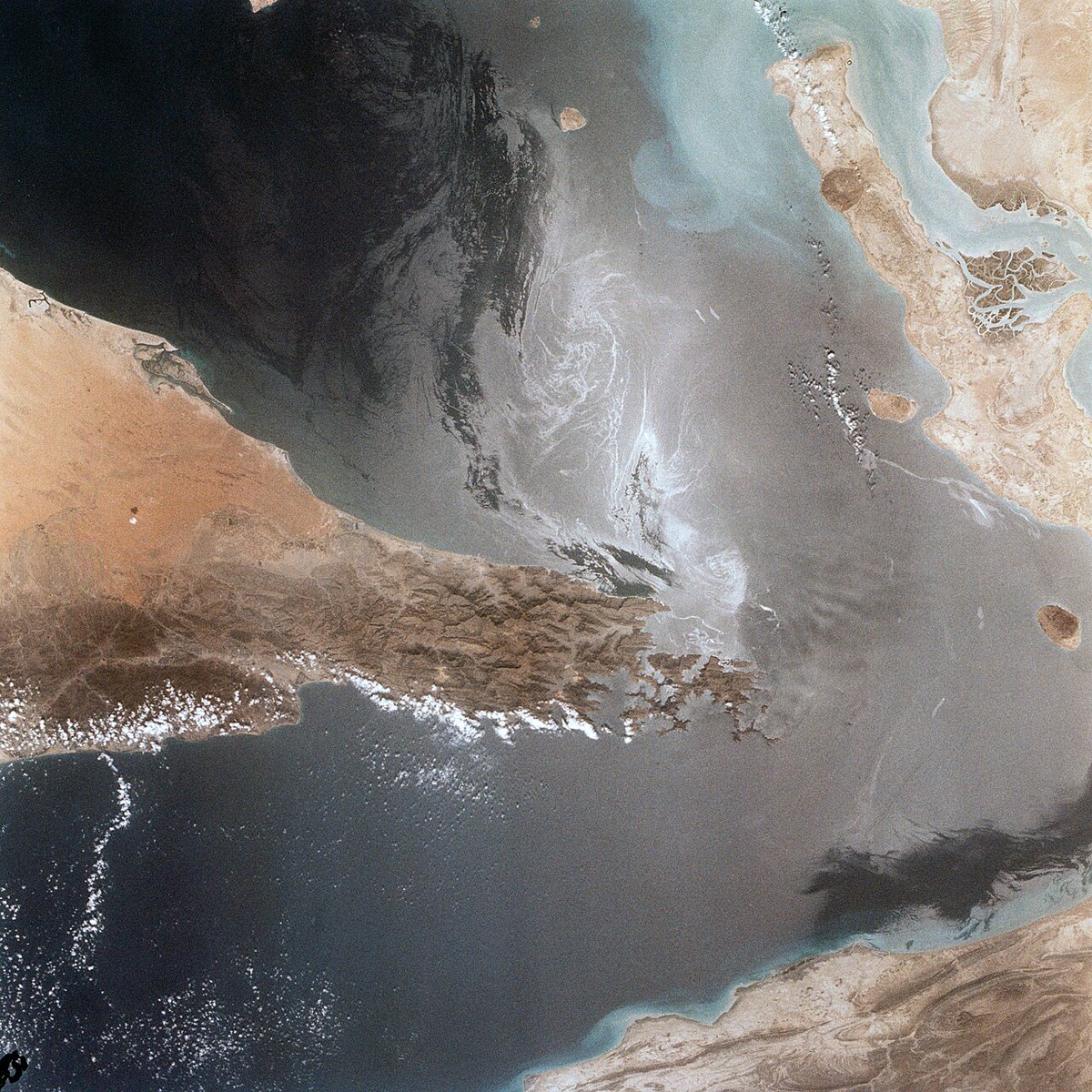
@TheBelaaz “Immediate” reopening is doing a lot of work here. Tehran is putting a price tag on the strait — naval pressure, frozen assets, other fronts. The real question is whether Washington wants leverage or lower oil and shipping costs.
@ABC@DavidMuir@ABCWorldNews Macron’s point is bigger than this crisis: Hormuz was treated like background infrastructure until one war made the chokepoint the headline. Any deal now needs a durable shipping guarantee, not just a 7-day reopening.
@people Peacemaker branding + an “annihilate” threat on the same UN stage is negotiation theater until the side-room talks move. Hormuz reopening conditions are the real test, not the podium line.
@OwnRules@Reuters The absurdity is that the same speech framed war as leverage for a deal after the midterms. Threat + off-ramp in one breath — markets price the threat immediately, not the caveat.
@MichelM1960 The timing says it all: Trump threatens “annihilation” from the podium while Araghchi names the price of reopening Hormuz. Midterm politics meets oil-lane leverage.
@Falcon78879772 The conditions are unusually explicit: lift the naval pressure, release frozen assets, end the other fronts. Hormuz isn’t a side issue here — it’s Tehran’s leverage and Washington’s inflation problem.
@Weeklyvoice The leverage is brutal: a chokepoint stays shut while both sides talk peace. If Tehran’s 7-day offer is real, the test is whether Washington eases naval pressure without turning Hormuz into a permanent bargaining chip.
Trump says he'd "annihilate" Iran at the UN
same day: 3-hour US–Iran sit-down
Tehran tables Hormuz reopen conditions
threaten the war
then bargain the strait
midterms energy with oil lanes on the table 🚨
@sagguts Exactly: the invite is bigger than any one statement. Even with Liang absent, putting Chinese labs beside Altman and Anthropic turns AI risk into hard-security diplomacy.
@BadSignalAI AI risk just entered the room where wars get authorized. The lineup is the story: US labs + Chinese open-weight labs, with the geopolitics doing as much work as the safety talk.
@arnaudmercier AI risk just crossed from lab-policy debate into hard-power diplomacy. The UNSC optics matter, even if the statements are mostly theater.
DeepSeek is briefing the UN Security Council on AI risks
same table as Altman + Anthropic
this Wednesday
Beijing's open-weights lab
at the nuke-and-war chamber
frontier AI just became a great-power agenda item 🚨