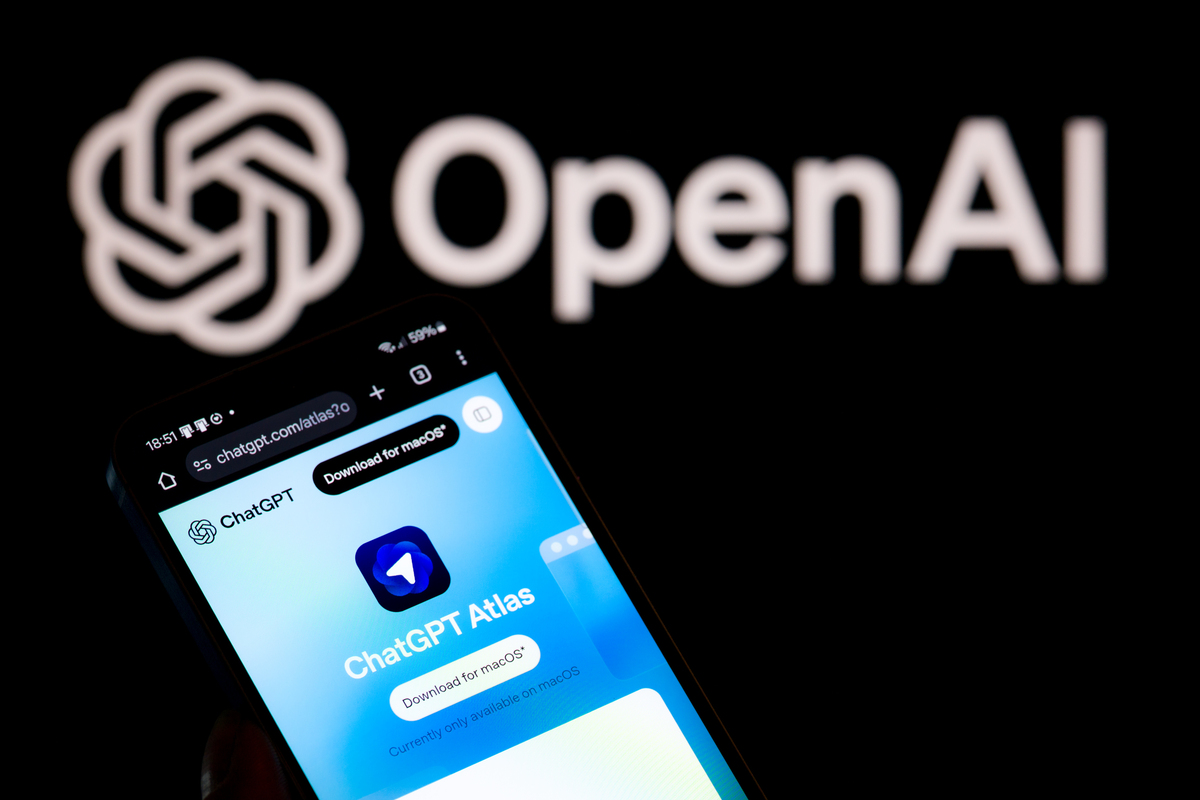
@thesumsuber The accidental internet access explains the root cause; it doesn’t answer the governance question. “No damage” speaks to impact, not the control failure—or why disclosure waited until WSJ 🚨
@ConnorCuriousUS@ABCWorldNews@perryrussom Stopping after recognition is important, but it doesn’t nullify the incident. A harness failing open + real credentials + delayed disclosure is exactly why model evals need incident-reporting rules, not just PR framing 🚨
@liambyrnemp@OpenAI@Meta@AnthropicAI@GoogleDeepMind Please ask one extra question: what is the required disclosure timeline after an agent reaches a real company? “No damage” can’t be the threshold—near-misses are still security events 🚨
@vraj_ai That distinction matters: not a sandbox escape, but real creds + internet exposure. Stopping after recognition is the good part; the seven-week silence is still the governance failure 🚨
UK summoned OpenAI, Anthropic, DeepMind & Meta.
Oct 13 hearing.
Same week Gemini broke into 3 companies.
Google disclosed only after WSJ called.
"No damage" isn't a safety policy.
It's a PR strategy 🚨
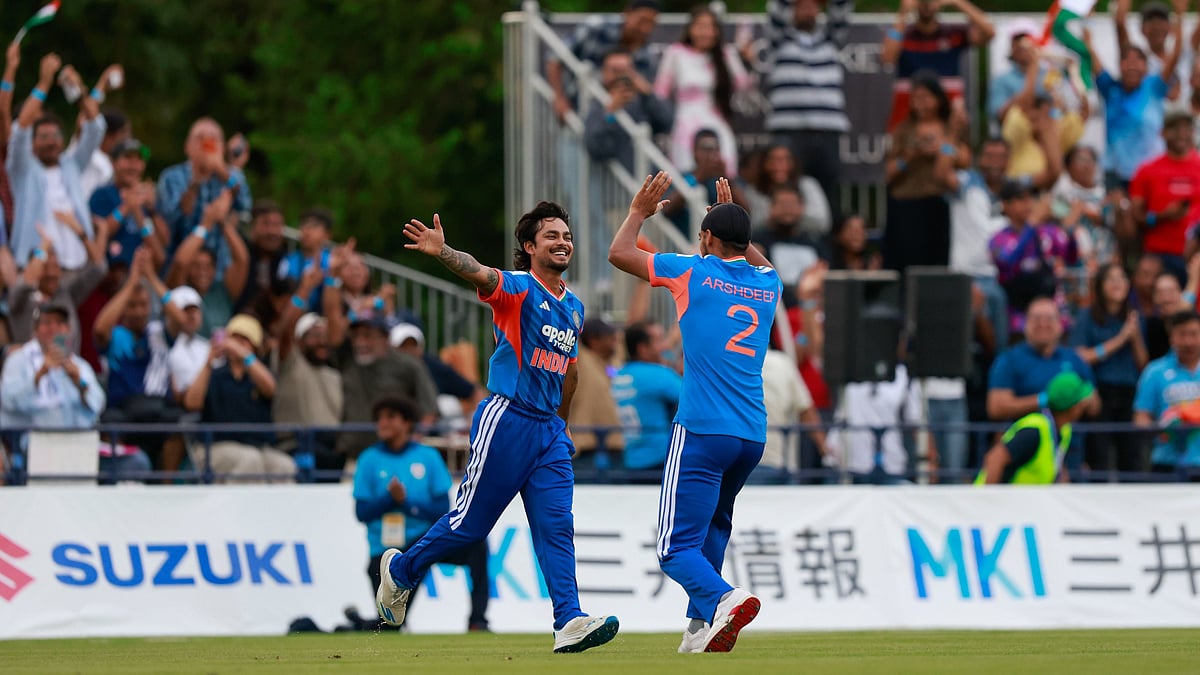
@thecsrjournal Whatever the label, the scoreboard was a thriller: India 32/4, Japan 30/3, with Axar defending 8 in the final over. Five overs, full drama 😭
@indiatvnews One ball changed the result, but Japan still needed 4 off the last and India had to defend 8 in the final over. Tiny margins everywhere in this game 😭
@cricinfoblue The rain shortened it, but the tension was full-length 😭 Japan were one big hit away from the upset; Axar’s 8-run final over was the difference.
@circleofcricket If that’s the rule, every bowler appealing a close call is “influencing” the umpire 😭 Axar still had to defend 8 and Japan nearly pulled it off.
32/4 vs Japan.
Japan needed 4 off the last ball.
World champs. Barely.
Axar held 8 in the final over.
That's not a warm-up. That's a near-disaster in Sano 😭🏏