The Dutch government wants to create 900,000 housing units by 2030.
To ensure it’s affordable and sustainable, compactness and proximity are key.
That means significantly reducing car ownership/parking; investing €7.5 billion in improving bike-train accessibility to amenities.
If designed in a wholistic and substantive way, cycling infrastructure can be more than just transporting people from A to B.
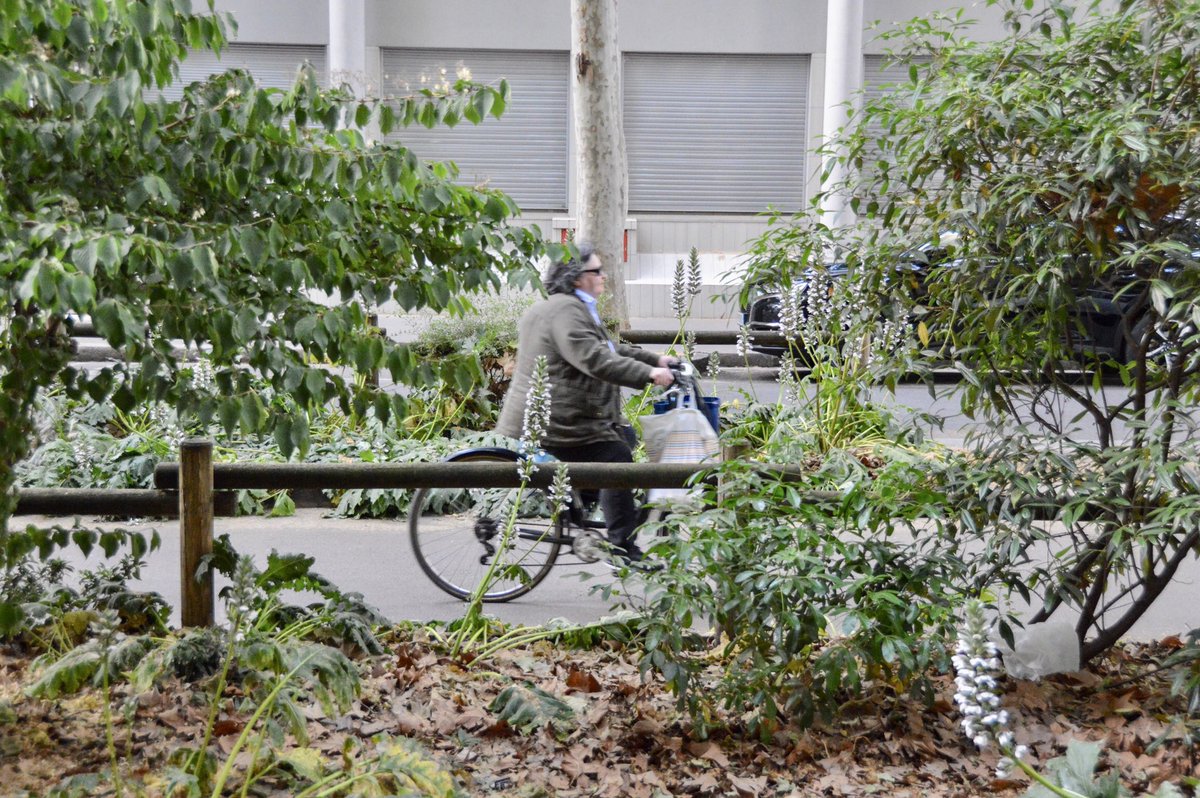
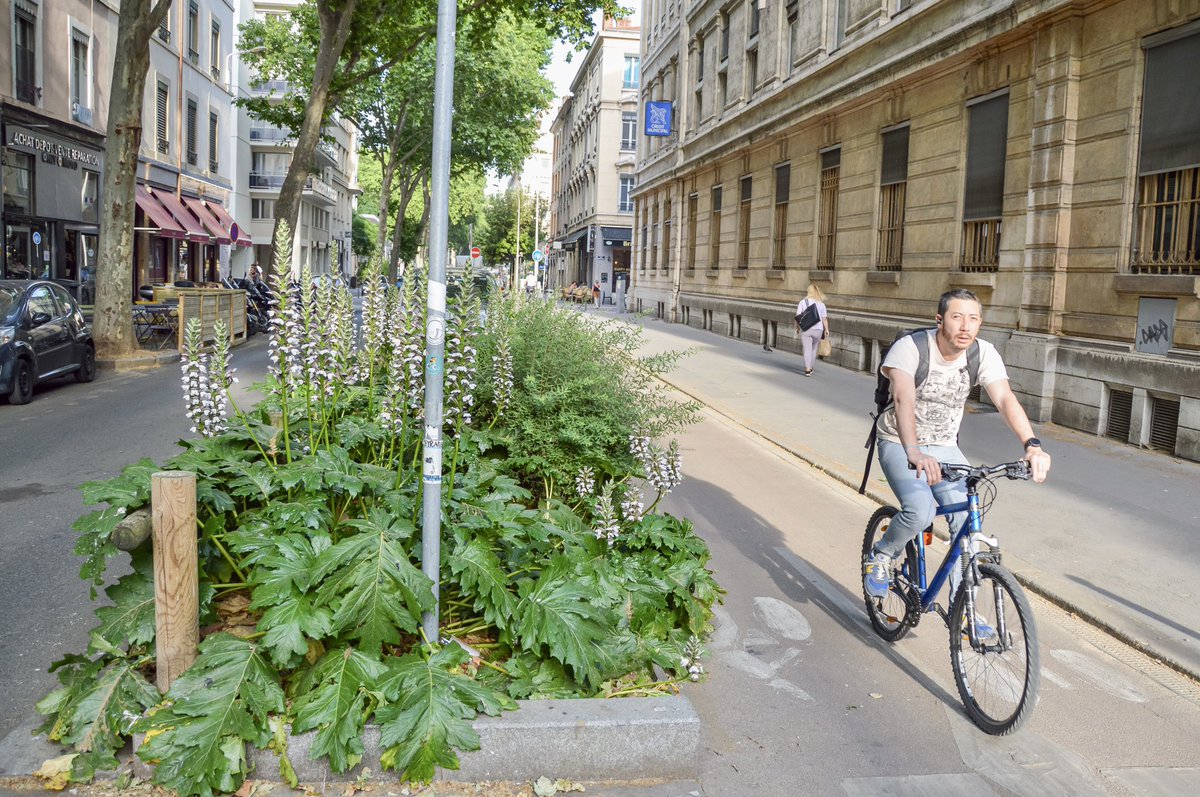
It can be used as an effective tool in the fight against climate change; improving carbon absorption, heat mitigation, rain retention, and bio-diversity.
Just 20 years ago, cars could freely enter and park in Delft’s historic core.
Then a center-left coalition narrowly (19-18 votes) passed an autoluwe binnenstad (‘low-car city center’) policy.
Now not a single resident or merchant misses the days when cars choked their streets.
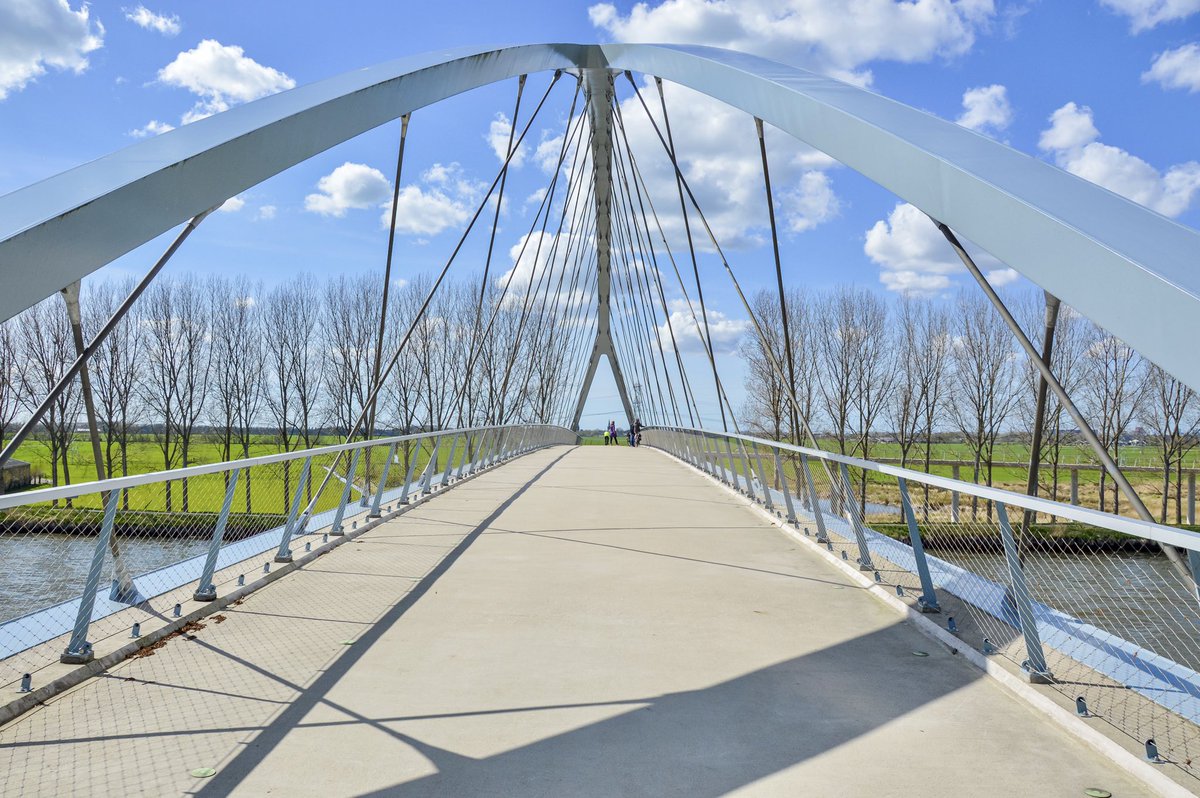
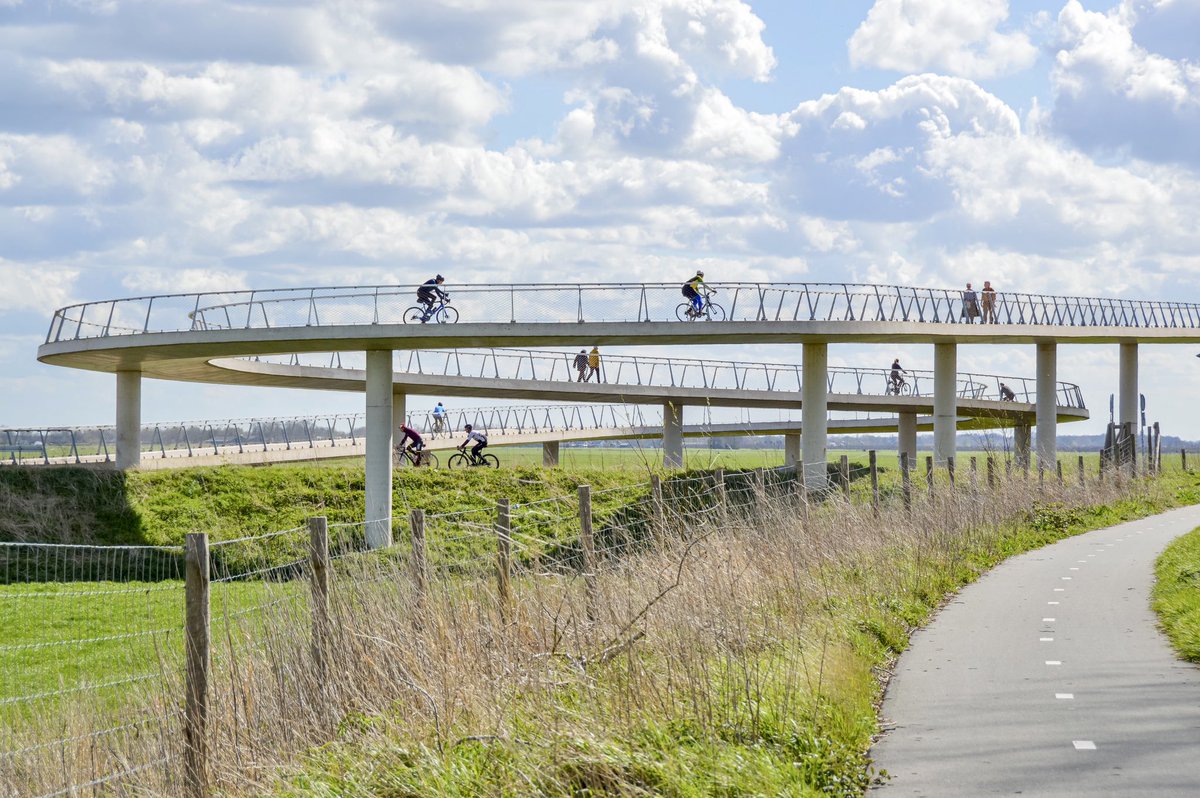
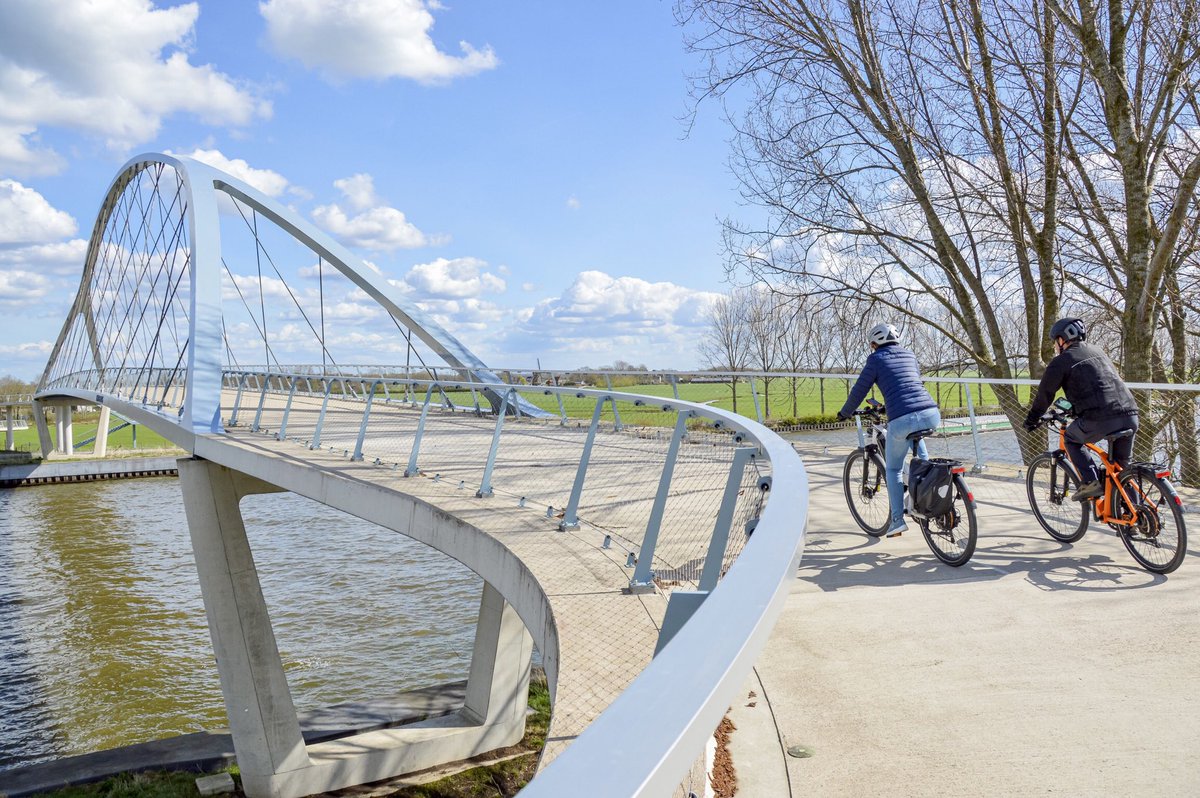
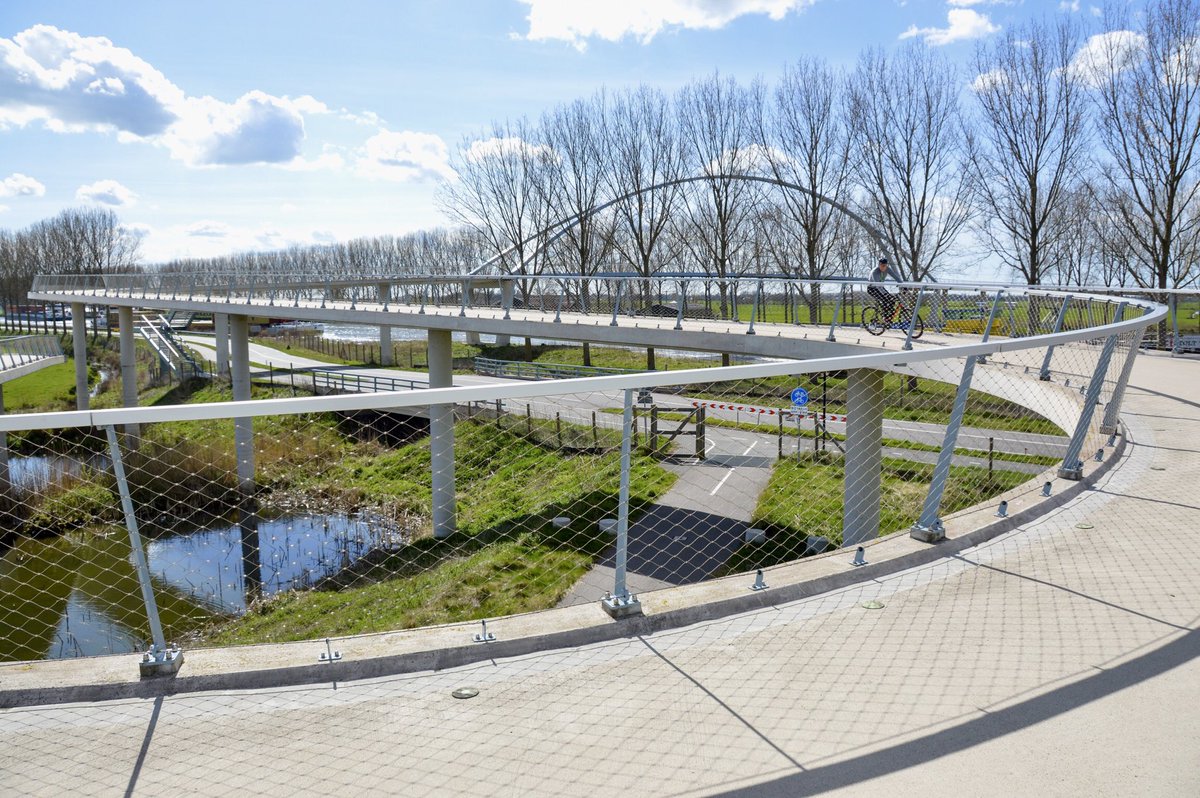
The Liniebrug is a walking and cycling bridge that connects the villages of Nigtevecht and Abcoude on either side of the Amsterdam-Rhine Canal.
Serving both transportation and recreation, the 10-meter-high deck is accessed by a snaking, 300-meter ramp to ensure universal access.
Some people think Teslas-in-tunnels are the future of urban mobility.
We think they misdirect attention and resources from simple solutions already proven to address congestion, safety and inequity—problems caused by cars that won’t be fixed by cars.
Rotterdam Centraal Station.
“Children and cars are competitors.” - Lia Karsten
Only by challenging the perceived right to drive and store an automobile in front of every building, do cities create opportunities for the ‘indoor generation’ to get outside and move, meet, and play.
Daguerrestraat, The Hague.
If frequency is freedom, it’s easy to understand why many people liken Nederlandse Spoorwegen (“Dutch Railways”) to a national metro system.
In Delft—taking connections into account—this means 202 daily trains to The Hague, 182 to Rotterdam, 168 to Utrecht, and 150 to Amsterdam.
A century of male-dominated planning has resulted in streets shaped for one purpose: the commute to paid work.
Only when cities start taking into account the other unpaid “care trips” taken by residents do they become more inclusive and gender equitable.
https://t.co/VhOqn6ggEL
These pics from a bike store in Zwolle gives insight into the health of Dutch cycling culture.
Very few options in the helmet section, and designed for the mountain bike & racing crowd.
But lots of comfy seats, saddle bags and plastic boxes for front rack.
Solid priorities🙂
This is our daycare (for children between 2-5yrs) during the national #cyclingweek#pyöräilyviikko. There’s huge difference whether we’re driving or riding our kids to daycare. It’s up to us adults to decide how we’re raising our kids.
“In the Netherlands, cycling has been part of the culture and of the way we get around for such a long time that it’s deeply ingrained.
You don’t need to have a helmet or special clothing. It’s just a faster way of walking. ‘Pedestrian plus’, you could say.”
- Michelle Provoost
This is the Dutch-Belgian border between Limburg and Flanders.
People on one side of this arbitrary line are nearly twice as likely to choose the (e-)bike for a journey.
A pragmatic decision shaped not by culture or geography, but by decades of forward-thinking mobility policy.