@adamkhootrader Adam, can you please address in the next video whether you think the chips now not going to China, as a result of this, will instead go to spaceX?
From the great Canadian Philosopher
Keanu Reeves.
“I'm at that stage in life where I stay out of arguments. Even if you say 1+1=5, you're right. Have fun."
Have a nice day.
@DrJStrategy Curious what happens when the majority of workers, ai agents, produce but don’t consume goods and services in the same way? I don’t know. I’m asking.
Food for thought.
The Myth of Decline, Reversed
In 1945, the United States possessed power no empire had ever known. It alone had nuclear weapons, no peer competitor, and no constraint on converting victory into domination. Yet it chose construction over conquest, building Bretton Woods, a rules-based system, and the security architecture that became Pax Americana.
America rebuilt the nations it had just defeated. The Marshall Plan turned enemies into allies and devastation into industrial recovery. West Germany became Europe’s economic engine within a generation. Japan rose from surrender to the world’s third-largest economy.
American aircraft delivered supplies into Berlin, deep inside former enemy territory. At maximum leverage, the United States chose restraint. That became the moral foundation of the postwar order.
The decline narrative mistakes transition for collapse. From Spengler onward, observers have confused adaptation with exhaustion. But decline is not mood it is loss of capacity to act. By that measure, the United States is not declining.
American power endures. The U.S. accounts for a quarter of global GDP, dominates technological innovation, and fields, with allies, the majority of deployable military force. The dollar remains the reserve currency. American energy production leads the world. What has changed is not capacity, but sustainability.
For decades, Washington has played universal guarantor while expanding domestic commitments and pretending deficits carry no cost. That era is ending.
As Kissinger understood, no order survives on power without legitimacy or legitimacy without power. “Power without legitimacy tempts tests of strength,” he wrote. “Legitimacy without power tempts empty posturing.” The task is restoring equilibrium between commitments and capabilities.
The Gulf moment presents that opportunity. For half a century, the global economy has operated under the 1979 Iranian Revolution’s shadow: constrained supply, chronic instability, embedded risk premiums. A durable resolution, securing oil flow through Hormuz, constraining proxy warfare, reintegrating Iran into regional order, would dismantle decades of strategic dysfunction.
The implications extend beyond the region. China’s model depends on imported energy from unstable suppliers. Constrained supply and elevated prices subsidize geopolitical leverage. Abundant, diversified supply would compress rents, reduce risk, and expose Beijing’s vulnerabilities.
Add Venezuelan normalization, the world’s largest proven reserves, and the energy landscape transforms. Sanctioned supply returns, risk premiums compress, and sustained $60 oil becomes plausible.
Energy is the master variable. Lower, stable prices reduce inflation volatility, improve capital allocation, raise real growth. Combined with AI advances, the result could be transformative: a productivity cycle driven by cost compression, not debt expansion.
The Cold War’s end released a peace dividend financing globalization and the internet age. Resolving the Iran-centered energy order could produce a second dividend, restoring coherence to a strained system.
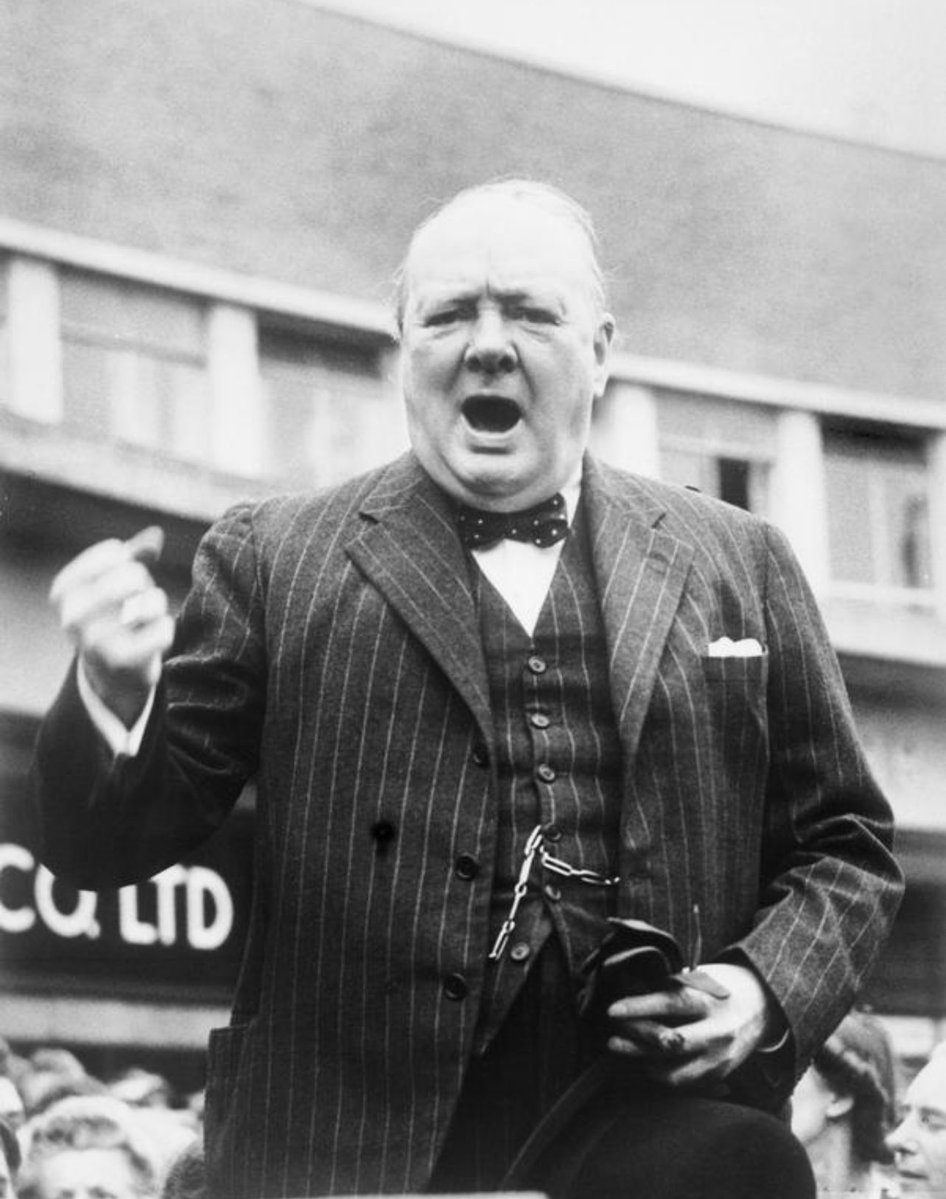
Churchill knew: safety in oil lies in variety. But control over energy is control over the strategic environment itself.
The United States is not declining. It is a dominant power confronting unsustainable posture and the opportunity to correct it. Resources remain. Power structure favors the West.
Under Trump, investors should assume the will exists and position accordingly. The actions thus far suggest they would be right.
@DaveHcontrarian David, funds which track the S & P but tilt slightly with factors such as quality, how might they theoretically perform in this blow off top when compared to the cap weighted S&P on this path to 9500? Thanks.