We aim to assess the impacts of climate change on various aspects of the Arctic environment. Follow us here to stay up to date on our research and findings!
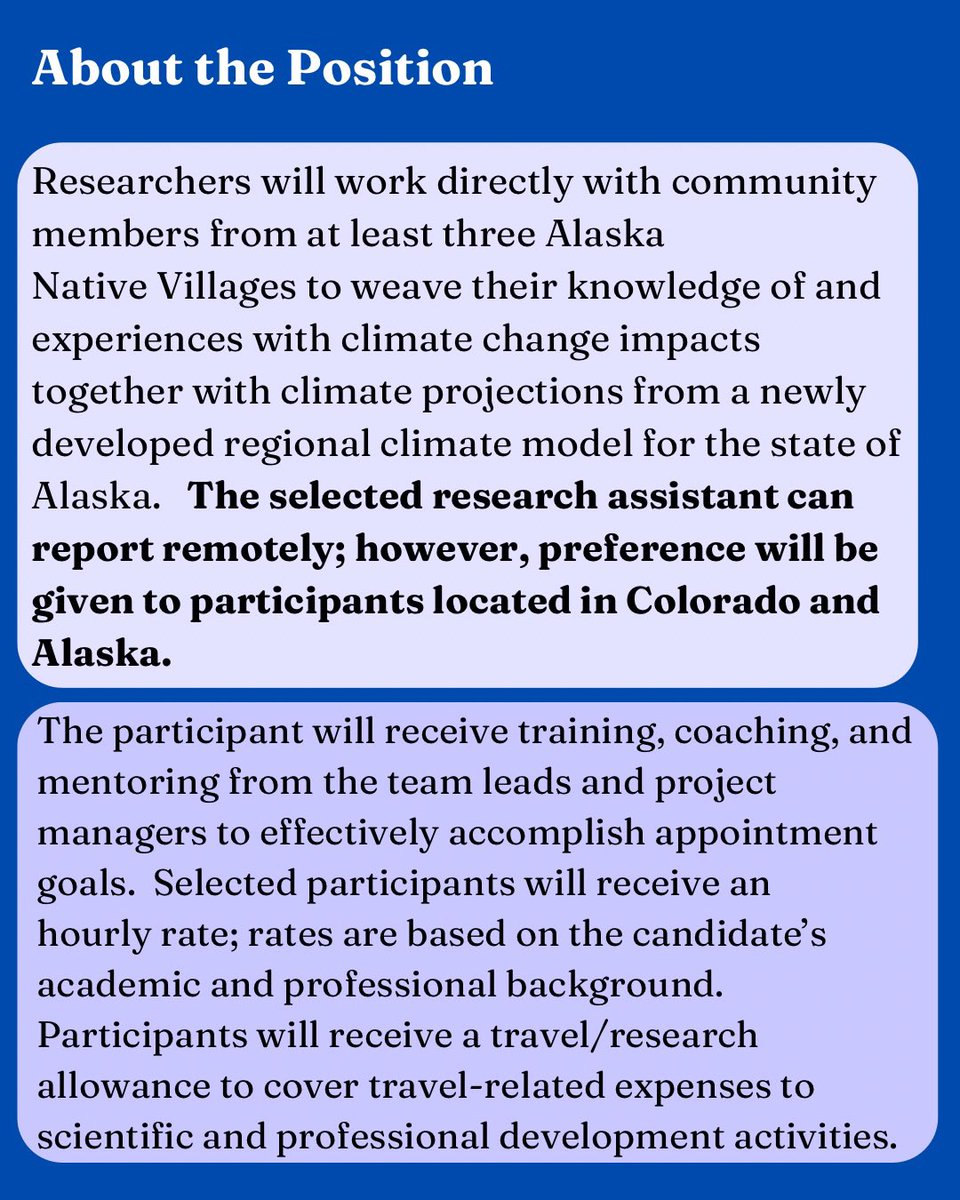
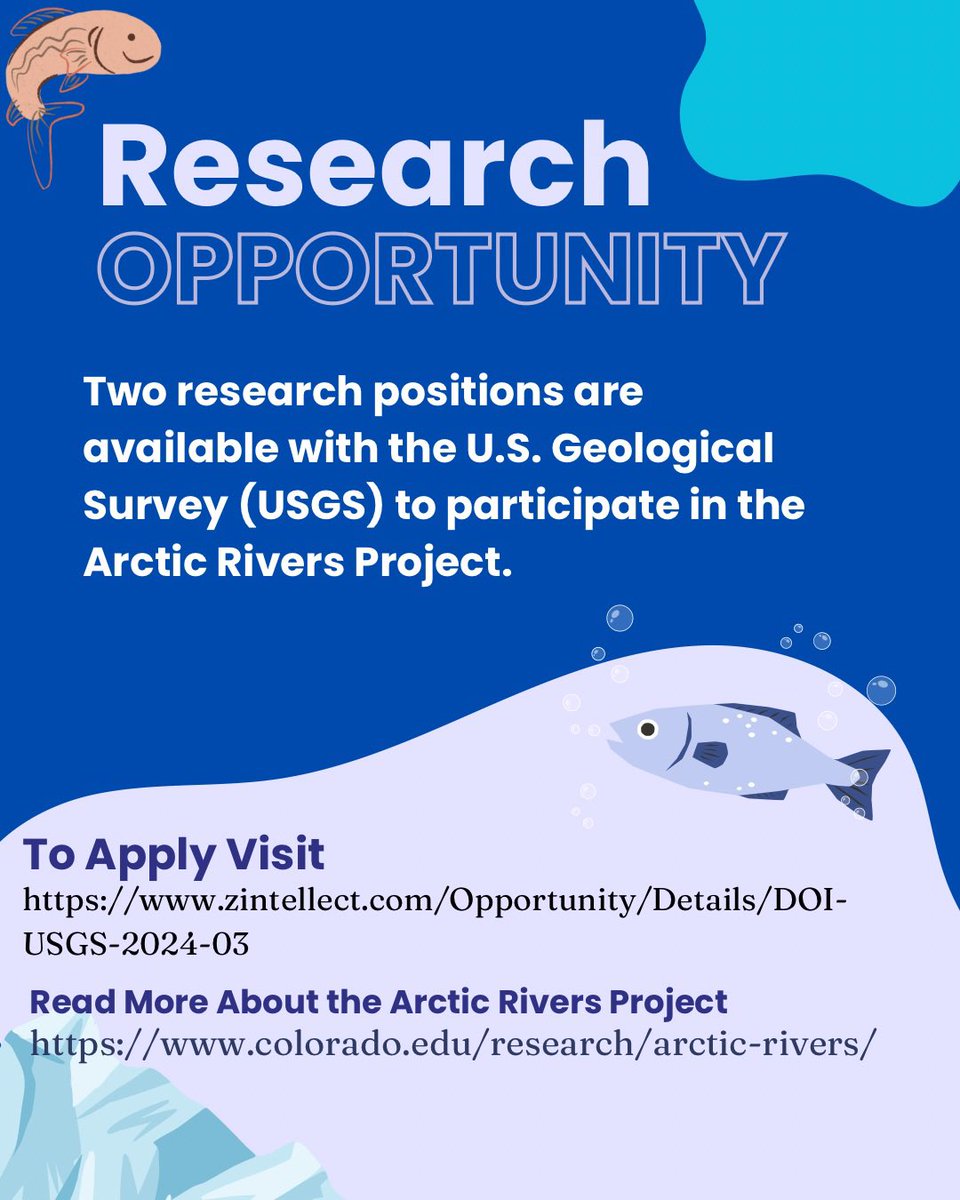
📢 Part-time student research internship 📢
A unique opportunity for current bachelor's or master's students in many science & non-science fields. 1+ yr mentorship w Nicole Herman-Mercer, @USGS social scientist
Application Deadline: Fri May 3rd 3:00 PM *Eastern*
Changes in permafrost have compounding and cascading effects. Thawing permafrost leaves river banks weak and susceptible to erosion, leading to more sediment in the water, altering river chemistry and fish habitat!
Climate change disproportionately affects ecosystems in the Arctic as well as the people who live there. Warming is occurring two to three times faster in the Arctic than the rest of the world!
Raising fish in a room full of tanks, loud pipes, and consistent gurgles of water seems unnatural; however, around half of all salmon caught in Alaskan waters were raised in a hatchery, lending insight into their importance! #ArcticRiversProject#salmon#Arctic#conservation
The symbiotic relationship between bears and salmon is an important part of the health of our rivers! When bears pass the salmon they have eaten, it acts as fertilizer for plants, and nutrients go downstream helping underwater vegetation.
Check out this exciting new update from the Biden Administration! -->
Biden-Harris Administration Takes Steps to Increase Co-Stewardship Opportunities, Incorporate Indigenous Knowledge, Protect Sacred Sites https://t.co/lLtS0sH6Vc via @interior
Pacific salmon are keystone species, meaning they have an extremely important role in their ecosystems, including for people. They benefit other species as food, and enrich their habitats through the cycling of nutrients from oceans to freshwater streams! #SalmonRun#SalmonRun
Weather and climate are two distinct things. Climate is average weather conditions over an extended period of time while weather is the short term variability in weather conditions!
Western science tends to be quantitative, reductionist and based on the idea that humans are separate from the environment. Traditional knowledge, in contrast, is based on commitment and attachment to the local environment as irreplaceable, where nature and culture are united!
Our article presents efforts by the Arctic Rivers Project to conduct community-engaged research to increase collective understanding of the historical and potential future impacts of climate change on rivers, fish, and Indigenous communities. Check it out!
https://t.co/IQdQG9IMDe