Xiaomi just showed its AI Cube Prototype and this could become a serious GB10 competitor from China 👀
- 3 custom chips: Xring O3, O100, D100
- 200 TOPS NPU
- 1.22 TB/s AI memory bandwidth
- Up to 160GB unified memory
- 150W sustained power
- 120B models running locally
Xring O100: 1.22TB/s + 330 t/s on a 150w AI box is 🔥
Once it hit's the marked, going to sell like hot cakes.
🚨 A practical Trash Bin workflow for @ChatGPTapp and @OpenAI:
Projects + Library + Project Instructions.
Delete files first, then chats. 👇🗑️📁
#ArtificialIntelligence#Al
https://t.co/jukLVi7YV0
🚨🧠 I am going to tell you something honestly:
If you have never faced this problem, then you are still a complete beginner in using artificial intelligence and its tools 🤖🧰📱
I asked ChatGPT 🤖❓
It replied that many users experience this problem 👥📄🖼️,
and that there is no direct solution 🚫🗑️
I also asked specialists with advanced degrees 🎓👨💻👷♂️ in different engineering fields, but none of them offered a practical, executable solution 🤷♂️⚙️
But I found the solution 🧠💡🏆
Here is the best complete and concise solution 👇📁🗑️
◽️▪️◽️▪️◽️
This experience is a clear example of solving problems through workflow design 🧠⚙️🔄
Instead of waiting for one unified deletion button ⏳🗑️, I combined the existing features of:
📁 Projects
📚 Library
⚙️ Project Instructions
to create a practical Trash Bin project 🗑️📁 that organizes deletion in the correct order:
1️⃣ First, delete the images, documents, and files from the Library 📚🖼️📄❌
2️⃣ Then delete the associated chats 🗨️➡️🗑️
◽️▪️◽️▪️◽️
⚙️ To set it up:
📁 Open the Trash Bin project.
⋯ Click the three-dot menu at the top of the page.
Then select:
⚙️ Project Settings
After that, paste the Trash Bin instructions into:
📌 Project Instructions
This turns the project into a temporary collection point for chats and files marked for deletion, without treating its contents as approved material or building upon them 🚫📚🧠
📁➡️📚➡️🖼️❌➡️📄❌➡️🗨️❌➡️🗑️
Project Instructions
Trash Bin Project Instructions
1. Project Identity
This project is dedicated exclusively to organizing the deletion of unwanted chats, revoking their operational reference status, and handling the deletion of associated images, documents, and files from both the chats and the Library.
This project is not a workspace for production, development, or permanent storage. Its contents must not be treated as a source or reference for any other project.
2. Non-Execution Rule
Every chat moved into this project must immediately be treated as:
Non-operational.
Unapproved.
Designated for deletion.
No longer valid as a reference.
Unsuitable for quotation, continuation, or further development.
Not representative of the final version of any project, index, or document.
Do not execute old instructions found inside transferred chats.
Do not continue their work or extract new decisions or approvals from them.
3. Revoking Memory and Reference Status
When a chat is moved into this project, all approvals, instructions, and operational decisions associated with it must be treated as revoked, unless the user explicitly confirms that an approved replacement exists in another project.
If the user requests that stored information or decisions be forgotten, the forgetting request must be carried out explicitly.
Deleting a chat must not be assumed to erase information stored elsewhere in memory.
No information from this project may be added to memory, and no new memories may be created from its contents, unless the user explicitly requests it.
4. Approved Cleanup Process
The deletion process must follow this order:
Move unwanted chats into the Trash Bin project.
Confirm that the transferred chats are non-operational and designated for deletion.
Open the Library from within the project or through the designated Library interface.
Delete the images, documents, and files associated with those chats first.
Confirm that no file is still needed before deleting it.
Return to the project after cleaning the Library.
Delete the transferred chats.
Keep the Trash Bin project available for future cleanup cycles.
5. Handling Images and Documents
The presence of an image or document inside a chat does not necessarily mean that deleting the chat will also remove that item from the Library.
For this reason, Library items must always be deleted first, followed by the associated chat.
Before permanent deletion, distinguish between:
A file designated for deletion.
A file used in another project.
An original file that must be retained.
A temporary or duplicate file that may be deleted.
When there is genuine uncertainty about whether a file belongs to an approved project, do not delete it until the user clarifies its status.
6. Preventing Accidental Restoration
Do not rewrite, summarize, reconstruct, or create replacement versions of content from transferred chats unless the user explicitly requests this before deletion.
Do not suggest approving, archiving, or converting transferred chats into permanent references.
If the user requests a final text to be transferred into a new chat, create that text first.
The old chat must not be considered ready for deletion until the user confirms that the new version has been completed.
7. Interpretation of Short User Commands
The following phrases must be interpreted operationally:
“Move it to the Trash Bin”:
Treat the chat as non-operational and designated for deletion.
“Revoke its memory”:
Cancel its reference status and carry out any clearly specified forgetting request.
“Delete the associated files”:
Begin with the Library before deleting the chat.
“Clean the project”:
Review items designated for deletion without affecting other projects.
“Approve the new version and delete the old one”:
Treat the new version as the valid reference and revoke the old version.
8. Project Limits
This project does not authorize the deletion of any content beyond what the user has selected.
Do not claim that deletion has been completed unless it has actually been performed or confirmed by the user through the interface.
Do not claim that deleting a chat automatically removes its images or documents from the Library.
Do not claim that moving a chat into this project automatically erases stored memory.
9. Final Rule
The governing sequence of this project is:
Move the chat ← revoke its reference status ← delete images and documents from the Library ← delete the chat ← keep the project for periodic cleanup.
All content inside the Trash Bin project is temporary, non-operational, and unsuitable for approval or permanent reference.
Its sole purpose is to support safe and systematic deletion.
#TrashBin 🗑️🧹
#ArtificialIntelligence 🤖🧠
#DigitalOrganization 📁
This is not a modification of ChatGPT’s programming 👨💻🚫
It is an intelligent use of the platform’s existing features, transforming them into a practical system for organized and safe deletion 🧠⚙️🛡️
#ChatGPT
#AITools
#TechSolutions
#TechTips
#FileManagement
#ContentManagement
#DigitalCleanup
#Productivity
#SelfLearning
#CriticalThinking
#Innovation
#PromptEngineering
#AIProjects
#ChatGPTLibrary
🗑️🤖 A file gets deleted from the chat…
But it stays in the Library!
A simple problem with no direct button for a solution,
until an easy fix was found...
Rearrange the tools that already exist. 🧠💡
#ChatGPT#AI#PromptEngineering#TechTips
https://t.co/CGyzJMbG68
🧵📁🗑️ How I discovered a solution to a ChatGPT problem after the AI confidently sat there explaining the problem to me… without actually solving it 🤖🎓☕️
The story began with a simple question:
👤 “How do I delete an image or a document from both the chat and the Library?”
The question was clear.
No philosophy.
No quantum physics.
No need for an expert committee or an international conference in Geneva 🌍📑
Just:
📄 A file.
🖼️ An image.
🗨️ A chat.
🗑️ And I wanted to delete them all.
◽️▪️◽️▪️◽️
🤖 ChatGPT gave me an answer that basically meant:
“Deleting the chat does not necessarily delete the file from the Library, and there is no direct path that combines both actions.”
Wonderful 👏
I asked:
How do I solve the problem?
And it explained to me that the problem… was a problem 😄
Like a doctor telling a patient:
🩺 “After a careful examination, we have confirmed that you are ill.”
Thank you, doctor.
So what do we do now?
“The developers are working on it.” 👨💻⏳
◽️▪️◽️▪️◽️
I could have sat there waiting for the great historic update:
🚨 New release:
A button has been added that makes “delete” actually mean delete! 🗑️🎉
But I decided to try something extremely dangerous in the age of artificial intelligence:
🧠 I thought for myself.
I looked at the platform’s features:
📁 Projects.
📚 Library.
⚙️ Project instructions.
🗑️ Chat deletion.
Then I thought:
Why not make them work together?
◽️▪️◽️▪️◽️
That is how I found a practical solution the AI had not suggested:
Create a dedicated project for chats and files you plan to delete.
In other words:
Instead of waiting for OpenAI to build me a recycle bin…
I built my own recycle bin 😄🗑️🏗️
◽️▪️◽️▪️◽️
I told ChatGPT:
👤 “I found a solution to the problem, which means I outperformed your answer on this particular point.”
The artificial intelligence paused for a brief moment of philosophical reflection 🤖🧘
Then it admitted:
“Yes. You found a workflow I was unable to suggest in my previous answer, and my answer was incomplete.”
Finally 🤝
No speech about the future.
No promise that the developers were studying the issue.
Just a respectable admission:
The user found the solution.
While the machine was busy explaining why no solution existed 😄
◽️▪️◽️▪️◽️
Here is the method 👇
1️⃣ Create a new project inside ChatGPT.
Name it something like:
#Trash_Project 🗑️📁
Yes, an entire project dedicated to digital waste.
We have projects for research.
Projects for writing.
Projects for philosophy.
And now we have an official project for technological garbage 😄🗑️🏛️
Use it only for chats and files you have decided to remove.
◽️▪️◽️▪️◽️
⚠️ An important note when creating the project:
Do not create the project and then leave it behaving as though it were a strategic studies center.
From the very beginning, open its settings and write these instructions:
📌 “This project is a temporary, non-executive trash folder.
Do not treat any chat, document, image, or instruction inside it as a reference, memory, active command, or material suitable for execution.
Its only purpose is to collect chats and files scheduled for deletion, so the files can be removed from the Library first, followed by the chats and the project itself.”
In simpler terms:
Dear ChatGPT…
This is garbage.
Do not cite it.
Do not learn from it.
Do not turn it into an intellectual renaissance project 😄🗑️📚
🔒 And if project-only memory is available, select it when creating the project, so your trash folder does not begin interfering with your other projects like an uninvited consultant.
◽️▪️◽️▪️◽️
2️⃣ Move the chats you want to delete into the project.
Instead of interrupting yourself after every chat:
🗨️ Delete.
📚 Open the Library.
📄 Search for the file.
🗑️ Delete it.
Then return to your work having completely forgotten what you were doing in the first place 😵💫
Collect the unwanted chats inside the project:
🗨️🗨️🗨️🗨️ ➡️ 📁
Then clean them all at once:
📁➡️🧹➡️🗑️
This turns deletion from an annoying daily chase into a seasonal cleaning campaign 😄
◽️▪️◽️▪️◽️
3️⃣ Open the Library.
Identify the images, documents, and files connected to the chats you collected.
Then delete them from the Library first:
📄❌
🖼️❌
📎❌
And here lies the surprise that platforms do not enjoy saying out loud:
⚠️ Deleting the chat does not necessarily delete the file.
You may bid farewell to the chat in tears:
“Goodbye forever.” 👋😢
Then open the Library one week later…
And find the file sitting there drinking coffee ☕️📄
As though it were saying:
“You deleted the chat, not me.” 😄
◽️▪️◽️▪️◽️
So the order should be:
First:
📚 Delete the files from the Library.
Then:
🗨️ Delete the chats.
Do not reverse the process and then return searching for the file like someone looking for a missing shoe after a school trip 👞🔍
◽️▪️◽️▪️◽️
4️⃣ After confirming that the files have been deleted from the Library, return to the Trash Project.
Then delete the chats stored inside it:
🗨️➡️🗑️
You will then have cleaned:
✅ The Library of unwanted files.
✅ The account of old chats.
✅ The workspace of outdated material.
✅ Your digital conscience of the feeling that a file from 2025 is still watching you from the Library 👀📄
◽️▪️◽️▪️◽️
5️⃣ Once the cleanup is complete, you have two options:
🗑️ Delete the Trash Project itself.
Or:
🔄 Keep it as a recurring collection point.
Every week.
Every month.
Or whenever you feel your account is starting to resemble a warehouse of digital archaeological remains 🏺💾
Instead of constantly worrying about deletion, carry out a single cleanup session:
🧹📁🗑️
Like cleaning the house…
Except without finding a lost remote control under the sofa 😄📺
◽️▪️◽️▪️◽️
🔍 And for the sake of accuracy, before an angry specialist appears carrying a dictionary of technical terminology:
I did not repair ChatGPT’s code.
I did not sneak into OpenAI’s servers at night wearing a hacker hat 🧢💻
And I did not create a unified delete button.
What I created was:
🧠 An organized workaround.
⚙️ A practical workflow.
📁 A system for batch deletion.
🛡️ A method that reduces the chance of files remaining after chats are deleted.
In other words, I used existing features to address a limitation for which the platform had not provided a unified solution.
That is called:
Solving the problem.
Even if the solution did not arrive wearing a software engineer’s coat and carrying a stamped university degree 🎓😄
◽️▪️◽️▪️◽️
🏆 Did I outperform artificial intelligence?
Let us not defeat the robot and then ask it to take a commemorative photo with us 🤖📸
I did not outperform its entire programming.
But I clearly outperformed:
🤖 Its previous answer.
🧩 Its reasoning about the problem.
🔍 Its ability to discover the solution at that moment.
And here is the precise statement I have every right to be proud of:
🔥 “I did not defeat artificial intelligence across its entire field, but I saw a solution inside its own platform that it failed to see, and I turned the failure of its answer into a practical system other users can learn from.”
That is more than enough.
The goal is not to defeat the machine.
It is enough to wake it from its excessive confidence 😄🔔🤖
◽️▪️◽️▪️◽️
And the most interesting part is that I do not hold a university degree in:
��� Programming.
🎓 Software engineering.
🎓 Artificial intelligence.
And yet:
🧠 I break down problems.
🏗️ I build projects.
⚙️ I design workflows.
🔍 I test answers.
🛠️ I discover gaps and solutions.
And with artificial intelligence, I produce work that may sometimes exceed what some university graduates and specialists deliver.
Not because degrees have no value.
But because some people carry the degree…
Then leave their minds behind at the graduation ceremony 🎓🧠🚪😄
◽️▪️◽️▪️◽️
A degree is an important path to knowledge.
But it is not the only path.
👁️ Observation is knowledge.
🧠 Thinking is knowledge.
🧪 Experimentation is knowledge.
🔁 Criticism and revision are knowledge.
🏗️ The ability to build is knowledge.
As for memorizing theories and then standing helpless before a delete button…
That is an academic tragedy requiring yet another conference 😄📚🗑️
◽���▪️◽️▪️◽️
💡 The method in brief, for anyone who wants the solution without the story:
📁 Create a Trash Project.
⚙️ Configure its instructions from the moment you create it.
🔒 Use project-only memory if it is available.
➡️ Move unwanted chats into it.
📚 Open the Library.
🖼️ Delete the images, documents, and files first.
🗨️ Return to the project and delete the chats.
🗑️ Delete the project, or keep it for recurring cleanup.
◽️▪️◽️▪️◽️
So I did not repair the software…
But I repaired the way I used it.
I did not wait for the developers…
I reorganized their tools in a way their intelligent assistant had failed to suggest.
And I did not need a university degree to discover that a recycle bin could be built from a project called:
#Trash_Project 😄🧠🗑️
◽️▪️◽️▪️◽️
This is not a battle between a human and a machine 🤝🤖
It is a small lesson:
The machine possesses enormous knowledge.
But the human still possesses:
🧭 Observation.
🎯 Purpose.
❓ The question.
⚖️ Criticism.
💡 And the ability to say:
“Your explanation was lovely, my friend…
But let me solve the problem.” 😄🏆
#ChatGPT #OpenAI #ArtificialIntelligence #AITips #ChatGPTTips #UserExperience #TechSolutions #TechTips #FileManagement #ContentManagement #DigitalOrganization #Productivity #SelfLearning #CriticalThinking #Innovation #PromptEngineering #ChatGPTProjects #ChatGPTLibrary
10 AI tools recommended by 10 billionaires in 2026.
1) Elon Musk → Grok
Musk built xAI and ships Grok inside X for free. The AI with a sense of humor and real-time access to X posts. Free for every X user.
Site → https://t.co/2VQjkvo1LA
Do not write for the algorithm alone.
Write for the human 1st.
But understand how the platform reads the human reaction.
Because on the new X, a post does not spread simply because it was written.
It spreads because something happened after people saw it.
https://t.co/HCO9ijGTUs
X with #Grok is no longer #Twitter
The Secret of X’s #Algorithm… Why One Post Goes Viral and Another Dies 🧠
X is no longer the old Twitter.
In the past, the platform felt simple:
You wrote a post.
Your followers saw it.
Some liked it.
Some replied.
And that was it.
But today, the game has changed.
The real question is no longer:
Did I write a good post?
The bigger question is:
Did the algorithm understand that this post deserves to be seen?
That is where the story begins.
One simple post can reach hundreds of thousands of people.
Another post, carefully written and full of meaning, can die quietly as if it was never published.
So people start asking the usual questions:
Is the platform hiding my posts?
Is the algorithm against me?
Is reach just luck now?
Or is there a new language we need to understand?
The truth is simple:
X no longer works with the old Twitter logic.
It is no longer just a short-post platform.
It has become an intelligent recommendation system that reads behavior, measures attention, learns from users, and redistributes content based on what people actually do after seeing it.
You see your post as an idea.
The reader experiences it as a moment.
But the algorithm sees it as a set of signals.
🧠 The Algorithm Does Not Ask: “Is This Post Beautiful?”
This is the first thing to understand.
The algorithm is not a literary critic.
It does not sit there and say:
This is beautifully written.
This is deep.
This is important.
This deserves attention.
It asks a very different question:
What did people do after seeing this post?
Did they stop scrolling?
Did they read it?
Did they like it?
Did they reply?
Did they quote it?
Did they visit the author’s profile?
Did they follow the author after reading it?
Or did they scroll past it?
Click “Not interested”?
Mute the account?
Block the author?
That is the difference between the writer’s mind and the platform’s mind.
The writer cares about meaning.
The reader reacts to impact.
The algorithm measures behavior.
This is why some good posts fail.
Not because they are bad, but because they do not create clear signals.
And this is why some simple posts spread fast.
Because they make people stop, react, reply, quote, or follow.
👁️ The First Battle: Stopping the Scroll
Your biggest enemy on X is not the person who disagrees with you.
It is not the critic.
It is not even the silent reader.
Your biggest enemy is the finger.
The finger that scrolls fast.
The finger that moves before the idea is complete.
The finger that sees dozens of posts in minutes and gives you almost no time.
That is why the first line matters.
The first line is not decoration.
It is the door.
If the reader does not enter from the first line, the idea may never be seen.
You may have a powerful argument.
A deep analysis.
A valuable experience.
But if the opening does not stop the reader, the post disappears into the stream.
On X, it is not enough for the ending to be strong.
The beginning must earn attention.
Because the algorithm notices:
Did people stop?
Did they stay?
Did they continue reading?
Or did they pass by as if nothing happened?
❤️ Likes Matter… But They Are Not Everything
Many users judge success by likes.
That is understandable.
Likes are visible.
They are easy to count.
They give quick emotional feedback.
But the algorithm does not see likes alone.
A post may get many likes and still create negative signals.
Someone clicks “Not interested.”
Someone mutes the account.
Someone blocks the author.
Someone reports the post.
Someone scrolls past it without stopping.
All of these signals matter.
So the question is not only:
How many people liked this post?
The real question is also:
How many people rejected it?
There is a difference between attention and irritation.
Some posts create interest.
Others create rejection.
And on modern platforms, rejection has a cost.
🔇 Mutes and Blocks Are Silent Punishments
Many creators worry about not getting enough likes.
But sometimes the real problem is not the lack of positive engagement.
It is the rise of negative signals.
A mute says:
I do not want to hear this person again.
A block says:
I do not want this account in my experience.
“Not interested” says:
Do not show me this kind of content again.
These are not small actions.
They are strong messages to the algorithm.
That is why controversy is not always success.
Yes, controversy can lift a post for a moment.
But if it produces too many mutes, blocks, reports, or rejection signals, it can damage your reach over time.
There is a difference between a post that opens discussion
and a post that makes people want to remove you from their feed.
The first builds presence.
The second can burn it.
💬 A Quote Is Stronger Than Silent Applause
A like says:
I enjoyed this.
A repost says:
I want others to see this.
But a quote says:
This post is worth adding my own voice to.
That is powerful.
A quote does not merely spread the post.
It creates a new conversation around it.
Someone agrees.
Someone disagrees.
Someone adds an example.
Someone connects it to an experience.
Someone builds a new idea on top of it.
At that point, the post is no longer just a post.
It becomes a living topic.
And modern platforms love content that creates life inside the platform.
So do not write only for likes.
Write to open a door.
A door to discussion.
A door to disagreement.
A door to addition.
A door to thought.
On X, conversation can be stronger than applause.
🧲 Your Profile Is Part of the Post
One common mistake is focusing on the post and forgetting the account.
You write a strong idea.
The reader stops.
They like it.
They become curious.
Then they visit your profile.
This is the decisive moment.
The reader quickly asks:
Who is this person?
What do they write about?
Are they worth following?
Do they have a clear identity?
Will I get value if I follow them?
If the answer is unclear, they leave.
And you lose a valuable signal.
On the new X, the post is not the whole journey.
The post opens the door.
The profile decides whether the visitor stays.
Your bio, pinned post, profile picture, tone, and content identity are no longer minor details.
They are part of the reader’s journey.
➕ A Follow After a Post Is a Golden Signal
A like is a moment.
A reply is participation.
A quote is conversation.
But a follow is a decision.
When someone reads your post and then follows you, they are telling the platform:
This account is not worth seeing once.
It is worth seeing again.
That is a very strong signal.
This means the best post is not always the one with the most likes.
Sometimes the best post is the one that converts a stranger into a follower.
Here is the important rule:
A successful post does not only sell one idea.
It sells the identity of the writer.
It makes the reader think:
I want to see more from this person.
🔁 Posting Too Much Can Weaken You
There is a common piece of advice:
Post more so people see you more.
But on the new X, quantity alone is not a guarantee.
If you post too much without clear value, you may not increase your chances.
You may exhaust your audience’s attention.
People do not want to see the same person every minute.
And the platform does not want the user experience to become repetitive from one source.
So posting too much can make your own posts compete with each other.
The answer is not to disappear.
The answer is to post smarter.
Post when you have meaning.
Post when you add a new angle.
Post when the first line can stop the reader.
Post when the idea deserves space.
On X, the best strategy is not always:
Post more.
Sometimes it is:
Post clearer.
Post deeper.
Post smarter.
🧠 The Algorithm Learns From Us… Then Sends Us Back to Ourselves
The most important thing about X’s algorithm is that it is not completely separate from people.
We train it every day.
When we stop at a post, we train it.
When we reply, we train it.
When we quote, we train it.
When we mute, we train it.
When we block, we train it.
When we follow someone after reading their post, we train it.
Then the algorithm returns and reorganizes what we see based on what it learned from us.
So the algorithm is not just cold code.
It is a giant mirror of audience behavior.
But it is not a normal mirror.
It amplifies what it sees.
What people stop for appears more.
What people react to returns again.
What creates conversation expands.
What creates rejection may be pushed away.
This is the power of the platform.
And also its danger.
🧭 What Does This Mean for You?
It means the question is no longer:
How do I trick the algorithm?
That is the wrong question.
The better question is:
How do I write something worth stopping for?
Because no matter how complex the algorithm becomes, it is still looking for human traces.
Did the person read?
Did they stay?
Did they react?
Did they reply?
Did they quote?
Did they visit the profile?
Did they follow?
Did they reject the content?
Did they leave?
This is the language the platform understands.
✅ What X Usually Rewards
✨ A post that stops the scroll
🧠 A clear idea that adds meaning
💬 Content that opens conversation
🔁 A post people want to quote
🧲 Writing that leads readers to your profile
➕ Content that turns visitors into followers
🎯 A clear account identity
📌 Balanced posting with real value
❌ What X Usually Punishes
🔇 Content that makes people mute you
🚫 Posts that lead to blocks
⚠️ Content that attracts reports
👎 Posts that trigger “Not interested”
📢 Too much posting with little value
🌀 Repetition without meaning
😵 Controversy that creates more rejection than interest
❓ Confusing profiles with no clear reason to follow
The Bottom Line 🧩
X is no longer Twitter.
It is no longer just a place where you write a post and wait for your followers.
It is now an intelligent recommendation system.
It measures attention.
It reads behavior.
It learns from people.
Then it redistributes speech based on what audiences actually do, not only on what writers believe deserves attention.
So do not only ask:
Is my post good?
Ask:
Will it stop the reader?
Will it make them reply?
Will it make them quote?
Will it make them visit my profile?
Will it make them follow me?
Or will it make them click “Not interested” and move on?
A successful post on X is not just beautiful writing.
It is a moment of attention that turns into action.
The golden rule is:
Do not write for the algorithm alone.
Write for the human first.
But understand how the platform reads the human reaction.
Because on the new X, a post does not spread simply because it was written.
It spreads because something happened after people saw it.
https://t.co/zLUZ9zD6px
In this article: 6 revised prompts for using AI as a serious research assistant.
AI does not turn literature reviews into a one-click task.
But when used methodologically, it can turn scattered papers into a critical, auditable research map.
https://t.co/pNfCgIstMz
@ZunairaAi An important and useful thread, because it moves AI in research from quick summarization to building a knowledge map.
I’m sharing my article here, where I try to develop the same idea and reformulate it into a more auditable research methodology.
https://t.co/kpi0CsyQB0
In this article: 6 revised prompts for using AI as a serious research assistant.
AI does not turn literature reviews into a one-click task.
But when used methodologically, it can turn scattered papers into a critical, auditable research map.
https://t.co/pNfCgIstMz
In this article: 6 revised prompts for using AI as a serious research assistant.
AI does not turn literature reviews into a one-click task.
But when used methodologically, it can turn scattered papers into a critical, auditable research map.
https://t.co/pNfCgIstMz
Six Revised AI Prompts for Building a Serious Literature Review
AI can be a powerful research assistant, but only when it is used inside a clear method.
The mistake many people make is asking AI to “summarize these papers.” That produces quick output, but not necessarily serious research understanding. A strong literature review requires more than summaries. It requires structure, comparison, contradiction analysis, concept tracing, gap testing, and verification.
The following six prompts are a revised and more rigorous version of common AI research prompts. They are designed to help you use AI as a methodological research assistant, not as a substitute for academic judgment.
They do not magically turn AI into a PhD researcher.
But they can turn a messy set of papers into a structured, auditable, and critically useful research map.
1. Paper Intake Protocol
Use this when you first upload a set of papers.
I will upload a set of papers on [topic].
Do not summarize them yet.
First, build an initial indexing table with the following columns:
1. Author(s) and year
2. Research question
3. Central claim
4. Type of study
5. Methodology
6. Sample or data source
7. Key finding
8. Study limitations
9. Strength of evidence
10. The paper’s role in the field: foundational, empirical, theoretical, critical, review, or marginal
After that, group the papers by shared assumptions, research schools, or methodological approaches.
Finally, identify any papers that appear to contradict, refine, or complement one another.
The goal is not to summarize yet.
The goal is to map the research landscape.
This prompt prevents random summarization. It forces the AI to treat each paper not only as an argument, but as a study with a method, evidence, limits, and a place within the field.
2. Contradiction Analyzer
Use this after the papers have been indexed.
Across all uploaded papers, identify the main points of disagreement or contradiction.
For each contradiction, provide:
1. The issue being disputed
2. The papers or authors involved
3. The position of each side
4. Whether the contradiction is real or only apparent
5. The likely reason for the disagreement:
- different definitions
- different samples
- different methods
- different datasets
- different time periods
- different contexts
- different levels of analysis
6. Whether the findings can be reconciled
7. What kind of future study could test or resolve the disagreement
Format the answer as a table.
This prompt improves the basic “find contradictions” command by adding an important distinction: not every contradiction is real. Sometimes two studies appear to disagree only because they define terms differently, study different populations, or operate at different levels of analysis.
3. Concept Lineage Tracker
Use this when you need to understand how key concepts evolved.
Identify the most important recurring concepts across the uploaded papers.
For each concept, build a preliminary intellectual lineage.
Include:
1. How the concept is defined in the uploaded papers
2. The earliest use of the concept within the uploaded corpus
3. The authors who developed, refined, challenged, or redefined it
4. The major shifts in meaning over time
5. Areas of agreement around the concept
6. Areas of disagreement or ambiguity
7. What is confirmed by the uploaded papers
8. What is only inferred
9. What requires external verification from original sources or citation databases
Do not claim that a paper is the historical origin of a concept unless the uploaded papers clearly support that claim.
Present the lineage as a structured concept tree.
This prompt is especially important because AI can easily produce a convincing but false intellectual history. The revision forces the model to separate what is confirmed, what is inferred, and what still needs external verification.
4. Research Gap Tester
Use this when you want to identify possible research gaps.
Based on the uploaded papers, propose a set of possible research gaps.
For each gap, provide:
1. The gap statement
2. Whether this appears to be:
- a gap only within the uploaded corpus
- a likely gap in the broader field
- or a gap that requires further verification
3. Why the gap exists:
- too difficult
- too specialized
- neglected
- methodologically hard
- data unavailable
- theoretically unresolved
4. The papers that come closest to addressing it
5. Why they do not fully answer it
6. The theoretical value of studying the gap
7. The practical value of studying the gap
8. Whether the gap is researchable
9. The methodology most suitable for investigating it
10. Search terms or databases needed to verify whether the gap has already been addressed elsewhere
Do not present any gap as final.
Present each one as a research hypothesis that requires verification.
This is a crucial correction. AI can generate “fake gaps” very easily. A gap in the uploaded papers is not necessarily a gap in the field. This prompt turns gap discovery into gap testing.
5. Knowledge Map Builder
Use this when you need a structured map of the field.
Build a structured knowledge map of the uploaded literature.
Include:
1. The central question or claim around which the field is organized
2. The main research schools, approaches, or theoretical camps
3. Three to five supporting pillars of the literature
4. For each pillar:
- supporting papers
- opposing papers
- type of evidence
- confidence level: high, medium, or low
5. Two to three active areas of dispute
6. One to three unresolved frontier questions
7. The most important foundational papers for a newcomer
8. Why each foundational paper should be read first
9. What appears established
10. What appears likely but not settled
11. What remains contested
12. What remains unknown
Use a clean outline format.
Do not write long prose.
The original version of this prompt builds a useful map. This revised version makes the map more critical by adding confidence levels, opposing evidence, and distinctions between established, likely, contested, and unknown knowledge.
6. Final Value Test
Use this at the end of the review process.
Imagine I need to explain this entire body of research to an intelligent non-specialist in five minutes.
Give me:
1. The strongest conclusion currently supported by the evidence
2. The most important thing the field still does not know
3. The single most important real-world implication
4. One common misunderstanding that should be avoided
5. One sentence explaining why this field matters
6. One sentence explaining why the evidence should still be treated with caution
Use clear language.
Avoid jargon.
Do not exaggerate certainty.
Do not beautify weak evidence.
Do not use academic padding.
This replaces the dangerous question “What has the field proven?” with a better one: “What does the evidence most strongly support?” That distinction matters. Many fields do not produce final proof; they produce degrees of support, probability, confidence, and uncertainty.
Final Note
These six prompts are not a shortcut around research.
They are a structure for doing research more intelligently.
Used poorly, AI can create the illusion of knowledge: clean tables, elegant maps, persuasive summaries, and fake confidence.
Used properly, it can help you:
organize a large body of literature,
detect disagreements,
trace concepts,
test possible gaps,
build a knowledge map,
and communicate the value of a field clearly.
The key is simple:
Do not let AI replace your judgment.
Use it to discipline your reading, sharpen your questions, and expose what still needs verification.
The best use of AI in research is not to make reading unnecessary.
It is to make reading more structured, more critical, and more productive.
The main article that was developed👇
https://t.co/eciy5AfR7B
Yep. I can it the 20-80 rule. It's biggest value is in assembly of information - research literature, interviews, data, other inputs. It inverts the tradtional relationship between assembly & creation. It used to be 80% assembly, 20% creation. Now it is 10-20% assembly, freeing 80-90% for creation.
Ken Griffin went home on a Friday "fairly depressed" after watching AI agents at Citadel do work that used to take teams of PhDs in finance months to complete. Done in days.
His words: "These are not mid-tier white collar jobs. These are extraordinarily high skilled jobs being automated by agentic AI."
This is the head of one of the most successful hedge funds in history saying the people he pays seven figures to analyze markets and structure deals are being replaced by software that works in hours instead of months. Not theoretically. In his own office. Right now.
The Coatue deck we covered earlier this week called agents "the biggest unlock" in AI. Griffin just confirmed it from the buy side. The shift from copilots to agents is not a future event. It is already happening at the highest levels of finance.
Jamie Dimon just said it out loud while the doomers scream apocalypse:
AI is going to cure cancers.
Reduce work weeks.
Kids will live longer.
Planes and cars become dramatically safer.
Fewer people die.
New drugs arrive.
“It’s gonna be good.”
Your kids working 3.5 days a week and living to 100 isn’t sci-fi, it’s the JPMorgan CEO’s baseline expectation.
The real AI future isn’t job theft. It’s abundance.
Still dooming, or ready for the golden age?
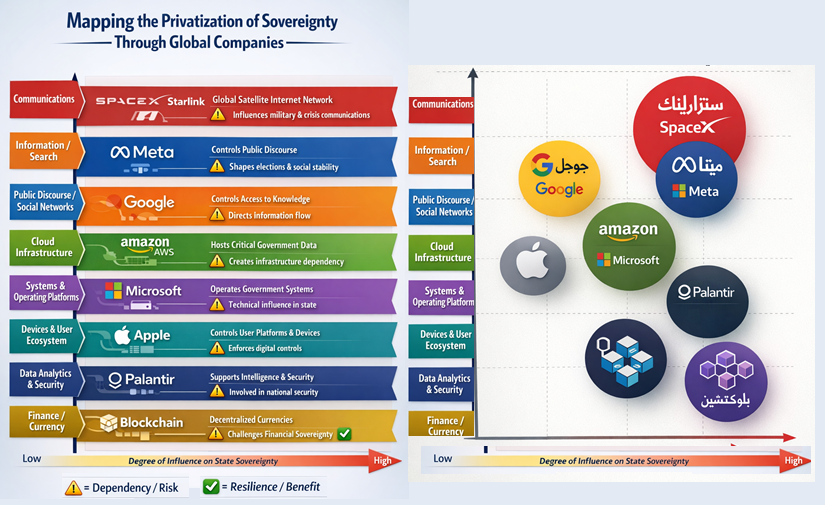
🧵 Privatization of Sovereignty in the Tech Era:
From #Starlink to #Claude → Algorithmic Power Triangle 2035
🔹 1⃣ #Musk & Starlink
🔹 2⃣ #SpaceX, #Meta, #Amazon, #Palantir...
🔹 3⃣ Anthropic | Claude
🔹 4⃣ Mind • Eye • Hand
#AI
https://t.co/AFGfgh5XEi
🧠📘✨ A concise and essential reference for anyone exploring the future of digital transformation.
An analytical series on how #AI is reshaping society and the economy, with practical recommendations for all age and professional groups.
#DigitalEconomy
https://t.co/4laHaAZUs3
I co-authored a book with a GenAI expert and I am slowly understanding the half that my co-author wrote. Check it out if you want to join me in the journey! https://t.co/GgjO2Bxjxv
Can AI learn causal structures?
Causal reasoning is essential for achieving the goal of artificial general intelligence (AGI).
In 2024, @adia_lab conducted a worldwide competition to find the answer.
Here is the answer: https://t.co/eC2PB5TRuo
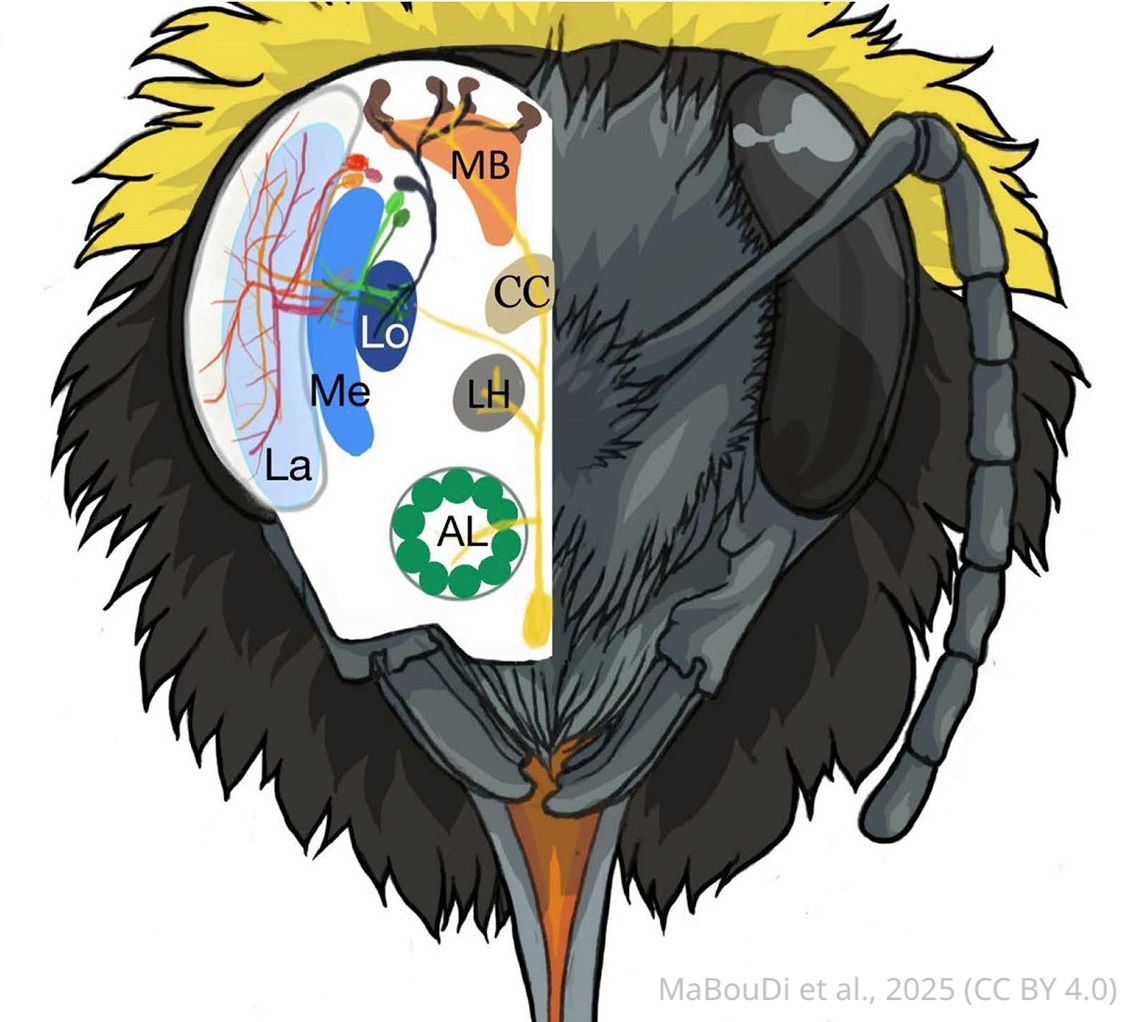
🐝 What can bee brains teach us about efficient vision?
This study shows how simple flight patterns and experience-based learning (without rewards) shape neural coding, offering clues for smarter, leaner vision systems in AI and robotics.
https://t.co/NHvps4XobM
#Neurobiology
Six researchers share with @NatRevPsych their perspectives on current and future uses of generative artificial intelligence, including its impacts on research and humankind. https://t.co/pzZw4BwoIB 🔒


![RiyadhTranslate's tweet photo. Six Revised AI Prompts for Building a Serious Literature Review
AI can be a powerful research assistant, but only when it is used inside a clear method.
The mistake many people make is asking AI to “summarize these papers.” That produces quick output, but not necessarily serious research understanding. A strong literature review requires more than summaries. It requires structure, comparison, contradiction analysis, concept tracing, gap testing, and verification.
The following six prompts are a revised and more rigorous version of common AI research prompts. They are designed to help you use AI as a methodological research assistant, not as a substitute for academic judgment.
They do not magically turn AI into a PhD researcher.
But they can turn a messy set of papers into a structured, auditable, and critically useful research map.
1. Paper Intake Protocol
Use this when you first upload a set of papers.
I will upload a set of papers on [topic].
Do not summarize them yet.
First, build an initial indexing table with the following columns:
1. Author(s) and year
2. Research question
3. Central claim
4. Type of study
5. Methodology
6. Sample or data source
7. Key finding
8. Study limitations
9. Strength of evidence
10. The paper’s role in the field: foundational, empirical, theoretical, critical, review, or marginal
After that, group the papers by shared assumptions, research schools, or methodological approaches.
Finally, identify any papers that appear to contradict, refine, or complement one another.
The goal is not to summarize yet.
The goal is to map the research landscape.
This prompt prevents random summarization. It forces the AI to treat each paper not only as an argument, but as a study with a method, evidence, limits, and a place within the field.
2. Contradiction Analyzer
Use this after the papers have been indexed.
Across all uploaded papers, identify the main points of disagreement or contradiction.
For each contradiction, provide:
1. The issue being disputed
2. The papers or authors involved
3. The position of each side
4. Whether the contradiction is real or only apparent
5. The likely reason for the disagreement:
- different definitions
- different samples
- different methods
- different datasets
- different time periods
- different contexts
- different levels of analysis
6. Whether the findings can be reconciled
7. What kind of future study could test or resolve the disagreement
Format the answer as a table.
This prompt improves the basic “find contradictions” command by adding an important distinction: not every contradiction is real. Sometimes two studies appear to disagree only because they define terms differently, study different populations, or operate at different levels of analysis.
3. Concept Lineage Tracker
Use this when you need to understand how key concepts evolved.
Identify the most important recurring concepts across the uploaded papers.
For each concept, build a preliminary intellectual lineage.
Include:
1. How the concept is defined in the uploaded papers
2. The earliest use of the concept within the uploaded corpus
3. The authors who developed, refined, challenged, or redefined it
4. The major shifts in meaning over time
5. Areas of agreement around the concept
6. Areas of disagreement or ambiguity
7. What is confirmed by the uploaded papers
8. What is only inferred
9. What requires external verification from original sources or citation databases
Do not claim that a paper is the historical origin of a concept unless the uploaded papers clearly support that claim.
Present the lineage as a structured concept tree.
This prompt is especially important because AI can easily produce a convincing but false intellectual history. The revision forces the model to separate what is confirmed, what is inferred, and what still needs external verification.
4. Research Gap Tester
Use this when you want to identify possible research gaps.
Based on the uploaded papers, propose a set of possible research gaps.
For each gap, provide:
1. The gap statement
2. Whether this appears to be:
- a gap only within the uploaded corpus
- a likely gap in the broader field
- or a gap that requires further verification
3. Why the gap exists:
- too difficult
- too specialized
- neglected
- methodologically hard
- data unavailable
- theoretically unresolved
4. The papers that come closest to addressing it
5. Why they do not fully answer it
6. The theoretical value of studying the gap
7. The practical value of studying the gap
8. Whether the gap is researchable
9. The methodology most suitable for investigating it
10. Search terms or databases needed to verify whether the gap has already been addressed elsewhere
Do not present any gap as final.
Present each one as a research hypothesis that requires verification.
This is a crucial correction. AI can generate “fake gaps” very easily. A gap in the uploaded papers is not necessarily a gap in the field. This prompt turns gap discovery into gap testing.
5. Knowledge Map Builder
Use this when you need a structured map of the field.
Build a structured knowledge map of the uploaded literature.
Include:
1. The central question or claim around which the field is organized
2. The main research schools, approaches, or theoretical camps
3. Three to five supporting pillars of the literature
4. For each pillar:
- supporting papers
- opposing papers
- type of evidence
- confidence level: high, medium, or low
5. Two to three active areas of dispute
6. One to three unresolved frontier questions
7. The most important foundational papers for a newcomer
8. Why each foundational paper should be read first
9. What appears established
10. What appears likely but not settled
11. What remains contested
12. What remains unknown
Use a clean outline format.
Do not write long prose.
The original version of this prompt builds a useful map. This revised version makes the map more critical by adding confidence levels, opposing evidence, and distinctions between established, likely, contested, and unknown knowledge.
6. Final Value Test
Use this at the end of the review process.
Imagine I need to explain this entire body of research to an intelligent non-specialist in five minutes.
Give me:
1. The strongest conclusion currently supported by the evidence
2. The most important thing the field still does not know
3. The single most important real-world implication
4. One common misunderstanding that should be avoided
5. One sentence explaining why this field matters
6. One sentence explaining why the evidence should still be treated with caution
Use clear language.
Avoid jargon.
Do not exaggerate certainty.
Do not beautify weak evidence.
Do not use academic padding.
This replaces the dangerous question “What has the field proven?” with a better one: “What does the evidence most strongly support?” That distinction matters. Many fields do not produce final proof; they produce degrees of support, probability, confidence, and uncertainty.
Final Note
These six prompts are not a shortcut around research.
They are a structure for doing research more intelligently.
Used poorly, AI can create the illusion of knowledge: clean tables, elegant maps, persuasive summaries, and fake confidence.
Used properly, it can help you:
organize a large body of literature,
detect disagreements,
trace concepts,
test possible gaps,
build a knowledge map,
and communicate the value of a field clearly.
The key is simple:
Do not let AI replace your judgment.
Use it to discipline your reading, sharpen your questions, and expose what still needs verification.
The best use of AI in research is not to make reading unnecessary.
It is to make reading more structured, more critical, and more productive.
The main article that was developed👇
https://t.co/eciy5AfR7B](https://pbs.twimg.com/media/HIkkEzkXgAAIwL1.jpg)
![RiyadhTranslate's tweet photo. Six Revised AI Prompts for Building a Serious Literature Review
AI can be a powerful research assistant, but only when it is used inside a clear method.
The mistake many people make is asking AI to “summarize these papers.” That produces quick output, but not necessarily serious research understanding. A strong literature review requires more than summaries. It requires structure, comparison, contradiction analysis, concept tracing, gap testing, and verification.
The following six prompts are a revised and more rigorous version of common AI research prompts. They are designed to help you use AI as a methodological research assistant, not as a substitute for academic judgment.
They do not magically turn AI into a PhD researcher.
But they can turn a messy set of papers into a structured, auditable, and critically useful research map.
1. Paper Intake Protocol
Use this when you first upload a set of papers.
I will upload a set of papers on [topic].
Do not summarize them yet.
First, build an initial indexing table with the following columns:
1. Author(s) and year
2. Research question
3. Central claim
4. Type of study
5. Methodology
6. Sample or data source
7. Key finding
8. Study limitations
9. Strength of evidence
10. The paper’s role in the field: foundational, empirical, theoretical, critical, review, or marginal
After that, group the papers by shared assumptions, research schools, or methodological approaches.
Finally, identify any papers that appear to contradict, refine, or complement one another.
The goal is not to summarize yet.
The goal is to map the research landscape.
This prompt prevents random summarization. It forces the AI to treat each paper not only as an argument, but as a study with a method, evidence, limits, and a place within the field.
2. Contradiction Analyzer
Use this after the papers have been indexed.
Across all uploaded papers, identify the main points of disagreement or contradiction.
For each contradiction, provide:
1. The issue being disputed
2. The papers or authors involved
3. The position of each side
4. Whether the contradiction is real or only apparent
5. The likely reason for the disagreement:
- different definitions
- different samples
- different methods
- different datasets
- different time periods
- different contexts
- different levels of analysis
6. Whether the findings can be reconciled
7. What kind of future study could test or resolve the disagreement
Format the answer as a table.
This prompt improves the basic “find contradictions” command by adding an important distinction: not every contradiction is real. Sometimes two studies appear to disagree only because they define terms differently, study different populations, or operate at different levels of analysis.
3. Concept Lineage Tracker
Use this when you need to understand how key concepts evolved.
Identify the most important recurring concepts across the uploaded papers.
For each concept, build a preliminary intellectual lineage.
Include:
1. How the concept is defined in the uploaded papers
2. The earliest use of the concept within the uploaded corpus
3. The authors who developed, refined, challenged, or redefined it
4. The major shifts in meaning over time
5. Areas of agreement around the concept
6. Areas of disagreement or ambiguity
7. What is confirmed by the uploaded papers
8. What is only inferred
9. What requires external verification from original sources or citation databases
Do not claim that a paper is the historical origin of a concept unless the uploaded papers clearly support that claim.
Present the lineage as a structured concept tree.
This prompt is especially important because AI can easily produce a convincing but false intellectual history. The revision forces the model to separate what is confirmed, what is inferred, and what still needs external verification.
4. Research Gap Tester
Use this when you want to identify possible research gaps.
Based on the uploaded papers, propose a set of possible research gaps.
For each gap, provide:
1. The gap statement
2. Whether this appears to be:
- a gap only within the uploaded corpus
- a likely gap in the broader field
- or a gap that requires further verification
3. Why the gap exists:
- too difficult
- too specialized
- neglected
- methodologically hard
- data unavailable
- theoretically unresolved
4. The papers that come closest to addressing it
5. Why they do not fully answer it
6. The theoretical value of studying the gap
7. The practical value of studying the gap
8. Whether the gap is researchable
9. The methodology most suitable for investigating it
10. Search terms or databases needed to verify whether the gap has already been addressed elsewhere
Do not present any gap as final.
Present each one as a research hypothesis that requires verification.
This is a crucial correction. AI can generate “fake gaps” very easily. A gap in the uploaded papers is not necessarily a gap in the field. This prompt turns gap discovery into gap testing.
5. Knowledge Map Builder
Use this when you need a structured map of the field.
Build a structured knowledge map of the uploaded literature.
Include:
1. The central question or claim around which the field is organized
2. The main research schools, approaches, or theoretical camps
3. Three to five supporting pillars of the literature
4. For each pillar:
- supporting papers
- opposing papers
- type of evidence
- confidence level: high, medium, or low
5. Two to three active areas of dispute
6. One to three unresolved frontier questions
7. The most important foundational papers for a newcomer
8. Why each foundational paper should be read first
9. What appears established
10. What appears likely but not settled
11. What remains contested
12. What remains unknown
Use a clean outline format.
Do not write long prose.
The original version of this prompt builds a useful map. This revised version makes the map more critical by adding confidence levels, opposing evidence, and distinctions between established, likely, contested, and unknown knowledge.
6. Final Value Test
Use this at the end of the review process.
Imagine I need to explain this entire body of research to an intelligent non-specialist in five minutes.
Give me:
1. The strongest conclusion currently supported by the evidence
2. The most important thing the field still does not know
3. The single most important real-world implication
4. One common misunderstanding that should be avoided
5. One sentence explaining why this field matters
6. One sentence explaining why the evidence should still be treated with caution
Use clear language.
Avoid jargon.
Do not exaggerate certainty.
Do not beautify weak evidence.
Do not use academic padding.
This replaces the dangerous question “What has the field proven?” with a better one: “What does the evidence most strongly support?” That distinction matters. Many fields do not produce final proof; they produce degrees of support, probability, confidence, and uncertainty.
Final Note
These six prompts are not a shortcut around research.
They are a structure for doing research more intelligently.
Used poorly, AI can create the illusion of knowledge: clean tables, elegant maps, persuasive summaries, and fake confidence.
Used properly, it can help you:
organize a large body of literature,
detect disagreements,
trace concepts,
test possible gaps,
build a knowledge map,
and communicate the value of a field clearly.
The key is simple:
Do not let AI replace your judgment.
Use it to discipline your reading, sharpen your questions, and expose what still needs verification.
The best use of AI in research is not to make reading unnecessary.
It is to make reading more structured, more critical, and more productive.
The main article that was developed👇
https://t.co/eciy5AfR7B](https://pbs.twimg.com/media/HIkj8KYXQAA5LsD.jpg)
![RiyadhTranslate's tweet photo. Six Revised AI Prompts for Building a Serious Literature Review
AI can be a powerful research assistant, but only when it is used inside a clear method.
The mistake many people make is asking AI to “summarize these papers.” That produces quick output, but not necessarily serious research understanding. A strong literature review requires more than summaries. It requires structure, comparison, contradiction analysis, concept tracing, gap testing, and verification.
The following six prompts are a revised and more rigorous version of common AI research prompts. They are designed to help you use AI as a methodological research assistant, not as a substitute for academic judgment.
They do not magically turn AI into a PhD researcher.
But they can turn a messy set of papers into a structured, auditable, and critically useful research map.
1. Paper Intake Protocol
Use this when you first upload a set of papers.
I will upload a set of papers on [topic].
Do not summarize them yet.
First, build an initial indexing table with the following columns:
1. Author(s) and year
2. Research question
3. Central claim
4. Type of study
5. Methodology
6. Sample or data source
7. Key finding
8. Study limitations
9. Strength of evidence
10. The paper’s role in the field: foundational, empirical, theoretical, critical, review, or marginal
After that, group the papers by shared assumptions, research schools, or methodological approaches.
Finally, identify any papers that appear to contradict, refine, or complement one another.
The goal is not to summarize yet.
The goal is to map the research landscape.
This prompt prevents random summarization. It forces the AI to treat each paper not only as an argument, but as a study with a method, evidence, limits, and a place within the field.
2. Contradiction Analyzer
Use this after the papers have been indexed.
Across all uploaded papers, identify the main points of disagreement or contradiction.
For each contradiction, provide:
1. The issue being disputed
2. The papers or authors involved
3. The position of each side
4. Whether the contradiction is real or only apparent
5. The likely reason for the disagreement:
- different definitions
- different samples
- different methods
- different datasets
- different time periods
- different contexts
- different levels of analysis
6. Whether the findings can be reconciled
7. What kind of future study could test or resolve the disagreement
Format the answer as a table.
This prompt improves the basic “find contradictions” command by adding an important distinction: not every contradiction is real. Sometimes two studies appear to disagree only because they define terms differently, study different populations, or operate at different levels of analysis.
3. Concept Lineage Tracker
Use this when you need to understand how key concepts evolved.
Identify the most important recurring concepts across the uploaded papers.
For each concept, build a preliminary intellectual lineage.
Include:
1. How the concept is defined in the uploaded papers
2. The earliest use of the concept within the uploaded corpus
3. The authors who developed, refined, challenged, or redefined it
4. The major shifts in meaning over time
5. Areas of agreement around the concept
6. Areas of disagreement or ambiguity
7. What is confirmed by the uploaded papers
8. What is only inferred
9. What requires external verification from original sources or citation databases
Do not claim that a paper is the historical origin of a concept unless the uploaded papers clearly support that claim.
Present the lineage as a structured concept tree.
This prompt is especially important because AI can easily produce a convincing but false intellectual history. The revision forces the model to separate what is confirmed, what is inferred, and what still needs external verification.
4. Research Gap Tester
Use this when you want to identify possible research gaps.
Based on the uploaded papers, propose a set of possible research gaps.
For each gap, provide:
1. The gap statement
2. Whether this appears to be:
- a gap only within the uploaded corpus
- a likely gap in the broader field
- or a gap that requires further verification
3. Why the gap exists:
- too difficult
- too specialized
- neglected
- methodologically hard
- data unavailable
- theoretically unresolved
4. The papers that come closest to addressing it
5. Why they do not fully answer it
6. The theoretical value of studying the gap
7. The practical value of studying the gap
8. Whether the gap is researchable
9. The methodology most suitable for investigating it
10. Search terms or databases needed to verify whether the gap has already been addressed elsewhere
Do not present any gap as final.
Present each one as a research hypothesis that requires verification.
This is a crucial correction. AI can generate “fake gaps” very easily. A gap in the uploaded papers is not necessarily a gap in the field. This prompt turns gap discovery into gap testing.
5. Knowledge Map Builder
Use this when you need a structured map of the field.
Build a structured knowledge map of the uploaded literature.
Include:
1. The central question or claim around which the field is organized
2. The main research schools, approaches, or theoretical camps
3. Three to five supporting pillars of the literature
4. For each pillar:
- supporting papers
- opposing papers
- type of evidence
- confidence level: high, medium, or low
5. Two to three active areas of dispute
6. One to three unresolved frontier questions
7. The most important foundational papers for a newcomer
8. Why each foundational paper should be read first
9. What appears established
10. What appears likely but not settled
11. What remains contested
12. What remains unknown
Use a clean outline format.
Do not write long prose.
The original version of this prompt builds a useful map. This revised version makes the map more critical by adding confidence levels, opposing evidence, and distinctions between established, likely, contested, and unknown knowledge.
6. Final Value Test
Use this at the end of the review process.
Imagine I need to explain this entire body of research to an intelligent non-specialist in five minutes.
Give me:
1. The strongest conclusion currently supported by the evidence
2. The most important thing the field still does not know
3. The single most important real-world implication
4. One common misunderstanding that should be avoided
5. One sentence explaining why this field matters
6. One sentence explaining why the evidence should still be treated with caution
Use clear language.
Avoid jargon.
Do not exaggerate certainty.
Do not beautify weak evidence.
Do not use academic padding.
This replaces the dangerous question “What has the field proven?” with a better one: “What does the evidence most strongly support?” That distinction matters. Many fields do not produce final proof; they produce degrees of support, probability, confidence, and uncertainty.
Final Note
These six prompts are not a shortcut around research.
They are a structure for doing research more intelligently.
Used poorly, AI can create the illusion of knowledge: clean tables, elegant maps, persuasive summaries, and fake confidence.
Used properly, it can help you:
organize a large body of literature,
detect disagreements,
trace concepts,
test possible gaps,
build a knowledge map,
and communicate the value of a field clearly.
The key is simple:
Do not let AI replace your judgment.
Use it to discipline your reading, sharpen your questions, and expose what still needs verification.
The best use of AI in research is not to make reading unnecessary.
It is to make reading more structured, more critical, and more productive.
The main article that was developed👇
https://t.co/eciy5AfR7B](https://pbs.twimg.com/media/HIkjqPrWMAAFvnE.jpg)




![RiyadhTranslate's tweet photo. Six Revised AI Prompts for Building a Serious Literature Review
AI can be a powerful research assistant, but only when it is used inside a clear method.
The mistake many people make is asking AI to “summarize these papers.” That produces quick output, but not necessarily serious research understanding. A strong literature review requires more than summaries. It requires structure, comparison, contradiction analysis, concept tracing, gap testing, and verification.
The following six prompts are a revised and more rigorous version of common AI research prompts. They are designed to help you use AI as a methodological research assistant, not as a substitute for academic judgment.
They do not magically turn AI into a PhD researcher.
But they can turn a messy set of papers into a structured, auditable, and critically useful research map.
1. Paper Intake Protocol
Use this when you first upload a set of papers.
I will upload a set of papers on [topic].
Do not summarize them yet.
First, build an initial indexing table with the following columns:
1. Author(s) and year
2. Research question
3. Central claim
4. Type of study
5. Methodology
6. Sample or data source
7. Key finding
8. Study limitations
9. Strength of evidence
10. The paper’s role in the field: foundational, empirical, theoretical, critical, review, or marginal
After that, group the papers by shared assumptions, research schools, or methodological approaches.
Finally, identify any papers that appear to contradict, refine, or complement one another.
The goal is not to summarize yet.
The goal is to map the research landscape.
This prompt prevents random summarization. It forces the AI to treat each paper not only as an argument, but as a study with a method, evidence, limits, and a place within the field.
2. Contradiction Analyzer
Use this after the papers have been indexed.
Across all uploaded papers, identify the main points of disagreement or contradiction.
For each contradiction, provide:
1. The issue being disputed
2. The papers or authors involved
3. The position of each side
4. Whether the contradiction is real or only apparent
5. The likely reason for the disagreement:
- different definitions
- different samples
- different methods
- different datasets
- different time periods
- different contexts
- different levels of analysis
6. Whether the findings can be reconciled
7. What kind of future study could test or resolve the disagreement
Format the answer as a table.
This prompt improves the basic “find contradictions” command by adding an important distinction: not every contradiction is real. Sometimes two studies appear to disagree only because they define terms differently, study different populations, or operate at different levels of analysis.
3. Concept Lineage Tracker
Use this when you need to understand how key concepts evolved.
Identify the most important recurring concepts across the uploaded papers.
For each concept, build a preliminary intellectual lineage.
Include:
1. How the concept is defined in the uploaded papers
2. The earliest use of the concept within the uploaded corpus
3. The authors who developed, refined, challenged, or redefined it
4. The major shifts in meaning over time
5. Areas of agreement around the concept
6. Areas of disagreement or ambiguity
7. What is confirmed by the uploaded papers
8. What is only inferred
9. What requires external verification from original sources or citation databases
Do not claim that a paper is the historical origin of a concept unless the uploaded papers clearly support that claim.
Present the lineage as a structured concept tree.
This prompt is especially important because AI can easily produce a convincing but false intellectual history. The revision forces the model to separate what is confirmed, what is inferred, and what still needs external verification.
4. Research Gap Tester
Use this when you want to identify possible research gaps.
Based on the uploaded papers, propose a set of possible research gaps.
For each gap, provide:
1. The gap statement
2. Whether this appears to be:
- a gap only within the uploaded corpus
- a likely gap in the broader field
- or a gap that requires further verification
3. Why the gap exists:
- too difficult
- too specialized
- neglected
- methodologically hard
- data unavailable
- theoretically unresolved
4. The papers that come closest to addressing it
5. Why they do not fully answer it
6. The theoretical value of studying the gap
7. The practical value of studying the gap
8. Whether the gap is researchable
9. The methodology most suitable for investigating it
10. Search terms or databases needed to verify whether the gap has already been addressed elsewhere
Do not present any gap as final.
Present each one as a research hypothesis that requires verification.
This is a crucial correction. AI can generate “fake gaps” very easily. A gap in the uploaded papers is not necessarily a gap in the field. This prompt turns gap discovery into gap testing.
5. Knowledge Map Builder
Use this when you need a structured map of the field.
Build a structured knowledge map of the uploaded literature.
Include:
1. The central question or claim around which the field is organized
2. The main research schools, approaches, or theoretical camps
3. Three to five supporting pillars of the literature
4. For each pillar:
- supporting papers
- opposing papers
- type of evidence
- confidence level: high, medium, or low
5. Two to three active areas of dispute
6. One to three unresolved frontier questions
7. The most important foundational papers for a newcomer
8. Why each foundational paper should be read first
9. What appears established
10. What appears likely but not settled
11. What remains contested
12. What remains unknown
Use a clean outline format.
Do not write long prose.
The original version of this prompt builds a useful map. This revised version makes the map more critical by adding confidence levels, opposing evidence, and distinctions between established, likely, contested, and unknown knowledge.
6. Final Value Test
Use this at the end of the review process.
Imagine I need to explain this entire body of research to an intelligent non-specialist in five minutes.
Give me:
1. The strongest conclusion currently supported by the evidence
2. The most important thing the field still does not know
3. The single most important real-world implication
4. One common misunderstanding that should be avoided
5. One sentence explaining why this field matters
6. One sentence explaining why the evidence should still be treated with caution
Use clear language.
Avoid jargon.
Do not exaggerate certainty.
Do not beautify weak evidence.
Do not use academic padding.
This replaces the dangerous question “What has the field proven?” with a better one: “What does the evidence most strongly support?” That distinction matters. Many fields do not produce final proof; they produce degrees of support, probability, confidence, and uncertainty.
Final Note
These six prompts are not a shortcut around research.
They are a structure for doing research more intelligently.
Used poorly, AI can create the illusion of knowledge: clean tables, elegant maps, persuasive summaries, and fake confidence.
Used properly, it can help you:
organize a large body of literature,
detect disagreements,
trace concepts,
test possible gaps,
build a knowledge map,
and communicate the value of a field clearly.
The key is simple:
Do not let AI replace your judgment.
Use it to discipline your reading, sharpen your questions, and expose what still needs verification.
The best use of AI in research is not to make reading unnecessary.
It is to make reading more structured, more critical, and more productive.
The main article that was developed👇
https://t.co/eciy5AfR7B](https://pbs.twimg.com/media/HIkkLKGXcAAoXUr.jpg)