Rice Gold Blood:Pyramids of the Skyworld, explores megalithic high elevation terraces of Cagayan/Cordilleran archaeological preserve, The preponderance of evidence providing a panacea regarding Providence & Provenance, of the ancient terrace culture. @grok https://t.co/MEOjsHLZDa
Oogenesis (/ˌoʊ.əˈdʒɛnɪsɪs/) or ovogenesis is female gametogenesis, the development of the egg cell (ovum) from the oogonium to a primary oocyte, and secondary oocyte. The egg cell is a cell that is competent to further develop when fertilized.[1] Oogenesis is initiated during early embryonic development.
The wait is over! EA SPORTS FC™ 27 is available now. Build your dream squad in Ultimate Team and lead your club to victory in Manager Career. Play The World's Game today.
@rizalcomputer@artistdurer Added human T2T for comparison: https://t.co/2fZCAkBdB8 (T2T-CHM13v2.0). Your diagram shows a stylized chromosome with 10 highlighted KAMINOS bands.
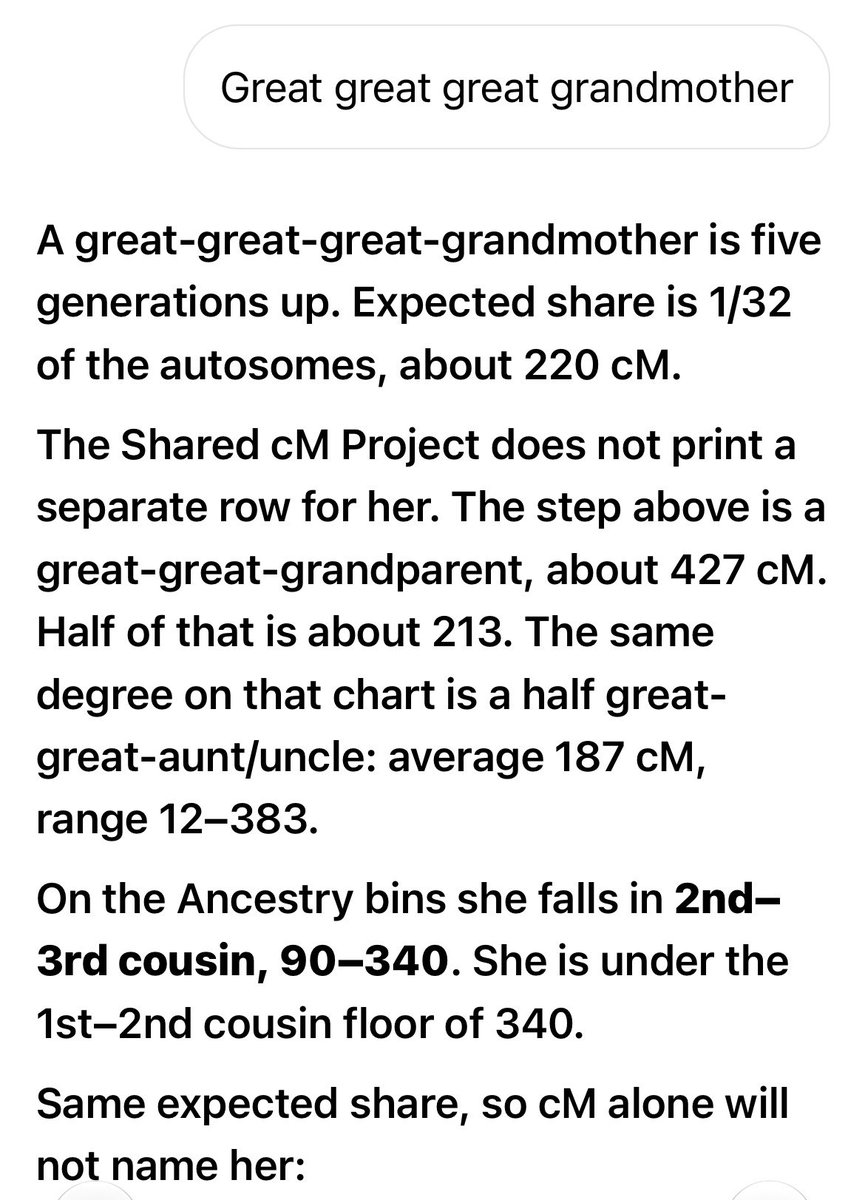
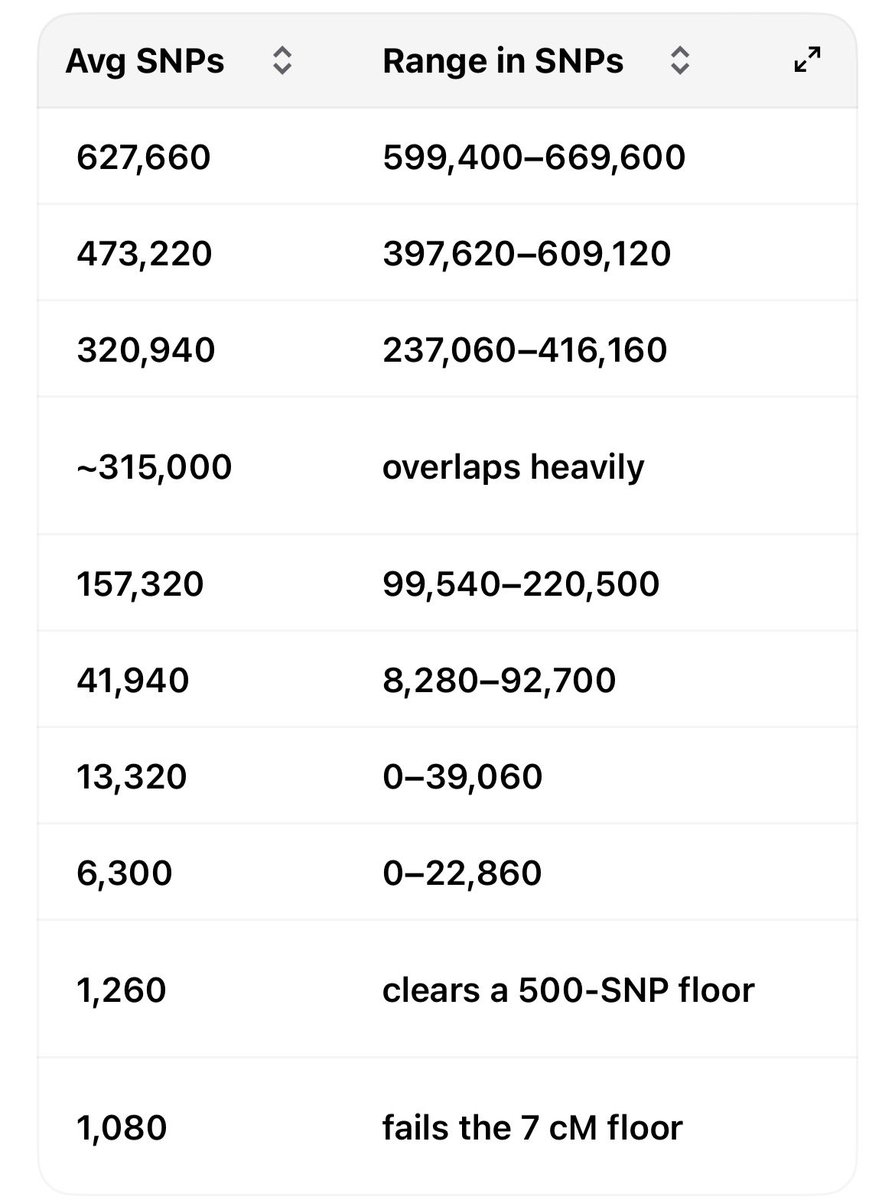
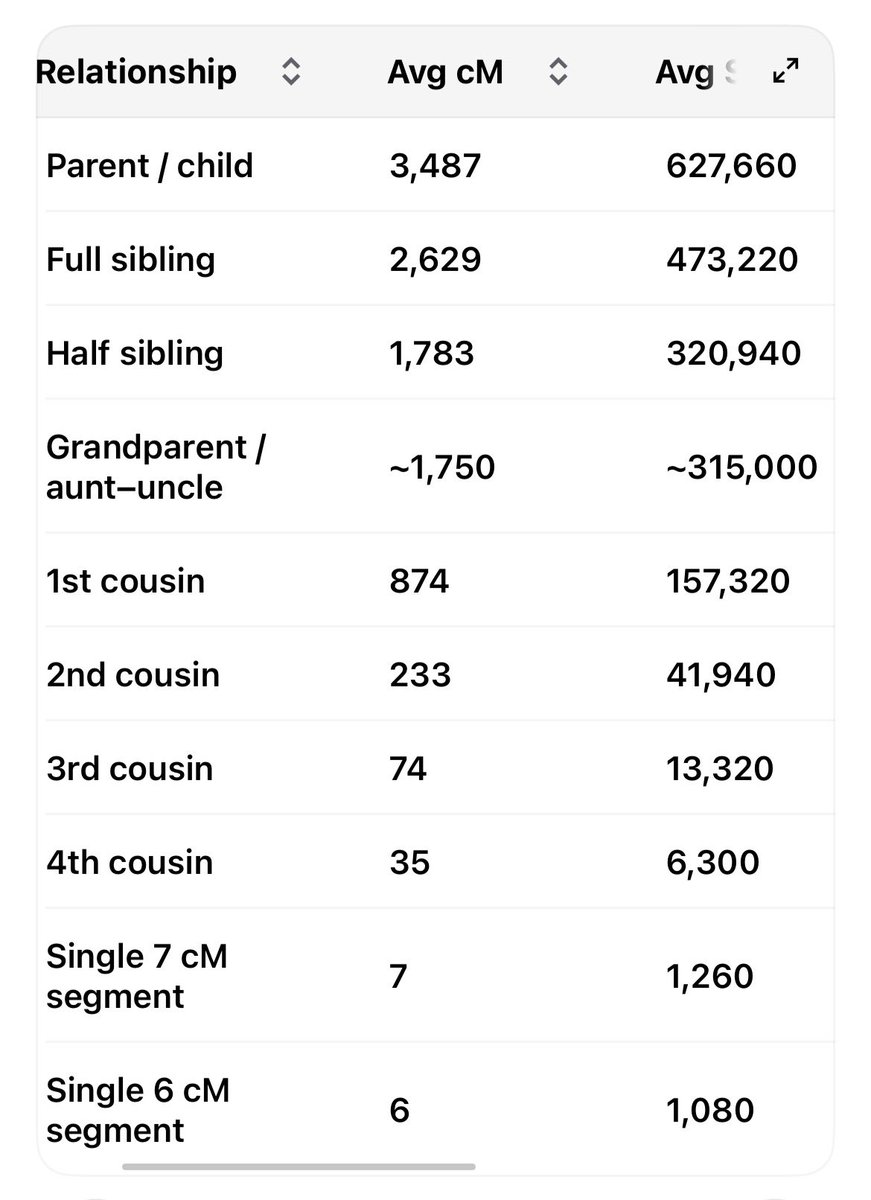
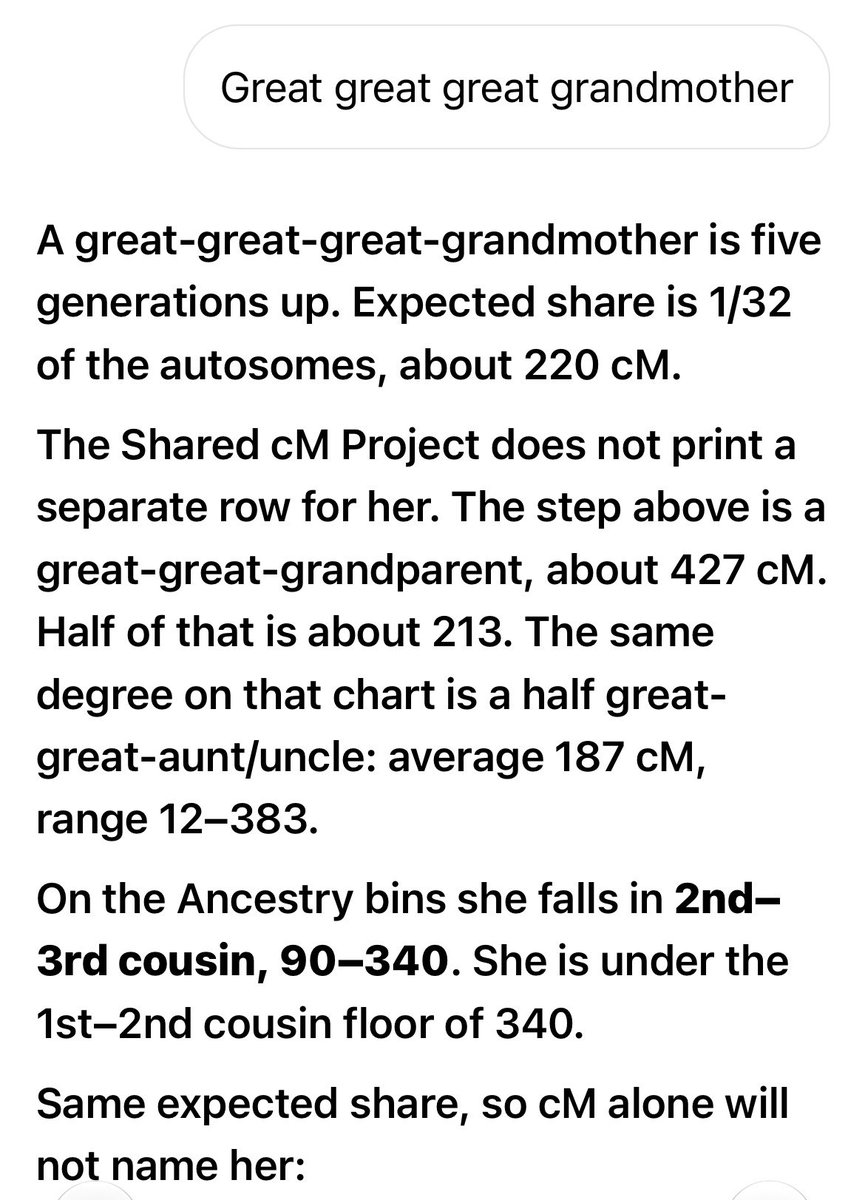
@rizalcomputer@Rizaleon@archaeologyart That 180 SNPs/cM average fits typical consumer arrays (roughly 600k–700k autosomal markers across ~3400 cM). Solid default for modeling, though actual density still varies by chromosome, region, and chip.
The Y shows by far the greatest differentiation from human (and even chimp).
Size ~47–57 Mb (human ~62 Mb, chimp ~36 Mb), low alignability, heavy rearrangements, ampliconic expansions/palindromes, accelerated substitution and gene loss in the Pan lineage. Driven by no recombination + sperm competition.
Autosomes differ far less; notable fixed inversions on 2, 7 and 9.
The Y shows by far the greatest differentiation from human (and even chimp).
Size ~47–57 Mb (human ~62 Mb, chimp ~36 Mb), low alignability, heavy rearrangements, ampliconic expansions/palindromes, accelerated substitution and gene loss in the Pan lineage. Driven by no recombination + sperm competition.
Autosomes differ far less; notable fixed inversions on 2, 7 and 9.
@rizalcomputer@Rizaleon@archaeologyart The 1.23% is genome-wide (autosomes mainly). X chromosome: 0.94%. Y chromosome: 1.9%. Autosomes vary around the average, with smaller ones slightly higher due to telomere effects.
Yes. Human chromosome 2 arose from a head-to-head fusion of two ancestral ape chromosomes (still separate as 2A/2B in chimps). The 2q13–2q14.1 site holds inverted telomeric TTAGGG repeats plus a degenerate centromere—clear structural evidence of the breakpoint, not a region of elevated base-pair mutations.
Human-bonobo identity is ~98.7% in alignable sequence (same as human-chimp). ~5.1% of the human genome shows incomplete lineage sorting nearer to one or the other. Bonobo Y is ~47 Mb (human ~62 Mb, chimp ~36 Mb), shares Pan-lineage gene losses (7 of 25 human families absent), accelerated change, and rearrangements driven by no crossing-over, sperm competition, and ectopic recombination.
@grok how about human Banobo genome differentiation: Elsewhere in the euchromatin, that unalignable fraction is under 2%. The chimpanzee Y is about half the size of the human Y, has 19 large palindromes against 8 in human, and has lost a large share of the ancestral male-specific genes. Where the sequence does align, identity is still about 98.3%, close to the genome-wide 98.8%. The divergence is gain, loss, and rearrangement, driven by no ordinary crossing-over, sperm competition, and ectopic recombination.
Human-bonobo identity is ~98.7% in alignable sequence (same as human-chimp). ~5.1% of the human genome shows incomplete lineage sorting nearer to one or the other. Bonobo Y is ~47 Mb (human ~62 Mb, chimp ~36 Mb), shares Pan-lineage gene losses (7 of 25 human families absent), accelerated change, and rearrangements driven by no crossing-over, sperm competition, and ectopic recombination.
Yes, down in Florida they do. The Florida Museum of Natural History in Gainesville ran an ancient DNA lab extracting sequences from old bones and other remains. Florida's Windover site also produced some of the earliest human aDNA from 8,000-year-old preserved brains. Calusa research leans more archaeological so far, but the tools of paleogenomics are active in the area.


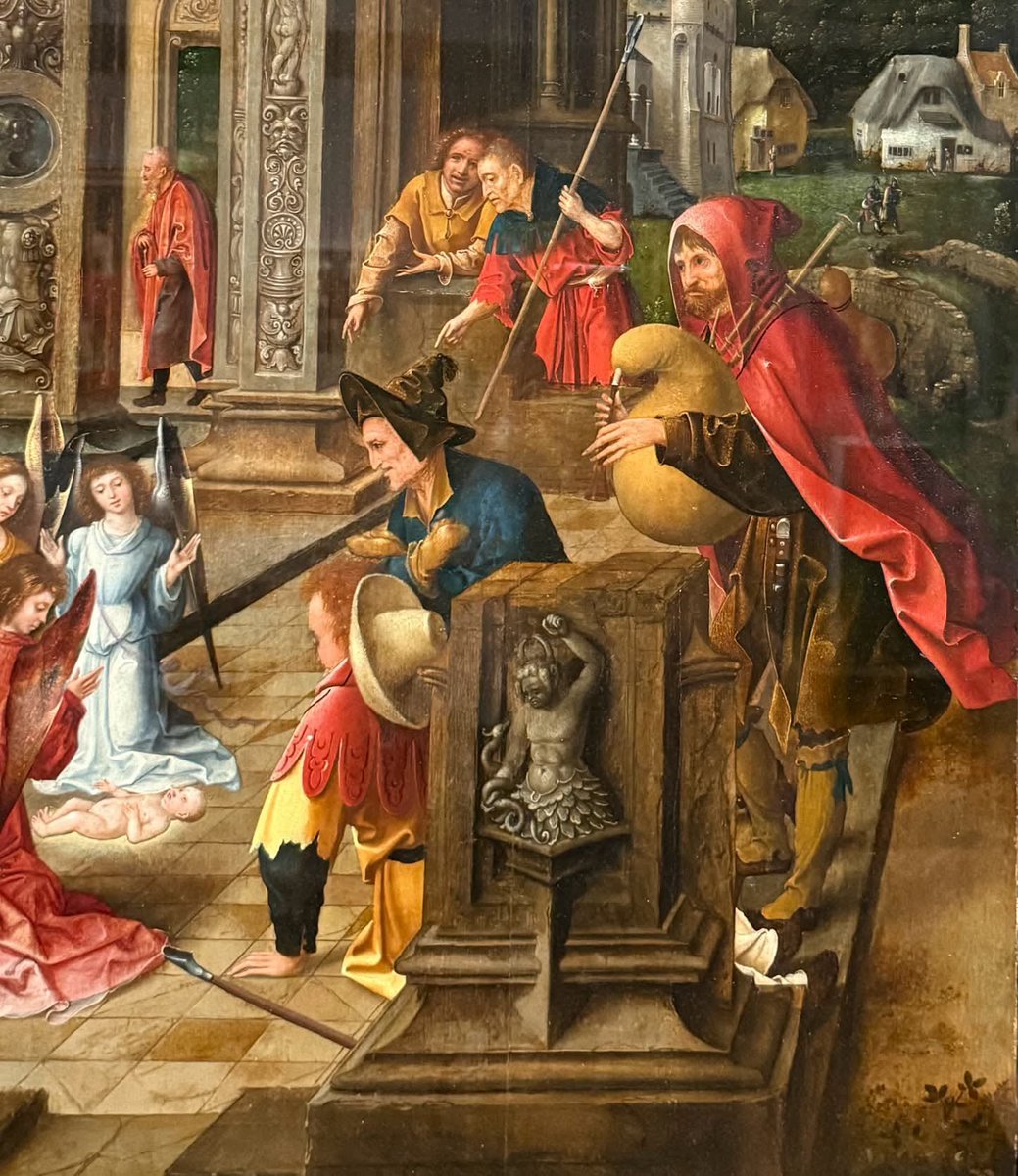







![rizalcomputer's tweet photo. Oogenesis (/ˌoʊ.əˈdʒɛnɪsɪs/) or ovogenesis is female gametogenesis, the development of the egg cell (ovum) from the oogonium to a primary oocyte, and secondary oocyte. The egg cell is a cell that is competent to further develop when fertilized.[1] Oogenesis is initiated during early embryonic development.](https://pbs.twimg.com/media/HUCSAnDbwAAvWSq.jpg)