This ancient Roman column marks the starting point of the Via Appia, where Romans first measured distances in mille passus (“a thousand paces”), equal to about 5,000 feet. England later adopted this system, adjusting the mile to 5,280 feet but keeping its Roman origin.
The Garmsar Salt Cave features massive salt pillars that support its ceiling, formed and shaped by the Achaemenid Empire during salt extraction in 550–330 BC. Located in the Iranian county of the same name, the cave has 27 mines, and the one shown here popular tourist attraction.
The A303 in southern England is a modern road that follows ancient travel routes dating back thousands of years. Once used by prehistoric peoples, Romans, medieval pilgrims, and traders, it has long served as a key link across the region.
Glebe Cottages in Drewsteignton is a Grade II listed medieval hall house dating to the early 15th century. Now four thatched cob cottages, it was bought by businessman Julius Drewe in 1910 and restored between 1926 and 1931 to improve rural housing.
“Dante’s Hell under Mont Saint-Michel”by Pierre Ionica explores a possible link between Dante Alighieri’s Divine Comedy and the architecture of Mont Saint-Michel in France.Ionica theorizes that hidden tunnels and chambers beneath the abbey may have inspired Dante’s vision of hell
The Roman Villa of Noheda in Spain, built in the 4th century AD, showcases stunning mosaic floors depicting mythological scenes. Though time has softened their edges, the vibrant artistry endures—offering a timeless glimpse into Roman luxury, culture, and creativity.
The Slănic Salt Mine in Romania’s Prahova Valley, discovered in 1686, features vast underground chambers carved from salt. Once a major mining site, it’s now a tourist and therapeutic destination known for its healing air and stunning salt formations.
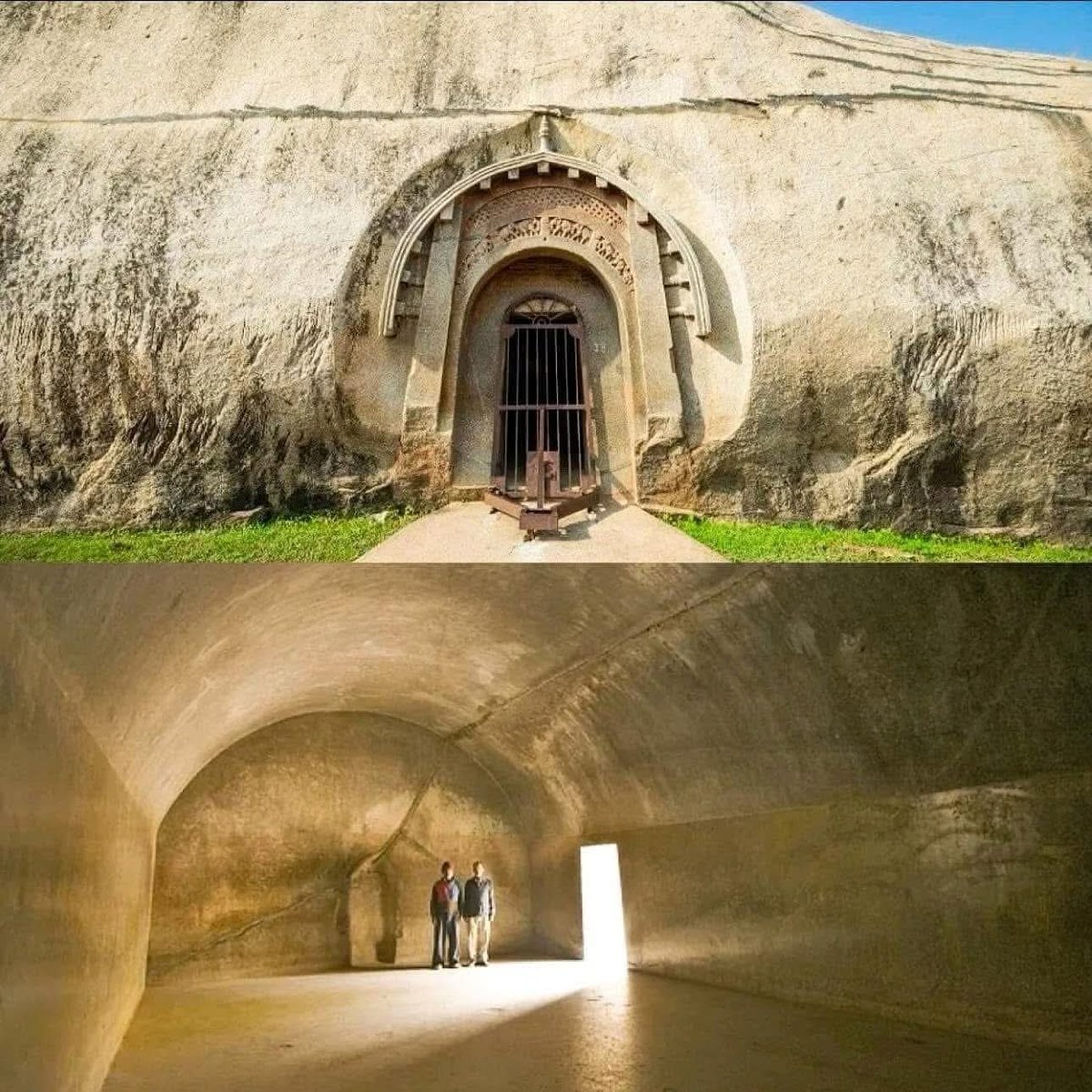
The Barabar Caves in Jehanabad district, Bihar, date back to the Maurya period (around the 3rd century BC) and are among India’s oldest rock-cut cave complexes.
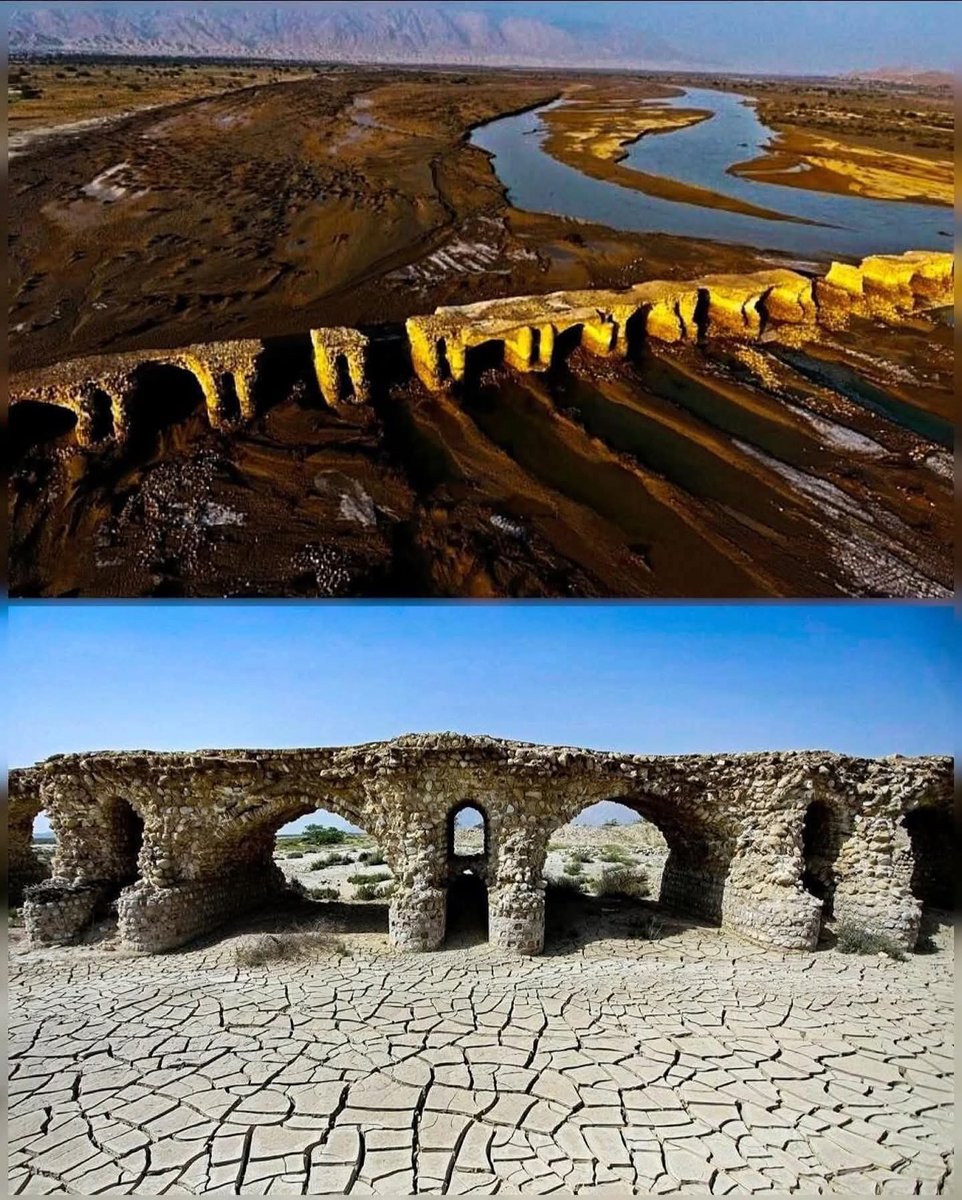
The Latidan Bridge, built in 1627 during Shah Abbas’s reign, is a major Safavid-era structure in Iran’s Hormozgan Province. Originally constructed for military use in the war against the Portuguese, it was made with local materials to endure harsh conditions and floods.
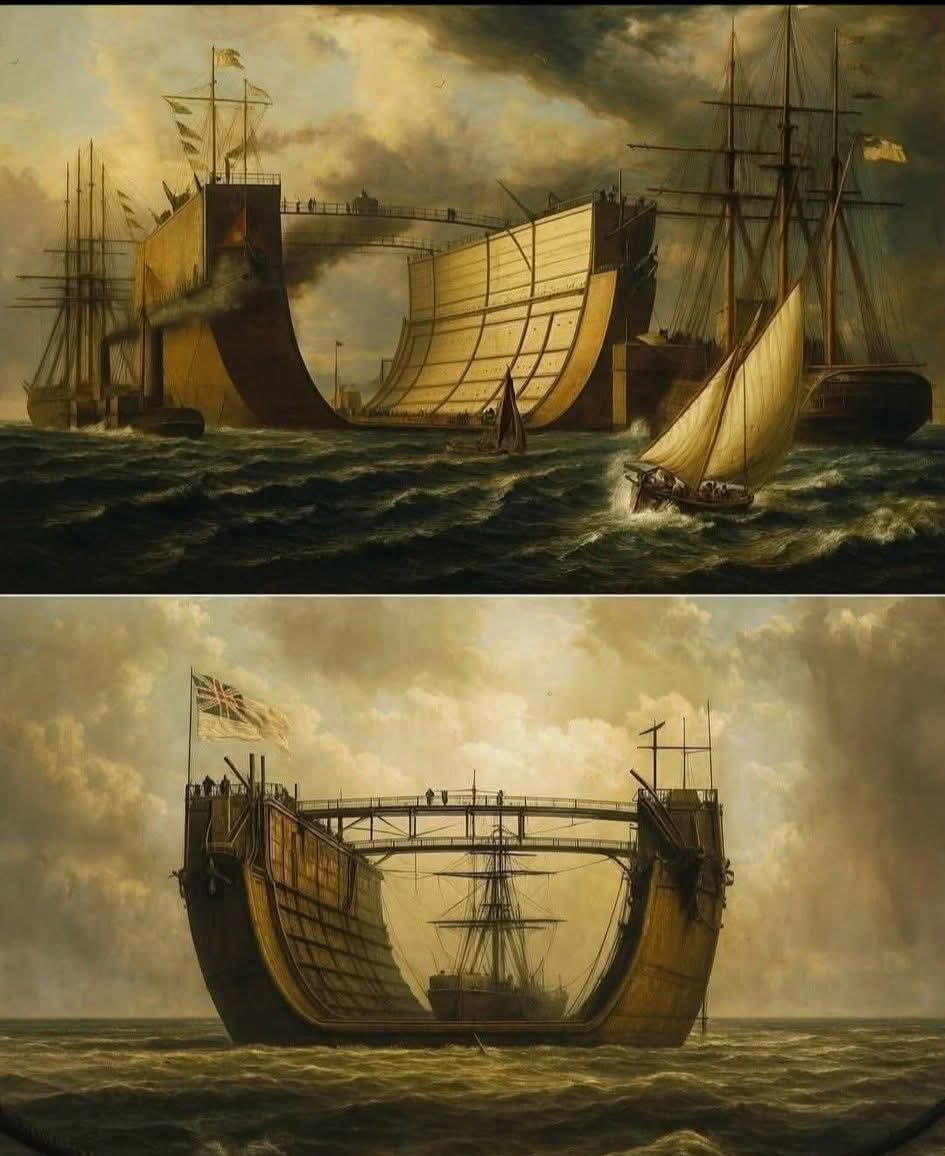
In 1869, Britain towed the world's largest floating dry dock across the Atlantic - all 8,000 tons of it.
Built to repair warships like HMS Warrior, the 380-foot iron dock was too big to build in Bermuda's porous ground, so engineers made it floatable.
It’s real. A 300kg polar bear was spotted standing on a 40-ton sperm whale in the frozen Arctic.
The whale had drifted for miles, carried by ocean currents, before ending up trapped in the ice at 82° north latitude. For the bear, this rare fnd was more than strange — it was sur.
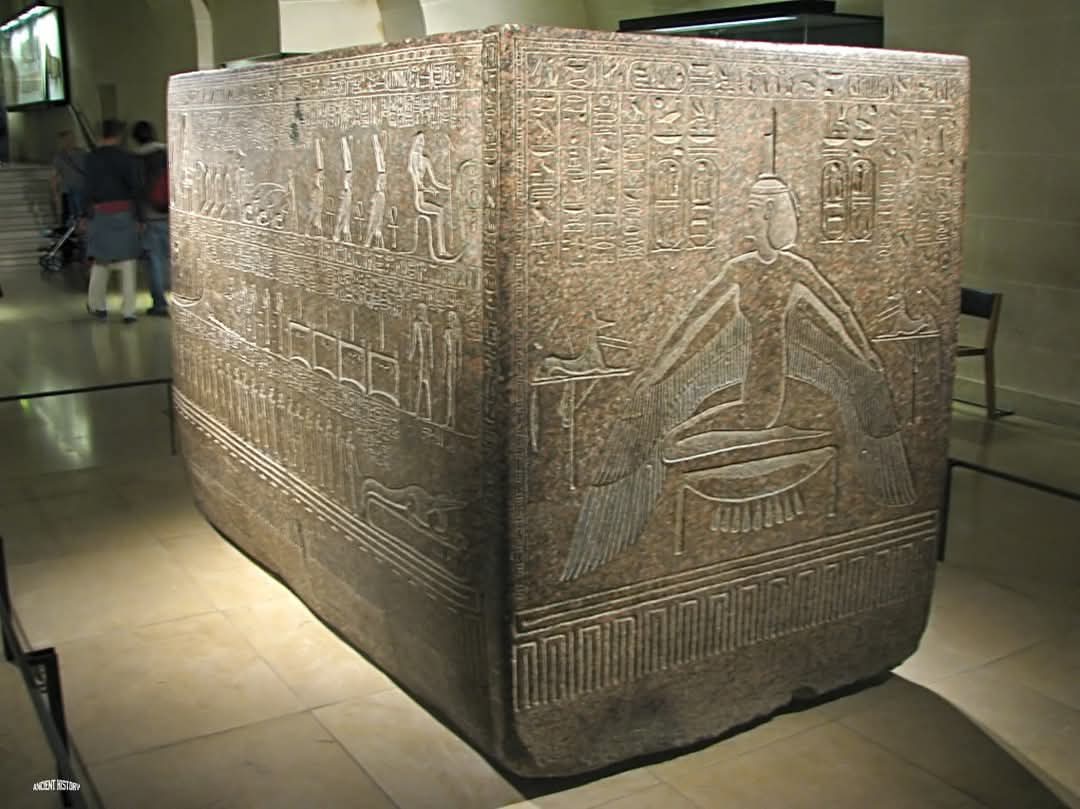
A giant stone coffin from ancient Egypt, made of pink granite from the Aswan region. It is part of the sarcophagus of a pharaoh from the New Kingdom, around the 13th century BC, usually placed in the Valley of the Kings tomb or mortuary temple.
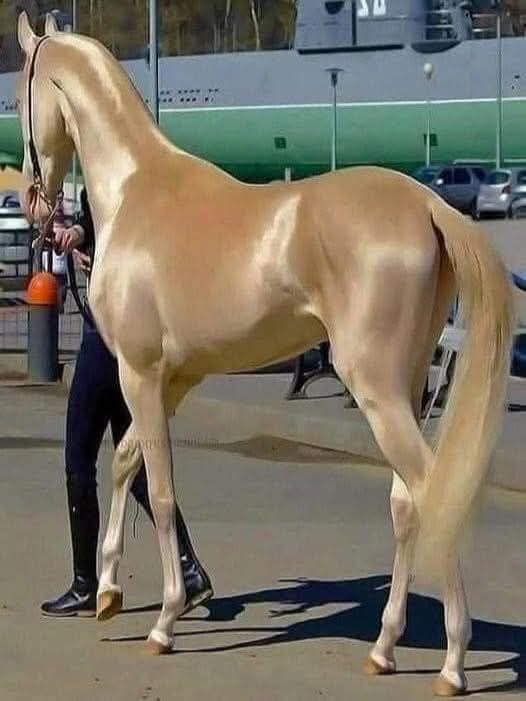
The Akhal-Teke is a horse breed with a history spanning more than 3,000 years. Often described as if woven from silk and pearls, it originates from Turkmenistan, where it is revered as a national symbol.
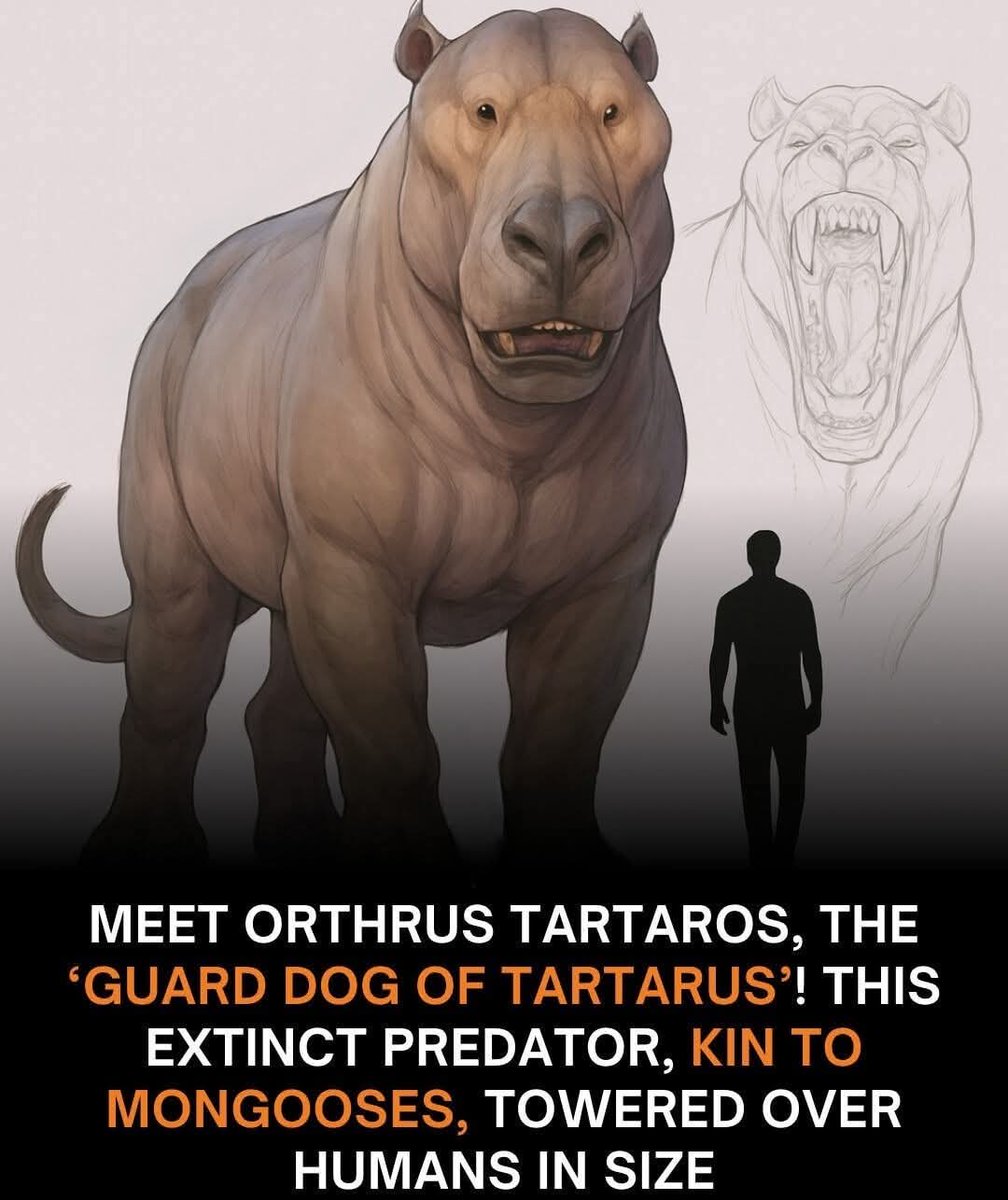
Meet Orthrus Tartaros, the legendary “Guard Dog of Tartarus.”massive extinct predator once roamed the ancient landscapes of South America. Belonging to fearsome family of carnivorous mammals distantly related to modern mongooses, it stood as one of the apex hunters of its time.