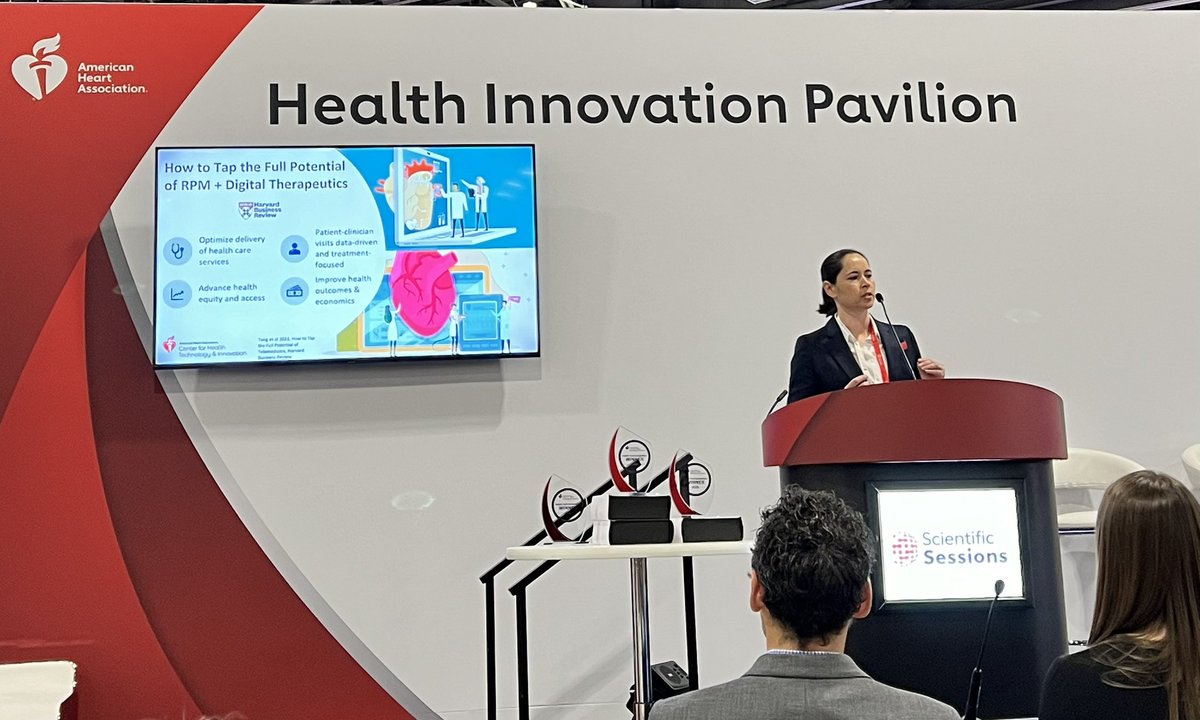
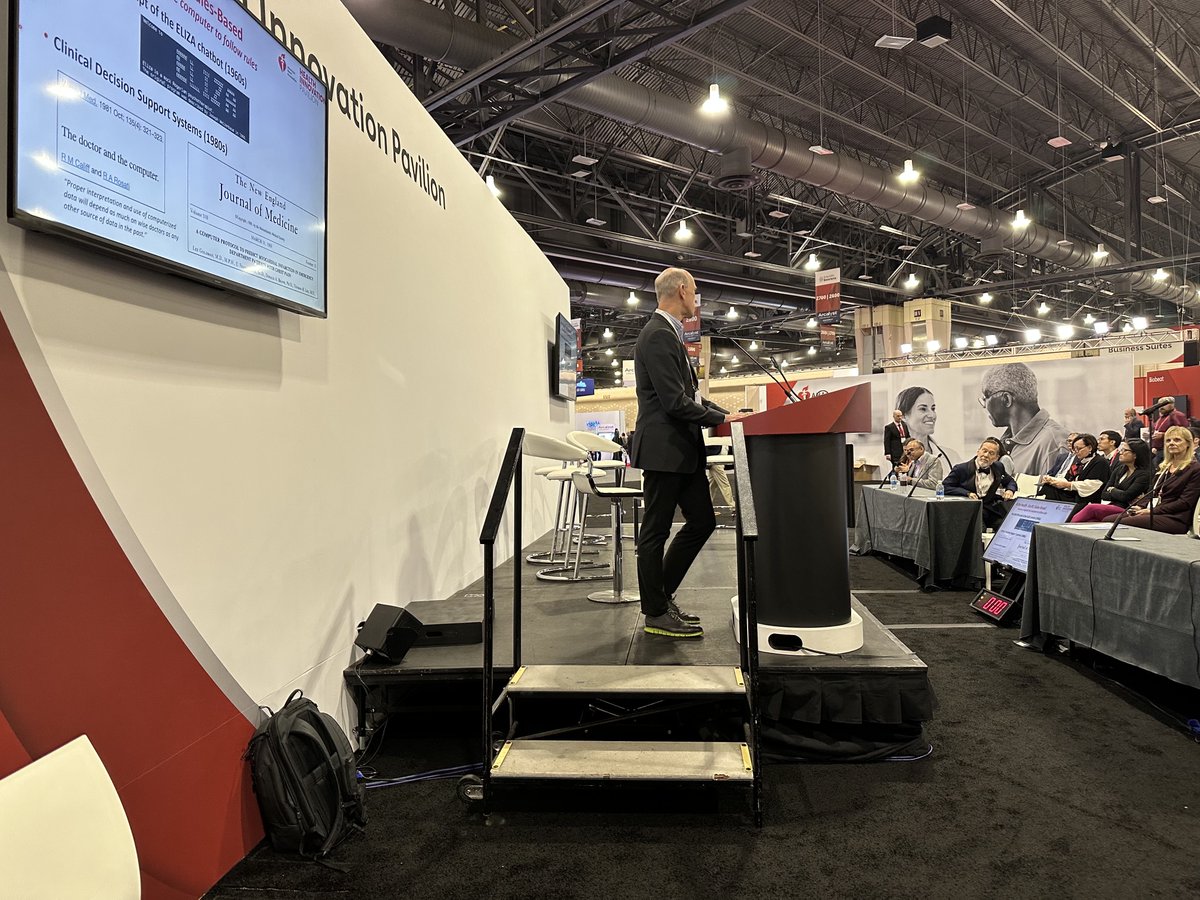
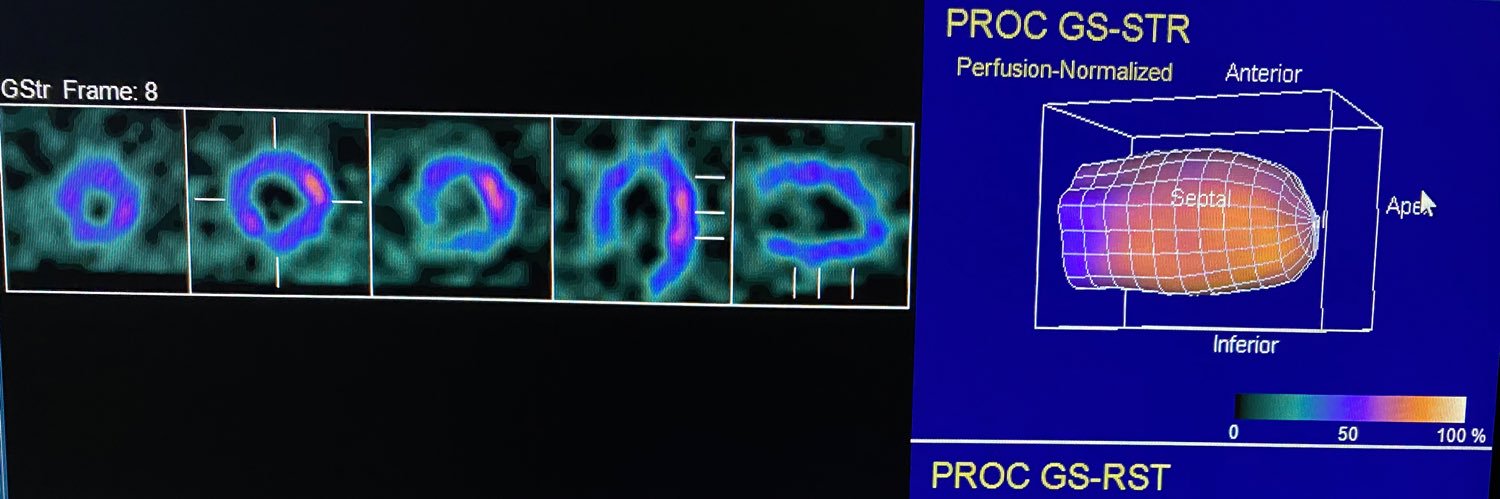
Increase your knowledge of maternal cardiovascular risks before, during and after pregnancy with this free accredited learning module. Register for the accredited course at https://t.co/rukJQR6R8I
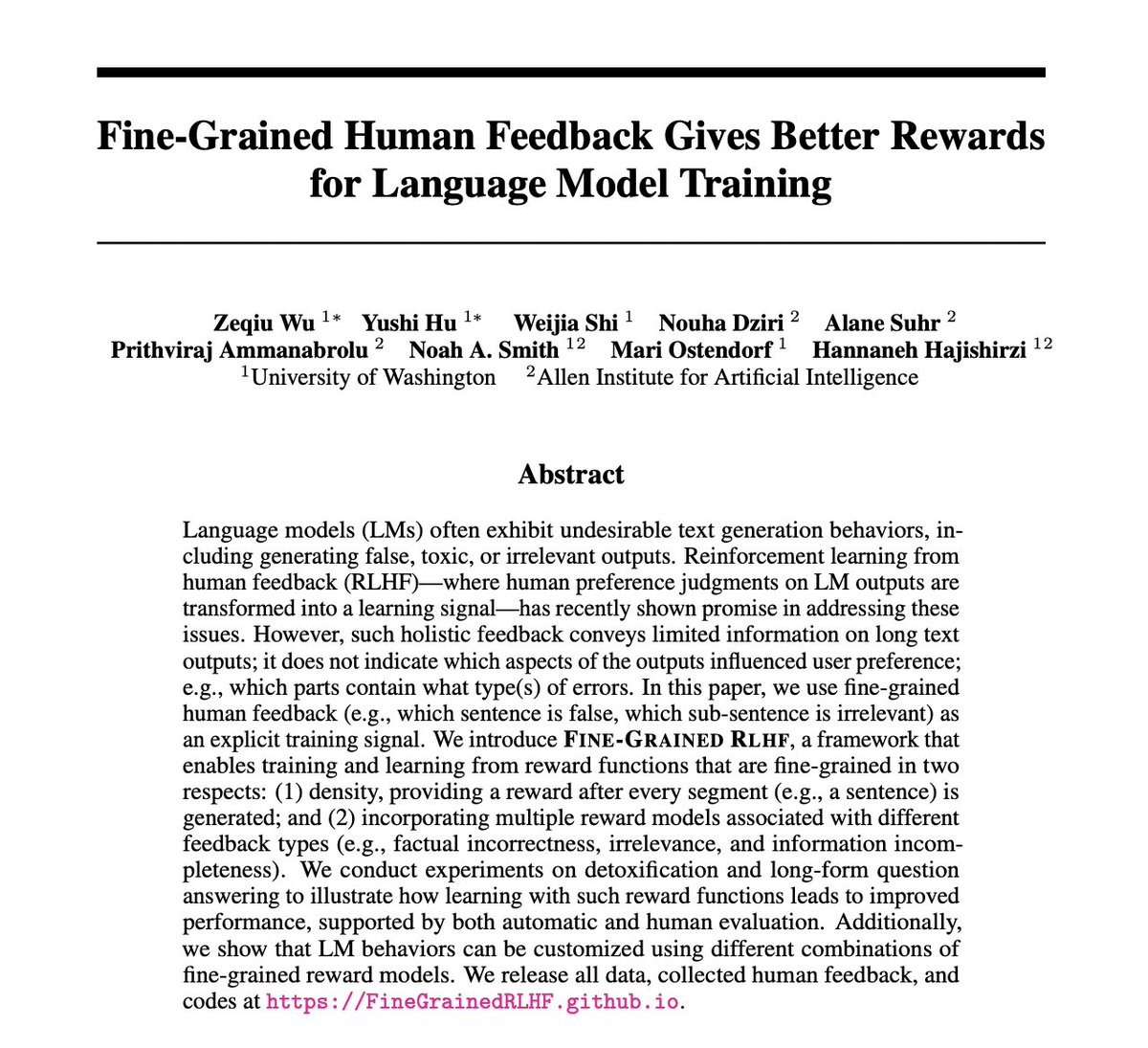
Fine-Grained Human Feedback Gives Better Rewards for Language Model Training
paper page: https://t.co/ac8ZcSPrKB
use fine-grained human feedback (e.g., which sentence is false, which sub-sentence is irrelevant) as an explicit training signal. We introduce Fine-Grained RLHF, a framework that enables training and learning from reward functions that are fine-grained in two respects: (1) density, providing a reward after every segment (e.g., a sentence) is generated; and (2) incorporating multiple reward models associated with different feedback types (e.g., factual incorrectness, irrelevance, and information incompleteness). We conduct experiments on detoxification and long-form question answering to illustrate how learning with such reward functions leads to improved performance, supported by both automatic and human evaluation. Additionally, we show that LM behaviors can be customized using different combinations of fine-grained reward models.
Contributing to one of the most high quality-projects to advance AI in the world is like getting a chance to make history with you. Thank you @neurosp1ke@ykilcher
Thank you for all ur amazing podcasts @lexfridman so fortunate to be included and engaged in your circle and the people that drive AI. A striking observation I realized is LLM behaves differently than all of DL. Its obj is not stationary but changed by each input
@Kronenberg211@ylecun Very clever. Assume intelligence prefers more intelligence, we train a model recognizing what intelligence looks like (GANS 0 vs 1 for intelligence). @ilyasut Can we then distill the evolutionary objectives from interesting properties of unsupervised learning (work backwards)
In many animal species, evolution encodes objectives.
It is up to the individuals to figure out the behaviors that optimize these objectives.
Encoding objectives rather than behaviors is much simpler, more efficient, and more adaptive way for evolution to specify complex behaviors.
the same way it is much easier for human engineers to specify a loss function and rely on optimization for a system to perform perception or control than it is to design a perception or control system from scratch.
A lot of exciting news today. I am proud to announce FDA clearance for the use of our Kardia 6L to monitor QT enabling a new service for instant QTc assessment anywhere & anytime. This innovation will boost patient safety. https://t.co/Nt6zu8ZeOa