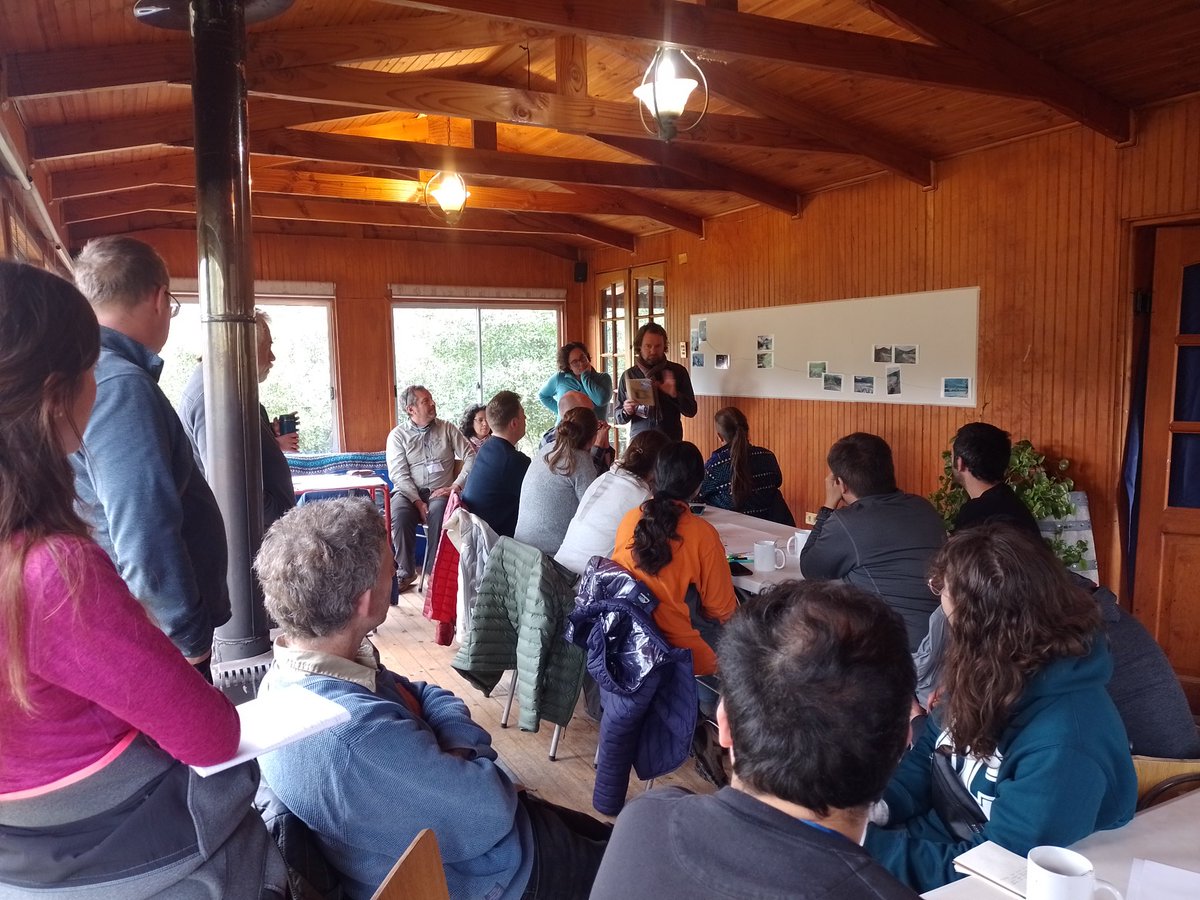
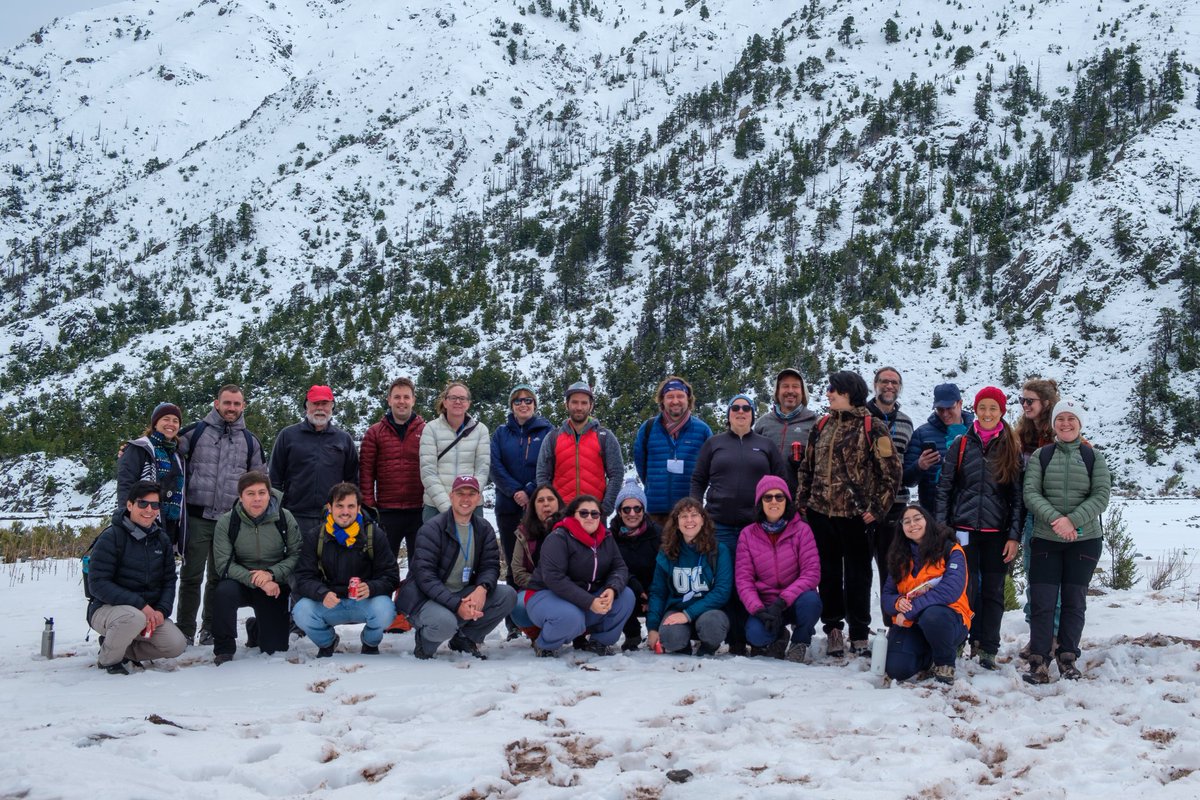
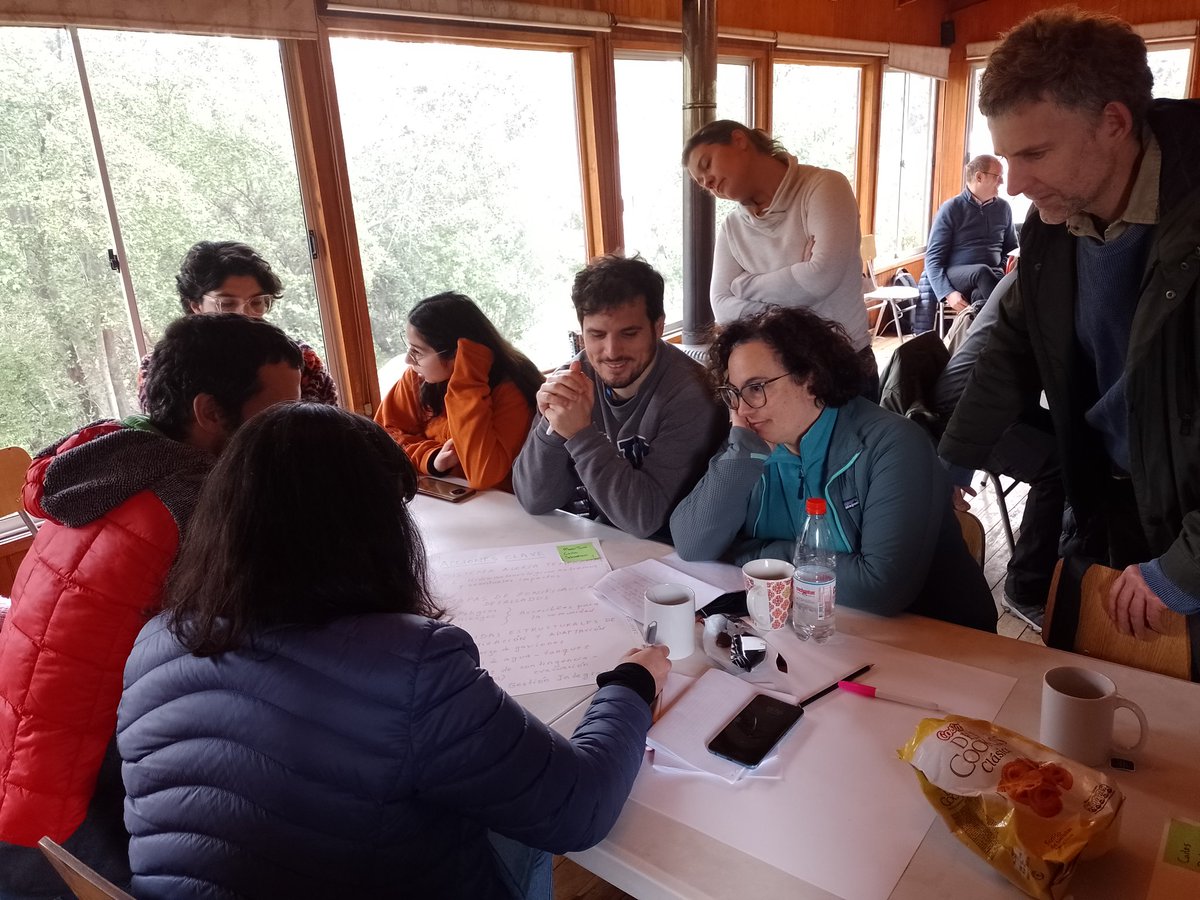
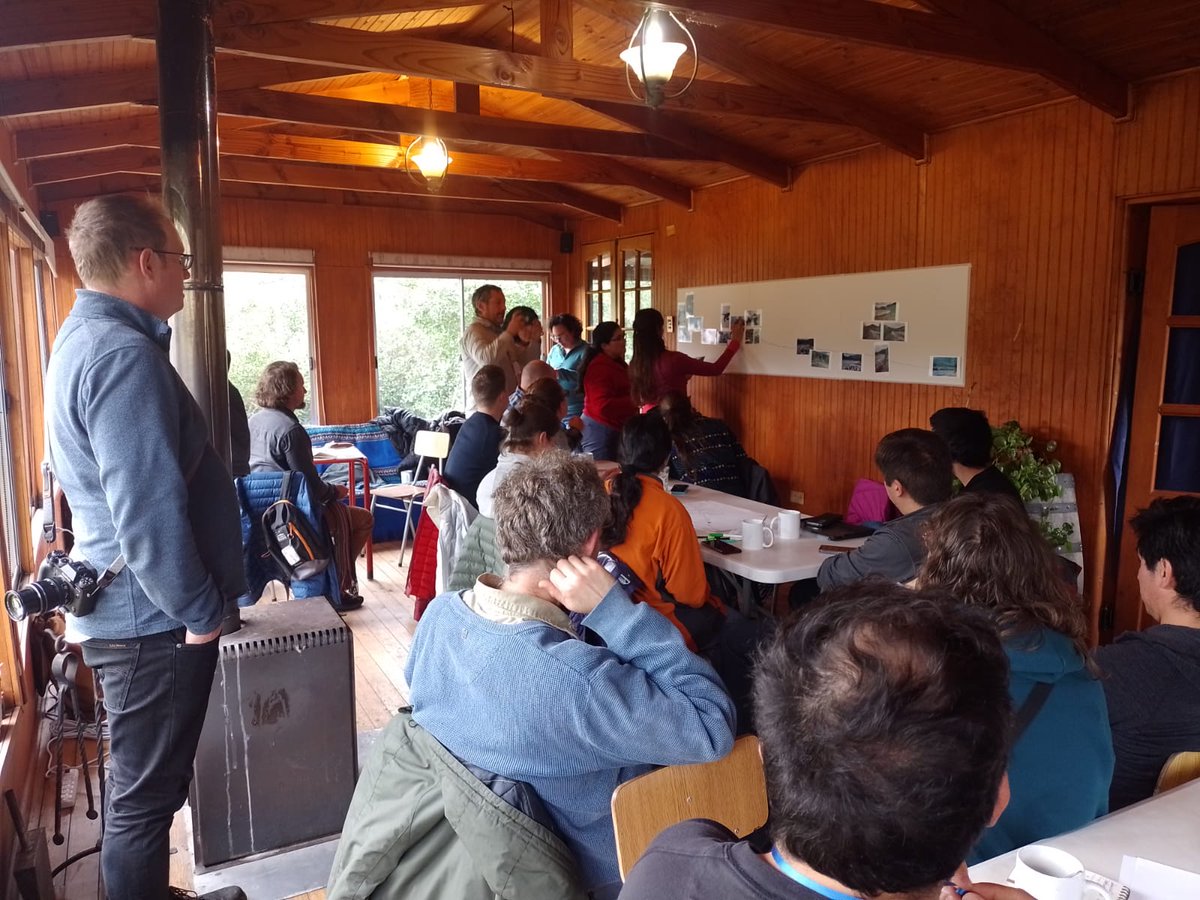
Geomorphologists often study climate change impacts without involving local communities in the research. The Sediment Cascades workshop in Chile aimed to combat this through meaningful engagement with community members. New blog post by @rmharries et al! https://t.co/wmJfRbRTPB
Fantastic few days in Los Queñes, Chile for the Sediment Cascades and Climate Change 2024 workshop (#sedcascades2024). Lots of interesting discussions about geomorphic hazards in the Andes and efforts to improve community resilience. 1/4
This was an inspiring example of collaboration between the local community and both Chilean and international scientists! Very happy to have seen it in action!
Such a pleasure to spend time with a lovely group of people at #sedcascades2024. Feeling energised and excited for the future collaborations. Thank you @BSG_Geomorph for funding us!
Day 3 of #sedcascades2024! Great discussions between physical scientists from different disciplines about mountain hazards and actions that may help to improve community resilience. @_IHRR
Are you into geomorphology and stunning islands? I co-authored a paper with Rebekah Harris, Linda Kirstein, Mikael Attal, and Simon Mudd about them. And the best part? It's open access. Dive in the link below and enjoy!
https://t.co/Jfmmt0t3Bh
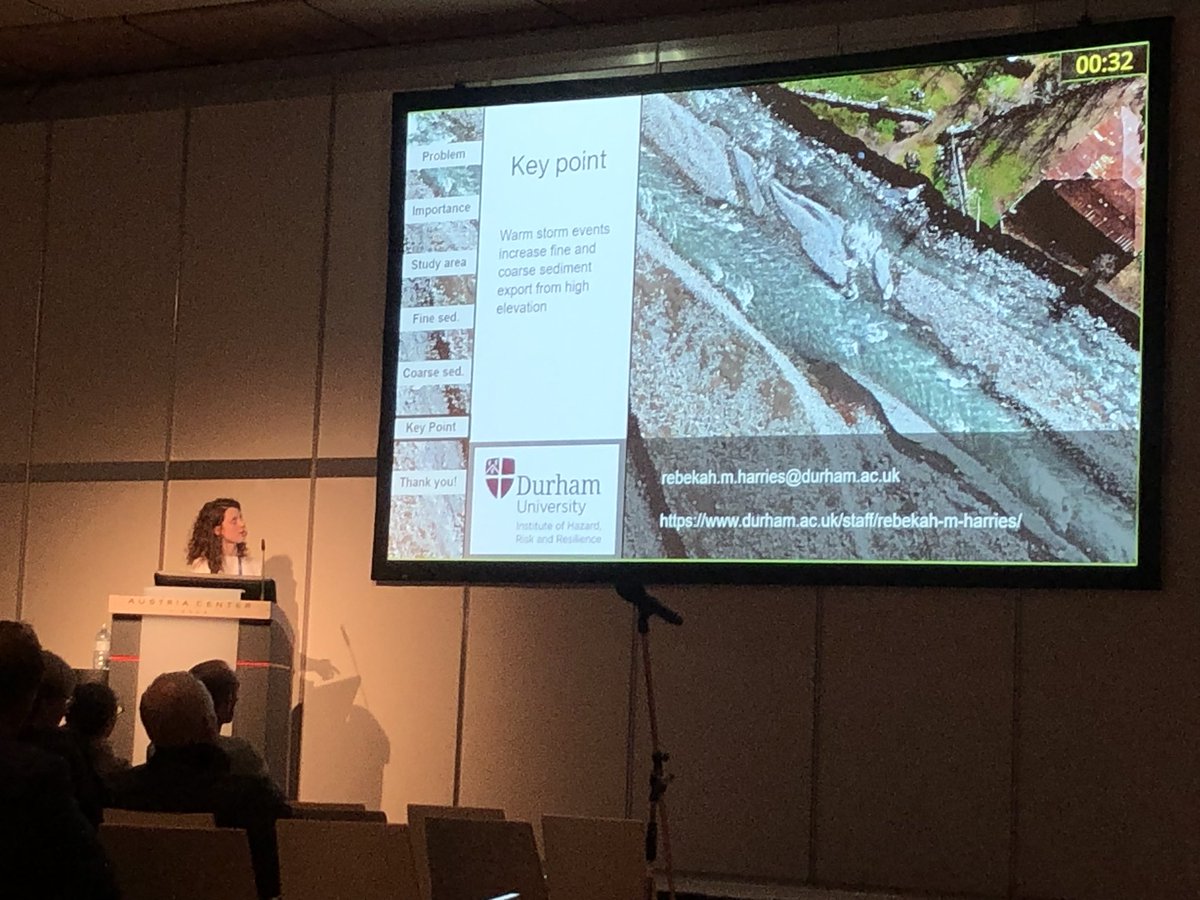
@rmharries at Durham reveals how extreme storms due to atmospheric river events drive corse sediment export from mountain catchments. This means that rivers could become increasingly dynamic in the near future ⛈️🏔️
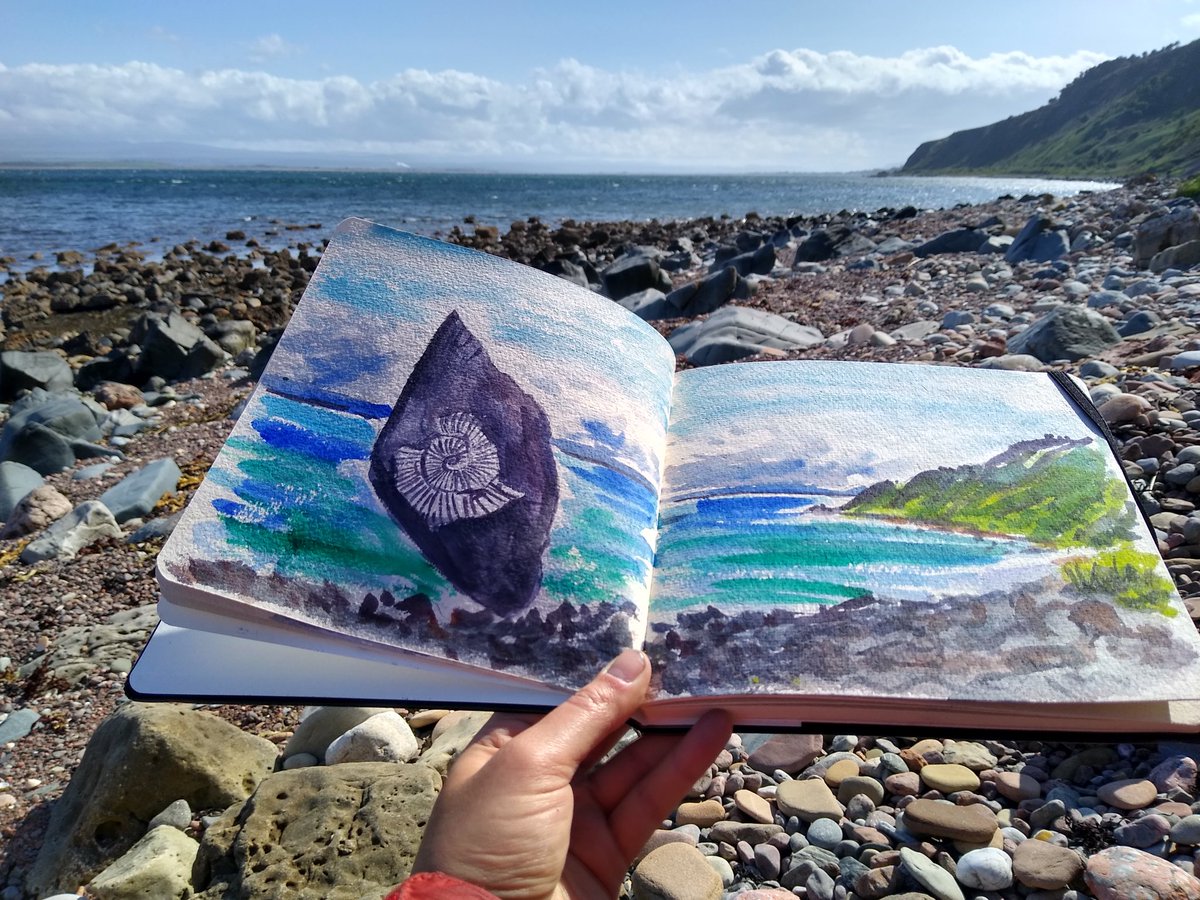
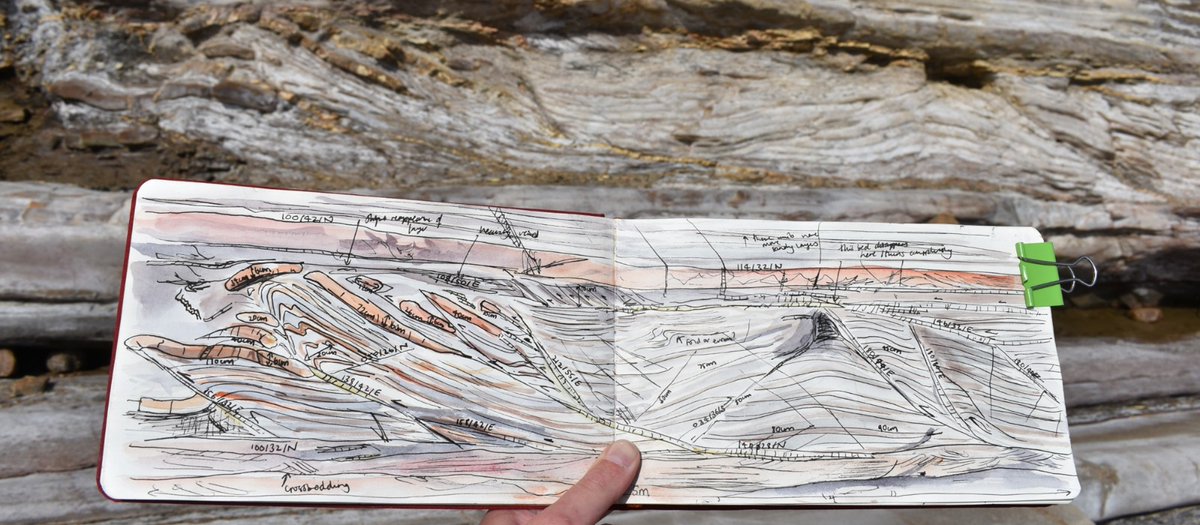
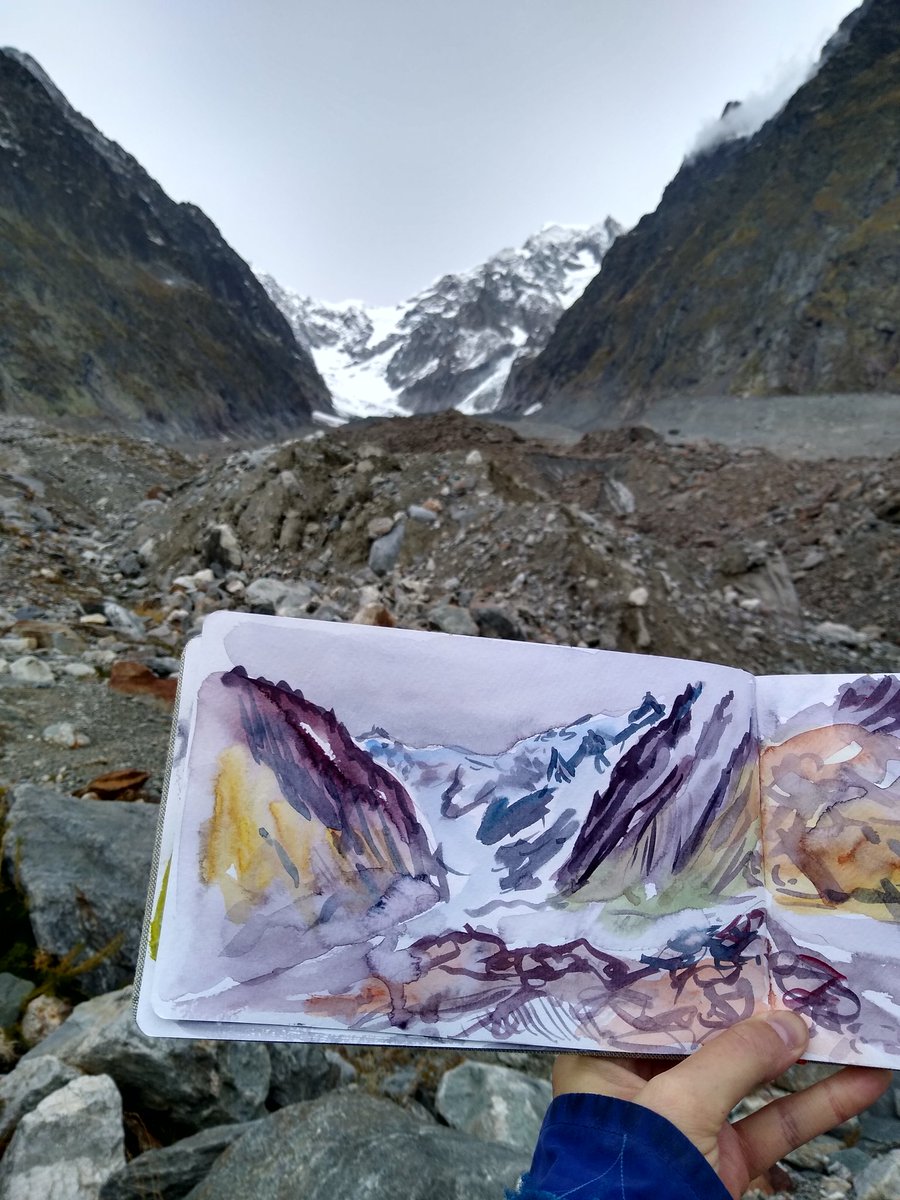
Hi #EGU24! I have a poster tomorrow (Thursday!) 2-6pm A.135 about my outreach work as a creative geologist and adventurer. I have my watercolor sketchbooks for you to look through - paintings of faults&folds, rocks of all different types and landscapes! Would love to say hi ☺️
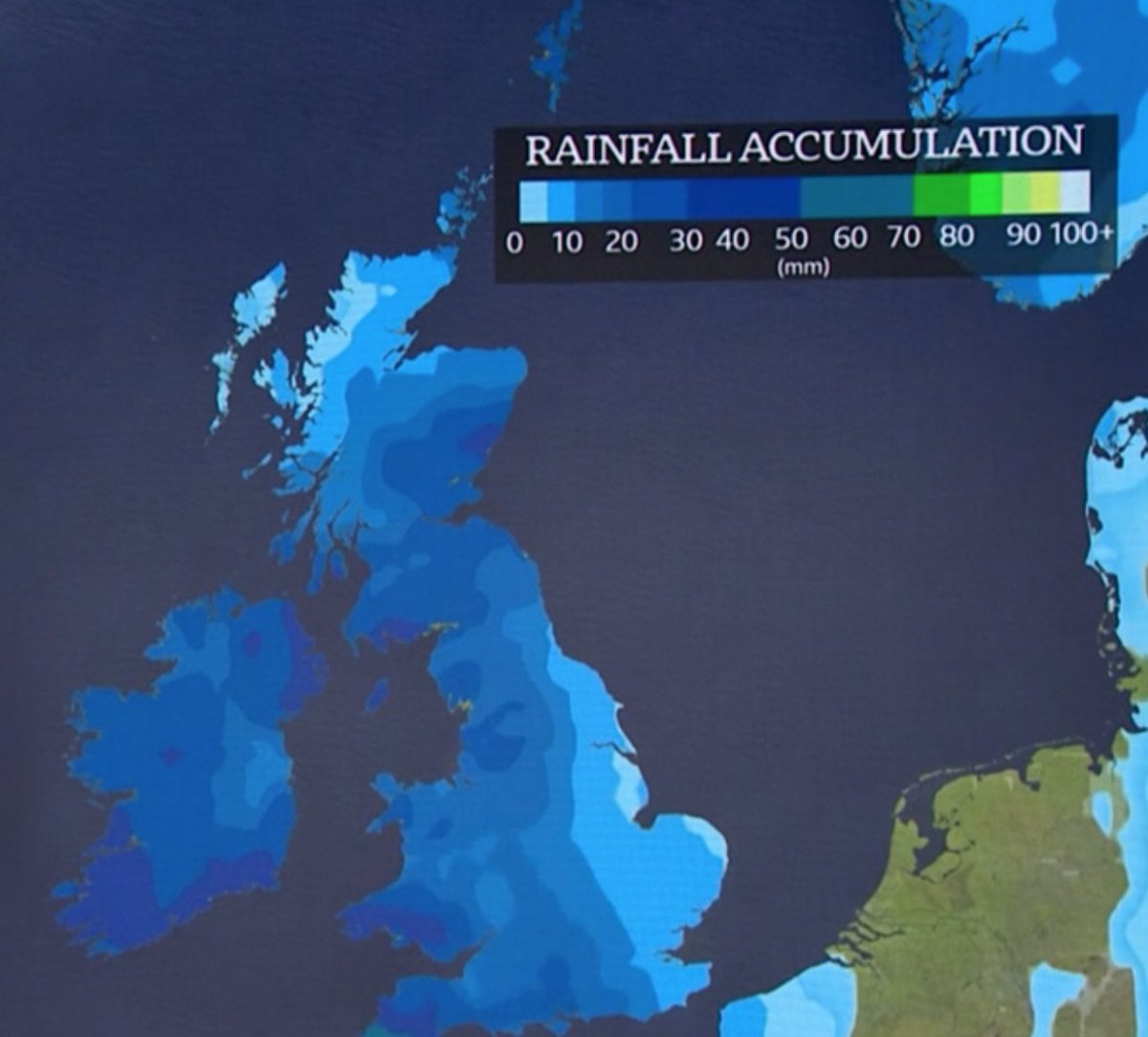
The atmosphere you knew is gone - it now holds ~10% more water vapour than just 30 years ago. That's an incredible rise in such a short period. Every 1C of warming, the atmosphere holds 7% more. The rainfall accumulation for the UK/Ireland the past 12 months has been incredible.
The next Institute of Hazard, Risk and Resilience seminar is on 7th March, 13.15-14.15 in w007, geography and on zoom https://t.co/Z9poktWjUI this is a free event and open to all. Jakob Rom presents 'Alpine debris flows in a changing climate'
The IHRR is proud to present the Picture of Risk 2024 #photography exhibition!
The exhibition is running until 27 February in the Teaching and Learning Centre @durham_uni and online at https://t.co/Ap5DttM9jy
Many thanks to everyone who submitted a photo!
The Exploring Risk Film Festival 2024 will explore how stories shape our understanding of #disasters and who gets to tell them. 27 Feb, 18:00-21:00, free ticketed event https://t.co/ktixBe2BvC
We use 30 year averages to show climatology (average weather conditions). During the 20th century the UK climatology followed a path around a confined box. With #globalwarming and #climatechange they have escaped out the box. This #dataviz shows UK rainfall and temperature.
Exploring Risk Film Festival 2024 - 'Shifting the Gaze: Narratives of Disaster Risk Globally' - exploring how stories shape our understanding of disasters.
Tues 27 Feb 18:30, Durham University's Performance Hall. Free ticketed event. More info soon.
https://t.co/ktixBe2BvC
The second paper from my PhD is now online 🥳 If you are interested in debris flow grain size and runout, take a look: https://t.co/xbfMoajDYl @CU_EARTH#GSAPubs
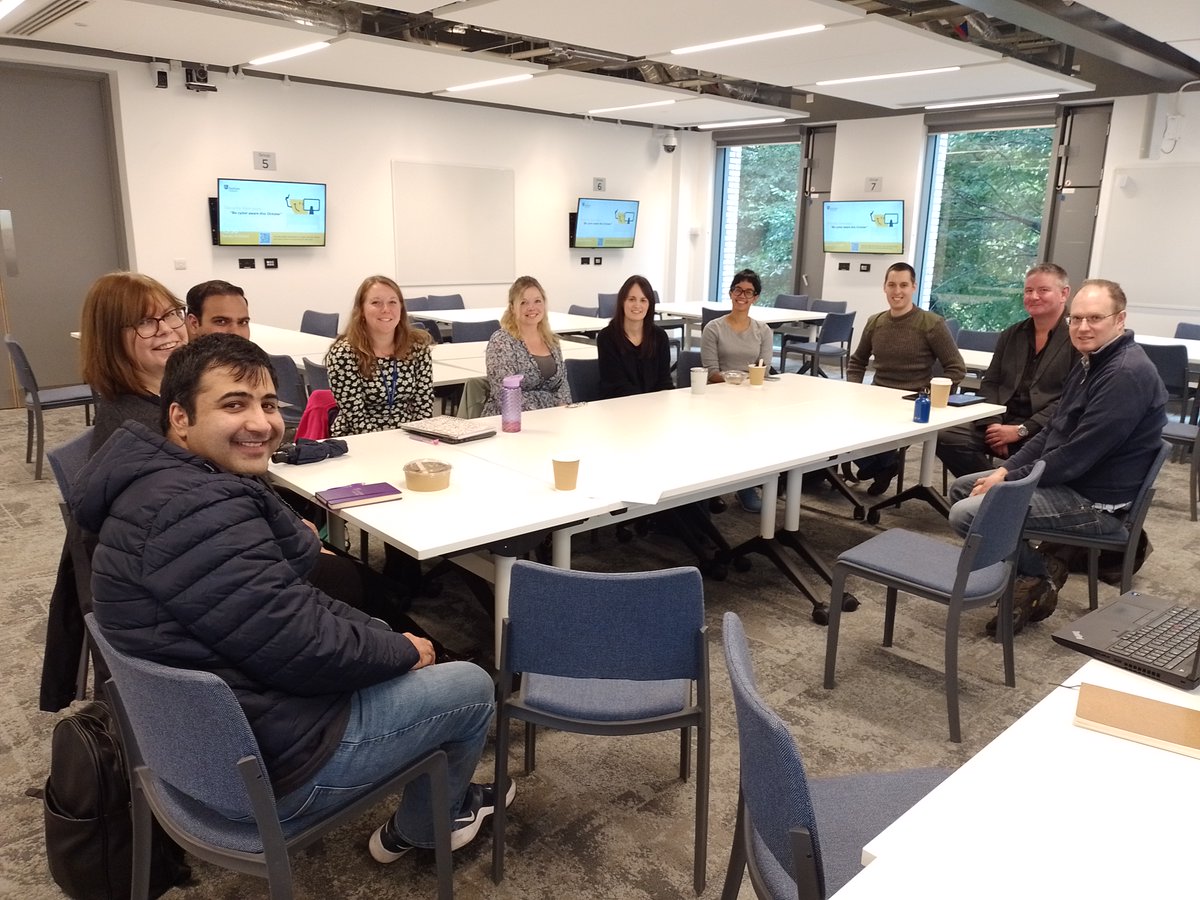
Brilliant discussion! Looking forward to the next one. If you are interested in joining our next @_IHRR Early Career Researcher Events please do get in touch :)
Durham's ECRs in Hazard, Risk, and Resilience today in conversation with Laura Dobson @DurhamCouncil, Heather Devey @WildIntrigue, Neil Denton @cushdiebardy, @helen_fwilson and @simreaney about Bridging the Gap between Policy and Research. Thanks to everyone involved!