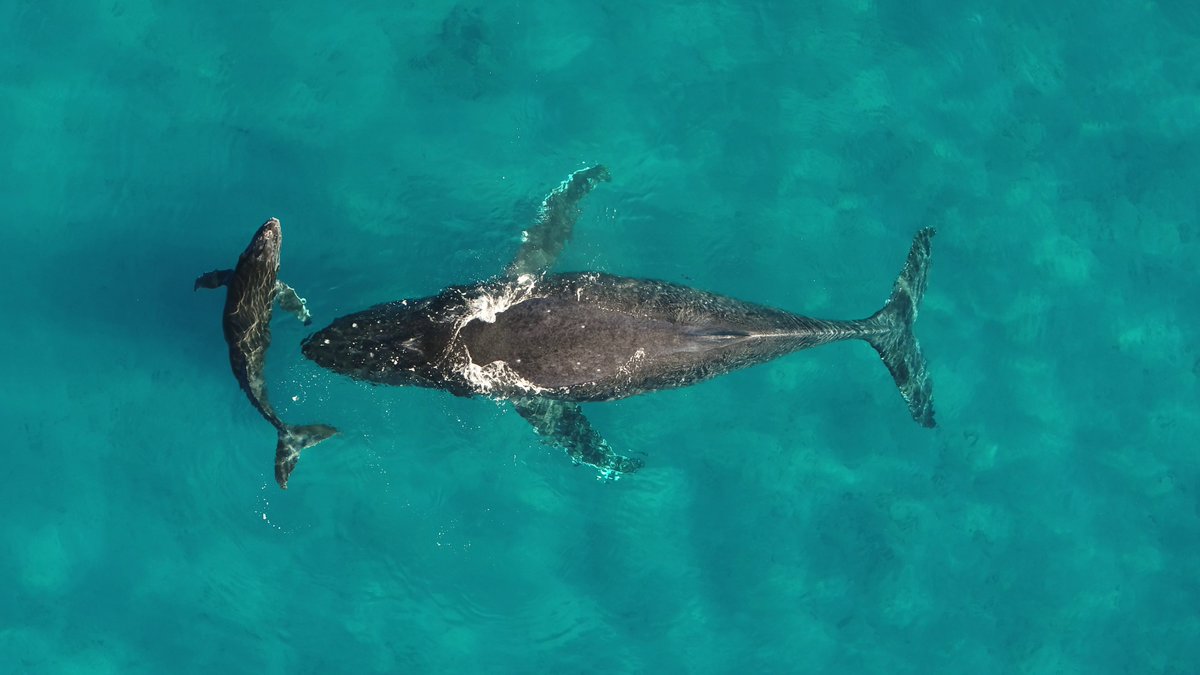
"All of that liquid gold ends up in the ocean, where it fuels the growth of algae, plankton, and coral, especially in places that struggle with nutrient shortages." https://t.co/BQFun2kGQ9
Whales leave nutrient-rich cold water, swim thousands of miles to lower-latitude calving grounds-and pee out nutrients, feeding warm-water ecosystems and making animals the "circulatory system of the planet," says @roamnjoe: https://t.co/adJcXG6F66
Photo: Martin van Aswegen
My top 3 books of 2024 (the puma one is cheating somewhat as it came out in 2018). Exquisite delicious science writing from @roamnjoe, @some_yeo & Jim Williams!
'Whale faecal plumes can be neon green or bright red. At times, they sparkle with silver scales'
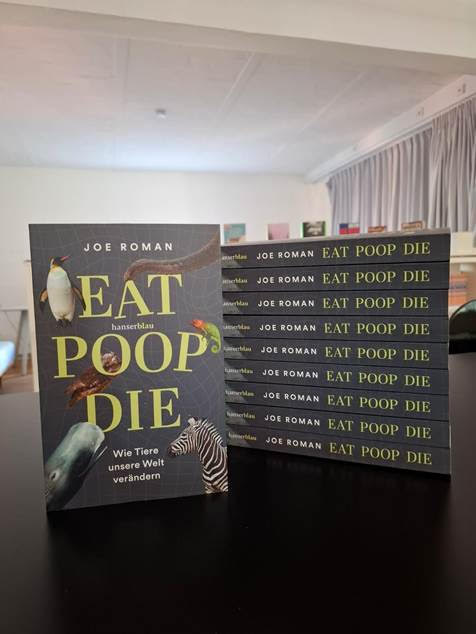
Slightly unconventional lunchtime reading today: a fascinating @guardian piece from #EatPoopDie author @roamnjoe about his obsession with whale poop!
https://t.co/UhcDZn9eMr
My latest article for The @guardian is an interview with Joe Roman, a scientist who is obsessed with whale poo: https://t.co/JtlPQJU7Pm Thank you @roamnjoe was such a privilege to find out about this topic and its potential to help us make the oceans more biodiverse!
Fred Elser First Sunday Science: Eat, Poop, Die: How Animals Make Our World
Sun, October 6, 2–3 pm, at the Bruce Seaside Center
Welcome Dr. Joe Roman, who will discuss his latest publication “Eat, Poop, Die: How Animals Make Our World.”
https://t.co/CPfghvg6dA