Kenya has at least 5.37 million registered vehicle and motorcycle entries.
At KSh2,000–3,000 each, mandatory annual inspections could impose a gross burden of between KSh10.7 BILLION and KSh16.1 BILLION on motorists every year.
That is the scale of money NTSA must publicly account for.
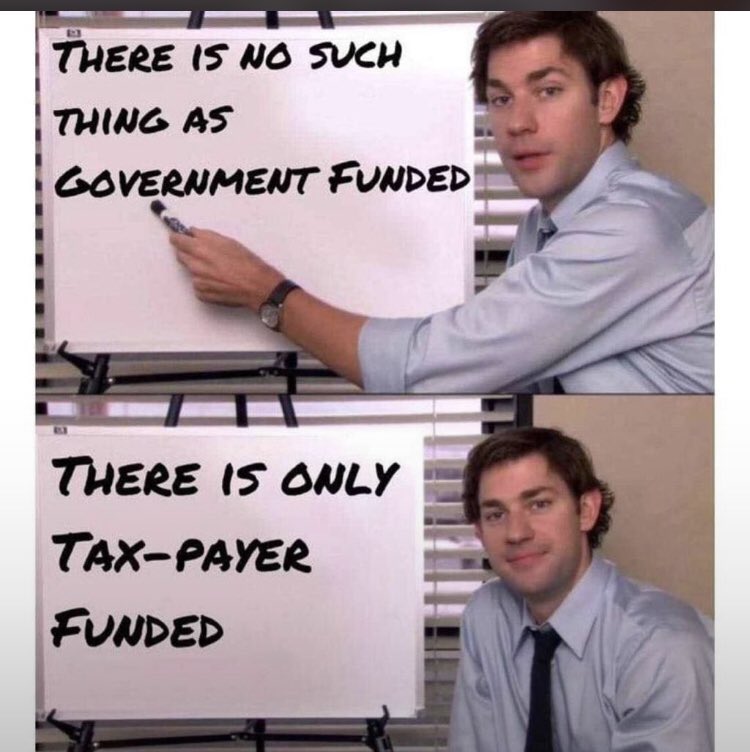
Roadworthy vehicles matter. But forcing owners of every vehicle older than four years to pay for an inspection annually—without publishing the exact number of active vehicles affected, projected collections, inspection capacity, accident-causation evidence and safeguards against corruption—looks less like road safety and more like another compulsory extraction from exhausted Kenyans.
We must challenge them lawfully and completely: demand parliamentary scrutiny, transparent costing, independent audits, affordable fees, reasonable inspection intervals and proof that this policy will save lives—not merely create another multibillion-shilling collection pipeline.
Kenyans are not walking ATMs. Reject punitive vehicle-inspection charges.
We condemn the arrest of peaceful protesters advocating for the protection of #NairobiNationalPark
Nairobi National Park is not for sale. We demand the immediate release of those arrested and respect for the rights to peaceful assembly, expression, and public participation.
🚨 Public forests are not corridors for destruction.
The proposed amendment to Section 56(2) could open Kenya’s forests to roads, utilities, and infrastructure through administrative approvals.
Speak up. Protect our forests.
#VoteNOSection56(2)
#HandsOffOurForests
THE WORLD GOES TO SCHOOL DIFFERENTLY:
1. Finland: No major exams until the final year of high school. Teachers are highly educated and respected. Consistently one of the best education systems in the world.
2. Japan: Students clean their own classrooms daily. Respect and responsibility are taught before academics. Character comes first.
3. South Korea: Students study until midnight. The university entrance exam is so critical that flights are rerouted on exam day. Burnout among young people is a serious national crisis.
4. United States: Standardized testing dominates everything. School quality depends on neighborhood wealth. Rich areas get better schools. Poor areas get what is left.
5. Germany: At age 10 students are placed into different school paths. Vocational training is taken as seriously as university. Youth unemployment stays low because of it.
6. India: The system runs on memorization and high-stakes exams. 1.5 million students compete for just 17,000 IIT seats. Pressure begins long before a child is ready.
7. Singapore: Ranked number one globally for math, science, and reading in 2022. Extremely competitive. Even the government admits student pressure has gone too far.
8. France: Philosophy is a required subject and counts toward the national exam. Students are trained to think critically and argue clearly from a young age.
9. Cuba: Education is completely free at every level. Literacy rate sits above 99 percent according to UNESCO. One of the most educated populations in Latin America.
10. Netherlands: Students are assessed at age 12 and placed into paths that suit their strengths. Academic and vocational routes are treated equally. No path is seen as lesser.
11. China: The Gaokao exam determines almost everything about a student's future. Pressure starts in early childhood and is carried by the entire family, not just the student.
12. Kenya: Primary school became free in 2003. Secondary school fees still push many families to breaking point. Dropout rates in rural areas remain high.
13. Russia: Historically strong in mathematics, science, and engineering. The system valued compliance over curiosity. That tension still shapes education today.
14. Brazil: Private schools are well funded and deliver strong results. Public schools are severely underfunded. Where you are born almost entirely determines the education you receive.
15. Denmark: University is free for Danish and EU citizens. Students also receive a monthly government stipend just for attending. Education is treated as a public good, not a personal expense.
16. Canada: Each province runs its own education system independently. Quality varies across the country. Indigenous history inclusion in the curriculum is real but still inconsistent.
17. Australia: Universities are strong and globally respected. Indigenous history is now formally part of the national curriculum. The debate over equal funding between public and private schools remains unresolved.
18. Sweden: No formal grades until age 12 or 13. Early pressure is believed to kill curiosity before it grows. Research consistently supports this approach.
19. New Zealand: Māori language and culture are officially part of the national curriculum. Legally protected but depth of teaching varies greatly between schools.
20. Switzerland: Two thirds of students enter vocational apprenticeships rather than university. Both paths are equally respected. Both lead to strong careers.
21. Norway: Public university is free for everyone including international students. Teachers must hold a master's degree. Teaching is one of the most respected professions in the country.
22. Israel: Schools emphasize critical thinking and entrepreneurship from an early age. Combined with technical military training, this directly feeds one of the most active startup ecosystems in the world.
What will we tell our children when they ask what happened to Karura forest?
The time to act is now before the silence of lost trees replaces the songs of Karura.
#SaveKarura