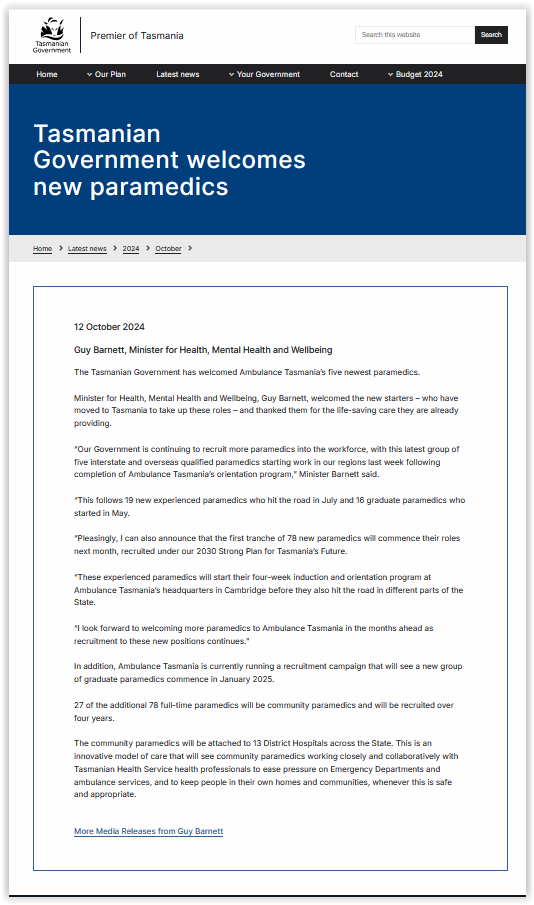
"Patients’ experience reinforced trust in paramedics when they perceive they have received both clinically professional, and compassionate care that acknowledges their unique vulnerabilities..they report restored confidence to self-manage in the community"
https://t.co/9Tp3vACmCN
Seeking research participants:
- Qualified paramedics
- Paramedic employed in an educational role,
- Health organisation managers - directly responsible for, or influences policies related to the clinical education of paramedics
https://t.co/JwbtzjTq6W
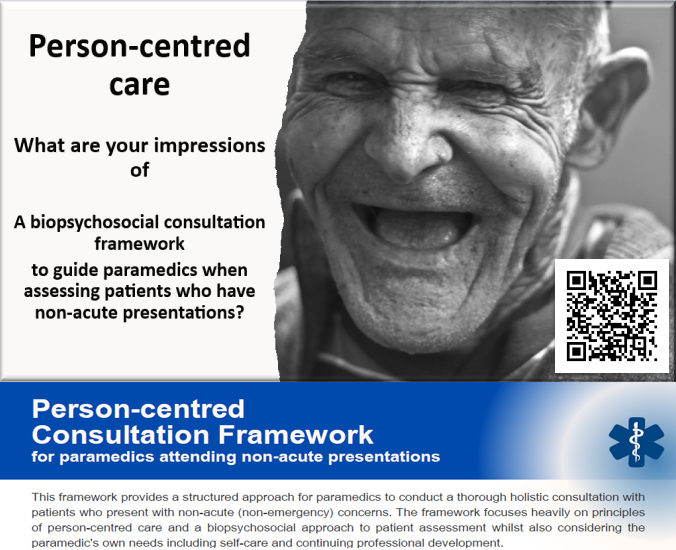
On behalf of an exceptional team, I'm proud to share this person-centred framework to guide a biopsychosocial approach to paramedic-led patient consultation. Suitable to assist paramedics transitioning into extended practice and community paramedic roles.
https://t.co/Iq7bBGdJkX
Upskilling #paramedics via placements in other settings is an effective way to safely reduce avoidable hospital conveyance – by around 60% to 30%.
#NHSC filmed with @WelshAmbulance where the system is improving #patientcare & reducing service pressure.
👇https://t.co/yP6XPftElR
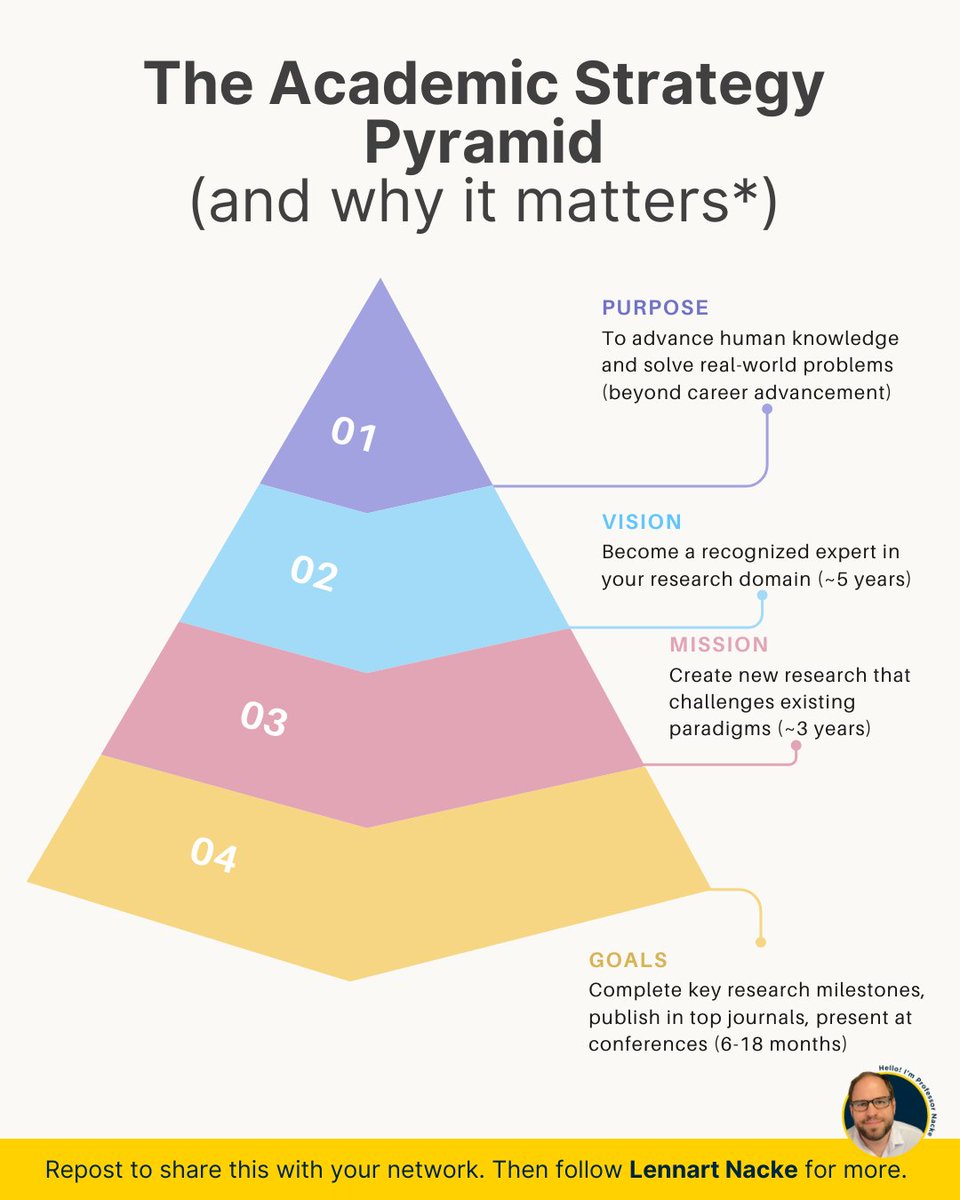
Most academics build their careers backward, focusing solely on short-term publications and conference presentations.
But what they don't realize is that this common approach is actually sabotaging their long-term impact...
Really sad to hear such stories about the crisis in urgent and emergency care from frontline ambulance staff.
https://t.co/qRSNRG0Idl
The system is broken and requires a reboot before it collapses as I argued some time back in my analysis piece:
https://t.co/N26Q9j9gt2
This research revealed that it is necessary for paramedics to support a patient through social processes for that person to restore their self-efficacy, and enable them to manage their concerns without hospital ED attendance.
PATIENT-PARAMEDIC TRUST CAN HELP FREE UP EMERGENCY DEPARTMENTS
Dr Robbie King, Senior Advanced Care Paramedic/Community Paramedic, Sunshine Coast District, Birtinya Station, Queensland Ambulance Service @QldAmbulance & Lecturer & Researcher (Paramedicine), Australian Catholic University (ACU) @ACUmedia
PEOPLE IN HEALTH CARE SEGMENT
Filmed in Brisbane, Queensland | December 2024
Dr. Robbie King is a Senior Advanced Care Paramedic with the Queensland Ambulance Service and a community paramedic. He is also a lecturer at the Australian Catholic University in Brisbane. After studying paramedicine and working as a student paramedic since 2009, he recognised that most patients attended by ambulance services did not require emergency interventions.
About a decade ago, Queensland Ambulance implemented the Local Area Assessment and Referral Unit, a community paramedic program. In his role at Queensland Ambulance Service, Dr. King has spent the past six years focusing on patients who may not need traditional emergency responses. His work involves performing enhanced assessments to understand patients' psychosocial needs and determining appropriate healthcare pathways.
Dr. King’s PhD research consisted of quantitative and qualitative studies. The quantitative study analysed data from 1.5 million people who contacted New South Wales Ambulance Service, revealing that 12.6% were not transported to emergency departments. Notably, around 43% received emergency responses, yet many were found simply in need of reassurance.
The qualitative study involved interviews with 21 subjects from various regions, leading to the development of a theory centred on self-efficacy. The findings indicated that patients often experienced a loss of independence but gained self-reliance and confidence through compassionate, competent care from paramedics, allowing them to better manage their circumstances after the paramedics left.
Australian Health Journal @AUHealthJournal spoke with Dr Robbie King earlier this year on his findings and what it could mean for paramedicine policy, education and practice.
The Royal Commission into Aged Care Quality and Safety states that aged care requires “a philosophical shift” that centres on people receiving care and establishes “new foundational principles and core values.”
https://t.co/yh1Fcxbs3Z
ROLE OF COMMUNITY PARAMEDICINE IN NON-EMERGENCY PRESENTATIONS
Dr Robbie King
Lecturer in paramedicine and researcher, Australian Catholic University (ACU) Brisbane @ACUmedia &
Senior Advanced Care Paramedic/Community Paramedic,
Sunshine Coast District, Birtinya Station,
Queensland Ambulance Service @QldAmbulance , Australia
RESEARCHER PROFILE
Filmed in Brisbane, Queensland | November 2024
Dr Robbie King is a Lecturer in paramedicine and researcher at the Australian Catholic University (ACU) Brisbane @ACUmedia. He also continues to provide clinical care as a registered paramedic for community members served by a jurisdictional ambulance service. Dr King has gained significant experience working in an advanced practice, community paramedic style role, holding expert clinical insight into the nuances of paramedic-led community-based healthcare for non-emergency presentations. This often involves adopting a biopsychosocial approach, rather than following the biomedical model more associated with emergency medicine and paramedic culture.
To encourage a patient-centred approach to paramedic-led healthcare by exploring the unmet needs of people requesting unscheduled emergency ambulance care, Dr King advocates for greater consumer engagement in paramedic research. He completed his PhD in early 2024 which explored the patient perspective of paramedic-led healthcare when patients were not transported to hospital. This research generated a theory that describes a process of patients ‘restoring self-efficacy’ when their vulnerabilities are validated, and they receive clinically competent and compassionate care.
Dr King has presented at professional symposium internationally, and in Australia where he continues to encourage greater consumer involvement in research to inform development of paramedic education and ambulance service models of healthcare delivery. Dr King is a Fellow of the Australasian College of Paramedicine @ACParamedicine and member of various professional research and Community Paramedic working groups. His research focus includes exploring the role of community paramedics in improving health literacy, self-efficacy, and addressing the psychosocial needs of patients requesting emergency ambulance services.
SEE OTHER RESEARCHER PROFILES
Bench Side Story @BenchSideStory
https://t.co/vzQCTpFOVv
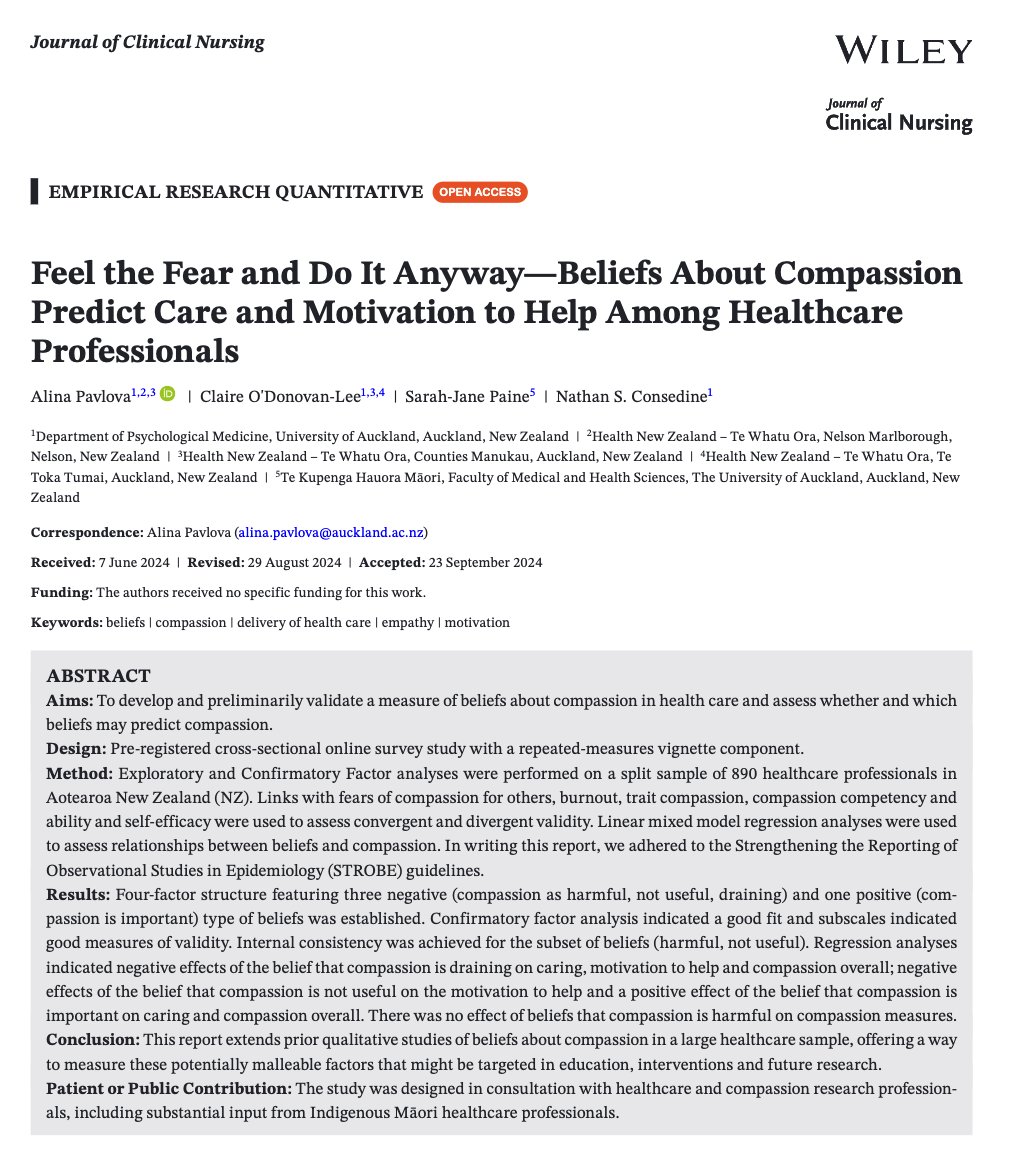
New study reveals compassion beliefs in healthcare can influence the actual expression of compassion by healthcare professionals. Put simply, how we communicate about compassion matters and this is something we can think about and change💡 https://t.co/r9UQWCcvXI
Aged care requires “a philosophical shift” that centres on people receiving care and establishes “new foundational principles and core values.”
https://t.co/Z2gxmtV901
"Community Paramedicine Supporting Community Needs: A Scoping Review" in Health and Social Care in the Community. By Lunn, Tyne M., et al., https://t.co/j7fd36ekSC
Are you an AHPRA registered paramedic who has experience working with student paramedics? Or
an Australian student paramedic who has undertaken a clinical placement?
Consider participating in research being conducted by @ACUmedia at https://t.co/k46HJO7bfA #ParaResearch
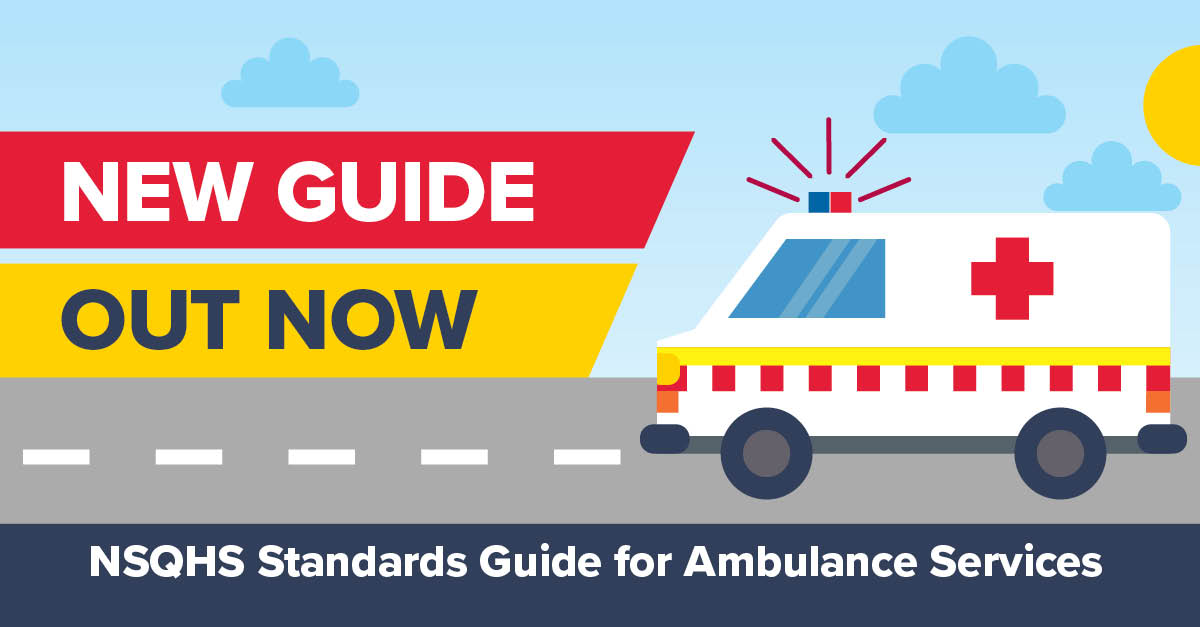
NEW RESOURCE | The #NSQHS Standards Guide for Ambulance Health Services is now available.
The Guide will assist organisations providing #Outofhospitalcare to align patient safety and quality improvements.
Access the #AmbulanceGuide at https://t.co/vVu5ppqbm0