My trick to make sure ChatGPT isn't just sucking up to me:
Paste the chat into another LLM (Gemini is good) and prompt something like:
"This is a chat between an LLM and a user [note: not 'me']. Where is the quality of the output being affected by the LLM being overly agreeable or non-critical?"
Downside: You need to be willing to accept that not all your ideas are absolute genius.
A simple framework for investing…
It all comes down to balancing 3 motivations:
• Protect yourself
• Maintain your lifestyle
• Shoot for big improvement
Once you decide which is most important to you right now, everything gets easier.
Tracking your calories will make you consume less without even trying.
It's the same with money: manually write down your spending, and you'll end up saving more.
It's insanely simple, but it works!
Most people struggle to downsize:
• UK homeowners stay put for 17 years on average
• 30% of homes have 2+ spare bedrooms
Property is a uniquely troublesome investment because you can’t benefit from it without disrupting your lifestyle!
-
From my latest conversation with @investisseurs40!
@briancoconnor Highly unlikely with diversification and post-inflation in my opinion.
But the point I'm making here is that whatever the standard "market" return, working to beat it by a small amount isn't worth it unless you have a lot invested.
Invest £3k per year, for 10 years.
With standard 5% market return you'll have £42,880.
Work hard to beat the market by 2% and you'll make an extra...
£5,120
If you spend 2hrs/wk, that's £4.92 per hour!
Until you have a huge portfolio, chasing small gains just isn't worth it.
@Danbo73283543 In book terms, you're just re-allocating your equity from Protect to Improve.
Yes though, it's a niche situation but one I've seen work for others in the past too
Is your home really making you rich?
1. Your wealth is locked up, not working for you
2. When you sell, you'll need to spend the same on another home
Sure, it's great to own a home. But the "my property is my pension" mindset only works if you downsize.
And most don't.
The secret to worry-free investing? Match investments to motivations:
Protect: Bonds, house, savings
Maintain: Index funds, diversification
Improve: Business, property, stock picks
A mismatch guarantees stress or disappointment, no matter how "good" the investment.
My alternative to budgeting:
1. Write down everything I spend
2. Review the list weekly: no judgement, just curiosity
For me, the awareness had the same effect as budgeting – without locking me into a scarcity mindset.
I'm brilliant at predicting the outcome of events I don't care about.
As soon as I get emotionally involved... disaster!
You probably can't stop your emotions from clouding your judgement, but once you know it happens, you can dial down your certainty and avoid nasty surprises.
A book I re-read every year:
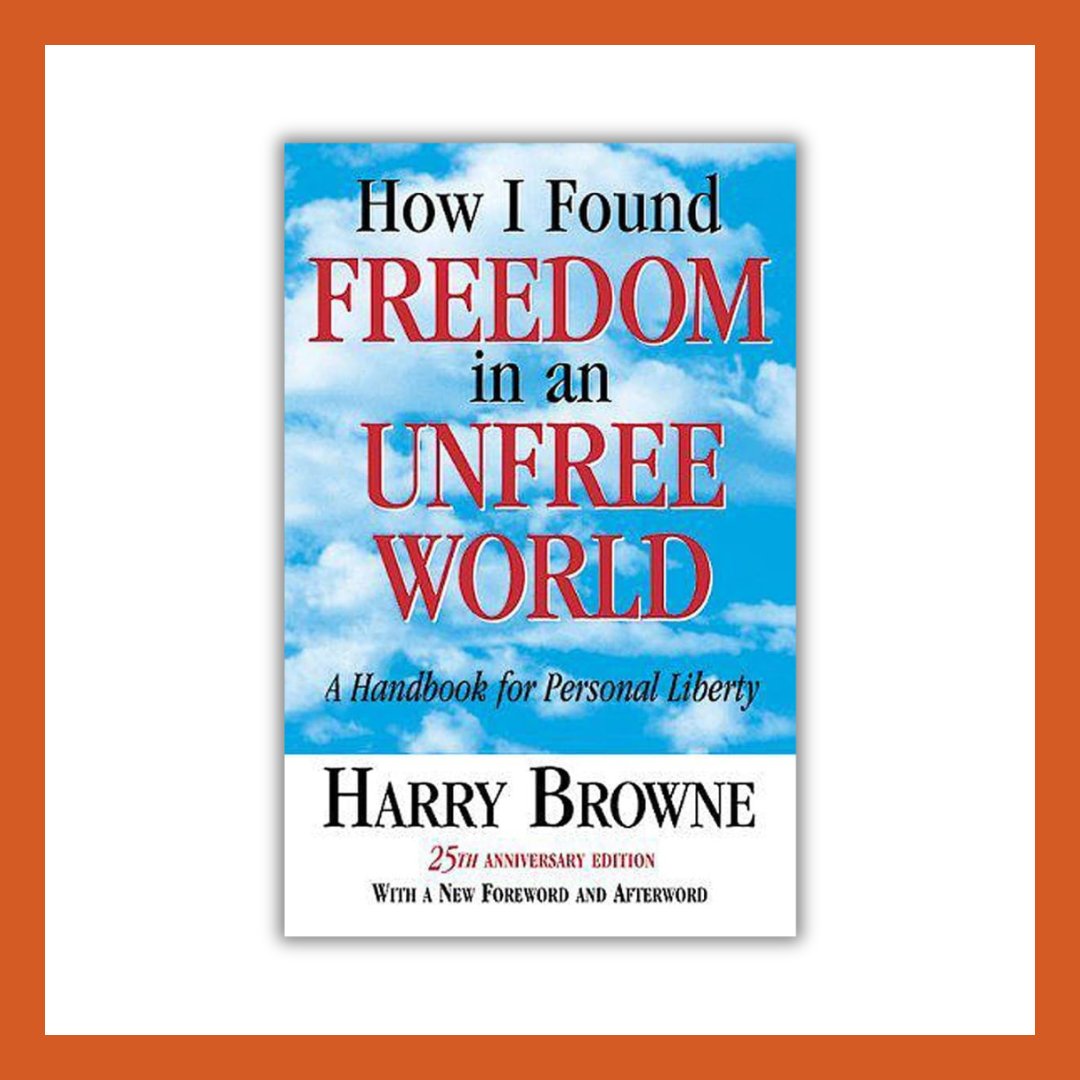
"How I Found Freedom In An Unfree World" by Harry Browne
It says we fall into various "traps" that allow other people to control our actions – and they might not even know they're doing it.
It's a bit bonkers in places, but has so much truth.
Investing seems complex and intimidating… But after studying it for 15 years, I’ve found that it mostly comes down to making one key decision.
To understand that decision, I need to cover two quick points:
1. When we invest, we're all trying to achieve 3 motivations:
• Protect our lifestyle (avoid getting poorer)
• Maintain our lifestyle (even after retirement)
• Improve our lifestyle (get richer relative to where we are now)
Every one of us wants all three… but we each want them in different proportions
2. Anything you invest in can only serve ONE motivation
For example, a home is protective. An index fund maintains. A business venture (potentially) improves.
So here's that crucial decision: How do you want to balance each of the three motivations?
Get this split between each “bucket” right, and the details matter far less. Get it wrong, and you're guaranteed stress or disappointment.
For example, if you want to radically improve your financial life it really doesn’t matter which index fund you invest in – because it’s designed to maintain. If you want protection, the difference between a savings account and premium bonds is minor in the scheme of things – they’ll both do the job.
It's like choosing a holiday. You might agonise over Spain vs Greece, but if you want a beach holiday, either beats booking a trip to Siberia.
Personally, I’ve found that this cuts through an unbelievable amount of complexity – and gave me clarity that I’d spent years hopelessly seeking.
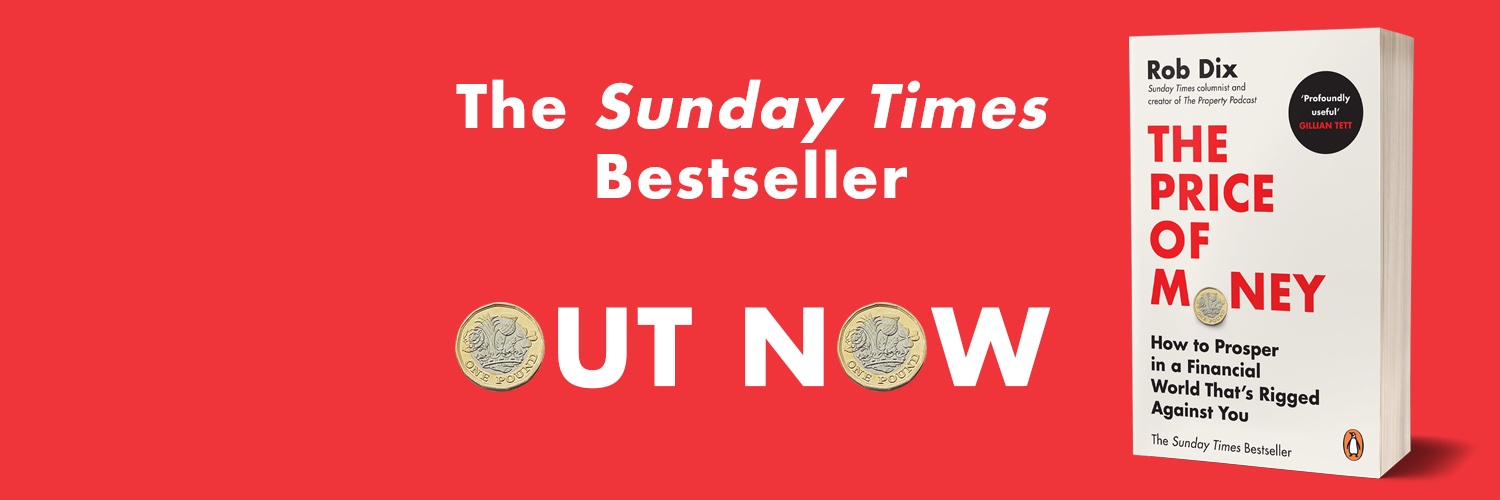
I go into far more detail on this concept in my newest book (now available on Amazon!) so check that out if you're interested.