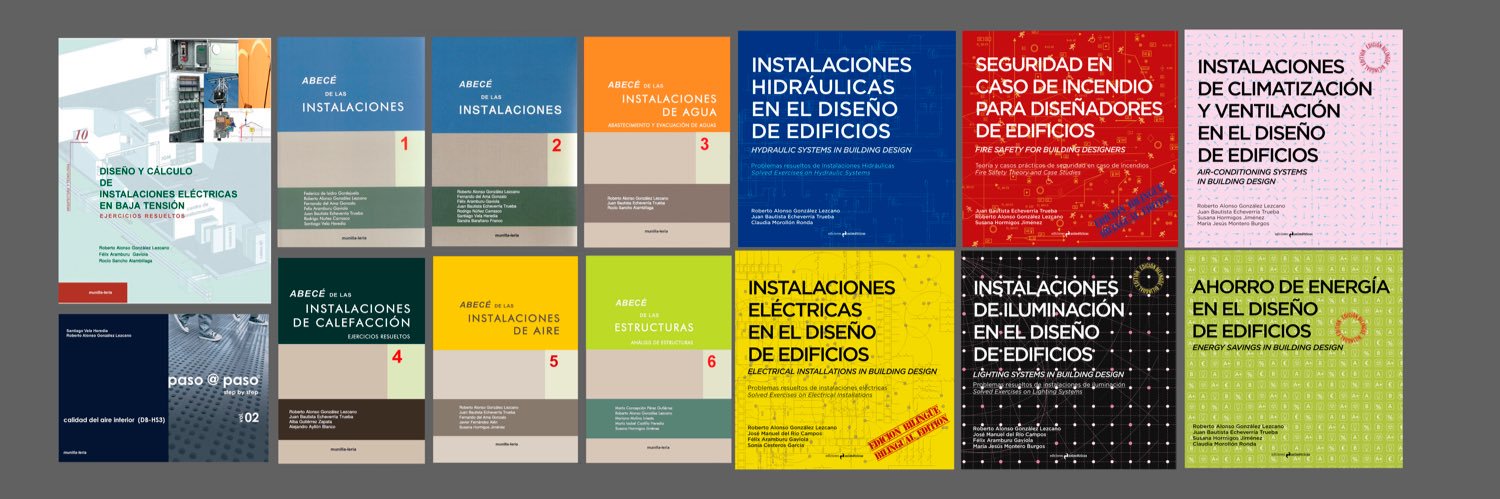
Congratulations to Roberto Alonso González-Lezcano, Associate Editor for Frontiers in Sustainable Cities (Sustainable Infrastructure), on receiving the 2025 Associate Editor Award!
Thank you for your outstanding leadership & commitment to rigorous, impactful research.
Nice example of persistence, self-confidence and, once accomplished the goal, jumping into a new challenge. No time for narcissism. Time is too valuous.
🎓✨ ¿Dónde publicar y por qué importa?
Si estás empezando en investigación, recuerda que no todas las revistas tienen el mismo impacto. Publicar en revistas bien indexadas es clave para tu carrera académica, siempre manteniendo rigor, ética y calidad científica 🔬
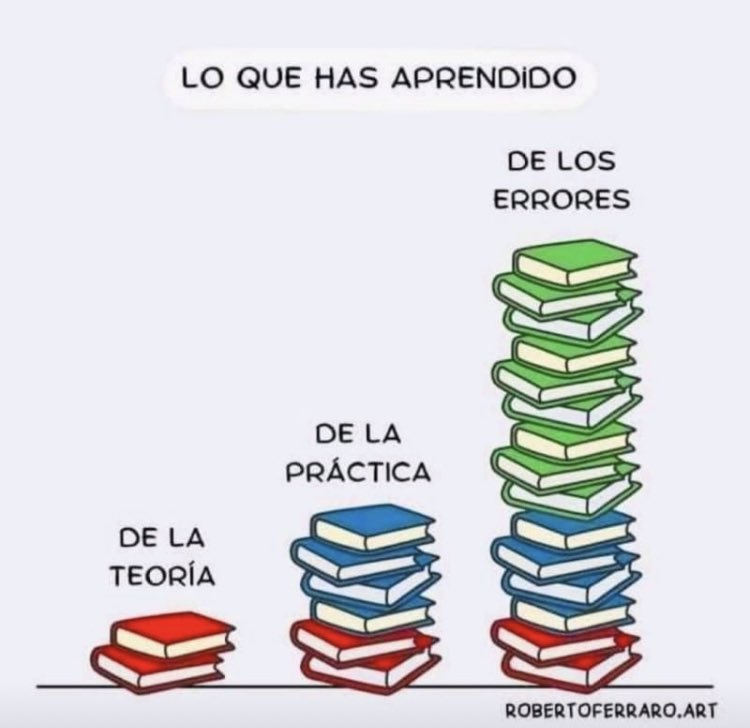
The learning that a mistake gives us is much more valuable than what we obtain from being correct. Erring helps us clarify what we should or should not do; that could lead us to be right and that does not lead us to be right.
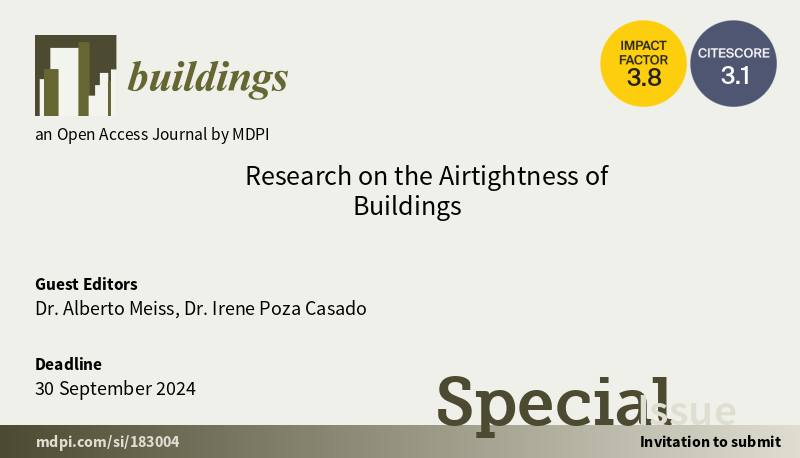
📢 Call for Papers: #Research on the #Airtightness of #Buildings
This Special Issue is edited by Dr. Alberto Meiss and Dr. Irene Poza Casado, from @ETSAValladolid
🔗 More details can be found at: https://t.co/YX56fKKhQb
The learning that a mistake gives us is much more valuable than what we obtain from being correct. Erring helps us clarify what we should or should not do; that could lead us to be right and that does not lead us to be right.
Underground train stations have some of the most surprising and beautiful architecture in the world. Here's a few of the best:
1. Alisher Navoiy Station, Tashkent, Uzbekistan (1977)
What if we could:
• Sequester CO2
• Create more life
• Reclaim huge pastures and turn them back into forests
• Increase healthy food production
• Grow the economy
• And make money along the way?
How? By filling ocean deserts with life:
This is the Queen's Stepwell in Gujarat, India, built nearly 1,000 years ago.
It is beautiful, but it isn't unique — India is filled with hundreds of stepwells just like it.
Here is the story of the world's most extraordinary underground architecture...
New Research: New integrative tool for assessing vulnerable urban areas. Refurbishment model for energy self-sufficient and bio-healthy neighbourhoods. Madrid, Spain. HABITA-RES: The research conducted under HABITA-RES explored the advisability… #Builtenv https://t.co/8arDLEtFqX