This is becoming an increasing problem for car owners: 👇
Car sat-nav won't work unless I pay a monthly fee: DEAN DUNHAM KC replies https://t.co/QqZx62yTNX via @ThisIsMoney
It is with profound sadness that we announce the death of Life President Ken Friar OBE.
Since our formation in 1886, there have been many inspirational individuals who have driven our club forward, but no one has had an influence on Arsenal Football Club quite like ‘Mr Friar’ and he leaves an extraordinary life of service to the club as his legacy. One that will surely never be matched.
Rest in peace ❤️
2CV is back!
The 2CV concept is ‘very close to production’ and the showroom version will look ‘even better than the concept car’, Citroen promises.
The production model will arrive in 2028 and - Citroen says - cost less than £13,000.
#Citroen#2CV
NEARLY 100,000 NEW ELECTRIC CARS WERE REGISTERED IN SEPTEMBER, A NEW RECORD
But here’s the consumer question I think becomes increasingly important as the used-EV market grows:
WHAT SHOULD A BUYER BE ENTITLED TO KNOW ABOUT THE BATTERY?
When buying a second-hand petrol car we routinely look at:
🚗 Mileage
🔧 Service history
📋 MOT history
With a used EV, battery condition can have an enormous impact on range and ultimately value.
I’d like to see consumers given clear, standardised battery-health information when buying a used electric vehicle.
Not vague assurances.
Something understandable and comparable.
Would knowing the verified battery-health percentage make you more confident buying a used EV?
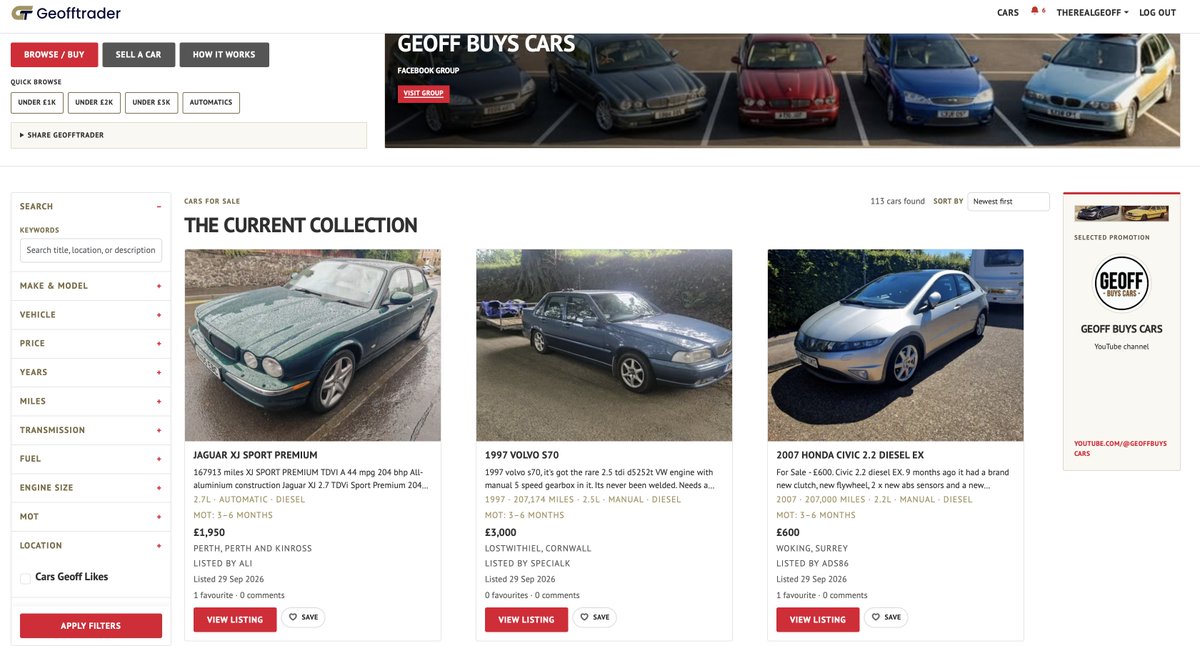
Did I mentioned I got sick of AutoTrader costing a fortune so launched my own? 113 cars for sale, all less than £10k. It's free to list one car and it's £25 for dealers. https://t.co/omxld7DbpS