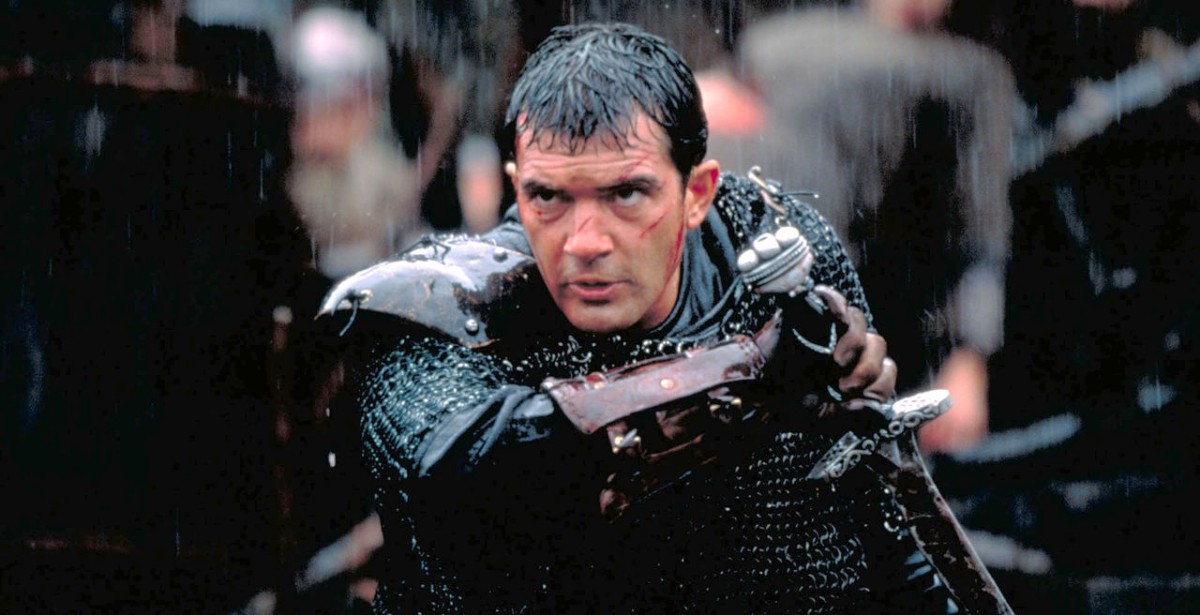
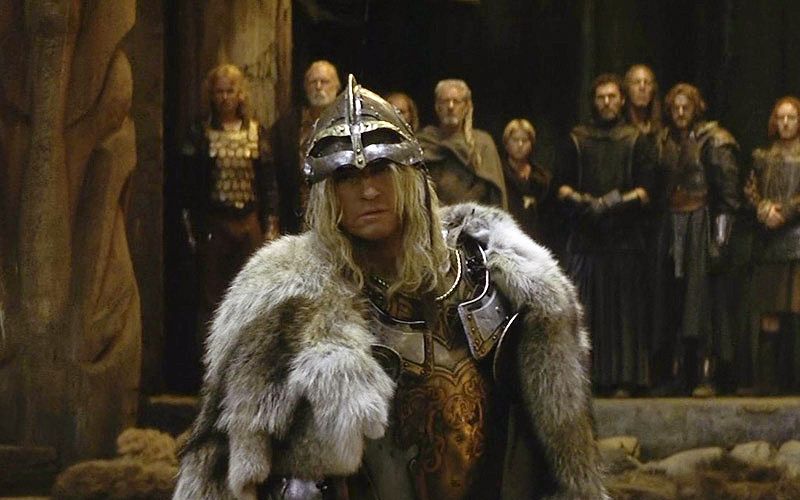
We see a common thread among some of the best and most important fantasy authors of the 20th century, and the literary influences of their life experiences are clear.
Lord Dunsany: Captain in the Royal Inniskilling Fusiliers in 1916. Suffered a headshot with a bullet lodged in his skull, recovered and served as a special agent in unit M17.
E.R. Eddison: Distinguished civil servant, received Companion of the Order of St. Michael and St. George in 1924 and Companion of the Order of the Bath in 1929.
J.R.R. Tolkien: Second Lieutenant in the Lancashire Fusiliers 11th Battalion, fought in the Battle of the Somme in 1916.
C.S. Lewis: Second Lieutenant in the Somerset Light Infantry 3rd Battalion, wounded in the Somme in 1918.
A.A. Milne: Officer in the Royal Warwickshire Regiment, fought in the Battle of the Somme, later served as a special agent in unit M17.
Lloyd Alexander: Staff Sergeant in the U.S. Army, became an analyst and counter-espionage special agent, 1943-45.
Roald Dahl: Lieutenant in the King's African Rifles, served in Tanzania in 1939, afterward joined the RAF and crashed his plane in Egypt. Later became an intelligence officer who was close friends with Ian Fleming and influenced James Bond.
Mervyn Peake: Private in the Royal Artillery and Royal Engineers, 1940-1942, honorably discharged in 1943, witnessed Bergen-Belsen concentration camp in 1945.
Jack Vance: Able seaman in the U.S. Merchant Marine from 1943-45. His ship was torpedoed twice.
L. Sprague de Camp: Lieutenant Commander in the U.S. Naval Reserve, joined the Naval Air Experimental Station as an engineer, 1942-45.
Gene Wolfe: Combat engineer and artilleryman, Korean War 1952, received a Combat Infantry Badge.
Glen Cook: Marine Force Recon, Forward Fire Control Observer, 3rd Marine Battalion 1962-72.
Elizabeth Moon: First Lieutenant in the U.S. Marine Corps 1968-71, operational strategist in systems design and programming. Also OCS.
Robert Jordan: Door gunner in the U.S. Army, 68th Assault Helicopter Company, 145th Combat Aviation Battalion, 1968-70. Distinguished Flying Cross and Bronze Star with Valor recipient. Later nuclear engineer, U.S. Navy.
#elitefantasy
🇸🇨 Should the Sorbs Declare Independence from Germany?
👉 Share if you believe small nations deserve the right to decide their own future.
Hidden between Berlin and the Czech border lies Lusatia (Łužica/Lausitz), homeland of the Sorbs (Wends) the last living descendants of the medieval Polabian Slavs. A thousand years ago, Polabian tribes stretched from the Elbe to the Baltic. Most were erased by conquest, Christianization, colonization, and finally soft assimilation. Only the Sorbs survived.
Today: barely 60–80,000 Sorbs remain in Saxony and Brandenburg. They speak two West-Slavic languages Upper Sorbian (stronger) and Lower Sorbian (critically endangered). Festivals and costumes still shine; the everyday language and the people behind them are fading.
Law on paper vs. life on the ground
Germany recognizes the Sorbs as a national minority. Their languages are protected by Länder constitutions and the European Charter for Regional or Minority Languages. There are institutions like Domowina and the Foundation for the Sorbian People.
But research and the Sorbian movement’s own Shadow Report (2021) describe the same pattern again and again:
•Education: Bilingual/immersion schools are closing; qualified teachers are scarce; many kids get only symbolic classes that never reach fluency—especially in Lower Sorbian, now on the edge of extinction.
•Administration & courts: In theory you can use Sorbian; in practice almost everything runs in German.
•Media: A few programs exist, but limited airtime and thin digital ecosystems keep the language out of youth culture.
•Signage & visibility: Bilingual signs exist, but Sorbian is treated as decor, not an equal language of public life.
•Data & monitoring: Lack of clear, enforced benchmarks lets authorities declare success while decline continues.
Result: a polite, legalistic version of the old story—folklore on weekends, assimilation on weekdays.
Economy, migration, identity
Lusatia is undergoing a coal exit / “just transition.” Money flows to tech, infrastructure and branding, while language and community are afterthoughts. Youth leave for Berlin or Dresden; mixed families default to German at home; Sorbian areas lose their critical mass. Development without identity becomes development without Sorbs.
The Sorbian answer so far: a parliament of their own
In 2018, activists launched the Serbski Sejm (Sorbian Assembly) an elected body seeking self-government in culture, education, media and language policy. This is non-territorial autonomy, a normal European instrument for small nations.
Berlin and the regional governments have not recognized it; without legal powers or budgets, the Sejm remains aspirational.
Question
If decades of “protection” still end in language death and demographic collapse, what then?
Many Sorbs argue that real autonomy with power and money is the minimum. Others say that after so much loss, the only way to guarantee survival is self-determination—the right to decide their own political status, up to and including independence, by democratic, lawful, non-violent means.
Why this matters beyond Lusatia
•Humanity’s memory: Each language lost erases a worldview. Sorbian is the last living echo of the Polabian world.
•Europe’s test: If the EU’s minority-rights system can’t save a tiny, peaceful nation in its center, what do its promises mean?
•Pan-Slavic duty: If Slavs won’t defend their smallest kin, what does Slavic unity stand for?
What Slavic Networks supports (clear, concrete, now)
1. Legal powers for a Sorbian Parliament (Serbski Sejm) over schools, culture, media, and language policy, with dedicated budgets.
2. Education that works: full immersion pipelines (pre-school → secondary), teacher-training & scholarships, and stable staffing so fluency is normal, not rare.
3.Language in public life: guaranteed Sorbian in local administration and courts, parity signage, and services that actually function in Sorbian.
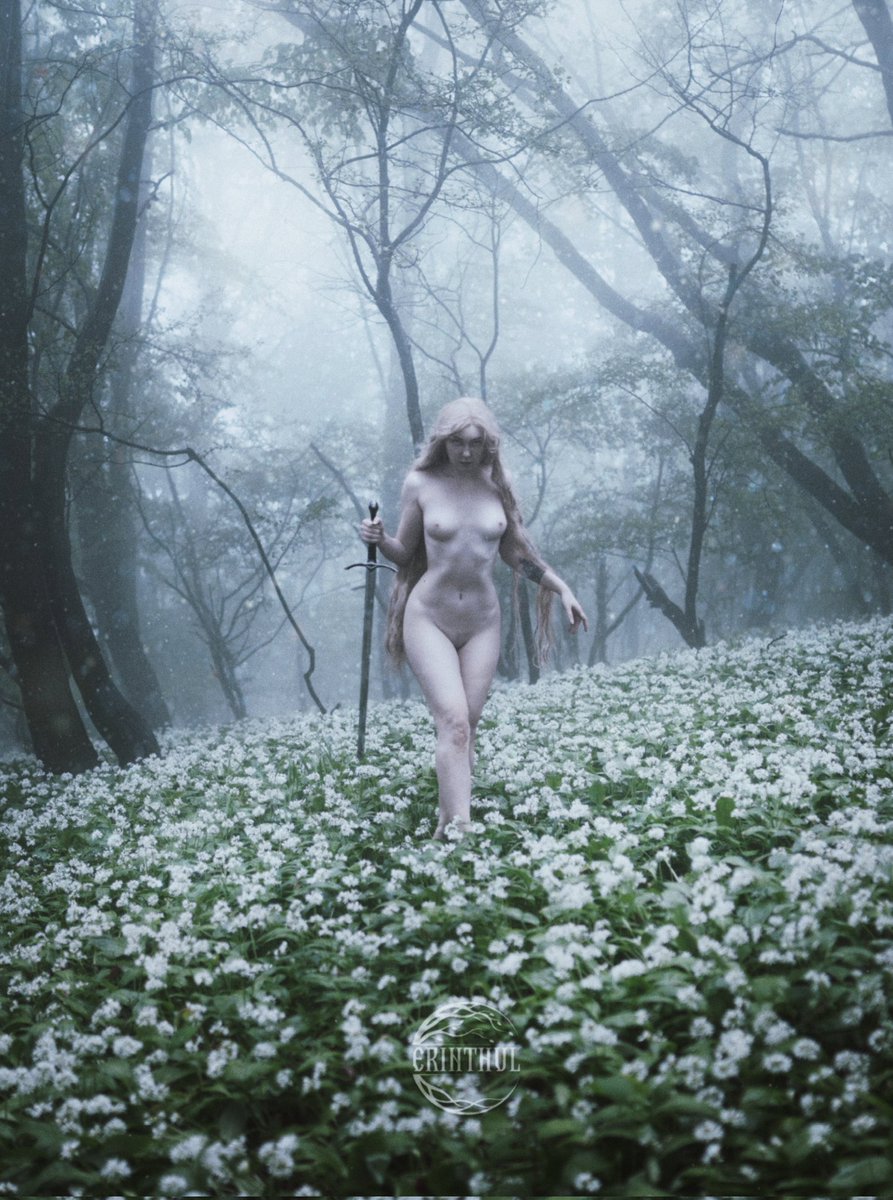
"The White Grove"
#Selfportrait
Wild garlic was a useful plant for the early medieval Slavs.
In the past, people believed that the plant’s strong garlic scent could repel not only troublesome insects, but also evil spirits, demons, and vampires.
#fairytale#slavic#witch
🚨CROATIA SENDS A BOLD MESSAGE TO EUROPE: EUROVISION BAND LELEK PERFORMS POWERFUL PRO-CHRISTIAN SONG ABOUT OTTOMAN PERSECUTION OF BALKAN CHRISTIANS! 🇭🇷✝️🔥
Simple background for global readers:
At this year’s Eurovision Song Contest, the Croatian band LELEK performed a song called “Andromeda”. It is not a typical pop song — it is a strong, unapologetic pro-Christian hymn that openly recalls the dramatic history of Balkan Christians under Ottoman (Turkish) occupation.
The song tells the story of Christian mothers who tattooed crosses and religious symbols on their daughters’ skin (a traditional practice called sicanje). This was done to protect the girls from being kidnapped and taken to Turkish harems — the tattoos made them “unclean” in the eyes of the kidnappers.
The band proudly wears these traditional tattoos on stage and sings the story loudly and without fear.
What is This, A Bow for Ants?
I haven’t post on this page for sometime (again), hahaha. I am mainly active on my other page, re-learning composite bows because I’ve been drawing them wrongly in terms of size 😅
That, and also working on another side project 🙂
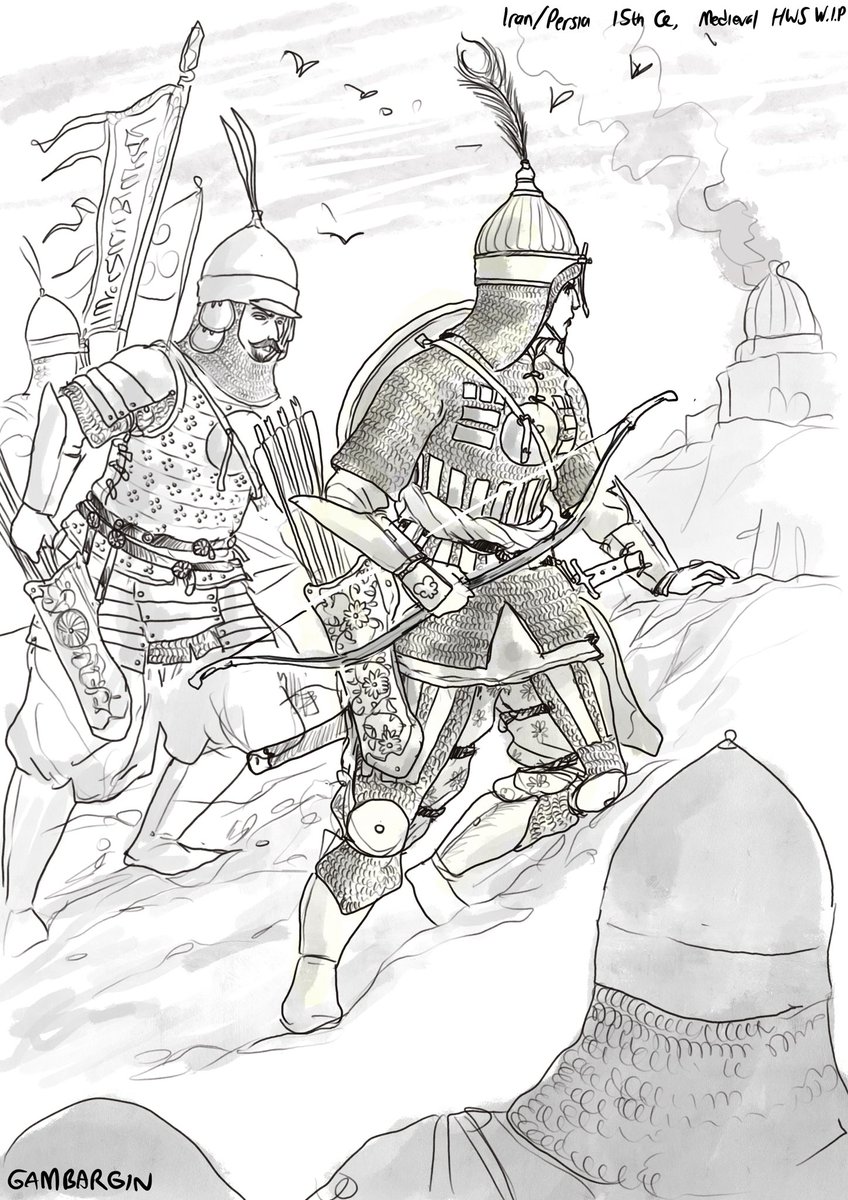
Trouble in the East
A W.I.P sketch for the medieval HWS series, portraying 15th century Iran, based on the Timurid Shahnameh…though I think there’s a bit of anachronism here.
🔥 Slovak MEP Milan Uhrík just slammed the EU Parliament:
“You have NO IDEA what true EUROPEAN VALUES are.
You have no idea what it means to be a proud Slovak, Pole, Czech, or Hungarian.
Because you are only destroying Europe!”
Europe’s patriots are rising. 🇸🇰🇵🇱🇨🇿🇭🇺
The golem asked this question.
What would be a good response?
.
.
.
(This is a fragment of a memory from the distant past. She is likely waiting within the ruins left behind by the great race that created her, hoping for her masters to return)
Commission Thank you
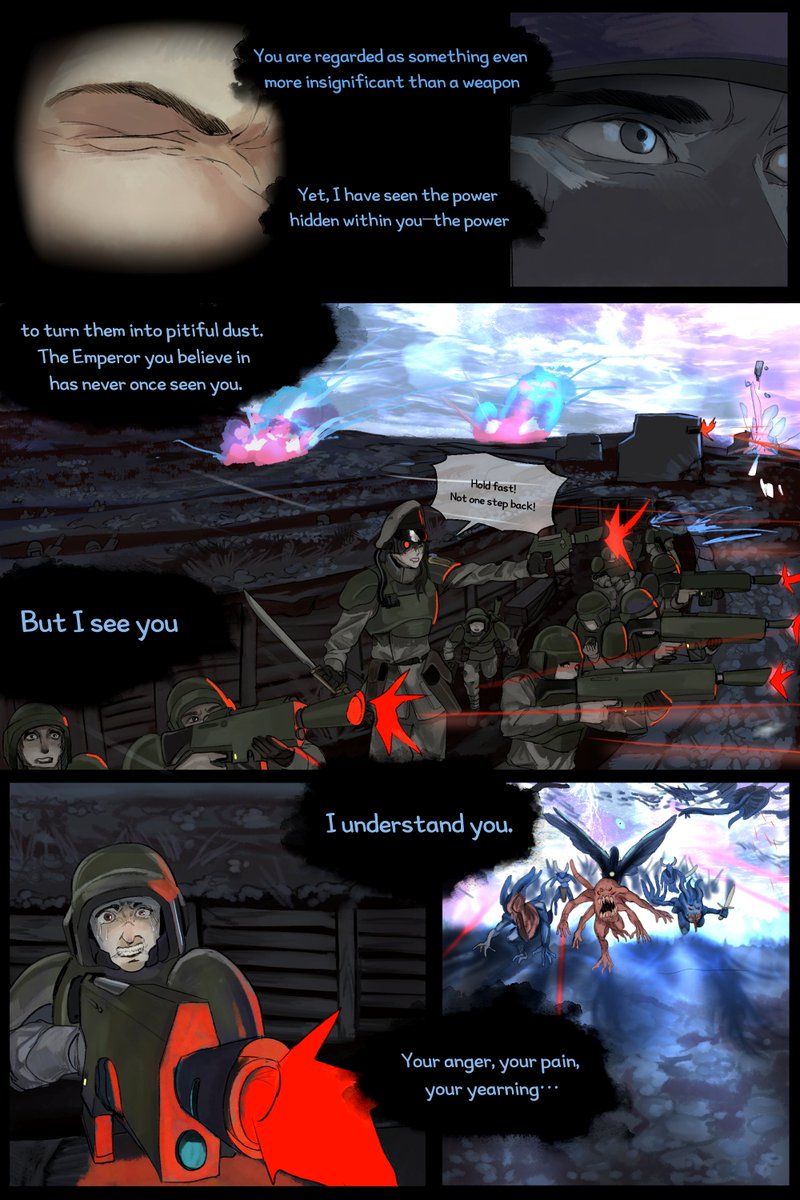
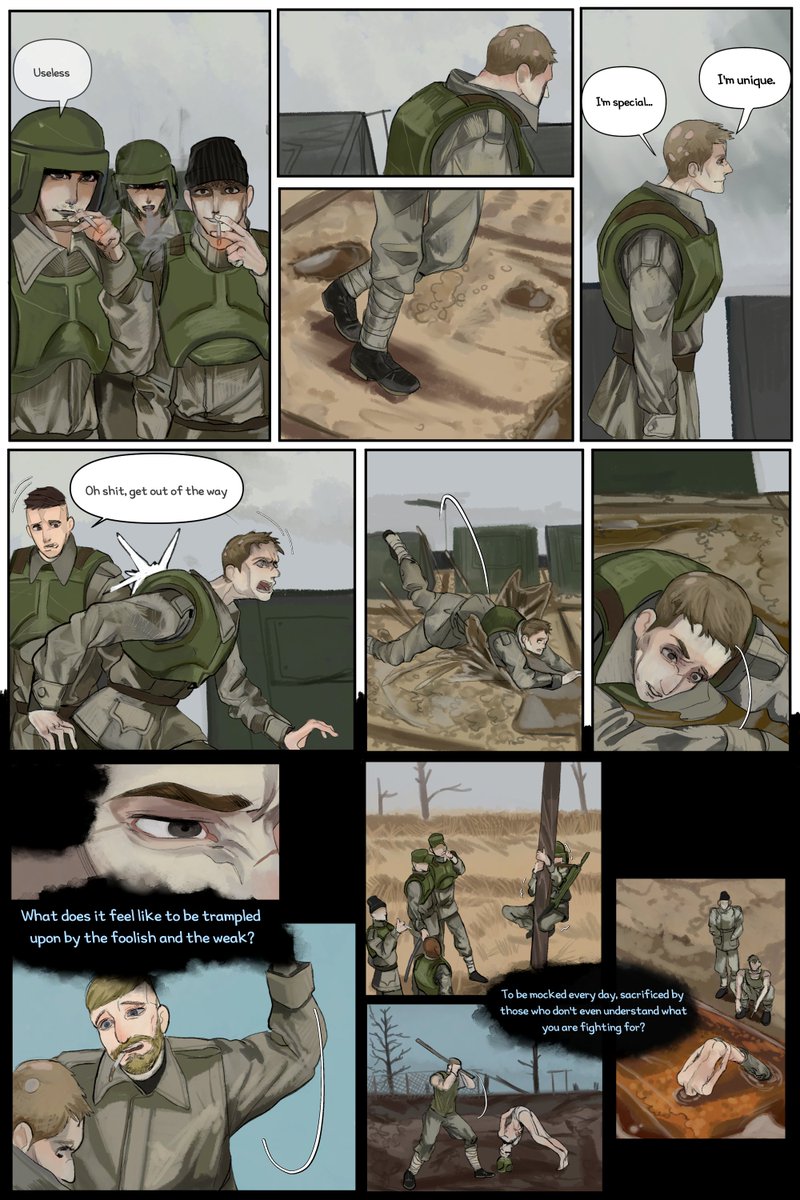
Hazing and the allure of chaos: Not all are blessed with the touch of beneficent Emperor. Where one rises, hundreds of others may have been forgotten by his grace. Worse of all they may even face persecution from those who they should call comrades. The 41st Millennium is awash in pain and suffering, much of it industrial, much of it on the battlefield. It is these small breaks out of the battle in which a Guardsmen has the time to recover. Yet, for some this may not even be the case. Long time veterans and higher ranked individuals make release their stress in a series of crude games played on the less fortunate. In other cases they will do such as a form of “Bonding” or as “Test of Loyalty”. For those organizing such things, it’s a way to blow off stress and test those below them. However there are those who may have far less tolerance for it then others and may be pushed to desperate acts. As such Chaos often times may not prey on the strong, tempting them to lend their power to another master, but rather tempt those at the bottom, with nothing left to lose. In many cases, it may be seen as their last and best way out of their current situation.
#Commission #warhammer40k
Christian priest from Iraq:
“They say they want to die and get 72 virgins. We can’t live among them.
When they invaded our lands, Christians were already here, and now they persecute us.”
If you want to know who Muslims truly are, listen to Middle Eastern Christians!