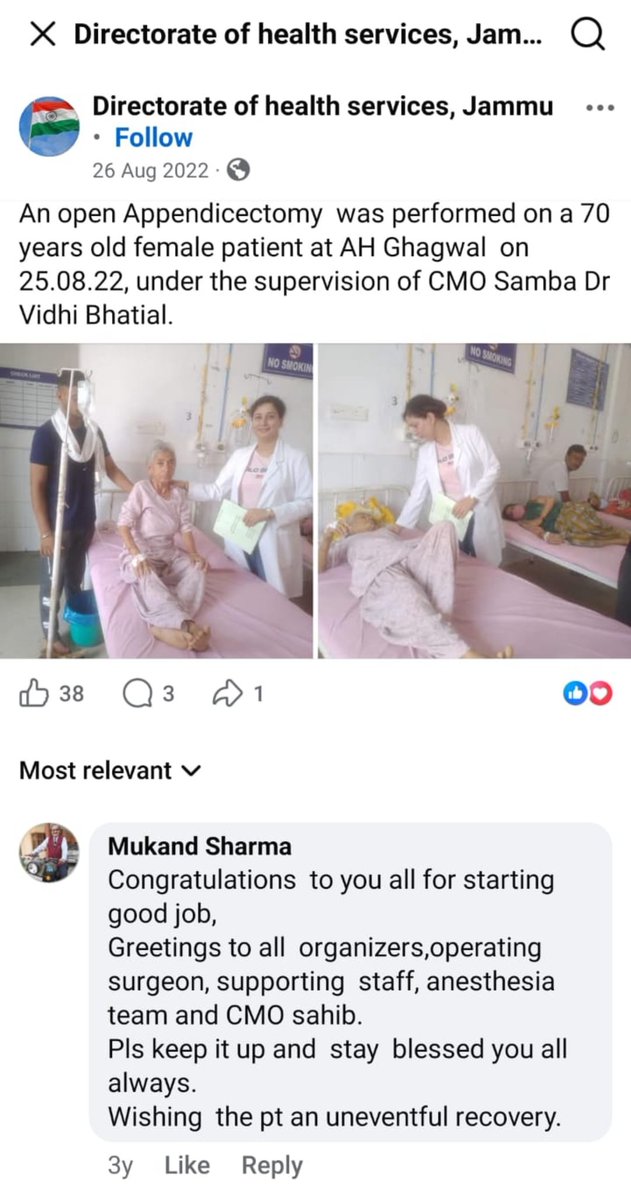
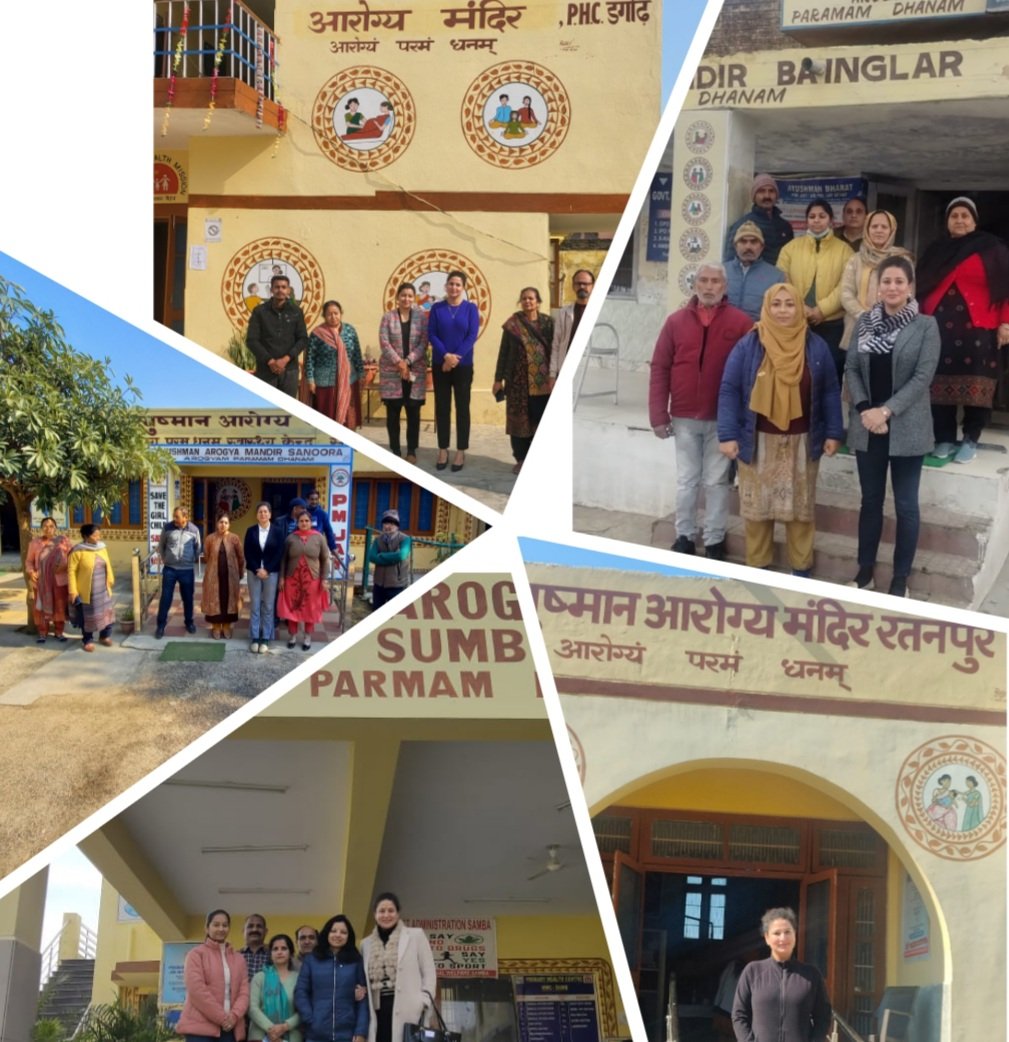
In 2022, I was assigned to a rural posting that many would describe as “challenging.”
My daily routine involved a 110 km commute on a shabby highway — only to reach a facility with no proper OPD room, no table, no basic infrastructure, and a handful of patients from an understandably skeptical community.
A senior colleague shifted his plaster room so I could have a space of my own.
A retired pharmacist, after seeing me work through the scorching heat, donated an office chair and an AC.
A broken table from the junk store (which I still use), an examination couch from emergency, curtains arranged from wherever possible — piece by piece, we built an OPD.
But infrastructure wasn’t the real challenge.
The operation theatre was defunct. One technician. One anaesthetist. And an unspoken expectation — “Start the show.”
Within the first week, I performed my first surgery there.
We began with perineal, breast, and skin surgeries under regional and local anaesthesia — fissures, fistulae, hemorrhoids — one after another.
Gradually, with careful planning and calculated risk-taking, we expanded to herniotomies in children under five, mastectomies, open cholecystectomies, herniorrhaphies, and more.
From 3 patients a day, we grew to 30.
From one surgery, to 50 surgeries a month.
Against all odds — and the odds were strong — we built a functioning surgical unit.
And today, that same center has a donated laparoscopic unit.
This journey has been a powerful reminder that systems are not built by infrastructure alone. They are built by goodwill, trust, teamwork, and the courage to begin before conditions are perfect.
For me, this chapter represents a challenge well accepted, a resolve well kept, and progress truly delivered.
If a minimum is not attained by generationally entitled; not a suicidally empathetic option for the country would be to consider, the merit holders.
#NBEMS
@narendramodi Sir, Maybe doctors need better salaries and the job itself than the indirect approach of increasing the seats. Super saturation will lead to cheap labour, if that is what is intended.
@narendramodi Sir, Maybe doctors need better salaries and the job itself than the indirect approach of increasing the seats. Super saturation will lead to cheap labour, if that is what is intended.
It's high time that Doctor Associations should join hands across country and set out clear standing instructions in view of recent rise in disgrunt, allegations and violence.
1. Aprons and name plates should be worn by doctors and no one else. Paramedics should wear sleeveless aprons as per protocols, nurses and nursing orderlies/ MTS suits as per norms and guidelines. It's isn't surprising that imposters can easily wear aprons and do what they have to.
2. Adequate helping staff along with data operator should be present with each gazetted doctor.
It is high time that government should realize that disgrunt is not over efficiency of the doctors but management. The Opd crowd in civil hospitals needs to be tackled one on one. All entries should be managed by data operators.
3. Every Institute should be digitalised and preappointments should be brought enforce as soon as possible especially in OPD sections in a fixed number. Let the apps do the jobs for taking appointments.
4. In GMCs,More CMO should be recruited to manage off time OPD problems like heartburn/ indigestion etc and sent to specialists only if they need it not want it.
5. Each doctor should handle one case at a time for atleast for 5 to 10 minutes, take time to explain disease, severity and plan. There is no need to rush. Be adequately staffed. May be soft skills and communication should be a subject in the curriculum.
https://t.co/dMXo9uX1C4 not entertain patients in a special way just because u got a call from higher ups. Treat them as per your convenience just the way you get treated on other days at their offices. Do return favours.
7.Take responsibility for leadership and management. U don't want the future be captivated by subject ignorant people who have trainings in people management rather than skill anf talent. Trust me we are heading to a big time brain drain.
8. Stop gossiping, slandering other colleagues, uphold medical ethics at all times.
9. Prioritize patients well being over anything and everything during the hours you are required to. Learn to completely cut off once you leave hospital premises. If you are at a responsible position be available or delegate responsibility responsibly.
10. Any hard nut to Crack should be dealt by a more experienced health provider. Call for help if need be.
11. Be well connected, take good care of your mental and physical health and learn to protect your dignity even if it means going to war without warfare. Stay united!
#IMA
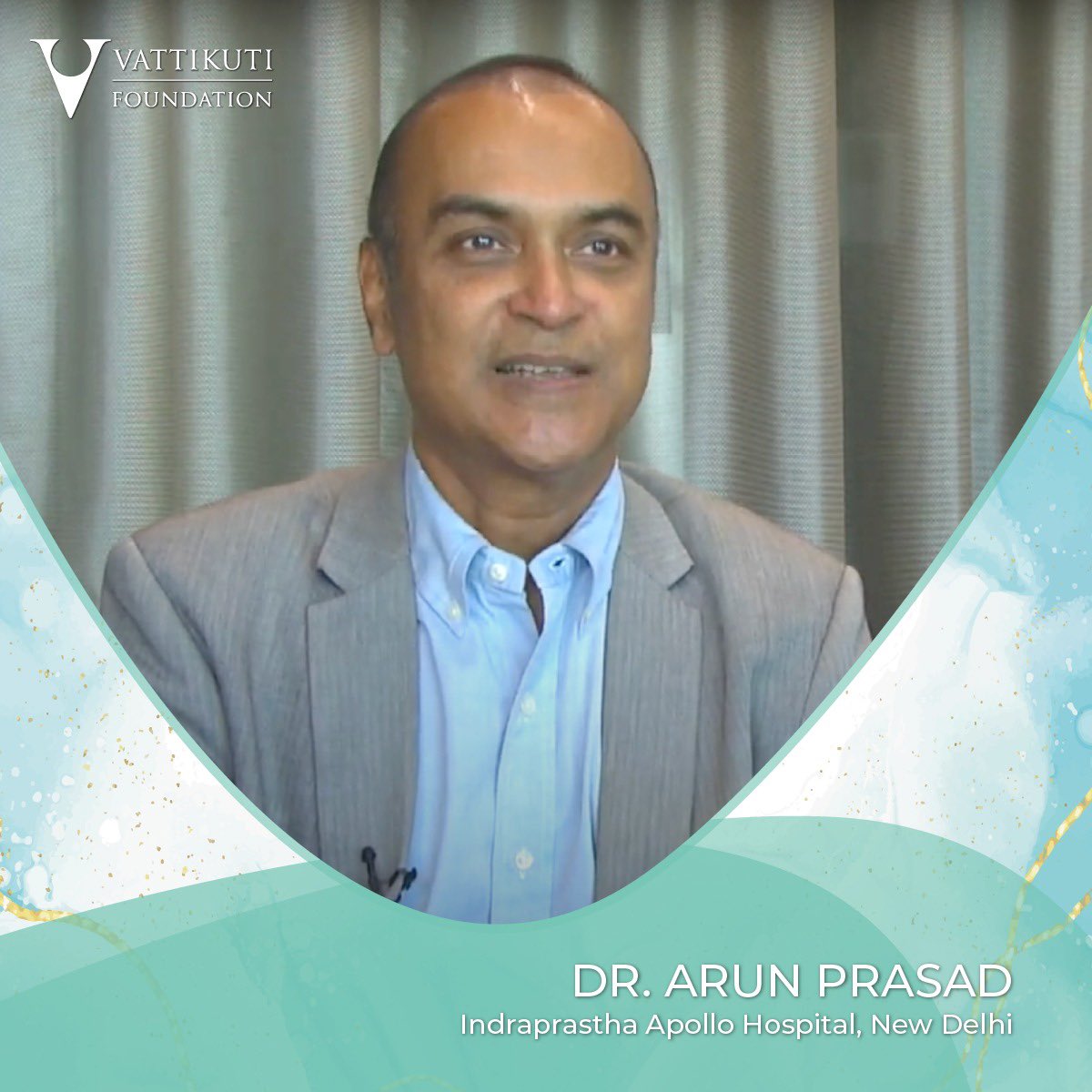
Dr. Arun Prasad, a Vattikuti Network Surgeon, shares his gratitude for the Vattikuti Foundation and Apollo Hospitals. He believes that without these two institutions, Dr. Prasad wouldn't be the robotic surgeon he is today.
Watch his testimonial video here: https://t.co/a3Zt5gQm5S
@HospitalsApollo
#robotics #roboticsurgery #surgery #surgeons #roboticsurgeon #testimonial #healthcare #vattikutifoundation #healthtech
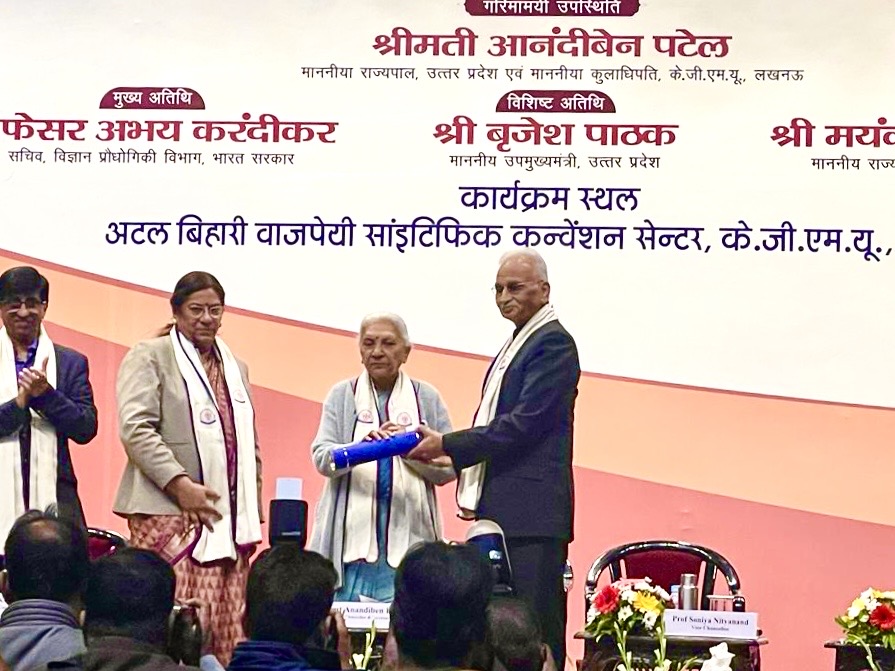
Distinguished Urologist, robotic surgery evangelist, and CEO of the Vattikuti Foundation, Dr Mahendra Bhandari, has been conferred the degree of DSc (Honoris Causa) by King George’s Medical University (KGMU) in recognition of his exemplary contribution to the development of two premier medical institutions in India and his outstanding work in the fields of Urology, Kidney Transplant and Robotic Surgery.
Dr Bhandari served as the Director of Sanjay Gandhi Post Graduate Institute of Medical Sciences, Lucknow, and as Vice Chancellor of King George's Medical University, Lucknow, between 1997 and 2006
To read more, click here: https://t.co/mNRJeZ96t7
#vattikutifoundation #KGMU #SGPGI #roboticsurgeon #roboticsurgery #urology #urologist
@MBhandariUrol@SGPGI@kgmuindia