Interested in mission-driven environmental health research? We have several job openings @SilentSpringIns Executive Director, Epidemiologist, Research Assistant, Science Writer.... check them out: https://t.co/VxXyPZA8xv
📣 We're hiring!
We are seeking a versatile, community-engaged research study coordinator to contribute to innovative environmental health studies. Sound like you?
Apply today!
https://t.co/jtdXBLnNya
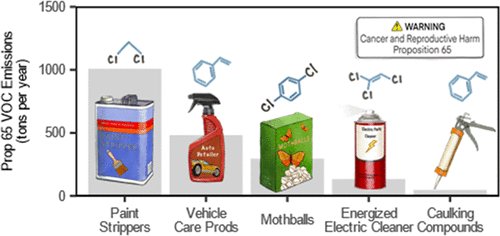
New study by @SilentSpringIns, @UCBerkeleySPH, and @BerkeleyLaw reveals that more than 5,000 tons of toxic chemicals associated with cancer, birth defects, and reproductive harm are released from consumer products into our homes and workplaces each year. #Prop65#CancerPrevention
Hey Exposure Scientists! Is your research focused on potentially highly exposed or susceptible subpopulations? Consider submitting an abstract to the "Who are the PESS?" symposium at ISES 2023. #ises2023#exposureinequities
https://t.co/GUB4DHALeD
LISTEN: “This is a systems problem — not strong enough regulations for personal care product safety, as well as social drivers and perspectives.” - @marissawchan
https://t.co/HdV9UqatPA @AgentschangeEJ#beautyjustice
Silent Spring's @robinedodson was recently featured on @TJamesTodd_PhD & @ERJ_Lab's new podcast Beauty + Justice to talk about toxic chemicals in beauty products -- especially ones marketed towards and used by Black women, as well was ways to prevent exposure.
PAID Research Study Opportunity 🔬 the SEED Program @HarvardChanSPH is now collaborating with
@BostonIVF and @SilentSpringIns on a new research opportunity that aims to help couples and individuals reduce their exposure to everyday chemicals before conception.
#TRENDING
Personal care product use among diverse women in California: Taking Stock Study >> https://t.co/3fVqE46wUo
#DYK Personal care product use can contribute to ⬆️body burdens of consumer product chemicals among #WomenofColor.
@robinedodson@amizota@bhavnasham
@yoshi_ra & @DrCAlcala & others, thanks again for putting this out into the world. We're using it as a roadmap in our discussion of #EJ in #exposurescience in the exposure course at @busphEH
Another reason to be concerned about unregulated chemicals in beauty products that disproportionately impact black women. Rates of uterine cancer are increasingly rapidly--and we wonder why. https://t.co/pAgDAyThhY
Honoring Rachel Carson's legacy. @SilentSpringIns colleague Jennie Liss Ohayon wrote, "Why is the EPA still exposing women to pesticides linked to breast cancer?" https://t.co/6sTgZ7n8sB
Exposure to endocrine disruptors has an impact on reproductive health. Important article on exposure inequities, highlighting #TakingStockStudy and partners @bhavnasham and @BW4WLA#EDCs
L.A. County’s black infant mortality rate is triple that of whites.
The second of @1danross' three-part series, looks at pollution’s role.
https://t.co/v1LTJXJCTm
PAID Research Study Opportunity 🔬 the SEED Program @HarvardChanSPH is now collaborating with @BostonIVF on a new research opportunity that aims to help couples and individuals reduce their exposure to everyday chemicals before conception.
At #ISES2022? Please join me at the Environmental Justice session this afternoon. I’ll be sharing a new exposure tool for consumer product research developed for the Taking Stock Study.
She’s going to talk about her work on the Taking Stock study, which used a smartphone app to collect detailed product use information from Black and Latina women.
@bhavnasham@BW4WLA@ElissiaPhD#ISES2022 https://t.co/UQFRDvVk3K