Instead of watching an hour of Netflix, watch this 2 hour hour Stanford lecture will teach you more about how LLMs like ChatGPT and Claude are built than most people working at top AI companies learn in their entire careers.
INSTEAD OF WATCHING AN HOUR OF NETFLIX TONIGHT.
This 1 hour Stanford lecture by Joel Peterson will teach you more about negotiation and getting what you want than most people learn in years.
Bookmark it and give it an hour, no matter what.
1. Never use a debit card. By using a credit card, you get extra protection and rewards, all while improving your credit score.
2. Your investments should always eat before you do.
I wish we lived in a world where I didn't feel constantly compelled to post this video, but until then here's Tony Benn speaking on war with clarity and moral conviction that you won't see from the evil people running the world today
SEN. KAINE: “You said American whites are victims of a cultural genocide… are they represented in the senate? House? Presidency? CEO’s?”
Trump’s white nationalist pick for a top state department spot Jeremy Carl skewered by @timkaine
Short answer: history compounded into institutions, then locked in by incentives.
Not DNA. Not fate. Not even culture in the lazy sense. Structure did the damage.
⸻
1. Italy unified late, and unevenly
Modern Italy is young. Before 1861 it was different states with different economic models.
The North already had:
•guilds, banks, proto industry
•ties to Central Europe
•capital accumulation
The South was:
•agrarian
•feudal
•extractive, run by landlords not merchants
Unification did not merge two equals. It absorbed the South into a Northern state and then taxed it like an industrial economy before it was one.
Path dependence matters. Early advantages compound. Early wounds scar.
⸻
2. Geography quietly decides winners
This part is boring but brutal.
Northern Italy sits on:
•the Po Valley
•flat land
•navigable rivers
•proximity to Germany, Switzerland, France, Austria
That means cheaper transport, faster trade, earlier factories.
Southern Italy is:
•mountainous
•fragmented
•farther from core European trade routes
Geography does not determine destiny, but it tilts the table before the game starts.
⸻
3. Institutions diverged, then froze
Same laws on paper, wildly different enforcement in practice.
In the North:
•courts function faster
•contracts are enforced
•bureaucracy is predictable
•firms scale
In much of the South:
•slow justice
•regulatory uncertainty
•clientelism
•parallel power structures
Capital hates uncertainty. It leaves quietly and never comes back.
⸻
4. The shadow economy became a trap
Organized crime did not cause poverty at first.
It filled the vacuum when the state failed.
But once embedded, it:
•raises the cost of doing business
•deters outside investment
•redirects talent toward rent seeking, not creation
This becomes self reinforcing. Honest firms cannot compete. The best people leave.
⸻
5. The welfare paradox
Postwar Italy tried to fix the gap with transfers.
Money flowed south. Productivity did not.
Why:
•funds often went to consumption, not capital formation
•public jobs replaced private enterprise
•incentives rewarded dependency, not risk
This is the quiet tragedy. Help that stabilizes also anaesthetizes.
⸻
6. Brain drain seals the loop
The most ambitious southerners do exactly what rational people do.
They move to:
•Milan
•Turin
•Bologna
•or abroad
The South loses:
•entrepreneurs
•managers
•engineers
•institutional builders
What remains is not inferior DNA. It is selection bias.
⸻
About mentality
Mentality follows incentives.
Change the payoff structure and mentality changes shockingly fast.
Put a predictable court system, real credit access, and enforceable contracts in Naples for twenty years and you will see Milanese behavior emerge without a single sermon.
People respond to systems, not sermons.
⸻
The uncomfortable truth
Italy is one country legally.
It is two economic equilibria.
One compounds capital.
The other manages scarcity.
Different outcomes do not require different DNA.
They only require different feedback loops, sustained long enough.
History whispers. Institutions remember.
And the map you shared is simply history still charging interest.
"It's like watching a bumbling idiot."
"He can't name the country, he's mumbling, he's been at the fake tan again..."
Joanna Jensen says Trump is like an embarrassing uncle, and Americans should wake up to his market manipulation.
@Kevin_Maguire | Andrew Castle | #JeremyVine
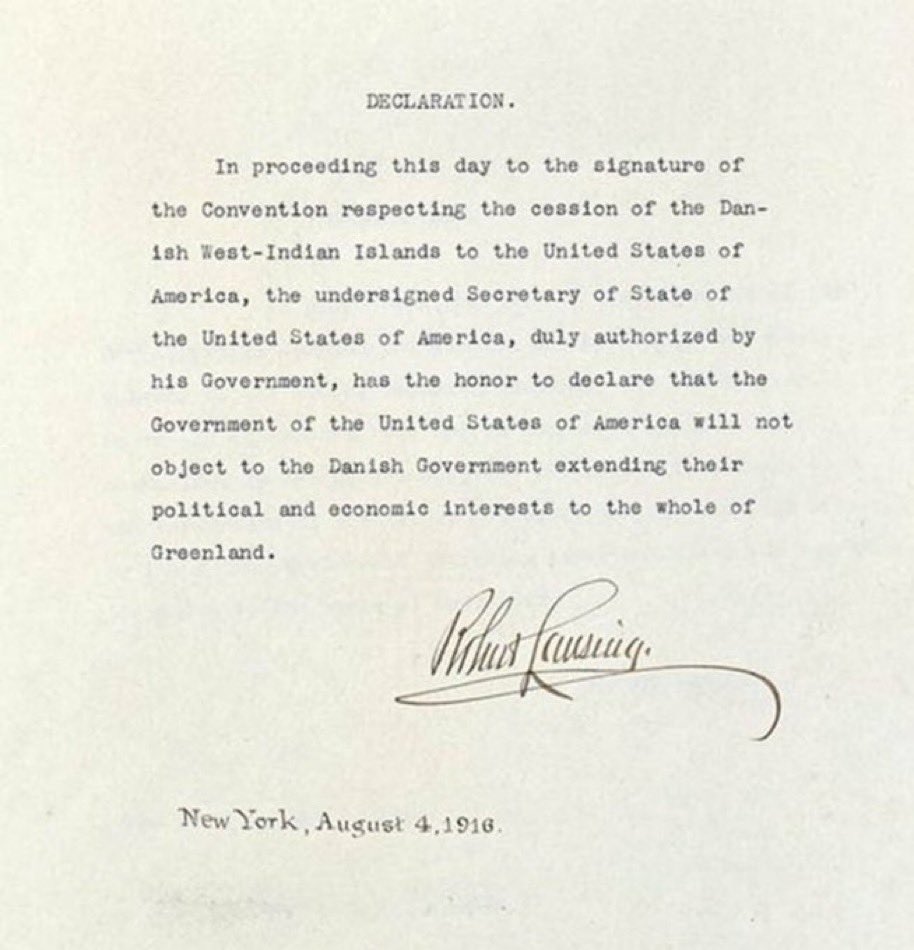
“Iceland, they love me,” Donald Trump says about Greenland. “They called me ‘Daddy’ last time. A very smart man said, ‘He’s our daddy. He’s running it.’”
WTAF…