Today, we’re launching a new ad campaign exposing how some large, tax-exempt hospital systems exploit 340B to buy medicines at deep discounts, mark them up by thousands, and pocket the difference, all with little oversight. Meanwhile, they can spend program profits on whatever they want – even luxury perks. Patients and taxpayers deserve transparency and accountability. Washington must act.
https://t.co/18PHuwwVOk
Patients are facing higher costs and more denials of care. Price controls like MFN won’t fix that. What patients experience is driven by insurers – who decide what is covered and what patients pay. Real affordability means addressing the root cause of patient frustrations. More here: https://t.co/0RmPzHMK79
A new @FoxBusiness spotlighted waste, fraud & abuse in 340B. A massive federal program and yet there is no transparency and no requirement patients benefit. If we’re serious about lowering costs, we must fix the federal 340B program.
The @WSJ Editorial Board says the quiet part out loud: 340B has become “sweet arbitrage for hospitals and pharmacies.” Hospital profits grow, patients don’t benefit, and oversight is basically nonexistent. That’s why federal reform is overdue.
https://t.co/SONzhrIQdo
The debate over replicating foreign drug pricing policies often leaves out one important fact: Patients in those countries typically have access to fewer new medicines and wait much longer to get them.
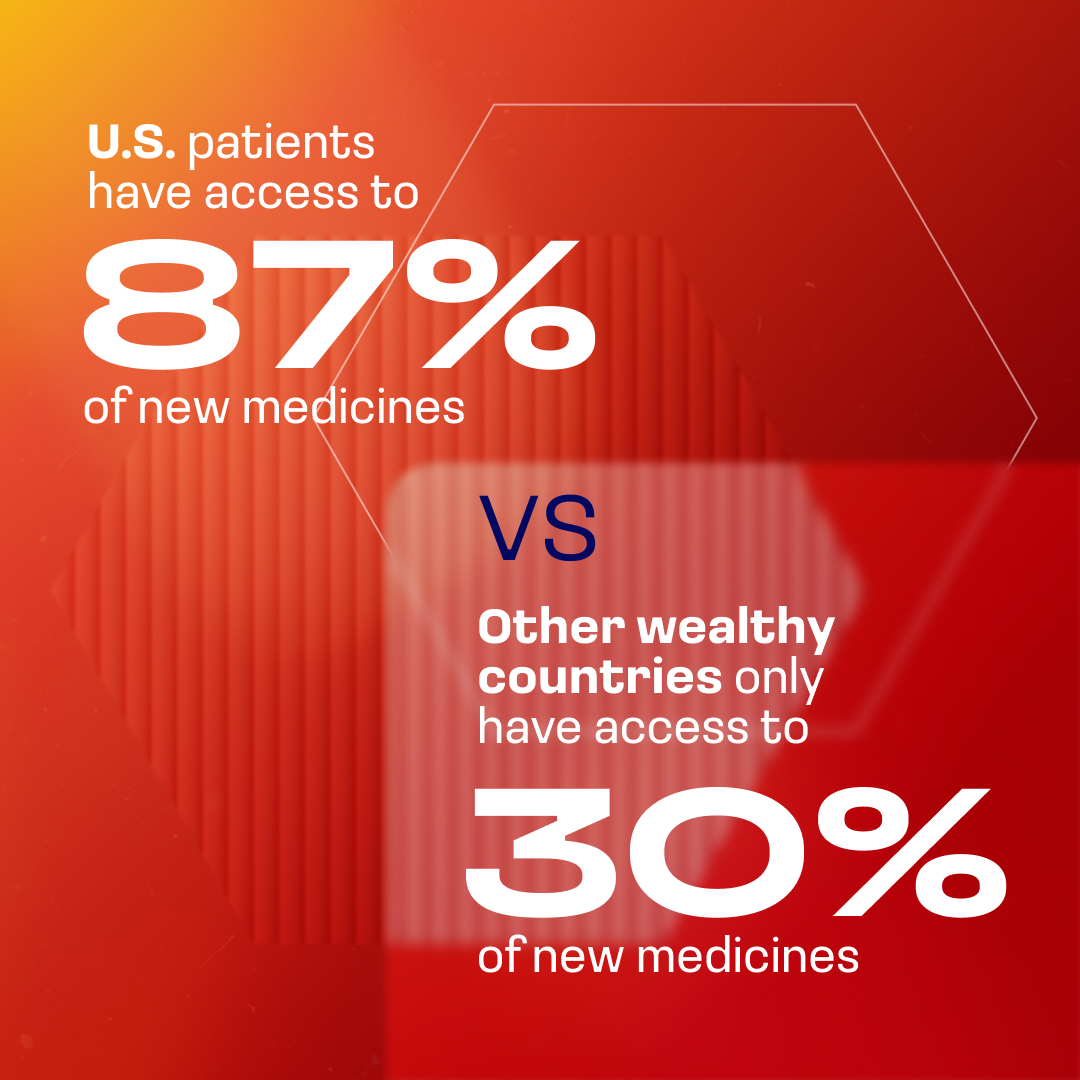
A new PhRMA report confirms this, showing patients in other countries have access to only 36% of new medicines vs. 88% in the United States. That is not a model we should import. Read more: https://t.co/ZvFBy7ofyq
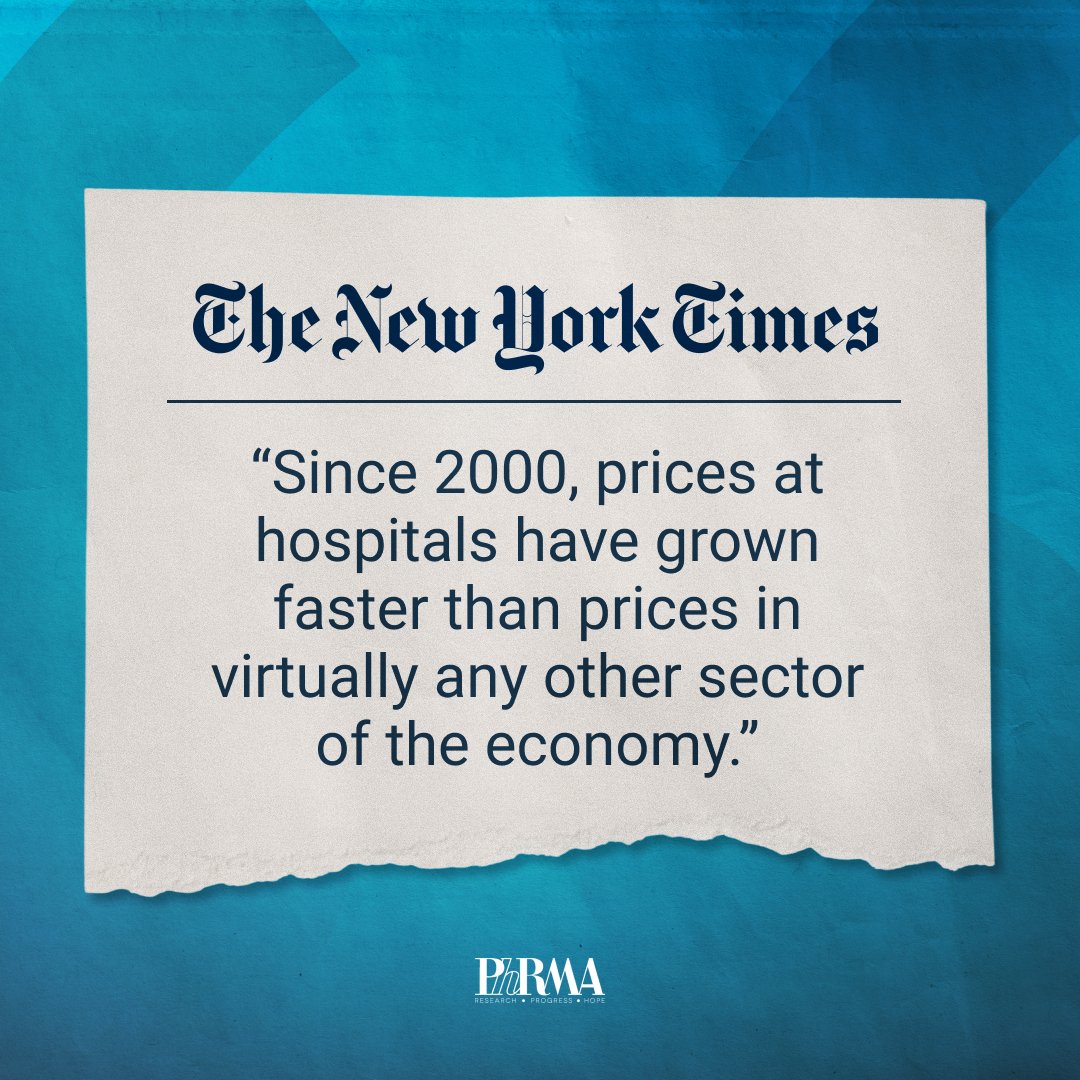
A striking @nytopinion piece: Hospital prices and consolidation are major contributors to rising health care costs. Affordability debates should focus on the full system, including hospital market power. https://t.co/5muaySYXCv
Leadership is a choice. Smart federal policies like strong intellectual property protections, efficient regulations and market-driven competition keep America at the forefront of medicine development. We must choose to stay in the lead. More at https://t.co/HwczzUxK8R
Hospitals buy drugs at steep discounts, charge full price or more and keep the difference - without requirements to help patients. That’s not a safety‑net program. It’s exactly why the Washington Post Editorial Board calls today’s 340B “corporate welfare.” This abuse drives higher costs and demands reform.
More here: https://t.co/0CBCiScQWl
Vaccines are one of the best ways to prevent disease before it starts. They train the body’s immune system to fight germs, keeping individuals and families safer. And vaccines play a critical role in improving public health by preventing dangerous diseases like polio and smallpox, saving millions of lives and avoiding countless hospitalizations. I am proud of our biopharma industry every day, and especially during #WorldImmunizationWeek.
https://t.co/djjA6j2dFg
#340B is now the second largest federal drug program, and on track to be the largest, without basic transparency or oversight. That’s driving higher costs for patients and taxpayers. A rebate model is an important step toward commonsense guardrails. More here: https://t.co/urILCliV2M
70% initially denied. That’s what IQVIA found for commercially insured patients trying to start brand medicines in 2024. That means patients were blocked from the treatments their own doctors prescribed. It’s time to end insurer practices that put profit over patients.
Read more: https://t.co/pZL2t2XHSD
The U.S. cannot take its leadership for granted. China has the fastest growing biopharma pipeline in the world, driving novel drug development. America needs smart policies that support innovation.
Read more: https://t.co/2kFiMdnVV7
End of an era. @steveubl has been a fantastic leader and I'm so grateful for the support he provided to me personally and the confidence he placed in our team. Very proud of the progress we've made on important issues impacting patients and our health care system.
The U.S. leads the world in medicine development. More new medicines are available in the U.S. and patients receive them earlier. America’s leadership is strategic. We should protect it.
Read more: https://t.co/zNsY1rAC7D
Biopharma is fueling growth in every state.
5 million plus U.S. jobs.
$500 billion in new investments.
$1.2 trillion in economic impact.
We must protect the policies that keep innovation and opportunity here at home.
Learn more: https://t.co/zNsY1rAC7D
More cures.
More jobs.
Lower costs.
Sustaining America’s leadership in medicine development requires smart policies that support innovation and long term investment.
Read More: https://t.co/zNsY1rAC7D
Innovation delivers for patients and for our economy.
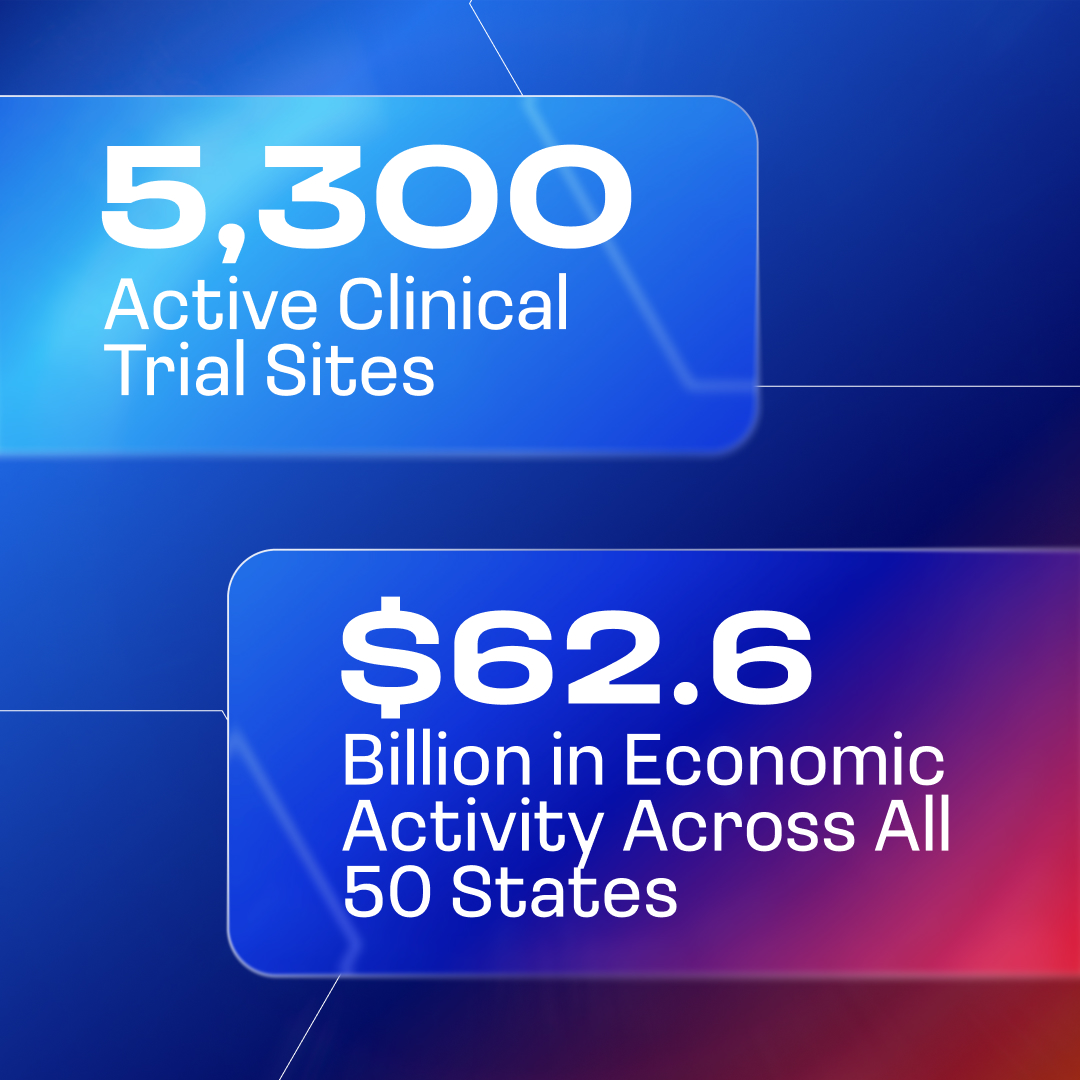
5,300 active clinical trial sites nationwide.
$62.6 billion in economic activity across all 50 states.
We must protect the ecosystem that keeps this momentum going.
Learn more: https://t.co/H45riNAx4E
China now conducts 30% of global clinical trials and its novel drugs in global development have grown since 2020. And China has the fastest growing biopharmaceutical pipeline in the world.
Washington must protect America’s innovation ecosystem and keep us in the lead.
New data show some tax-exempt hospitals mark up medicines by more than 10,000%, with no requirement that patients benefit.
That’s not patient assistance, it’s a buy low, sell high business strategy. Read more in our new blog:
https://t.co/YvwVPn6wUh
There is a reason we don't price medicines like other countries - becuse they set prices in a way that systematically discriminate against seniors, people with disabilities and those with chronic illnesses.
MFN imports more than foreign prices—it imports foreign rationing formulas. By tying U.S. prices to QALY‑based systems, MFN risks importing value judgments that disadvantage people with disabilities and chronic illness. Affordability should expand access, not ration care.
https://t.co/blylYv2q8k