Open-source Replit just dropped → https://t.co/1ULqHmkTWL
It's an OSS code editor with AI code autocompletion and real-time multiplayer collaboration (powered by @liveblocks)
Built with @nextjs + @clerk + @shadcn UI by @ishaandey_ and it's fully self-hostable via @docker 😍
🚀 Conclusion: Modularization is a cornerstone of modern JavaScript development, promoting code organization, reusability, and maintainability. By leveraging modules, you can build scalable and efficient applications. #LearnWithMe
(11/12)
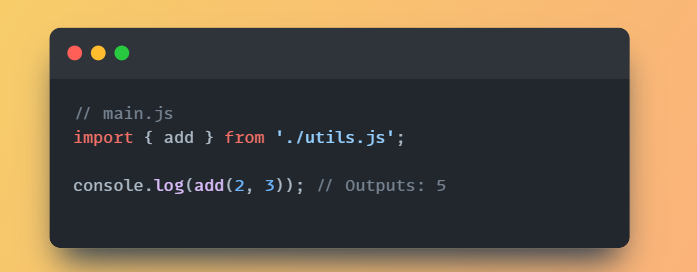
📚 Creating Modules: In JavaScript, you can create modules using ES6 module syntax. Each module is a separate file, and you can export functions, objects, or variables from it.
(5/12)
🔄 Benefits of Modularization:
1. Reusability: Modules can be reused across different parts of your application or even in different projects.
2. Maintainability: Smaller, focused modules are easier to understand, test, and maintain.
(3/12)
🌐 What is Modularization? Modularization is the practice of breaking down your code into smaller, manageable pieces called modules. Each module encapsulates specific functionality, making your codebase organized and scalable.
(2/12)
🚀 Ready to take your web development skills to the next level?��By Learning the concept of Modularization in JavaScript (JS)! Modularization helps you structure your code efficiently, making it more maintainable and reusable. Let's get started! 👇
Day 10 #LearnWithRohit
(1/12)
🚀 Ready to take your web development skills to the next level?✨ Let's explore one of the most powerful features in modern JavaScript – Async/Await! This syntax makes working with Promises easier. Let's get started! 👇
Day 9 #LearnWithRohit
(1/n)
🚀 Conclusion: Async/Await transforms how you write and manage asynchronous code in JavaScript. By making your code more readable and easier to debug, Async/Await helps you create cleaner and more efficient applications. #LearnWithMe#learninginpublic#LearnEveryday
(10/n)