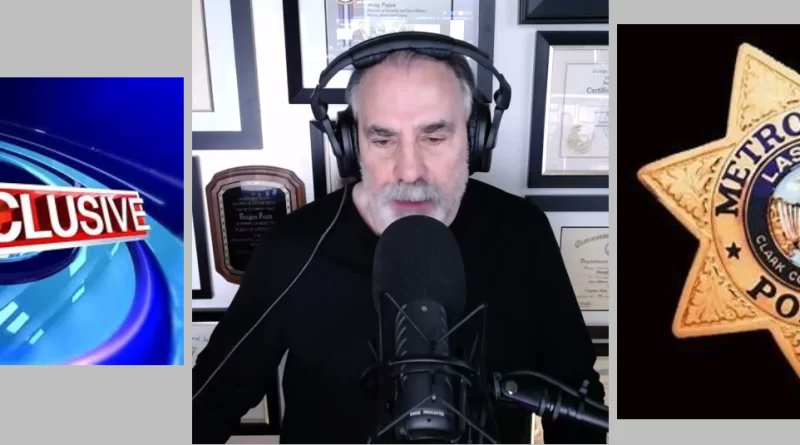
Remember: it's people like Frank Serpico, Jane Turner, Doug Poppa... Who can make the law enforcement what it is supposed to be: TO SERVE and PROTECT...
In May 1944, 23-year-old Phyllis Latour jumped out of a US bomber and parachuted into occupied Normandy, France. Her mission was to gather information about Nazi positions in preparation for D-Day. Once on the ground, she quickly buried her parachute and clothes, and began a secret mission that would last four months, pretending to be a poor teenage French girl.
Phyllis had been trained by the British Special Operations Executive (SOE). She learned how to send secret messages in Morse code, how to fix wireless radios, and how to spy without being caught. She also went through tough physical training in the Scottish highlands. Phyllis wanted to get revenge on the Nazis who had killed her godfather.
Phyllis said, “The men who had been sent before me were caught and killed. I was chosen because I would be less suspicious.” She would ride a bicycle through the region, pretending to sell soap, and secretly pass messages to the British about German locations. She acted like a country girl chatting with German soldiers to avoid raising suspicion. She moved from place to place to stay hidden and often slept in forests finding her own food.
Phyllis also came up with a clever way to hide her secret codes. She wrote them on a piece of silk and pricked it with a pin each time she used a code. She kept it hidden inside a hair tie. Once when the Germans briefly detained her and searched her she took out the hair tie and let her hair fall, showing she had nothing to hide. In the summer of 1944, Phyllis sent 135 coded messages helping Allied bombers find German targets.
After the war, Phyllis married and moved to New Zealand. Her children didn’t know about her wartime service until 2000, when her oldest son found out online. This hero passed on October 7, 2023. May she rest In peace.
@SpottedElk7 any US, Canadian, Mexican, South American Governments is 2 B Trusted when it comes to their politics about the Original First and Only Legitimate Inhabitants of "the Americas"...(including the French one 4 French Guyana, South America : 6 Amerindian Nations)
@SpottedElk7 As a white French guy, who's been "hangin' around a bit with "Injuns" since his teen years, I don't think & have never thought so far, that : (to be continued on following or preceding response)
@SerpicoDet I feel overwhelmed every day, hence why I mainly watch & search 4 news here & other sites on Internet & tend 2 get "buried" in2 the info, trying 2 sort out what's fake what's real, which is indeed a slap of horror in the face, so eventually, I "bail out". It solves nothing though
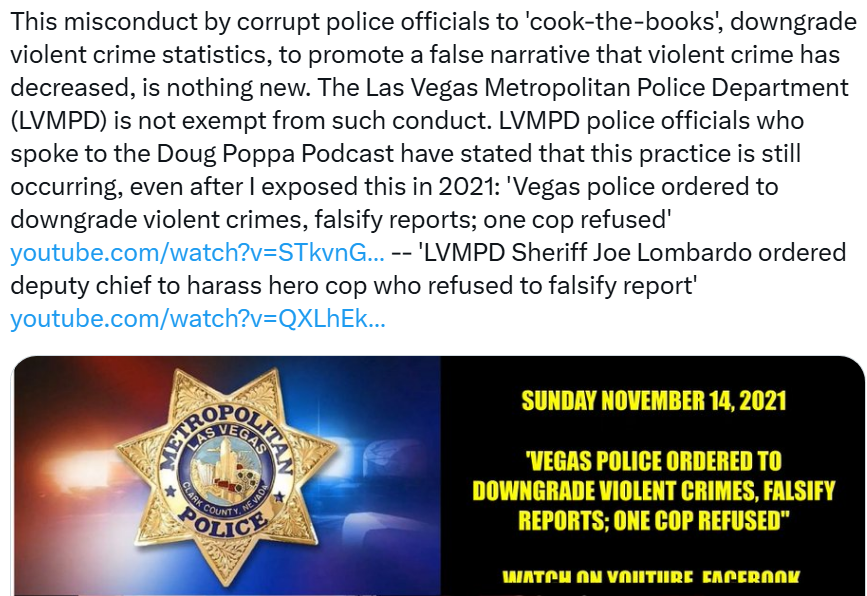
June 9, 2026. 🤔Former DC police chief fixated on crime stats, internal affairs finds. "Interim Police Chief Jeffery Carroll announced 13 top MPD officials had been placed on leave and served with termination papers for their alleged role in the misclassification of crime data.": https://t.co/ZxcGlmkqE1 -- Vegas police ordered to downgrade violent crimes, falsify reports; one cop refused: https://t.co/kzqsefIe8C -- LVMPD Sheriff Joe Lombardo ordered deputy chief to harass hero cop who refused to falsify report: https://t.co/St3Nb9kgTM
¿Acaso los antiguos mayas desaparecieron?
La respuesta es no. Los mayas no desaparecieron: las grandes ciudades del periodo Clásico fueron abandonadas gradualmente por múltiples factores, pero su gente sobrevivió y transformó su manera de vivir. Con la llegada del siglo XVI y la conquista, muchas prácticas religiosas, rituales y costumbres cambiaron o se mezclaron con nuevas tradiciones, mientras otras resistieron el paso del tiempo.
Esta poderosa idea quedó retratada en una histórica portada de la revista Life de 1947, titulada “Ancient and Modern Maya”. La imagen establece un diálogo visual entre el pasado y el presente: un hombre maya contemporáneo junto a una escultura ancestral, recordándonos que la civilización maya no es una reliquia extinguida, sino una cultura viva. Hoy, millones de personas mayas continúan habitando México y Centroamérica, conservando lenguas, conocimientos y tradiciones que conectan directamente con una herencia milenaria.
“Las historias indígenas no se cuentan, se heredan con la sangre y la memoria.”
Tal día como hoy, 7 de junio de 1954, nacía en Minnesota Louise Erdrich, una de las voces más importantes y poderosas de la literatura indígena contemporánea de Estados Unidos.
Con esta frase, Erdrich resume la esencia de su obra y de su herencia: para los pueblos originarios, las historias no son simples relatos que se narran, son parte viva de la identidad, se transmiten a través de la sangre, la memoria ancestral y la experiencia colectiva. Sus novelas (La casa redonda, El último informe sobre los milagros en Little No Horse, El amor medicinal) son un puente entre el mundo indígena y el lector, llenas de espiritualidad, dolor, humor y resiliencia.
De ascendencia ojibwe y alemana, Erdrich ha dedicado su vida a dar voz a las comunidades nativas, sus luchas, su cosmogonía y su profunda conexión con la tierra y los antepasados.
Gracias por recordarnos que las verdaderas historias no se leen… se sienten en la sangre.
“Nuclear waste - it’s not gonna happen. All the First Nations along the corridor have adamantly opposed the transportation of nuclear waste”
-Chief Solomon of Fort William First Nation
#FreeGrassy#GrassyNarrows#SayNoToNuclear
“We need to guarantee the well being of our lands and future generations. This nuclear waste isn’t safe. Together we need to say no and protect our families, grandchildren and their children” - Deputy Chief of Mike Metatawabi
#FreeGrassy#GrassyNarrows
Starting Now! @ChiefCopenace speaking about how we are not alone in our fight against nuclear waste!
“We have to fight against nuclear waste - we have no choice! Why won’t our elected officials speak up and stand with us”
“We will never sell out! We will never choose money! We are stronger together and division will only make it easier for the government to roll over us - and I refuse to let that happen” - @ChiefCopenace#FreeGrassy#GrassyNarrows#SayNoToNuclearWaste
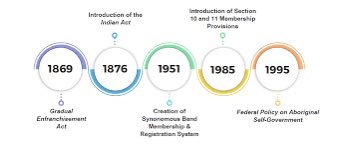
It’s interesting to me that the colonial Indian Act Band Councils don’t address the federal “self-gov’t” policy when discussing Bill S-2–“Indian Status” is connected to “Band Membership Lists” & “self-gov’t” since the Indian Act is ending under a federal plan (Bill C-15)!
Non si parla più di Palestina? FALSO.
Forse certi media e politici hanno voltato pagina, ma il popolo italiano resta vigile, come testimoniano i presìdi che da oltre un anno tengono viva la coscienza collettiva.
Lieta di incontrarli il 19 giugno. Il silenzio non è un'opzione.