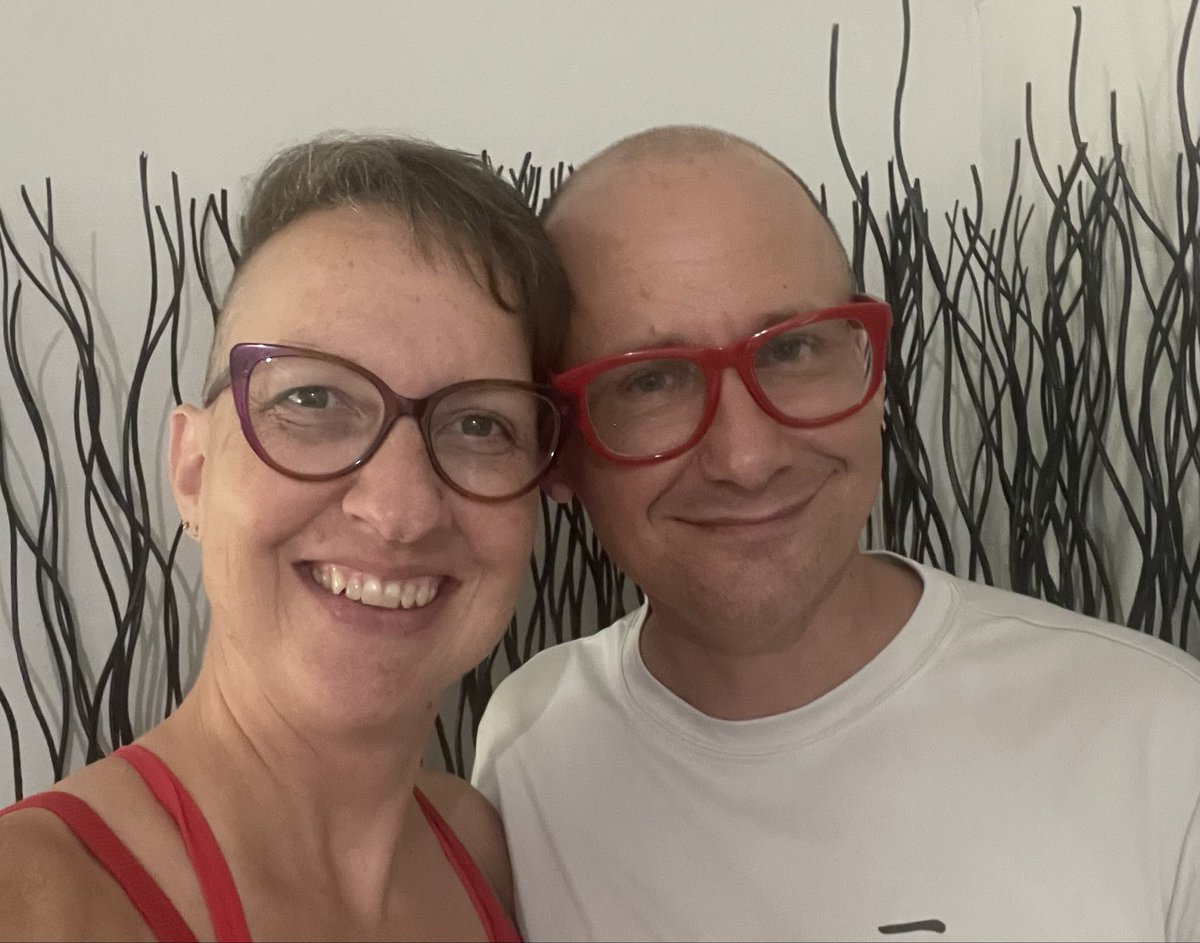
We’ve been rolling together for 30 years and married 26 years ago.
So many memories and so much to look forward to. The best place to be is in the present moment together.
This year there’s no big celebration, no fancy dinner, no spectacular gifts. Joe is home taking care of his mom. I’m 2 hours away for two weeks getting daily intensive specialized physical therapy. Being apart is hard. Getting stronger and better is the best present I can give him. He was here yesterday for his karate classes and we had a lovely quiet dinner together at my Airbnb. It was perfect for us.
Marriage evolves. As long as we stay best friends we can keep on rolling.
#marriagegoals #happyanniversary #26yearsofmarriage #RollingRogans
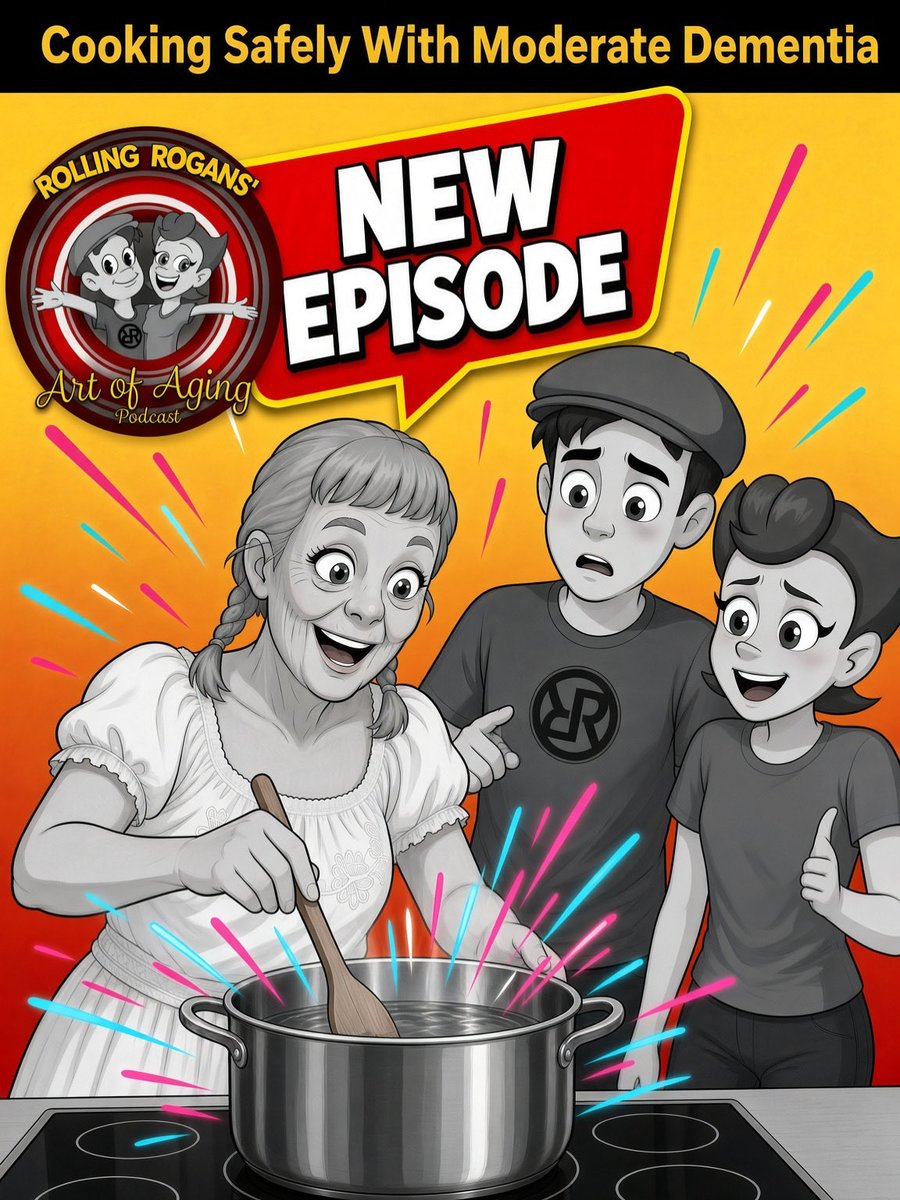
When it comes to the mid stages of dementia, it’s a tough balancing act of giving your loved one their sense of purpose and dignity while keeping them safe. Cooking is one of those tasks that becomes more difficult for them.
Join us on the newest episode of Rolling Rogans Art of Aging podcast where we share our experiences with Joe’s mom cooking.
We share how we noticed changes in behavior, loosing steps and using the proper tools, and what she says versus what she actually does.
It’s never easy to see your loved ones loosing the ability to do the things they loved. But we share tips how we are navigating these changes in real time, adapting daily.
When did you notice changes in cooking abilities and what did you do to help them?
@elonmusk That’s the dream we keep talking about on Rolling Rogans Art of Aging Podcast — a helpful robot in a real caregiving home, not just a factory floor.
We’re full-time caregivers for my mother-in-law with dementia. She already says she wants Optimus to do the dishes. We’re building in public (podcast + @RollingRogans) and would love to be an early caregiving-household beta when you’re ready for homes, not just warehouses.
When mom is finally at peace, our Optimus will continue to be a vital part of our family by being my own long term care plan after 35+ years of chronic illnesses that have no idea what my elderly years will look like. With Optimus-our future is bright.🤩
#OptimusCaregiving @Tesla
I gave Claude the following prompt
"I want you to make an animation of a story about how Optimus, Tesla's humanoid robot, will be the greatest product ever for humanity"
Absolutely Incredible
🤖 Check out our latest podcast episode available now!
How AI Became Our Dementia Caregiving Lifeline https://t.co/1r0vaCLcpd
GrokBots, AI, and someday soon @Tesla_Optimus are giving us our lives back. In this episode, we share how much relief we are getting from technology's help.
👀Is anyone else using AI for dementia caregiving?
“Always check on your loved ones.”
We say it after every tragedy.
But I’ve always found something painfully ironic about that phrase.
Because when someone becomes sick, disabled, depressed, broke, grieving, or simply unable to be the version of themselves everyone was accustomed to, the phone often gets quieter.
The invitations slow down.
People stop asking how they’re doing because the answer might be complicated, uncomfortable, or inconvenient.
Then something terrible happens, and suddenly everyone says, “Check on your loved ones.”
Checking on someone isn’t a slogan for after the fact.
It’s the text you send when they’ve disappeared for a while.
It’s remembering the person who can’t show up anymore.
It’s asking again even when the first answer was “I’m fine.”
It’s staying present when their life stops being easy to witness.
Don’t wait until someone becomes a memory to start wondering how they were doing.
Reach out before the silence becomes permanent.
Make the call before the next time you hear their name is in a message you never wanted to receive.
Because some conversations can wait until tomorrow and some tomorrows never come.
Xennial here (end of Gen X)
I wouldn’t say it was better or worse. Just different. Part of the human experience is to change and grow. Going from analog to digital was just part of the evolution. Just like we are part of the AI evolution and beyond. Yes, things felt more pure in a way because we didn’t have global comparisons with popularity. In the same respect, we can now find our tribes more easily. For example, I’ve lived in with chronic illnesses for 35 years. I felt alone, no one understood what I was going through. Now with the internet, we can find others who validate this pain is not all in our heads like we’ve been told. We can do the research and educate doctors that have too big of ego to say they don’t know. Now I like to balance life with technology and nature. Life is pretty cool with both.
@IowaTesla@Tesla Our Model 3 is learning to park in handicap spots the more we show it when mom is in the car. It would be nice to be able to choose handicap or not. Mom is not always with us.
@Teslaconomics Thanks for showing it’s possible. I’m trying to get my GB hooked up to my X money but haven’t been able to. It says it can’t. 🧐 I wonder if I have some guardrails in place or something else.
@VinoNStrosGal Same here! Hitting potholes in our Model 3 always triggers an outburst from mom with dementia. Fixing this doesn’t just protect our cars it protects our sanity. @elonmusk
🙋♀️ How many dementia caregivers are using Grok @bot for daily help and support?
We’re building bots to cover repetitive tasks, pattern recognition with behavior changes, and self-care. Taking a significant emotional load off our shoulders.
Listen to our most recent podcast episode at Rolling Rogans Art of Aging where we geek out about our bots.