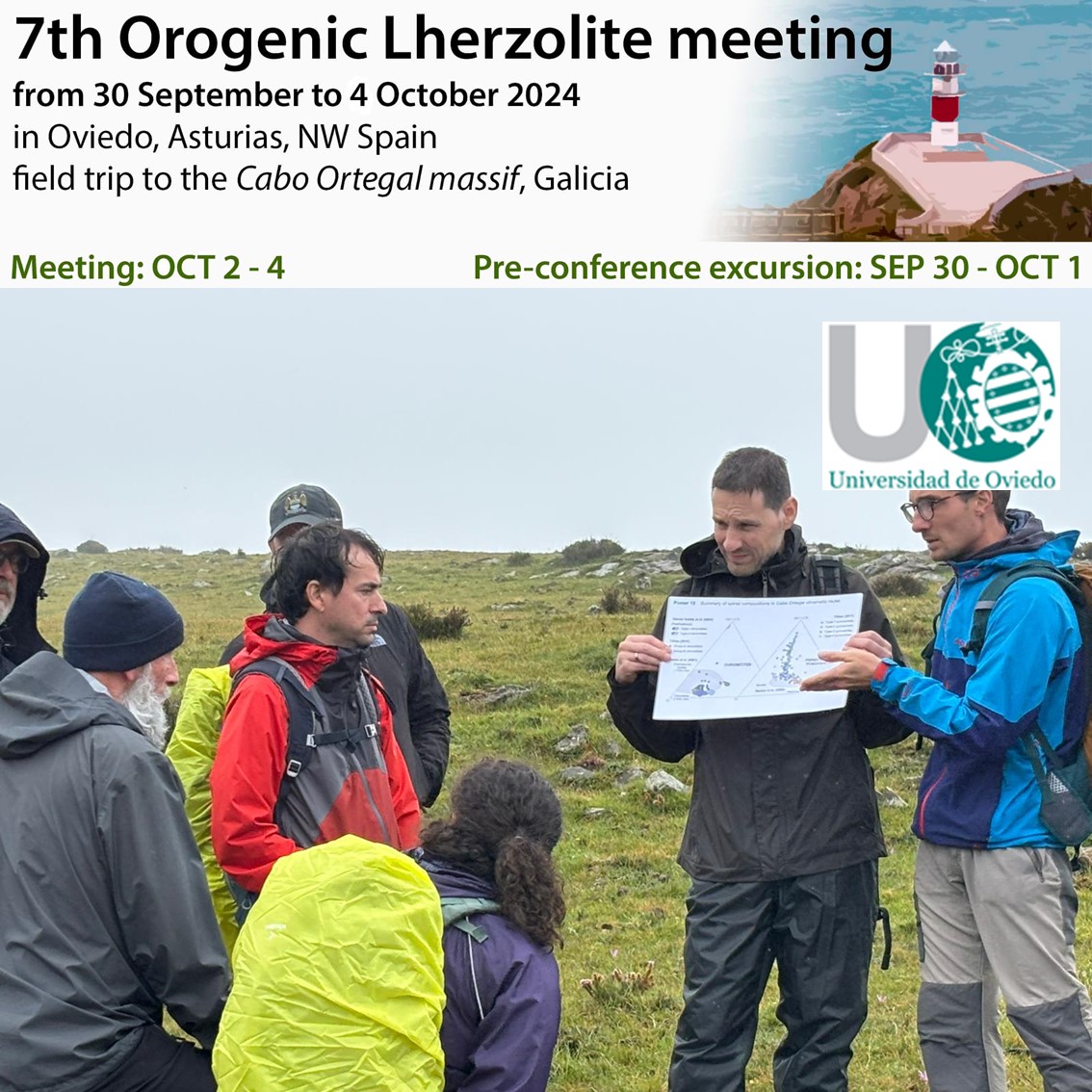
La Univ. de Oviedo acogió entre el 30-sep. y el 4-oct. el 7th Orogenic Lherzolite Meeting, organizado por Marco A. López y Sergio Llana. Del 30 de sep. al 1 de oct., tuvo lugar una excursión a la zona de Cabo Ortegal.
Enhorabuena a los organizadores y gracias a los asistentes
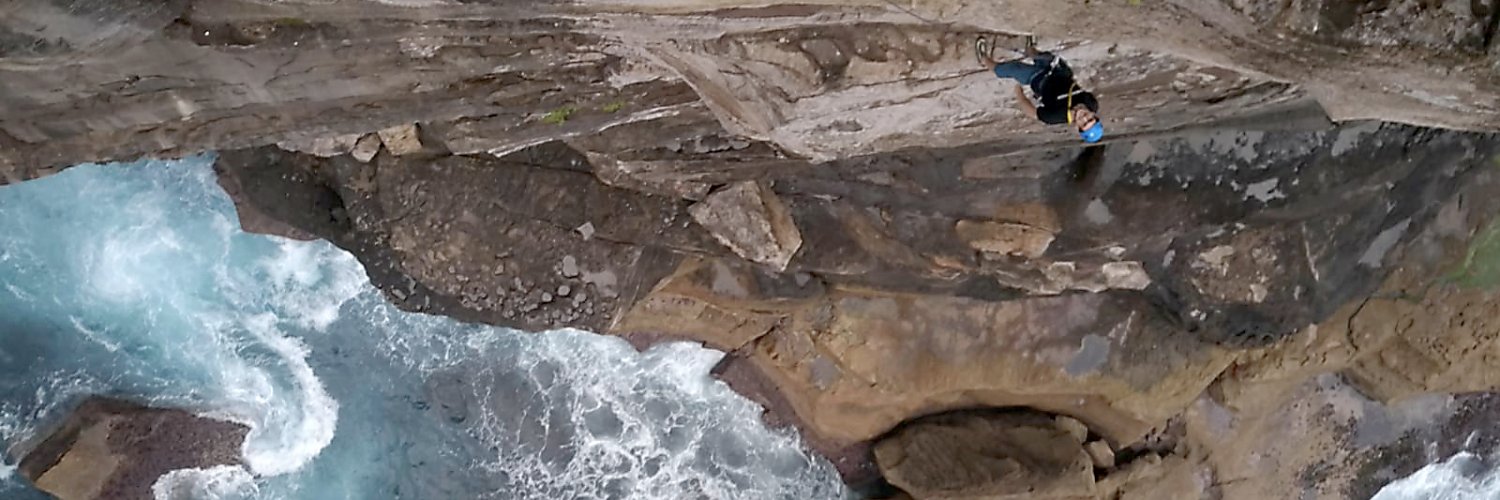
🤩Excited to lead the #lherzolite2024 field trip to the mantle section of the Cabo Ortegal Complex in just a month! Here's a teaser of one the outcrops we'll see, Galician weather allowing... ⛰️🌦️
Check out a light version of the Metashape 3D model on https://t.co/WXsr2Cl52M.
119 mm de pluie en 24 heures à l'aéroport de Dubaï. C'est 1,5 fois plus que ce qu'il tombe en un an.
L’impression qu’il y a un problème plus important que les activistes climat qui bloquent 5 min les routes..
The earthquake that struck Japan’s Noto peninsula on Monday was so strong that the coastline has moved up to 250 meters offshore due to significant land uplift.
@DJCManns I’d imagine (assuming enough degassing occurred) buoyancy to drop indeed and also viscosity to increase, intuitively delaying eruption, but not sure in which direction that would play upon further replenishment and mixing.
𝗛𝗼𝘄 𝗮 𝗦𝗶𝗻𝗴𝗹𝗲 𝗟𝗶𝗻𝗲 𝗢𝗳 𝗖𝗼𝗱𝗲 𝗕𝗿𝗼𝘂𝗴𝗵𝘁 𝗗𝗼𝘄𝗻 𝗔 𝗕𝗶𝗹𝗹𝗶𝗼𝗻 𝗗𝗼𝗹𝗹𝗮𝗿 𝗥𝗼𝗰𝗸𝗲𝘁
On June 4, 1996, the European Space Agency (ESA) launched the Ariane 5 rocket for the first time, marking a significant moment in the history of space exploration. This mission was not without difficulty, though, as 𝗮 𝘀𝗶𝗻𝗴𝗹𝗲 𝗹𝗶𝗻𝗲 𝗼𝗳 𝗰𝗼𝗱𝗲 𝗿𝗲𝘀𝘂𝗹𝘁𝗲𝗱 𝗶𝗻 𝗮 𝗰𝗮𝘁𝗮𝘀𝘁𝗿𝗼𝗽𝗵𝗶𝗰 𝗳𝗮𝗶𝗹𝘂𝗿𝗲 and the loss of the entire cargo, which was worth almost half a billion euros.
Two communication satellites were intended to be transported into geostationary transfer orbit by the Ariane 5. Up until the rocket deviated off track and burst 37 seconds into the flight, the launch was going smoothly. 𝗔 𝘀𝗼𝗳𝘁𝘄𝗮𝗿𝗲 𝗳𝗹𝗮𝘄 𝗶𝗻 𝘁𝗵𝗲 𝗴𝘂𝗶𝗱𝗮𝗻𝗰𝗲 𝘀𝘆𝘀𝘁𝗲𝗺, which was in charge of regulating the rocket's course, was found to be the root of the disaster. The Ariane 5 launch is acknowledged as one of the most expensive software failures in history. The destruction of the scientific satellites delayed scientific research into the workings of the Earth's magnetosphere for almost 4 years.
𝗪𝗵𝗮𝘁 𝘄𝗮𝘀 𝘁𝗵𝗲 𝗰𝗮𝘂𝘀𝗲?
A dead part of code from the last Ariane 4 mission, which began almost ten years prior, contained a simple and fixable programming error. The rocket used a method known as the 𝗵𝗼𝗿𝗶𝘇𝗼𝗻𝘁𝗮𝗹 𝗯𝗶𝗮𝘀, sometimes known as the BH value, to identify whether it was pointing up or down. This was represented using a 64-bit floating-point variable, which the guidance system used to convert to 16 16-bit signed integers. A 64-bit variable can represent billions of values, while a 16-bit can represent only 65,535 values.
We know that integers are represented with the first bit used to store signs, and 16-bit integers can then be from -32,768 to 32,767. Yet, floating-point numbers are made to track a broader range of numbers, using the same numbers of bits between -1.8e+308 and -2.2e-308. If you try to store one into a 16-bit integer, it will be much out of the bound of a signed integer. So, what happened is a well-known 𝗶𝗻𝘁𝗲𝗴𝗲𝗿 𝗼𝘃𝗲𝗿𝗳𝗹𝗼𝘄.
One more contributing factor to the disaster was user requirements that Ariane 5 use a much steeper trajectory than previous ones, which resulted in a more incredible vertical velocity.
What are some takeaways from the disaster? 𝗮 𝗰𝗼𝗽𝘆-𝗽𝗮𝘀𝘁𝗶𝗻𝗴 𝗰𝗼𝗱𝗲 𝘄𝗶𝘁𝗵𝗼𝘂𝘁 𝘂𝗻𝗱𝗲𝗿𝘀𝘁𝗮𝗻𝗱𝗶𝗻𝗴 𝗶𝘁 (Cargo-cult) is a significant issue. Another is the omission of proper exception handling, neglecting changed user requirements, and the absence of appropriate tests.
#technology #softwareengineering #programming #techworldwithmilan #softwaredesign
Holy crap ...
"we call for an IPCC special report that focuses on the perilous climate feedback loops, tipping points, and—just as a precaution—the possible but less likely scenario of runaway or apocalyptic climate change."
https://t.co/aUTqcZ4VT3
Falling behind: postdocs in their thirties tire of putting life on hold.
Read the results of Nature’s second global survey of postdoctoral researchers https://t.co/jYxKuLT3B9
I'm so excited to share with you "Viewing the Rock World", an outreach project based on a 3D-printable thin section viewer that anyone can make! Looking for teachers, educators, student groups, anyone interested in participating! Check out https://t.co/PMPvvQsfu7 for more info.
📣For mantle lovers dealing with melt percolation and chromatography out there, you are probably familiar with the good old "plate model" from the 90's... I have a Matlab code available online that does it all, and we can always adjust it to your needs!
https://t.co/vPE9Fbv6g7
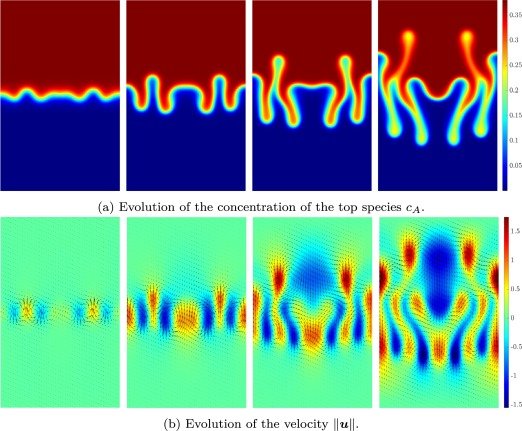
Numerical modellers!, you may be interested in the capabilities of this new hybrid FV method for modelling fluids, including systems of #geodynamic and #geophysical interest. The main advantage? Simple, versatile and fast! Codes available. https://t.co/awARrK9Cmf