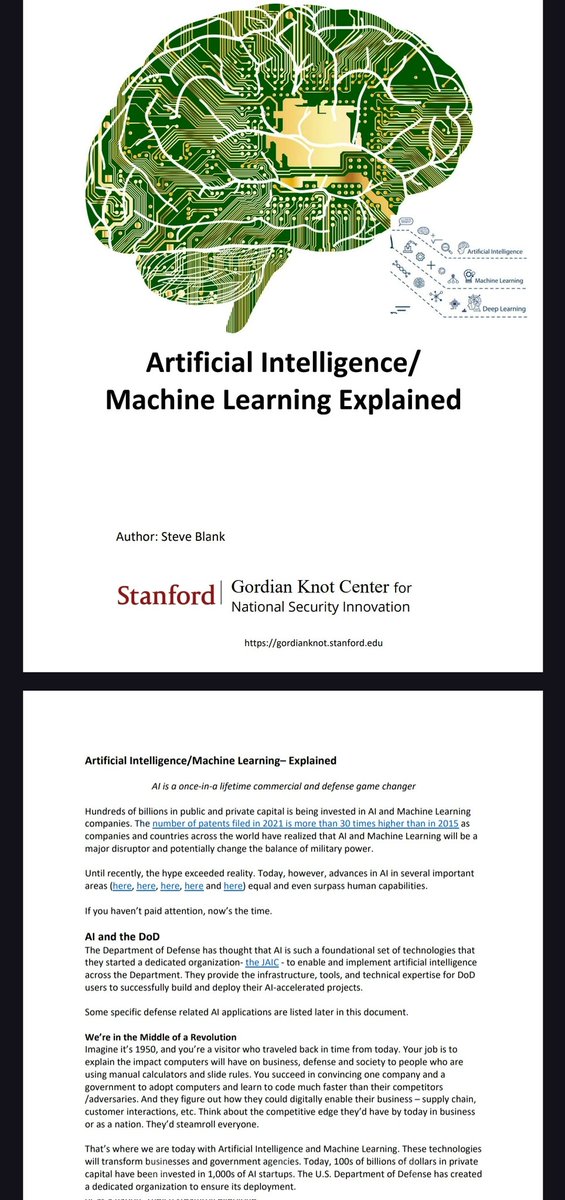
OpenAI, Harvard, Oxford and other top university paper shows GPT-5 already helps real scientists push forward actual research in several scientific fields across math, physics, biology, and more.
In several projects, GPT-5 helped prove 4 new math results and checked tricky steps that humans then fully verified.
GPT-5 has started actually helping solve fresh research problems.
The authors set up many small case studies where experts dropped GPT-5 into live work in mathematics, physics, astronomy, computer science, biology, and materials science.
In each case, GPT-5 suggested research ideas, filled missing proof steps, wrote and debugged code, searched the literature, and pointed out gaps in arguments.
Some examples are tightening a rule about safe step sizes in an optimization method, finding hidden symmetries in black hole equations, and explaining puzzling immune cell experiments.
Across these studies, GPT-5 is very good at step by step reasoning and exploring many options quickly, but it still makes real mistakes and cannot reliably judge if a result is correct.
Overall, the paper treats GPT-5 as a strong junior collaborator that saves expert time while humans still design the plan and carefully check every important step.
----
Paper – arxiv. org/abs/2511.16072
Paper Title: "Early science acceleration experiments with GPT-5"
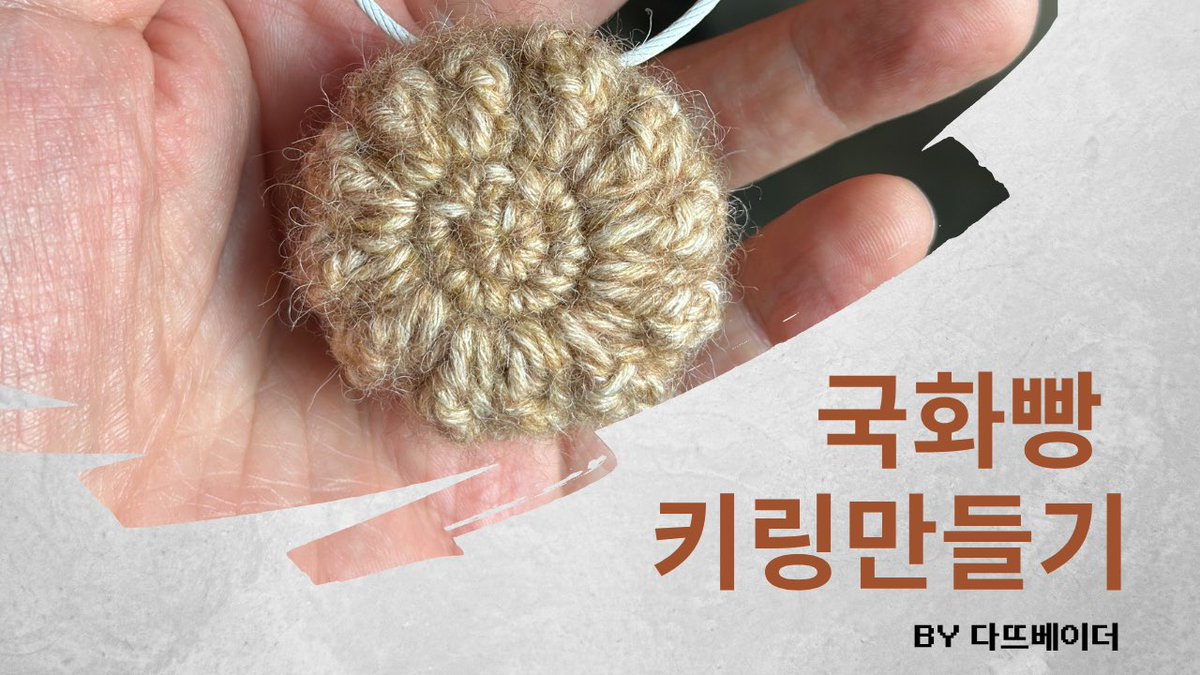
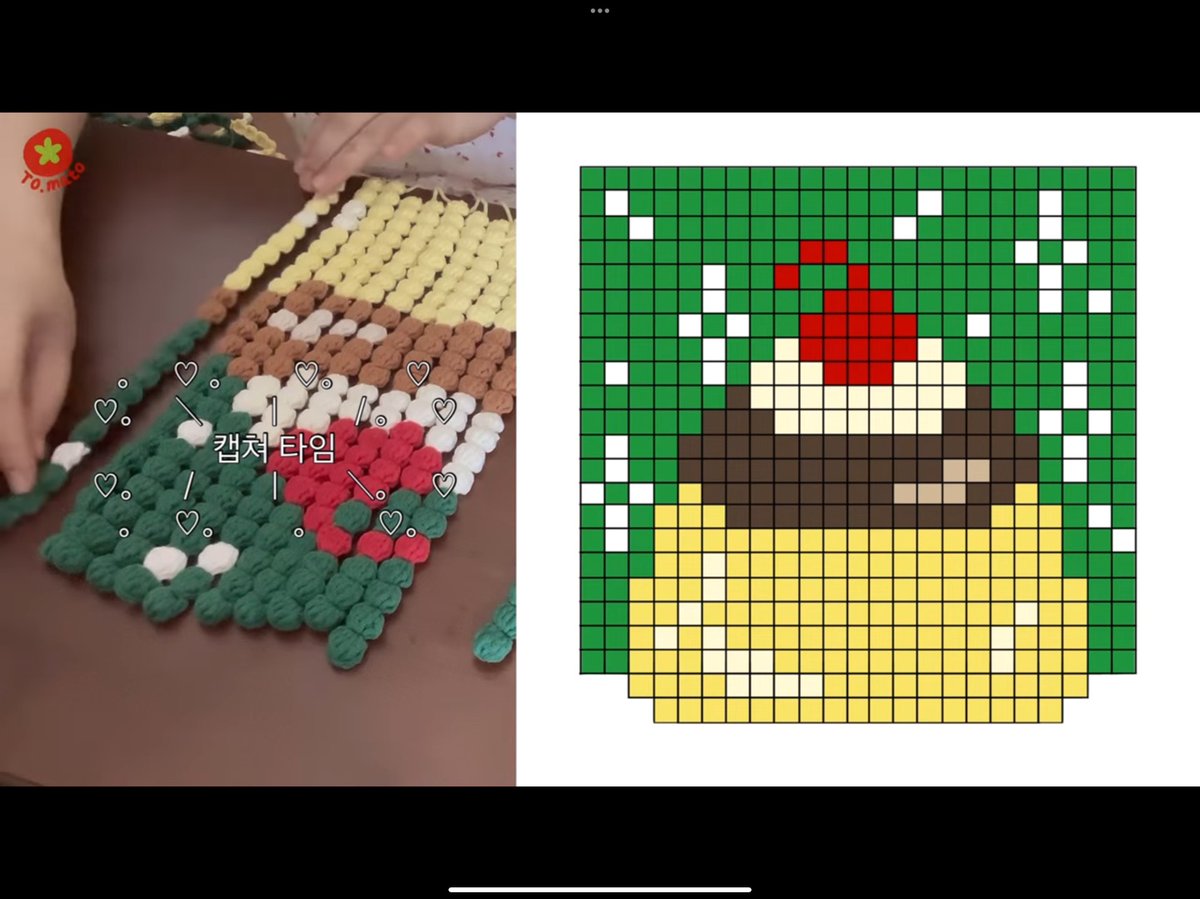
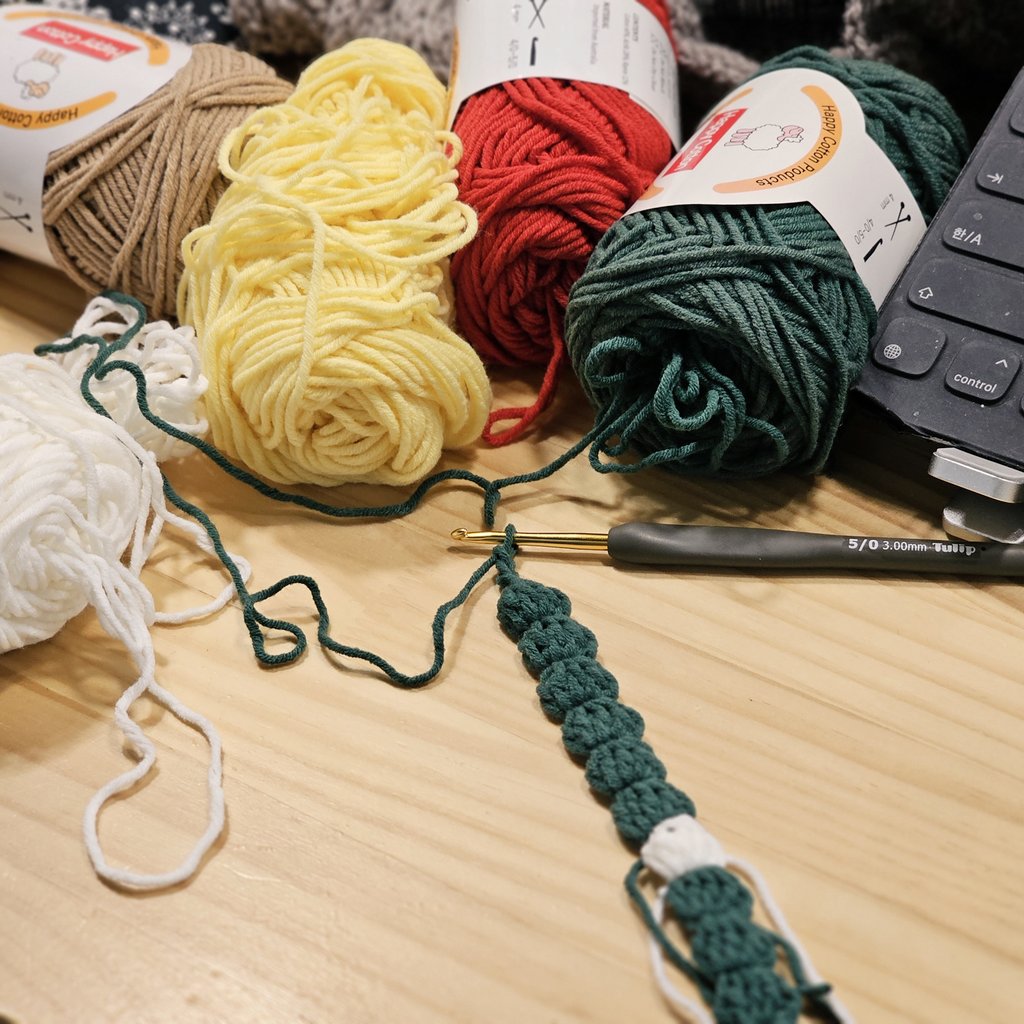
우리는 구매한 도안을 떠야할 의무가 있다
<책무자 뜨개편>
이미 구매한 도안 하나 뜨는 모임이에요.
쌓여가고만 있는 책&도안 떠보자는 취지에서 만들었어요.
10/10일시작12/10종료.
목표달성시 욘보스페이스 디저트 하나 무료+추첨으로 한분께 얀홀더드려요.
디엠주세요! 단톡방링크드림!
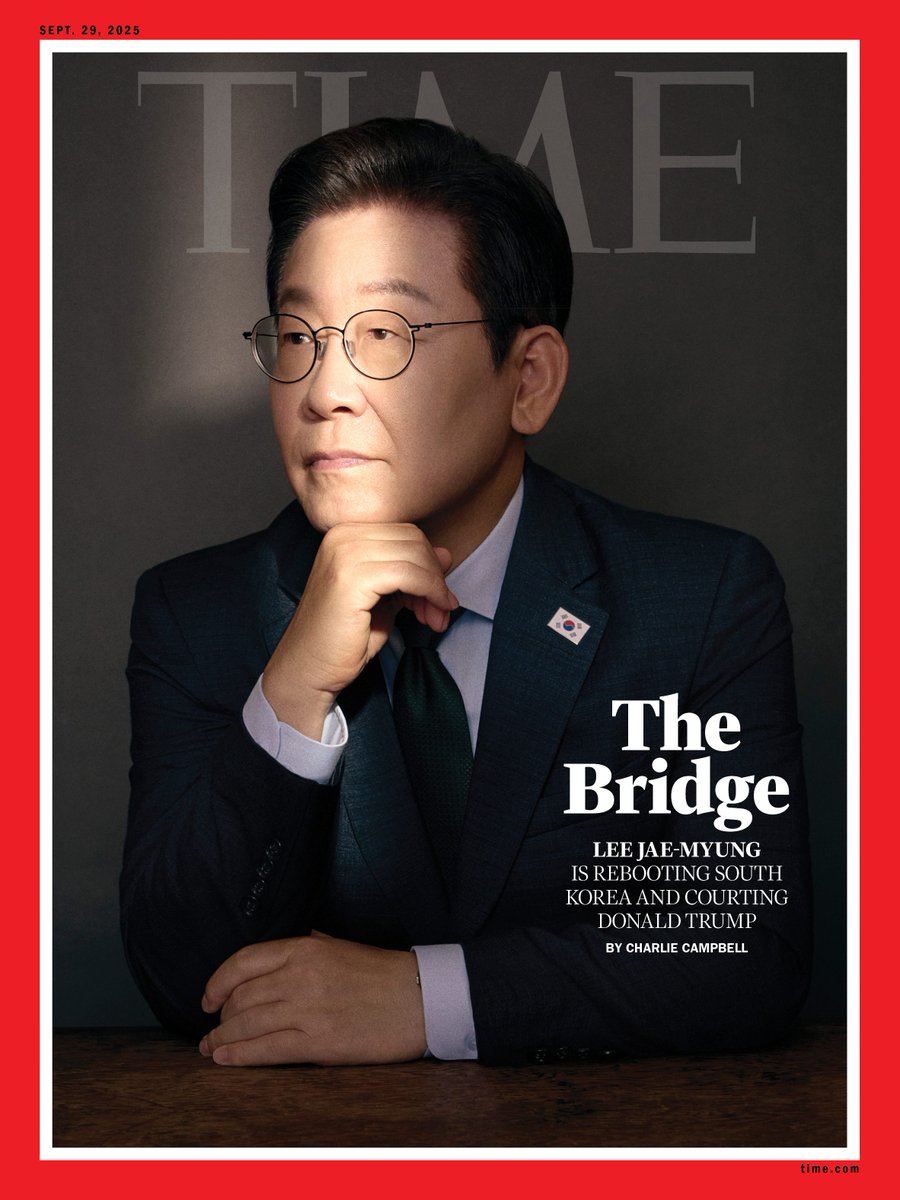
“Korean people have an indomitable will. Although there are many difficulties in front of us, I believe that we will be able to prevail.” South Korea’s President sits down with TIME in his only Western media interview since taking office https://t.co/zVRLgiEKt2






![HNFCorpOfficial's tweet photo. [가나디] 미니 탁상시계 런칭
책상 위에서는 탁상시계⏰ 외출할 땐 키링✨
무소음이라 사무실·도서관에서도 OK!
손바닥만 한 미니 사이즈로 더 귀여운 #가나디 탁상시계💛
지금 바로 #카카오선물하기 에서 만나보세요!
@roychefriends https://t.co/h34QJLUyM3](https://pbs.twimg.com/media/G07nk0ga4AAYh3k.jpg)
![HNFCorpOfficial's tweet photo. [가나디] 미니 탁상시계 런칭
책상 위에서는 탁상시계⏰ 외출할 땐 키링✨
무소음이라 사무실·도서관에서도 OK!
손바닥만 한 미니 사이즈로 더 귀여운 #가나디 탁상시계💛
지금 바로 #카카오선물하기 에서 만나보세요!
@roychefriends https://t.co/h34QJLUyM3](https://pbs.twimg.com/media/G07ni8XaEAEUHrt.jpg)