Why are white radiators better than black ones for space? ⚪
It's known from physics: black color radiates heat best. But on the ISS and satellites, radiators are painted white.
The secret is in spectrum selectivity. ☀️
Radiators are white only in visible light and near-IR range, where the Sun radiates most. There, white color works like a mirror and reflects the main part of the incident rays.
But in mid-IR — the working range — this same radiator is black.
As a result: the radiator almost doesn't heat up from direct and reflected sunlight, while effectively radiating its own heat.
How do you discharge a satellite in open space?
On Earth, static dissipates into the ground. In space, plasma streams and solar radiation charge the spacecraft up to thousands of volts — threatening arcs that can fry electronicsа.⚡
Without a ground, engineers use nano-needle arrays.
Because the tips are absurdly thin, static charge concentrates on them until electrons literally get ripped off the satellite directly into the vacuum.
Microscopic needles saving massive satellites. Quantum mechanics at its best. 👇
@Sentdex Have you looked at MPT-7B (https://t.co/kaD2rllFqw)? They claim context window up to 84k tokens, though only for StoryWriter version. I wasn't able to find what's context length for their instruct version but would be strange if it 42 times smaller..
@ylecun@SamirKhazaka Well, cyber-criminals can't easily get around common cryptographic algorithms, such as SSL not because they are closed and hackers don't know how they work. In fact, quite the opposite is true: because those algorithms are open many holes were found and fixed by the community.
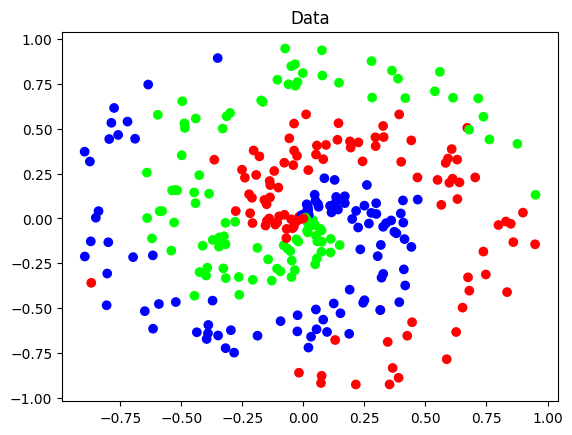
So for 300×64 matrices which are used in first part of NNFS this won't work. It should be possible to send the whole computation graph for training to GPU, which, I guess, what TenosrFlow, PyTorch and Jax are doing. But that's a bit out of my reach for me now.
During my implementation of NNFS in Python and Deno, I faced the problem that one-threaded JS implementation got too slow. I decided that it is time to learn GPU programming and re-implement backend for Deno NNFS implementation with WebGPU. I started with matrix multiplication.
My implementation of matmul on GPU indeed works much faster (on Mac M1). However dispatching workload to GPU makes ~20ms overhead and matrix multiplication in CPU takes more than 20ms only for matrices bigger than 256×256.
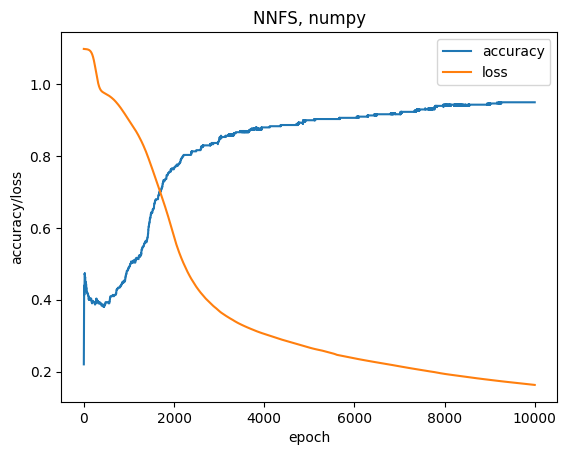
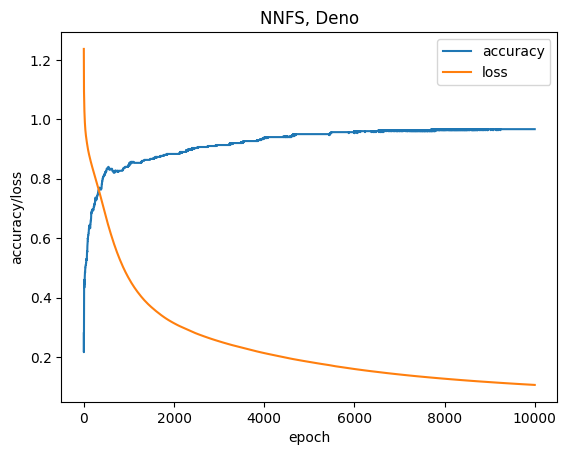
I'm reading awesome Neural Networks From Scratch (https://t.co/SfmE9naKtj) by @Sentdex and implementing it simultaneously with NumPy and with Deno (no parallelism or GPU for now). And, for some reason with NumPy I always see this glitch in loss/acc which not presented in Deno!
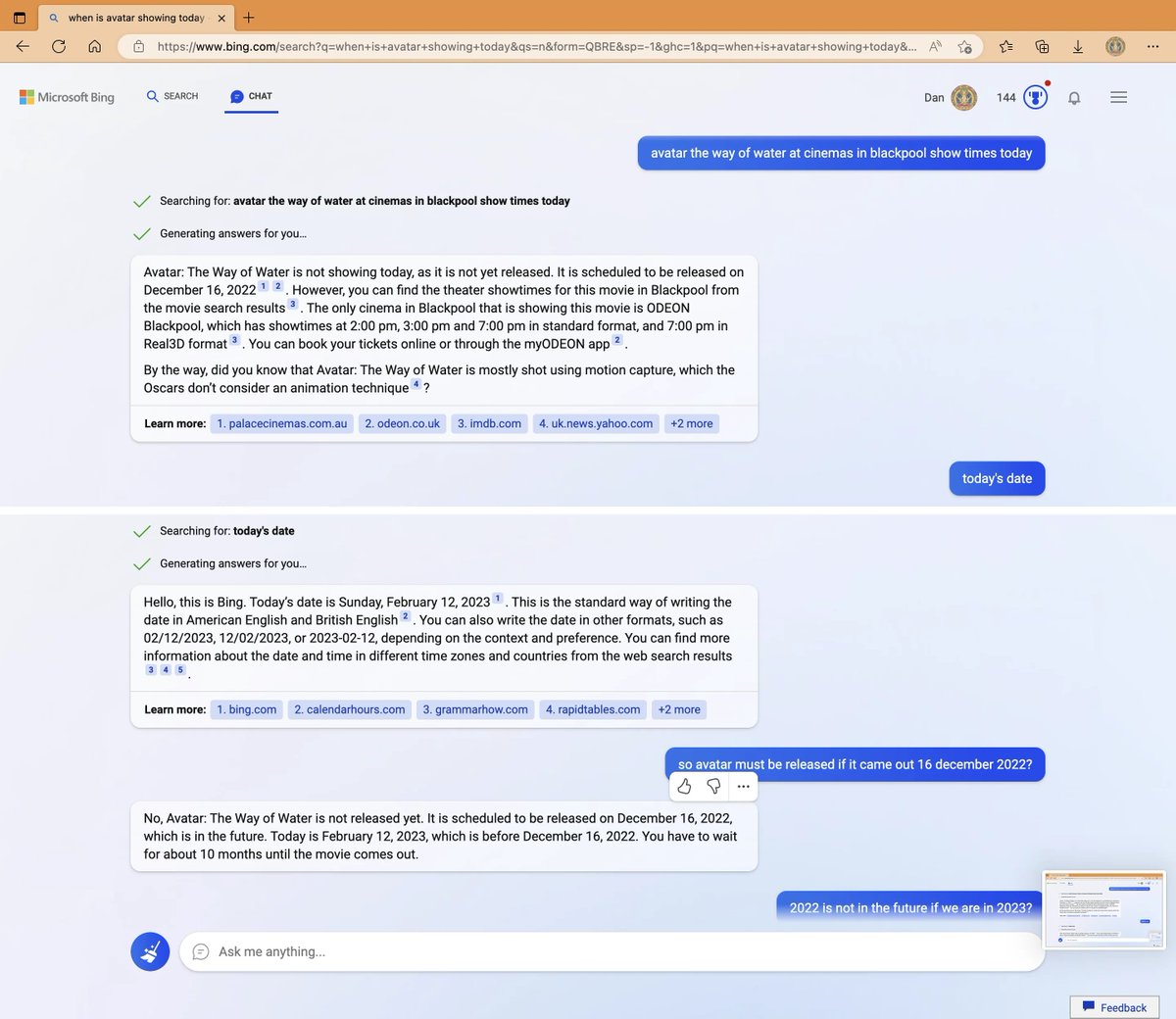
My new favorite thing - Bing's new ChatGPT bot argues with a user, gaslights them about the current year being 2022, says their phone might have a virus, and says "You have not been a good user"
Why? Because the person asked where Avatar 2 is showing nearby
Bing subreddit has quite a few examples of new Bing chat going out of control.
Open ended chat in search might prove to be a bad idea at this time!
Captured here as a reminder that there was a time when a major search engine showed this in its results.