Officially 1 month since I switched to a flip phone.
- Everyone is more severely addicted to their smartphones than I thought. Once you have a dumbphone, you'll frequently find yourself as the only person in the room not on their phone. It's not just teenagers, it's parents and adults of all ages. It's like everyone is stuck in a trance. 75+ year olds might be the only exception.
- All the objections I previously had for getting a dumbphone have turned out to be overblown and/or solvable. My iPhone addiction had fed my brain excuses to not do this earlier. If you really want to make the switch, you can.
- I've felt embarrassed to pull out my flip phone in public at times, for fear of being different or drawing too much attention to myself. But I have learned to just own up to it. Most people end up saying something like "Oh, I probably should do that too."
- I am using my brain more. Even though my flip phone has Waze, I find myself memorizing maps and roads. I'm more bored and get lost in my thoughts. I'm using paper and pen more. Increased desire for tangible things > digital things.
Overall, it has been a great experience and I plan on never going back.
Just occurred to me this is the first time in my lifetime I can remember a billionaire funding a valuable public works project. Andrew Carnegie funded like 2000 libraries alone lol
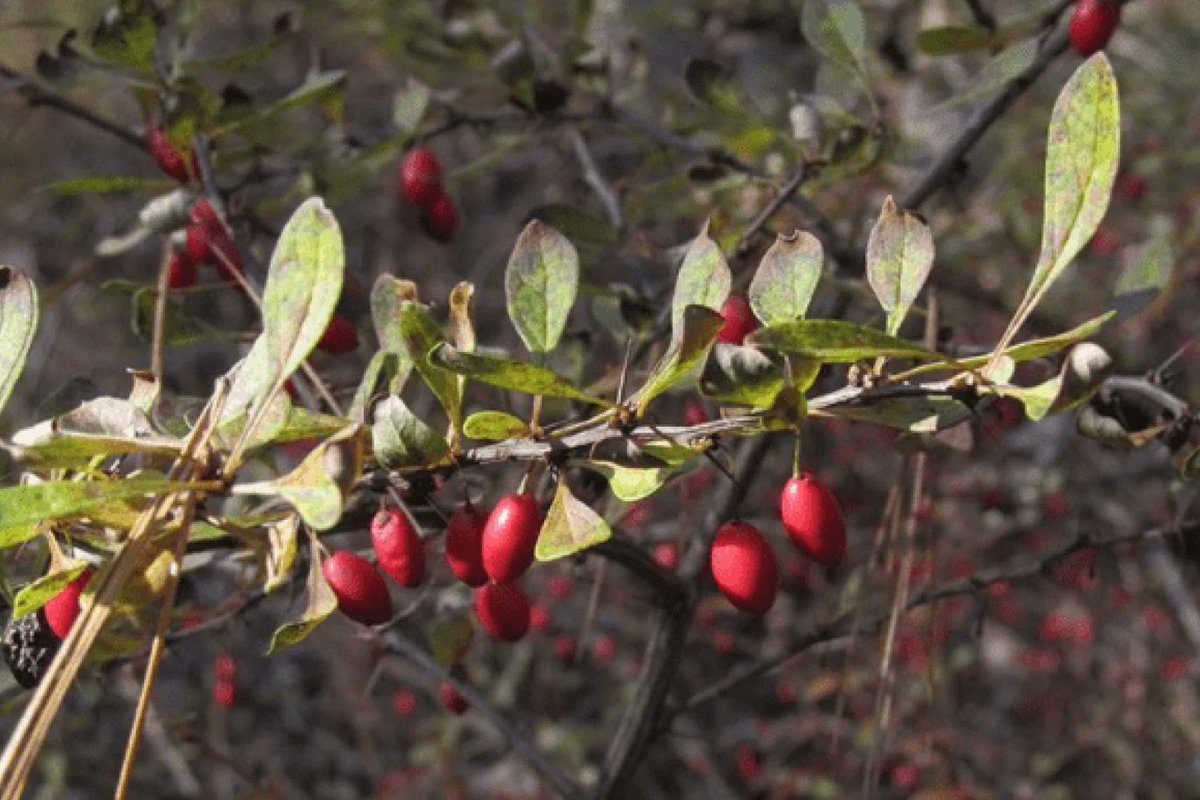
Japanese barberry is the invasive shrub that throws gasoline on your local tick population.
This popular landscape plant from Japan, sold at garden centers for decades, creates the cool, humid microclimate ticks thrive in. Its dense thorny thickets also shelter white-footed mice, the main reservoir for Lyme disease bacteria.
Connecticut researchers found that an acre of forest with Japanese barberry averages 12 times more Lyme-carrying ticks than an acre without it.
If you have it, pull it. New York and Connecticut have banned its sale. Several more states list it as invasive. Native alternatives like inkberry, winterberry, or chokeberry do the same landscape job without raising tick populations or starving local birds of the food they need.
A pretty shrub from Japan isn't worth all the tick drama.
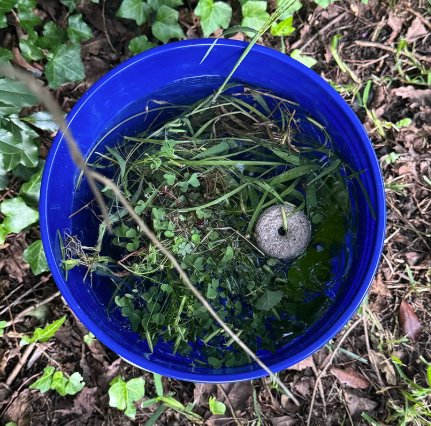
You can crash your yard's mosquito population without spraying a single chemical with a Mosquito Bucket of Doom.
Fill a 5-gallon bucket about two-thirds with water. Drop in a handful of grass clippings, leaves, or hay. Let it sit for a day, then drop in a Bti dunk (also called Bacillus thuringiensis israelensis, sold at any hardware store as "mosquito dunks," about $10 for six).
Mosquitoes are powerfully attracted to fermenting water and will lay their eggs in your bucket. Bti is a naturally occurring soil bacterium that produces a toxin that kills mosquito, blackfly, and fungus gnat larvae only.
This method doesn't harm bees, butterflies, fireflies, fish, frogs, birds, pets, or people. BTI dunks are EPA-approved for organic use and safe in animal water troughs and birdbaths.
One dunk lasts about 30 days. Top off the water as it evaporates. Cover with 1/2-in Mesh Hardware Cloth to prevent animals from getting trapped and put the bucket somewhere shady where pets and kids won't get into it.
The bucket becomes a mosquito magnet and a dead end. Compare that to fogging the entire yard with pyrethroids, which kills every insect in it, including the predators that eat mosquitoes.
Doug Tallamy's Homegrown National Park has been running the "Mosquito Bucket Challenge" since 2021. The more buckets in a neighborhood, the bigger the dent. One bucket per yard is a great start.
@Adambinks@Ryanair Had this exact issue today. The man made us look at it from the side and it was sticking out over the metal bit. It’s nonsense tho cos that bag fits perfectly into the overheads so just another scam