Mickiewicz, Achaemenids, Arsacids, Sasanians, Napoleon III & Eugénie, anime, old/new Rome, Tolkien, old maps, Asa Mitaka | Art & history, comments on everything
"Isolde, the Celt Princess" (1911) by Gaston Bussière (1862–1929). Isolde, or Iseult, was an Irish princess, the daughter of King Anguish of Ireland and Queen Iseult the Elder. Later known as Iseult the Blonde, she became one of the central figures in the legendary, and rather unfortunate, love story.
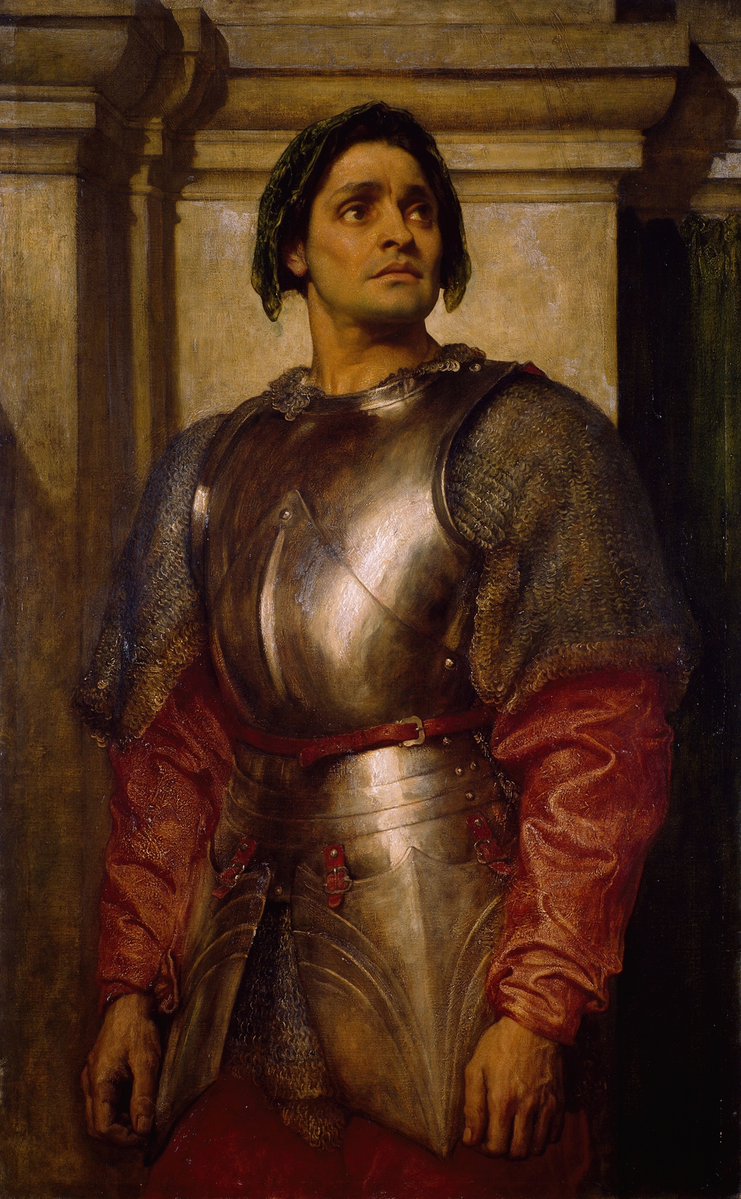
"A Condottiere" (1871–1872) by Frederic Leighton (1830–1896). Being a mercenary captain in Renaissance Italy probably wasn't the safest career choice. A short life was always a possibility, but at least it promised plenty of adventures, battles and interesting stories.
"The Sculptor's Model" by Angelo von Courten (1848–1925). She's posing among classical sculptures, looking rather unimpressed with the whole arrangement.
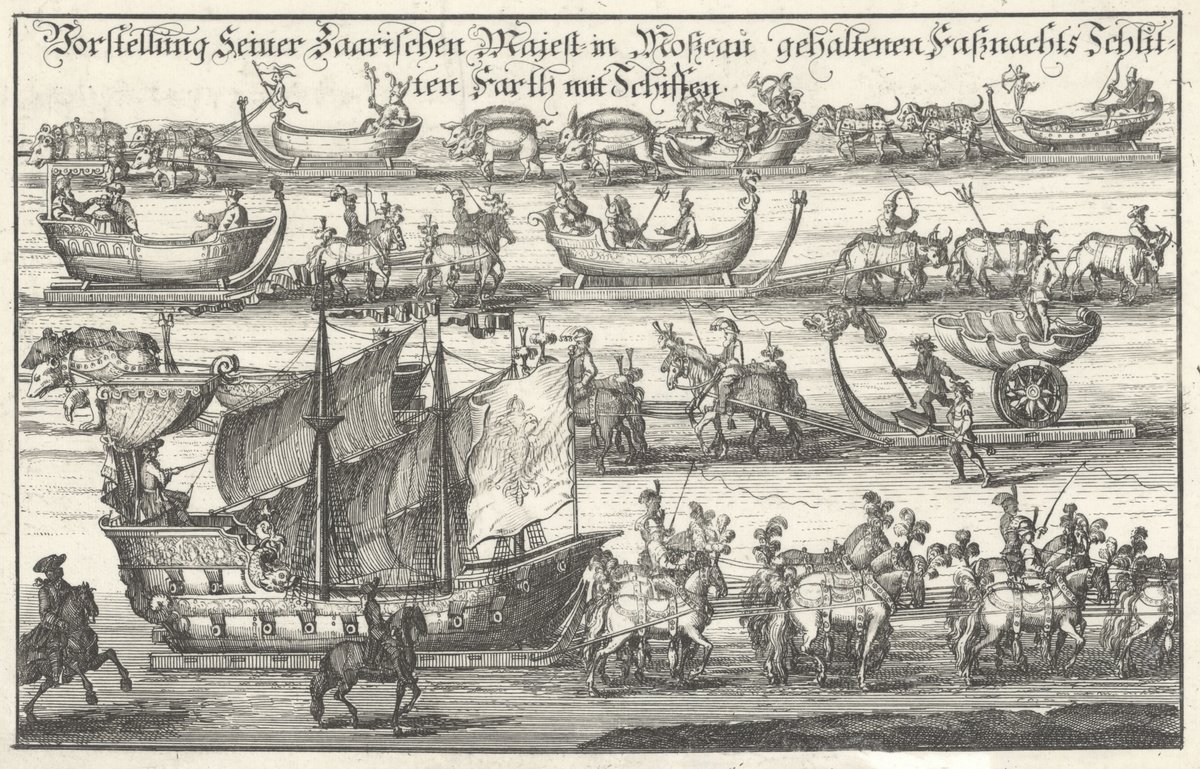
"The Shrovetide Sleigh Procession with Ships Held in Moscow in the Presence of His Tsarish Majesty" (1722). A glimpse of Russian court festivities under Peter the Great: a carnival procession featuring elaborate sleighs, ships, horses, banners, bears and even a figure of Neptune.
"To His Most Serene and August Majesty Peter Alexovitz, Absolute Lord of Russia, etc. This Map of Moscovy, Poland, Little Tartary, and the Black Sea, etc. Is Most Humbly Dedicated" (1722) by Herman Moll (c. 1654–1732), published in London. This impressive copper engraving measures 61 × 97 cm and combines a large regional map with three insets showing northern Russia, the Volga River and the approaches to the Sea of Azov. The elaborate title cartouche features the Russian imperial coat of arms, allegorical figures and a portrait of Peter I. Moll claims that much of the Russian section was prepared by order of the Tsar, using surveys conducted by Vice-Admiral Cornelius Cruys and other officers, and incorporates corrections by Captain John Perry. Three different systems of measurement are provided: British miles, Muscovite versts, and Polish and German leagues.
"Jeanne d’Arc" (1900) by Ernst Stückelberg (1831–1903). Somehow I managed to miss this portrait of Joan of Arc, and I'm a huge fan. Fun fact: if you look closely at the background, there's something that looks suspiciously like the Eiffel Tower.
"Portrait of Eliza O’Neill (1791–1872), Actress, as Juliet" (c. 1830s) by Samuel Lover (1797–1868). Eliza was a celebrated Irish actress who made a sensation as Juliet at Covent Garden in 1814. She retired from the stage just five years later, after getting married. A lovely portrait of a woman who apparently decided that one successful theatrical career was quite enough.
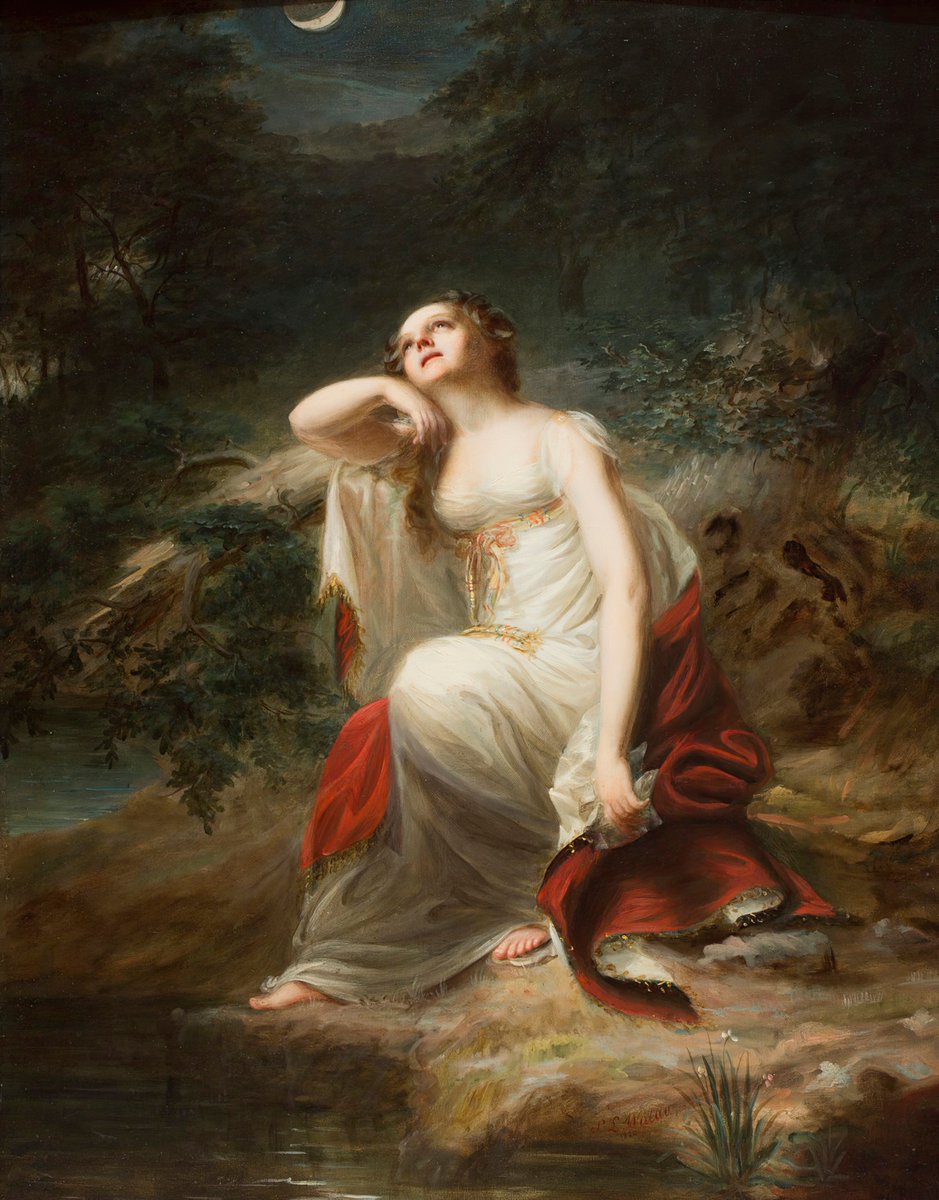
"Despair" (1820) by Samuel Lovett Waldo (1783–1861). Despair is never a good thing, of course, but it does make for an interesting portrait. Not everyone can pull off looking this miserable and still be worth looking at.
Gdyby PSL było wielką międzynarodową korporacją, ich corporate values wyglądałyby mniej więcej tak:
Accountability: odpowiedzialność zbiorowa, czyli ostatecznie niczyja.
Transparency: nie widzimy potrzeby wyjaśniania oczywistości.
Consistency: robimy swoje, niezależnie od tego, kto akurat rządzi.
Stakeholder Management: wszyscy wiedzą, jak jest, więc wszyscy są zadowoleni.
Brand Loyalty: reputacja nie jest czymś, czym należy się przejmować.
"Human Figure Surrounded by the Symbols of the Zodiac" (1721–1730). A small woodcut, measuring just 10 × 8.1 cm, bringing the twelve zodiac signs together around a human figure. A compact astrological image from the early 18th century.
"Symbolic Portrait of John III Sobieski and John II Casimir" (1721). This 16.5 × 12.5 cm etching and copper engraving appeared as the frontispiece to the thirty-ninth conversation in Gespräche in dem Reiche derer Todten, published in Leipzig. Its German inscription reads: He whom Fortune wishes to raise will not remain in the monastery.
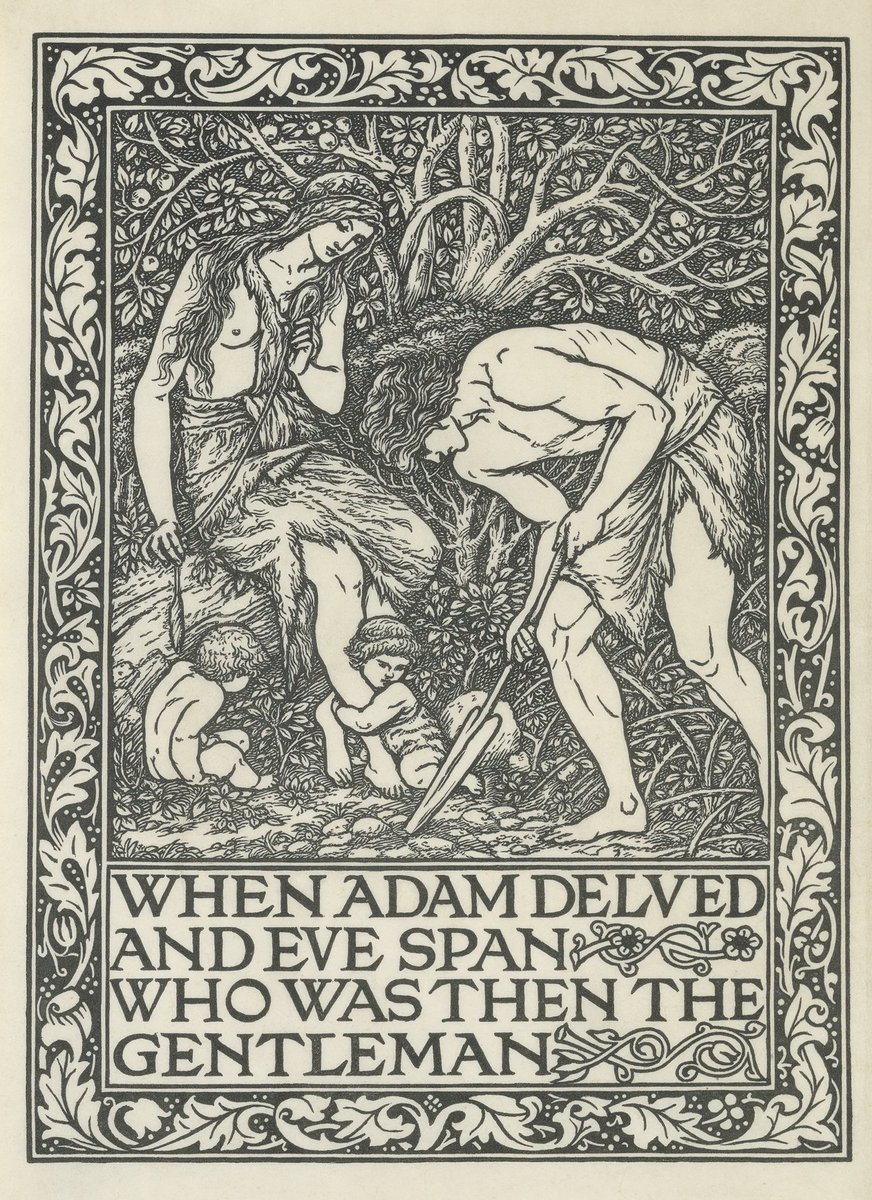
"A Dream of John Ball; and, A King's Lesson" (1892) by Edward Burne-Jones (1833–1898). Adam digging, Eve spinning, and a rather inconvenient question for the aristocracy: if we all descend from the same two people, who decided some of us were born to rule and others to work?
@PanP23929 To jest piękne uniwersum. Nie ma co hejtować tej estetyki i tych pomysłów. Jest w tym coś surrealistycznego, jakaś poezja na granicy snu i absurdu, gdzie nawet najbardziej osobliwe wizje układają się w zaskakująco spójną całość.
"Portrait of John Frederick the Magnanimous, Elector and Duke of Saxony" (1533) by Lucas Cranach the Elder (1472–1553). What a magnanimous portrait. He certainly looks pleased with himself. One can only hope he lived up to the title.