I was reflecting on the contrasts with China that the sorry, shabby Loomer episode illustrates.
The contrast I refer to is not about openness versus control. It is about attitudes toward hierarchy and self-respect in public life.
What Kissinger noticed in 1971 about India was was a tendency toward obsequiousness when confronted with Western power or proximity to it. That instinct has deep historical roots. The word “khushamd” in Persian and Urdu literally means flattery offered to please someone in authority. In everyday usage it shades into something darker: ingratiation, calculated praise, the art of pleasing those above you in the hierarchy. British administrators in colonial India became fascinated by the term because they believed it captured a social habit they encountered repeatedly in courtrooms, durbars, and bureaucratic dealings.
For two centuries the subcontinent lived under imperial structures in which advancement often depended on pleasing those above you in the hierarchy. The habits of speech that develop in such systems do not disappear overnight.
In a rigid hierarchy where power flows sharply from the top, people learn quickly that bluntness is risky. Survival and advancement depend on reading the moods of authority. Language becomes lubricated with praise because praise reduces friction. Over time this produces a political culture where deference becomes a technique.
China travelled through a very different historical arc.For most of its long imperial history China regarded itself as the civilisational centre. Foreign envoys were received within a carefully staged hierarchy in which the emperor’s court defined the terms of interaction. Visitors were expected to show deference to China, not the other way around. Even when China weakened in the nineteenth century, that cultural memory did not vanish. It remained embedded in the political reflexes of the state.
This difference becomes visible when modern outsiders arrive carrying the aura of Western political celebrity. In India the reception often slips, almost unconsciously, into a familiar pattern: excessive politeness, warm praise, eager listening, and visible admiration. Panels become stages of affirmation rather than interrogation. The visitor is not merely hosted; they are subtly elevated.
China almost never allows this dynamic to emerge.
Chinese officials may be courteous but the tone is controlled and emotionally neutral. Praise is sparse. Questions are disciplined. The visitor’s importance is carefully calibrated so that it never exceeds the authority of the host institution or the state itself. Even globally powerful figures encounter this restraint.
One can see it in how Chinese leaders treat Western visitors. They rarely flatter. They do not perform admiration. They project calm authority and expect the guest to adjust to that frame.
In other words, status flows inward toward the state, not outward toward the visitor.
In India the flow often reverses. The visitor’s celebrity radiates outward, shaping the atmosphere of the encounter. A social media provocateur can suddenly appear larger than the forum that invited them.
This is what gives the Loomer episode its uncomfortable undertone. The issue is not free speech or the right to host controversial figures. Democracies must live with those realities.
The issue is the tone of reception.
When a platform meant for national conversation begins to resemble a stage on which outsiders are indulged and admired, the imbalance becomes visible. It is the same imbalance that Kissinger detected decades ago when he described Indians as masters of flattery.
China’s instinct would have been the opposite. A confident civilisation listens, questions, and reminds the guest that they soeak on someone else’s stage.
#IndiaTodayConclave
#Khushamdi
#PoliticalCulture
#IndiaUSRelations
#CivilisationalConfidence
#SoftPower
#IndiaChina
chinese imports of russian oil now at a record high of two million barrels a day.
result of india cutting off their purchases, russia offering discounts, and the united states unprepared to sanction the chinese.
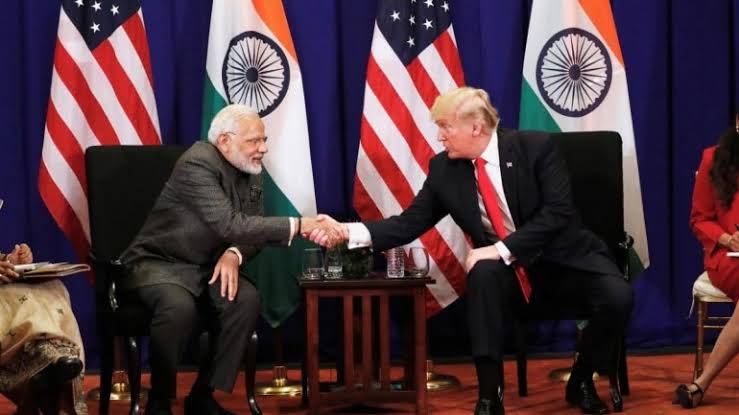
Watch #TheBreakfastShow with @DishhaBagchi | India-US trade bridge strengthens, both countries inch towards historic trade deal
Ronak D Desai (@ronakdd), Visiting Fellow, Stanford University shares his views
@VishnuNDTV @AdityaRajaKaul @priyankadeo
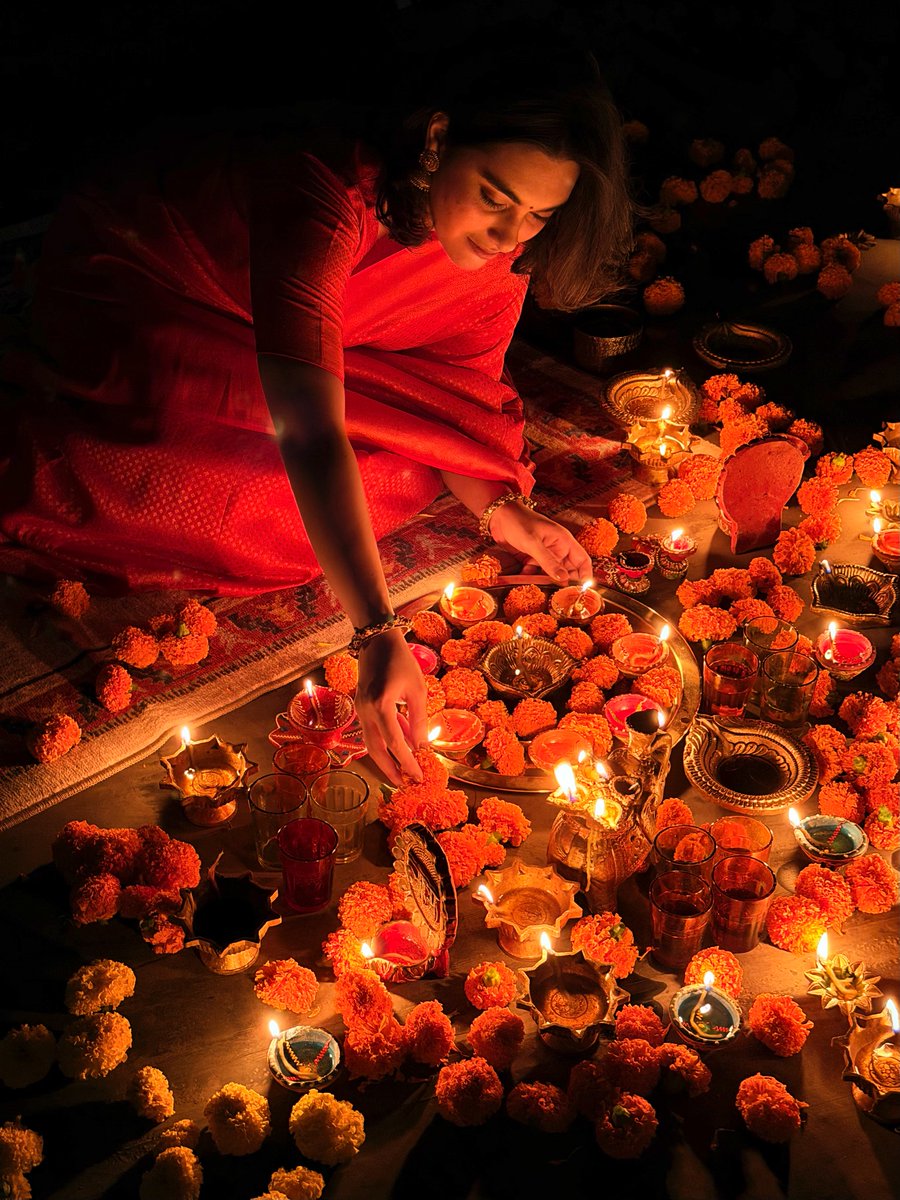
Wishing a joyful and healthy Diwali to all celebrating around the world! Thanks to Apeksha Maker for sharing this stunning photo taken on iPhone 17 Pro Max.
When I was first sworn in twelve years ago, I was the sole Indian American Member of Congress and only the third in U.S. history.
Now, our coalition is six strong!
I am excited to welcome even more Indian Americans to the halls of Congress in the years to come!
When people think of menswear crafted with a high-degree of workmanship, they think of places such as France, Italy, and the UK. Some may think of Japan. But few will think of India, even though some of the most incredible workmanship is happening there now. Let me show you. 🧵
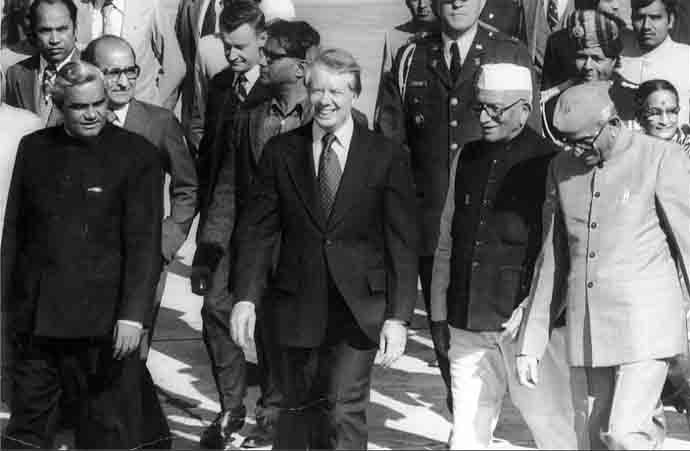
I just heard of the news about the passing of President Jimmy Carter. Those of us who have been fortunate to have served as President understand this is a very exclusive club, and only we can relate to the enormous responsibility of leading the Greatest Nation in History.
The challenges Jimmy faced as President came at a pivotal time for our country and he did everything in his power to improve the lives of all Americans. For that, we all owe him a debt of gratitude.
Melania and I are thinking warmly of the Carter Family and their loved ones during this difficult time. We urge everyone to keep them in their hearts and prayers.
Jimmy Carter will be remembered for his compassion, his servant heart & his long post presidency record. He set an example of public service through Habitat for Humanity & international relief work. He was committed to Middle East peace which resulted with an accord with Egypt.
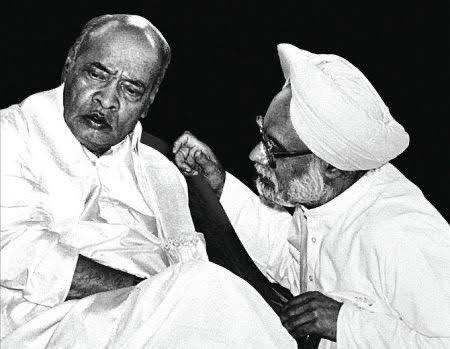
History was never unkind to MMS for who he was as a person, or his dignified nature. But he was always destined to be remembered fondly because he was too modest to ever claim any credit for his own role in bringing about changes that have reverberated throughout generations.
As a foreign service officer, a Congressman, and citizen, Jim Leach put country above party time and again. He was a dedicated public servant, and we were lucky to have him as part of my administration. Thinking of Jim’s family and friends today.
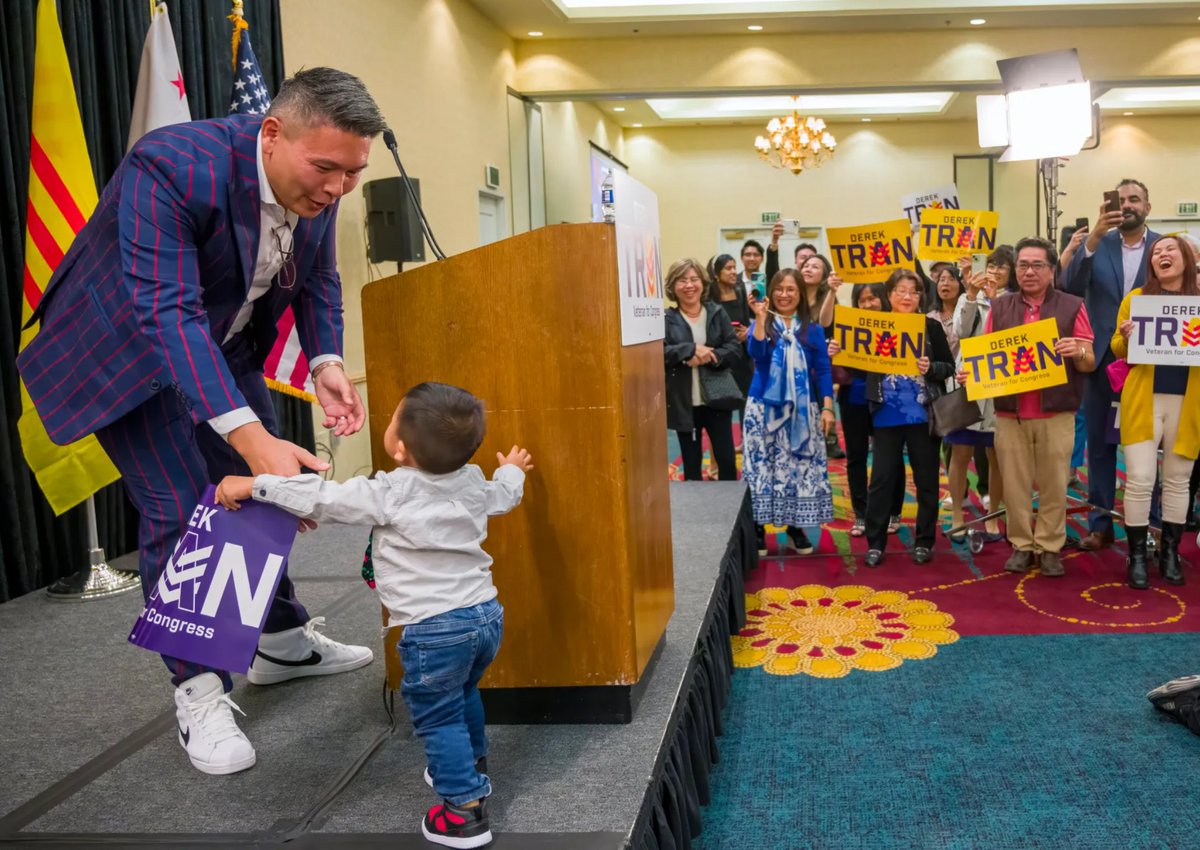
Only in America can you go from refugees fleeing with nothing but the clothes on your back to becoming a member of Congress in just one generation.
Today's count has made it clear: I am the winner of this race thanks to the resilience, spirit, and dedication of our #CA45 community and volunteers.
Read my full statement here: https://t.co/VSzG1vltap