Astronomy enthusiast and part-time science educator. Astrophotography, fun science facts, and more! (For my work as a music composer, follow @ronmallorymusic.)
Earlier this year I started a new business called AD ASTRA PLANETARIUM which does portable planetarium shows using an inflatable dome. Most of my science-related posts will be on that account moving forward; follow me at @aa_planetarium or visit https://t.co/DOKuEtQS2m.
Having fun this summer as one of the performers for Exploration Place's "Magic of Science" live science show. If you're in the Wichita area, come check it out! #science@ExplorationKS
@CareerExplo260 Apologies, haven't been on Twitter for a few weeks and just now saw this! Would be happy to be part of events like this as they come up in the future. (My regular contact info is at my website, https://t.co/J3KoLlU2zk.)
Got a quick snapshot last night of circumpolar #CometZTF, visible with binoculars between the Big and Little Dippers over the next week or so. #astrophotography
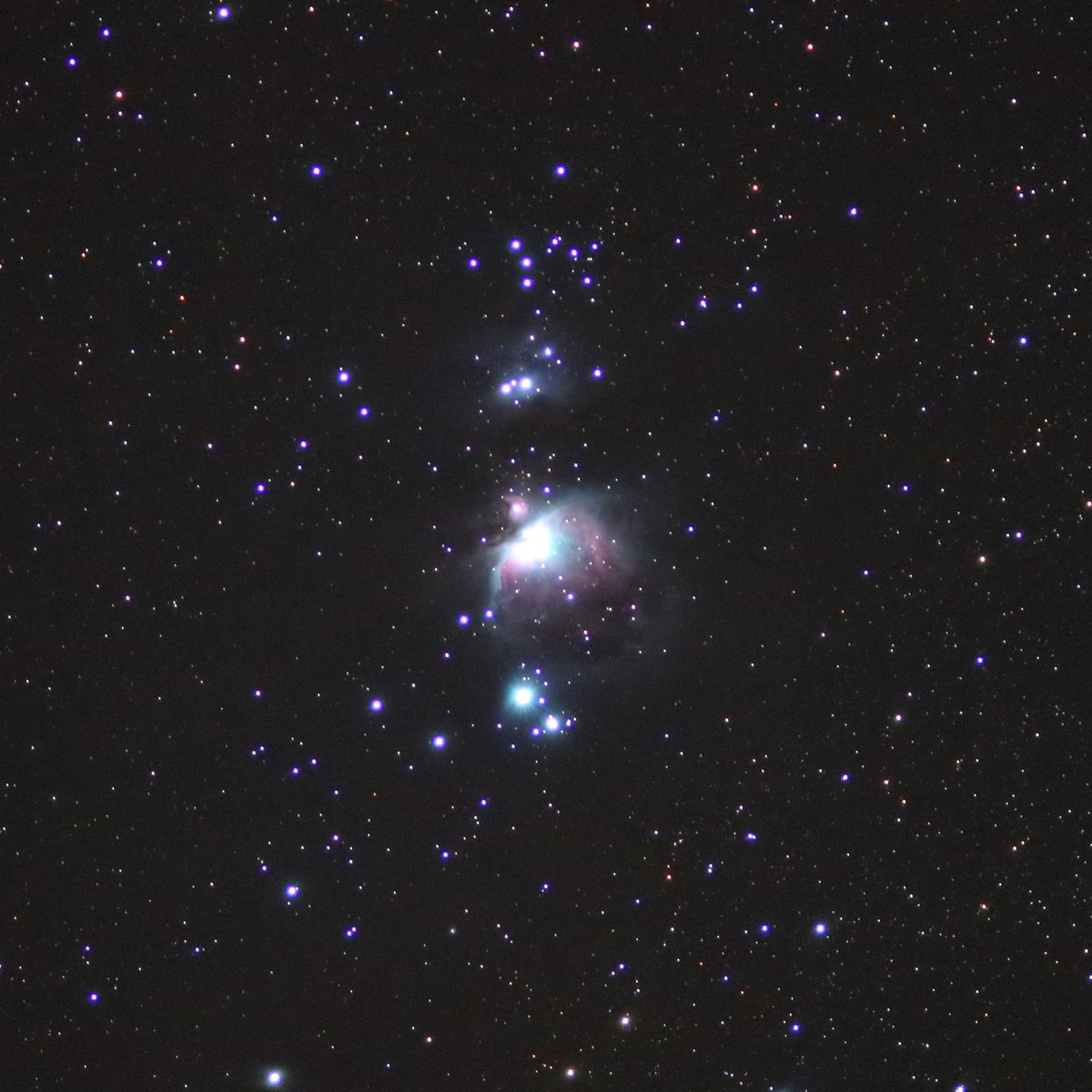
The famous Orion Nebula (M42) is a beautiful sight through even a small telescope this time of year. (135mm f/3, ISO6400, stack of 10 8-second exposures) #astrophotography#orion#nebula
If you're in the Wichita area, join me next week as I present a series of portable #planetarium shows at the Advanced Learning Library (711 W. 2nd St.)! Advance registration required: https://t.co/x3qSk9jJrw
If you're in the #Wichita area, join me Tuesday night 10/4/22 at 6:30pm at the @MulvaneLib for my #science magic show "Unexpected Science!" Free admission for all ages. https://t.co/hpEy6n5Vxm
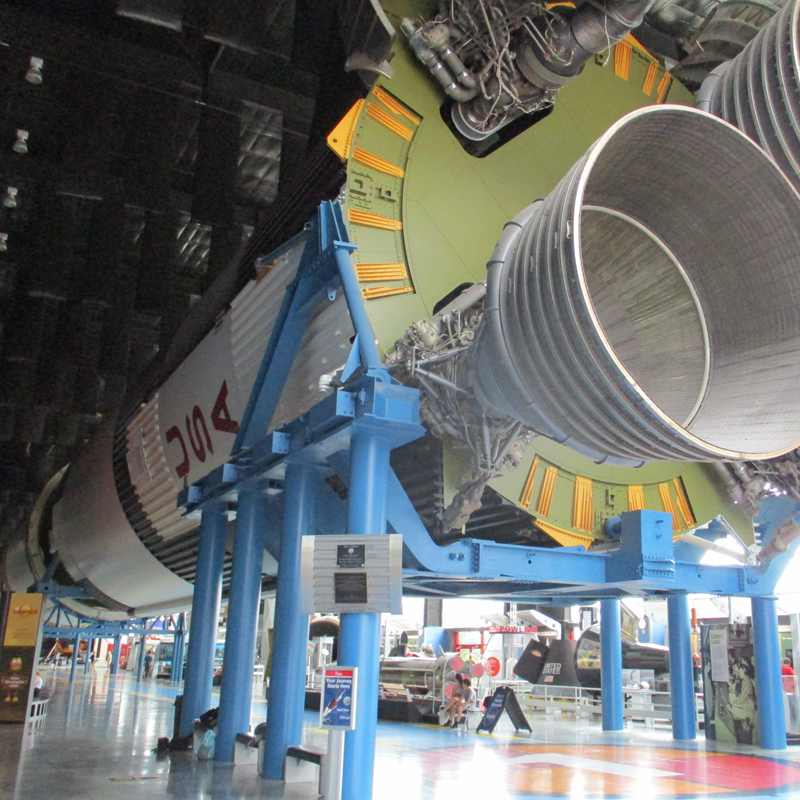
Had a great time exploring the Space and Rocket Center while on a break from a #planetarium conference in Huntsville, Alabama this week. (Even got to meet an astronaut!)
Enjoyed my time a few days back presenting #planetarium shows for "Harry Potter" movie guests at Exploration Place in Wichita! Astronomical names work their way surprisingly often into our pop culture.
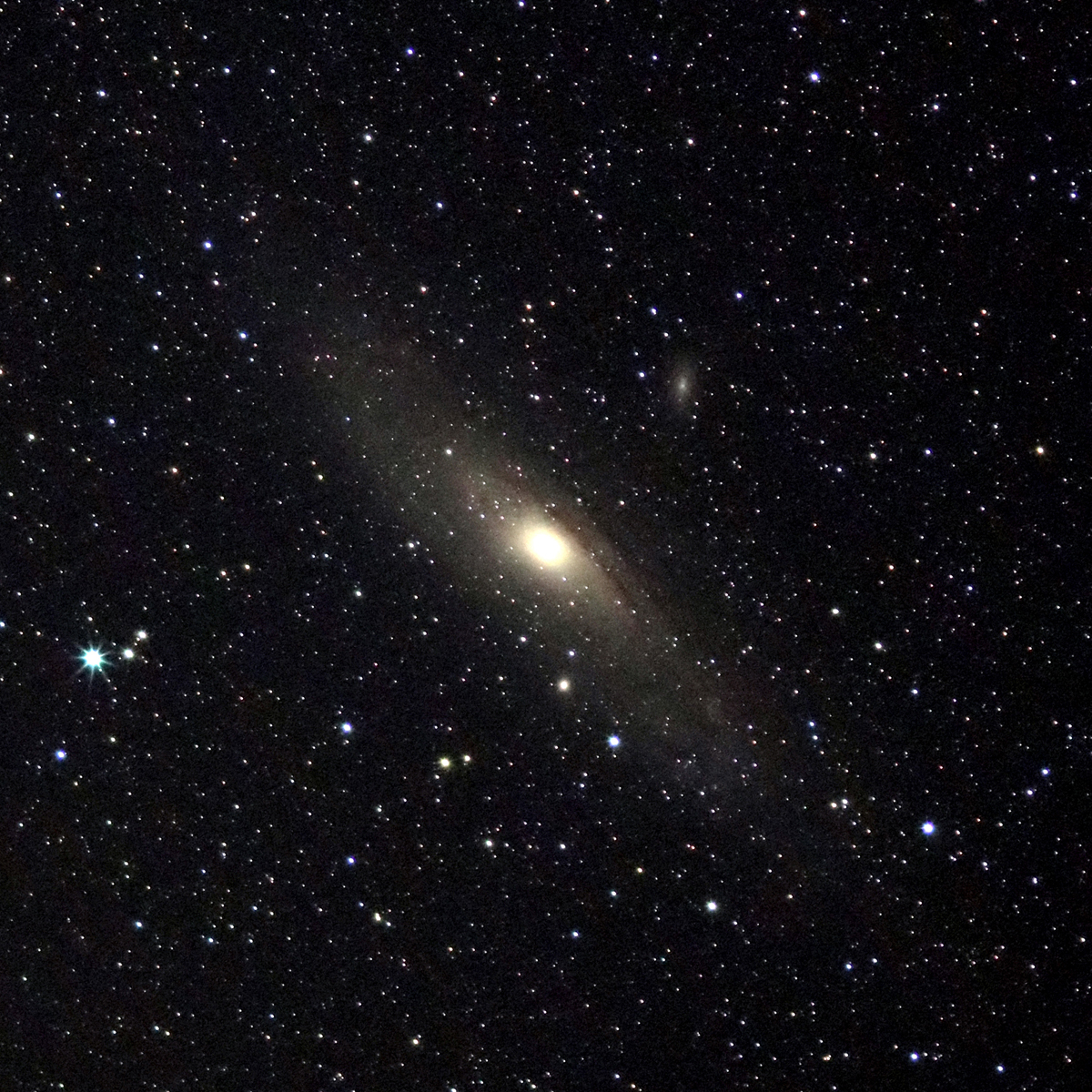
The famous Andromeda Galaxy, M31: 2.5 million light-years away, yet faintly visible to the naked eye. Visible this month towards the northeast after midnight. (Stack of 5 15s exposures, ISO6400, 135mm f/3) #astrophotography
Though it didn't develop into the meteor "storm" many were hoping for, the breakup of Comet Schwassmann-Wachmann 3 still made for a very respectable #meteorshower last night, with about a dozen bright meteors per hour from where I was. #astrophotography
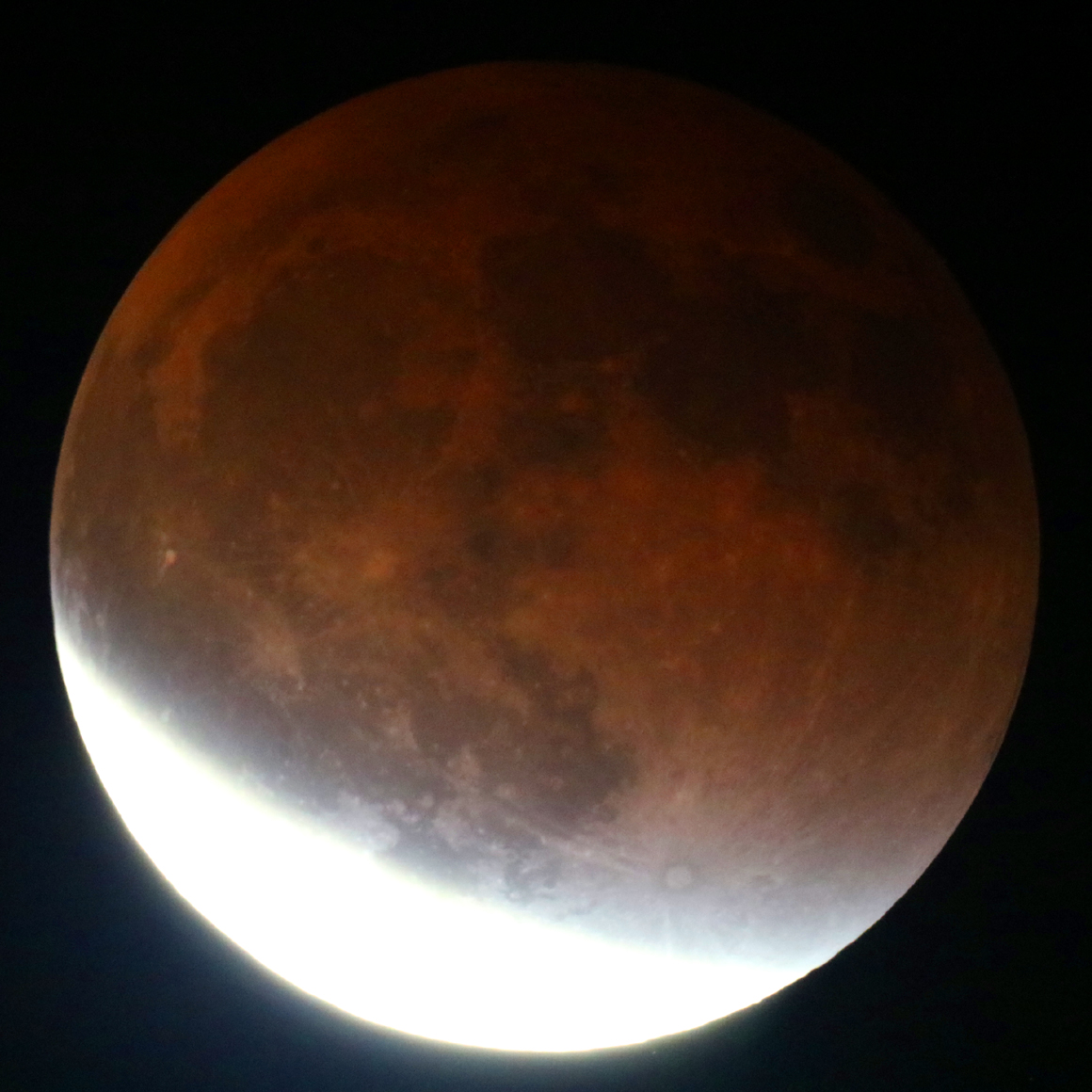
In spite of off-and-on patchy clouds, I was able to catch some decent views of last night's total #LunarEclipse. Will be putting my photos together into a timelapse in the near future!
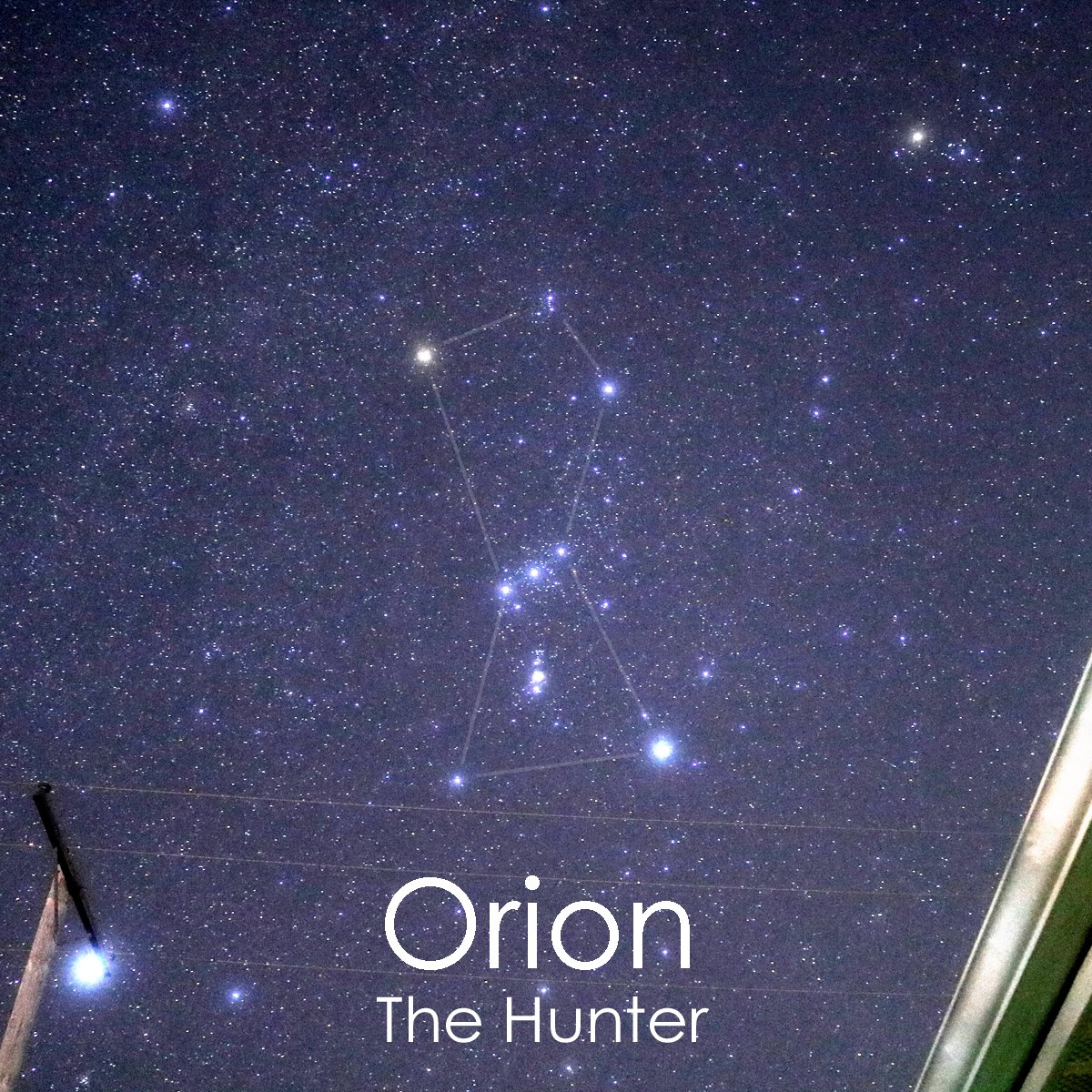
Finishing up my set of single-shot #winter#constellation portraits with the most famous of all: #Orion, the Hunter. Orion and the others can still be seen this month looking south (from the Northern Hemisphere) about halfway up the sky shortly after sunset. #astrophotography
Confession: in junior high, just for fun, I memorized the mathematical value of Pi to 100 decimal places. Not all that useful mathematically, perhaps, but it's still a neat trick I can do at parties. #PiDay
Here's Gemini, the Twins. It's another #constellation that visually resembles what it represents: if you tilt your head to the left, you can see what looks like two stick figures holding hands. Brightest stars are Castor and Pollux. #astrophotography
Of course, following Canis Major is its companion #constellation Canis Minor, the Little Dog. Not much to this constellation; it's just a line, so maybe it's supposed to be a dachshund? #astrophotography
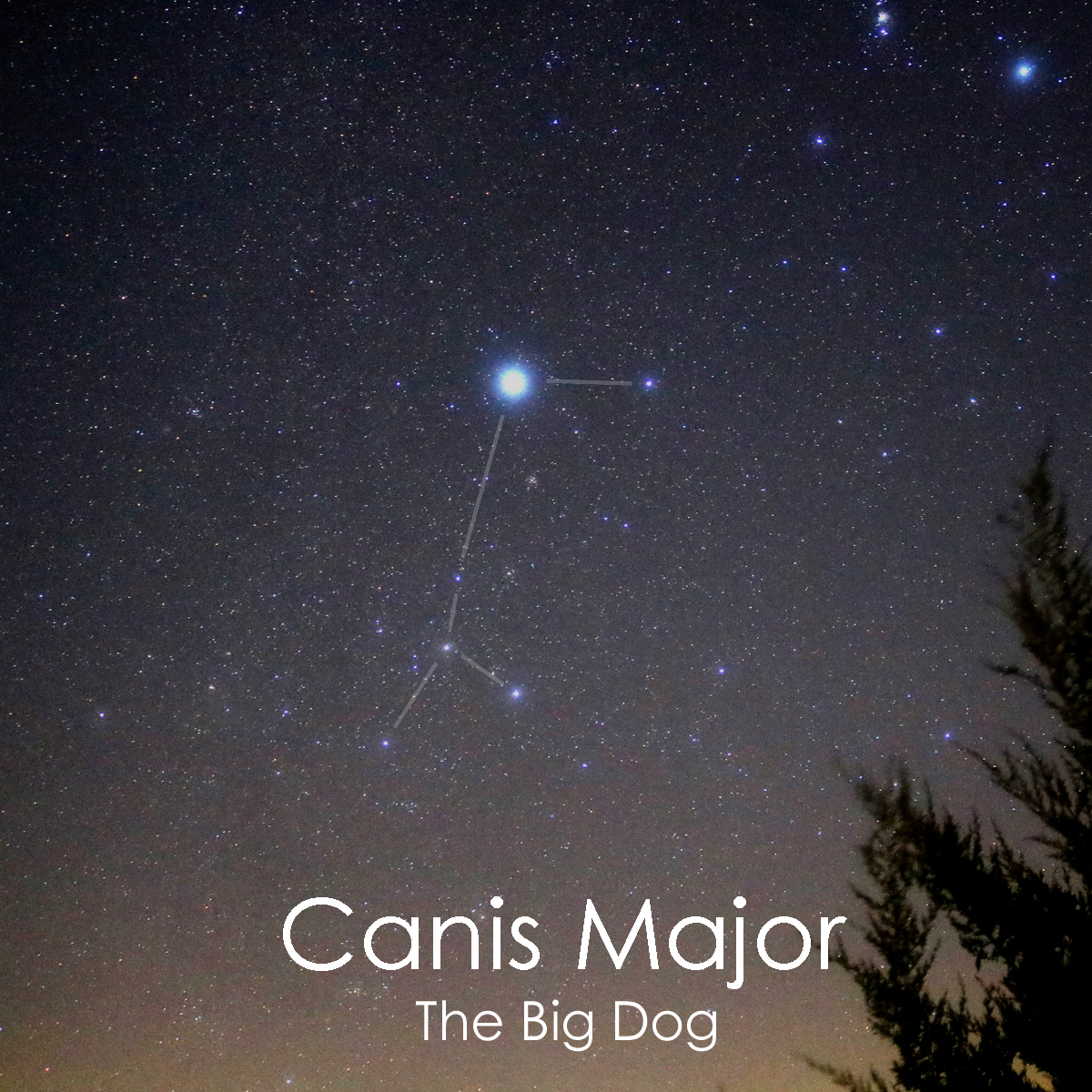
Another single-shot winter constellation portrait: here's Canis Major, the Big Dog, with Sirius as its brightest star. The lower part of Orion is visible to the upper right. (And guess which constellation is coming next!) #astrophotography
My daughter and I finally visited @the_cosmosphere in Hutchinson, KS a few days ago. Who would have guessed that such an impressive collection of space program artifacts was housed in rural Kansas?